Sort
Filter
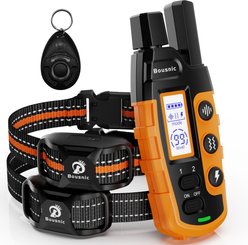
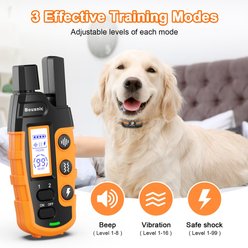

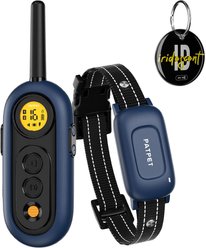
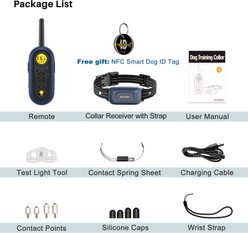
$29.99 Chewy Price
$31.99 List Price
$37.99 Chewy Price
$45.99 List Price
$59.99 Chewy Price
$69.99 List Price
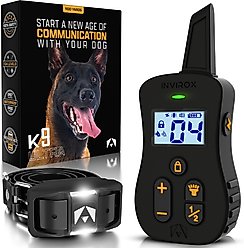
$99.99 Chewy Price
$119.99 List Price

$38.23 Chewy Price
$49.99 List Price
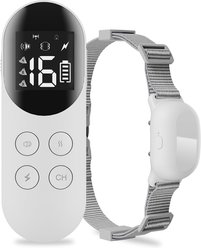
$31.49 Chewy Price
$44.99 List Price
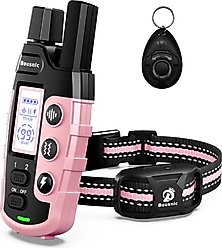
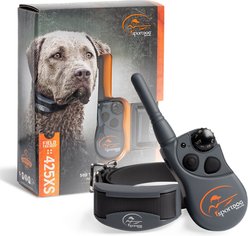
$159.99 Chewy Price
$179.99 List Price
$199.99 Chewy Price
$219.99 List Price


$67.98 Chewy Price
$75.99 List Price
$39.88 Chewy Price
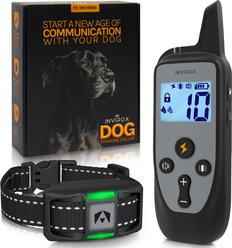
$54.99 Chewy Price
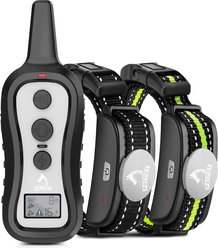
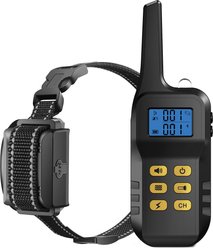
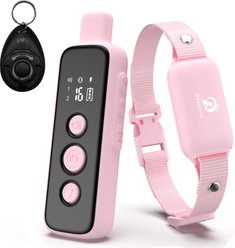
$38.24 Chewy Price
$49.99 List Price
$69.99 Chewy Price
$59.90 Chewy Price
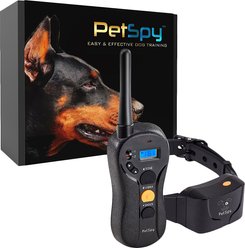
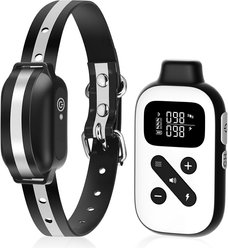
$32.99 Chewy Price
$34.99 List Price
$34.06 Chewy Price
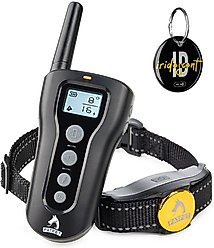
$31.99 Chewy Price
$39.99 List Price
$38.23 Chewy Price
$49.99 List Price
$25.89 Chewy Price
$36.99 List Price
$59.97 Chewy Price
$69.99 List Price
$49.99 Chewy Price
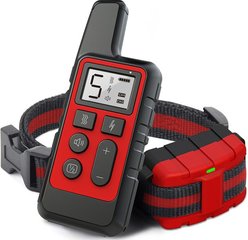
$33.99 Chewy Price
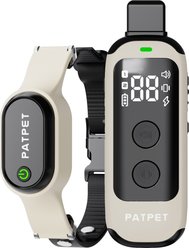
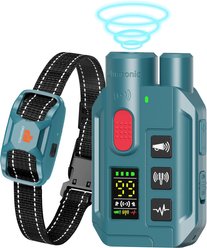
$44.99 Chewy Price
$59.99 List Price
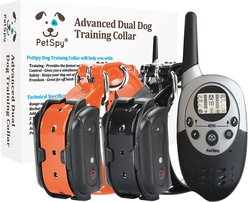
$39.99 Chewy Price
$74.99 List Price
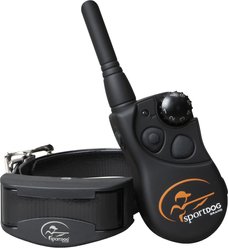
Dog Training Collars
For pups who need a little extra coaching, dog training collars offer consistent correction and communication. These collars are designed to help guide behavior during training sessions, from basic obedience to managing more persistent habits. Available in a variety of styles- from martingales and head halters to vibration and e-collars- dog training collars can support your efforts to build positive, safe, and lasting routines. Here's what to consider when shopping for dog training collars:
- Collar type: Options include martingale collars, prong collars, head halters, vibration collars, and e-collars (electronic)
- Training goal: Choose based on whether you're working on recall, loose-leash walking, barking, or general obedience
- Size and fit: Proper sizing is essential- training collars should be snug but not restrictive
- Adjustable features: Many collars offer customizable correction levels to suit your dog's size and sensitivity
- Trainer input: Consider consulting a professional trainer when using advanced collars like e-collars for the first time
Dog training collars work best when paired with positive reinforcement, clear communication, and consistent routines tailored to your dog's personality.
Frequently Asked Questions about Dog Training Collars
What are the different types of dog training collars?
Common types include martingale collars (for gentle correction), head halters (to reduce pulling), prong collars (for stronger correction), vibration collars, and e-collars (electronic collars) that offer tone, vibration, or static stimulation.
How do electronic training collars (e-collars) work?
E-collars use tone, vibration, or static stimulation to get your dog's attention and correct behavior. These signals can be adjusted to different levels and are typically controlled with a remote to reinforce commands during training.
How do I choose the right training collar for my dog?
Consider your dog's size, temperament, and training goals. For example, a gentle martingale may suit a shy dog learning leash manners, while a vibration collar may work better for a more energetic dog with recall challenges.
Can training collars help with behavior problems?
Yes, training collars can support behavior correction when used properly and in combination with positive reinforcement. They help redirect unwanted behaviors like pulling, jumping, or ignoring recall- but they work best as part of a broader training plan.
How should I properly use a dog training collar?
Always follow the manufacturer's instructions and consult a trainer if needed. Introduce the collar gradually, use the lowest effective setting for correction (if applicable), and never use the collar as a punishment. Consistency, supervision, and patience are key.
Collar Type
Breed Size
Features
Brand
7 Brands are shown below