What Human Foods Can Dogs Eat?



Photo by Chewy Studios
Dogs are loyal companions, so it’s only natural that we want to treat them like part of the family and share some of our favorite human foods with them.
But what human foods can dogs eat?
Although many people foods are unsafe for dogs, a surprising number are A-OK for dogs to eat and even beneficial for your pup.
We spoke with vet experts about 24 human foods dogs can eat—and the nutritional benefits they offer.
Before introducing any new food into your dog’s diet, always check with your veterinarian.
Key Takeaways
- Many human foods are safe for dogs and can provide extra vitamins, minerals, fiber, and antioxidants when served in moderation.
- Always prepare human foods safely by removing seeds, pits, cores, peels, or bones when needed, and serving foods plain without added salt, sugar, butter, or seasonings.
- Treats—including healthy human foods—should make up no more than 10% of your dog’s daily calories to help maintain a balanced diet and healthy weight.
- Talk to your veterinarian before introducing new foods, especially if your dog has health conditions, food sensitivities, or a special diet.

Apples
Crunchy, sweet, and brimming with nutrients, apples are a dog-friendly fruit that many pups enjoy.
- They’re low-calorie and rich in prebiotic fiber, which can help support a dog’s gastrointestinal health.
- Apples may also freshen your pup’s breath by helping to keep their teeth free of odor-causing plaque and tartar (although apple munching certainly can’t replace daily brushing!).
Do not feed your dog the core or the seeds, though. The core is a choking hazard, and the seeds are toxic.
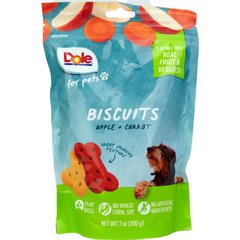
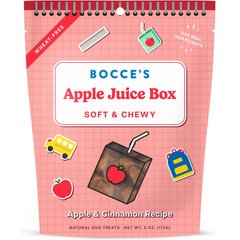
You can also try some apple-inspired treats for your pup.
Recommended Products
Bananas
Bananas are one of several dog-safe fruits your pup can enjoy.
- They’re rich in magnesium, potassium, and fiber, all of which are essential to your dog’s health.
- Potassium, for example, is important for your dog’s heart, kidneys, muscles and digestion.
Don’t give your pup an entire banana, though; start with a small slice and give no more than half a banana to a large dog per day.
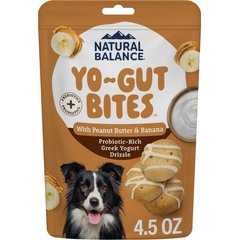
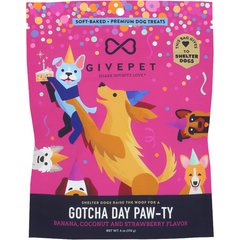
You can also buy a banana-flavored treat.
Recommended Products
Blackberries
Naturally sweet and slightly tart, blackberries are a tasty and easy way to add fiber to your dog’s diet.
- They’re high in water content for helpful hydration.
- They’re also low in calories, which is helpful for dogs on a weight loss or weight management plan.
Or pick a yummy berry treat for your dog.
Recommended Product
Blueberries
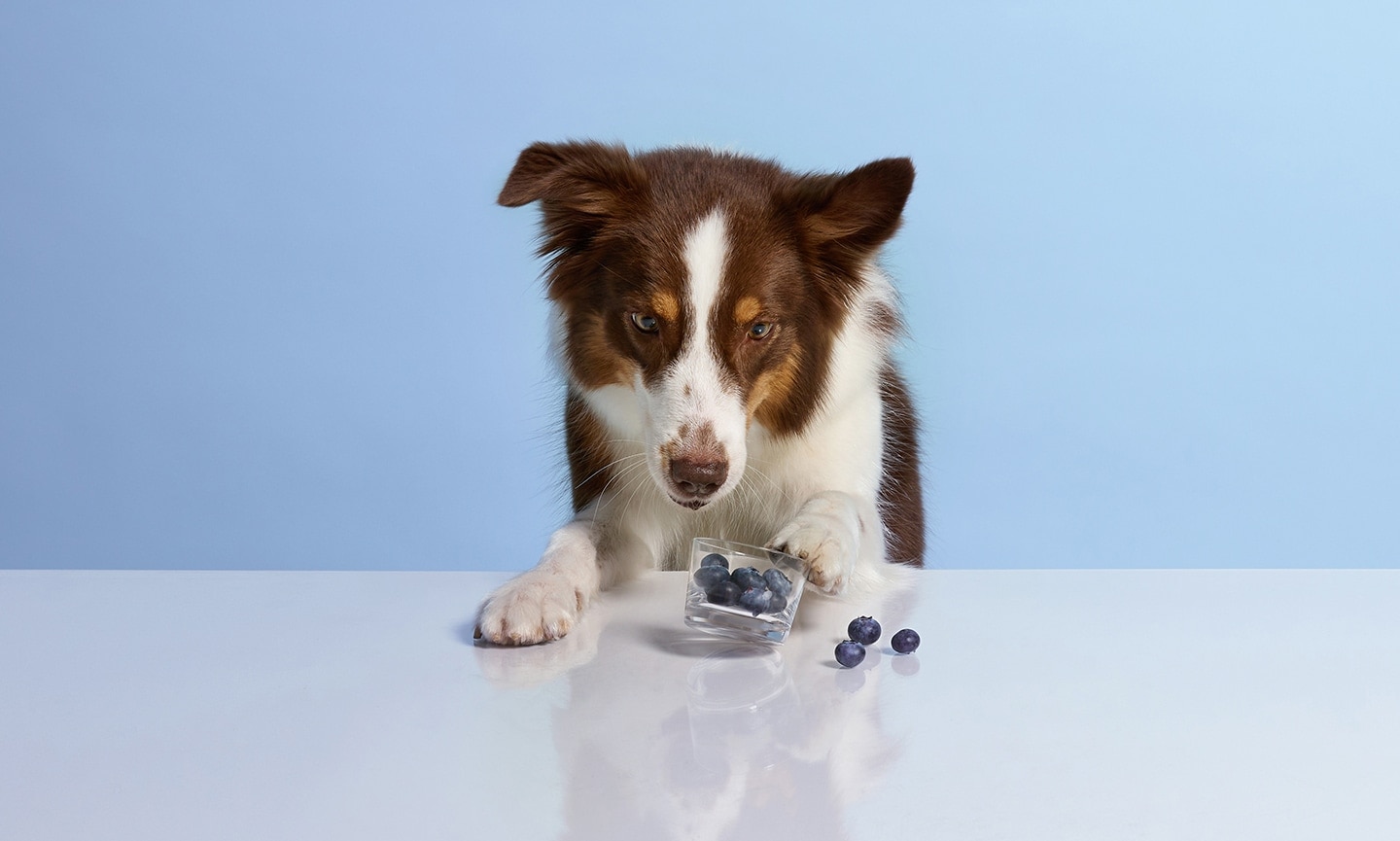
Another dog-safe fruit, blueberries are:
- Low in calories
- High in fiber
- High in antioxidants and vitamins C and K, which support your pup’s immune system.
There are also plenty of blueberry-inspired treats to pick from—or you could try making your pup a blueberry cake!
Recommended Products
Chewy Studios
Broccoli
In small quantities, broccoli is not only safe for dogs, but it’s also a nutrient-rich superfood with many health benefits.
- This cruciferous veggie boasts several minerals, including potassium, magnesium, and sodium, all of which are vital for your dog’s hormone health and metabolism.
- It’s also packed with vitamins K and C, which help keep your dog’s bones strong and boost their immune system.
Corn
As a good source of carbohydrates and insoluble fiber, corn can be a nutritious addition to your dog’s balanced diet.
Only feed your dog plain corn (that means no butter, salt, or pepper!), and don’t let your dog have the corncob, as it can pose a choking hazard.
Cranberries
Cranberries are a dog-safe food packed with antioxidants and quercetin, a plant pigment that can help boost your pup’s immune system.
Feed your canine companion fresh cranberries only, as dried and canned cranberries are usually loaded with sugar.
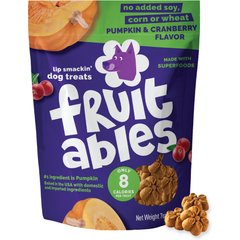
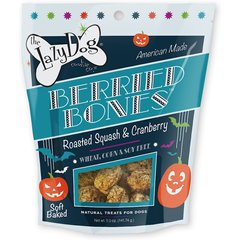
You can also try a fun cranberry treat for your bestie.
Recommended Products
Cucumbers
Composed of 95% water, cucumbers are a hydrating, dog-safe food that provides vitamins and minerals essential to a dog’s balanced diet. These include magnesium, potassium, and vitamins C, B, and K.
While not harmful, vets recommend removing the skin and seeds, as these may cause an upset tummy if your dog has a sensitive digestive system.
Eggs
Eggs are a nutrient-dense food that work well as a dog treat or as a portion of your pup’s regular daily diet.
They’re a great source of highly digestible protein, fatty acids, and vitamin A.
Only feed plain, cooked eggs to dogs (with the yolk)—that means no oil, butter, salt, or other additives. Don’t exceed one egg a week.
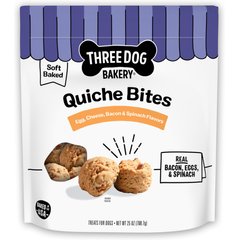
If you’d prefer not to share your brunch with your buddy, try a dog treat with egg.
Recommended Product
Lettuce and Other Greens
While lettuce (such as romaine) is safe for dogs to eat and will provide your dog with some vitamins and fiber, there are better options if you want to introduce something healthy into your dog’s diet.
Options with a bigger nutritional punch include:
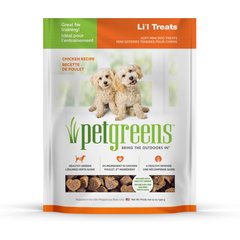
If your dog’s crazy about greens, you could try a green-inspired treat too like Pet Greens Li’l Treats Chicken Flavor Soft & Chewy Dog Treats.
Recommended Product
Mango
Sweet and juicy, mango is high in fiber, proteins, antioxidants, and minerals that benefit your dog’s health.
Small amounts of mango may also help alleviate an upset tummy, diarrhea, and constipation.
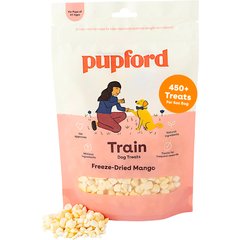
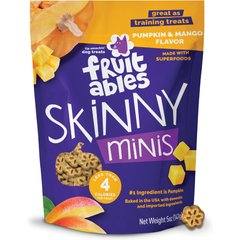
A store-bought mango treat might be just as satisfying for your dog’s taste buds. Here are a couple of pet parent faves:
Recommended Products
Oranges
While oranges might not be your dog’s first choice for a treat, this citrus fruit is safe and healthy for most dogs to eat in small amounts.
Oranges contain nutrients, like vitamin C and potassium, that positively affect a dog’s immune system.
Peanut Butter
This creamy spread is an excellent source of protein and healthy fats.
Peanut butter is also a good source of vitamin B6 and niacin—vital nutrients that support your dog’s enzyme and nervous system function.
When buying peanut butter, always read the ingredient list and avoid any peanut butter containing the sugar substitute xylitol, as this ingredient can be highly toxic to dogs.
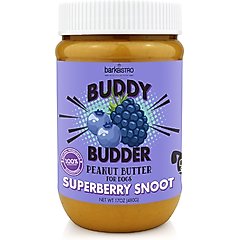
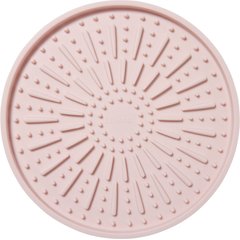
Make it easy on yourself and pick a dog-safe peanut butter from the get-go. It goes well with a lick mat.
Recommended Products
Peas
Peas are a common ingredient in dog food—and for good reason.
- Peas are packed with vitamins and minerals that support your dog’s vision, skin, digestion, immune system, heart, and nervous system.
- They’re also low in calories and high in fiber.
It’s important to note that dogs with kidney problems should avoid peas.
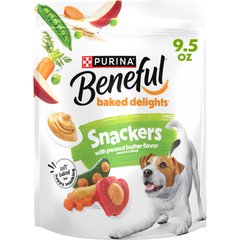
If your dog loves the taste, they might try a treat with peas like Purina Beneful Baked Delights Snackers.
Recommended Product
Pineapple
Pineapple is chock full of water, antioxidants, and fiber, making it a healthy, dog-safe snack in moderation.
It’s also rich in vitamin C, vitamin B6, and other beneficial vitamins and minerals that support your dog’s coat, skin, eyesight, ligaments, and tissues.
Never feed your dog the core or spiny skin of a pineapple—just raw, peeled pineapple flesh.
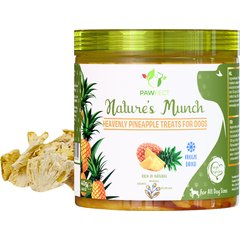
If your dog’s a big pineapple fan, make training even more fun with some fruity treats like the Pawfect Nature’s Munch Freeze-Dried Pineapple All Natural Vegan Dog Training Treat.
Recommended Product
Popcorn
Treating your dog to a few pieces of plain, air-popped popcorn is a safe treat high in fiber.
Avoid feeding your pup butter-flavored microwave popcorn, as it contains an artificial butter flavoring called diacetyl that may be harmful to dogs.
Potatoes
Potatoes can be a healthy treat for dogs, as long as they’re peeled, well-cooked, served plain, and not green—sorry, pups, no fries or loaded potatoes for you!
Spuds are high in vitamins A, B6, and C, which help support your dog’s immune and nervous systems. They’re also rich in beneficial iron, magnesium, calcium, and potassium.
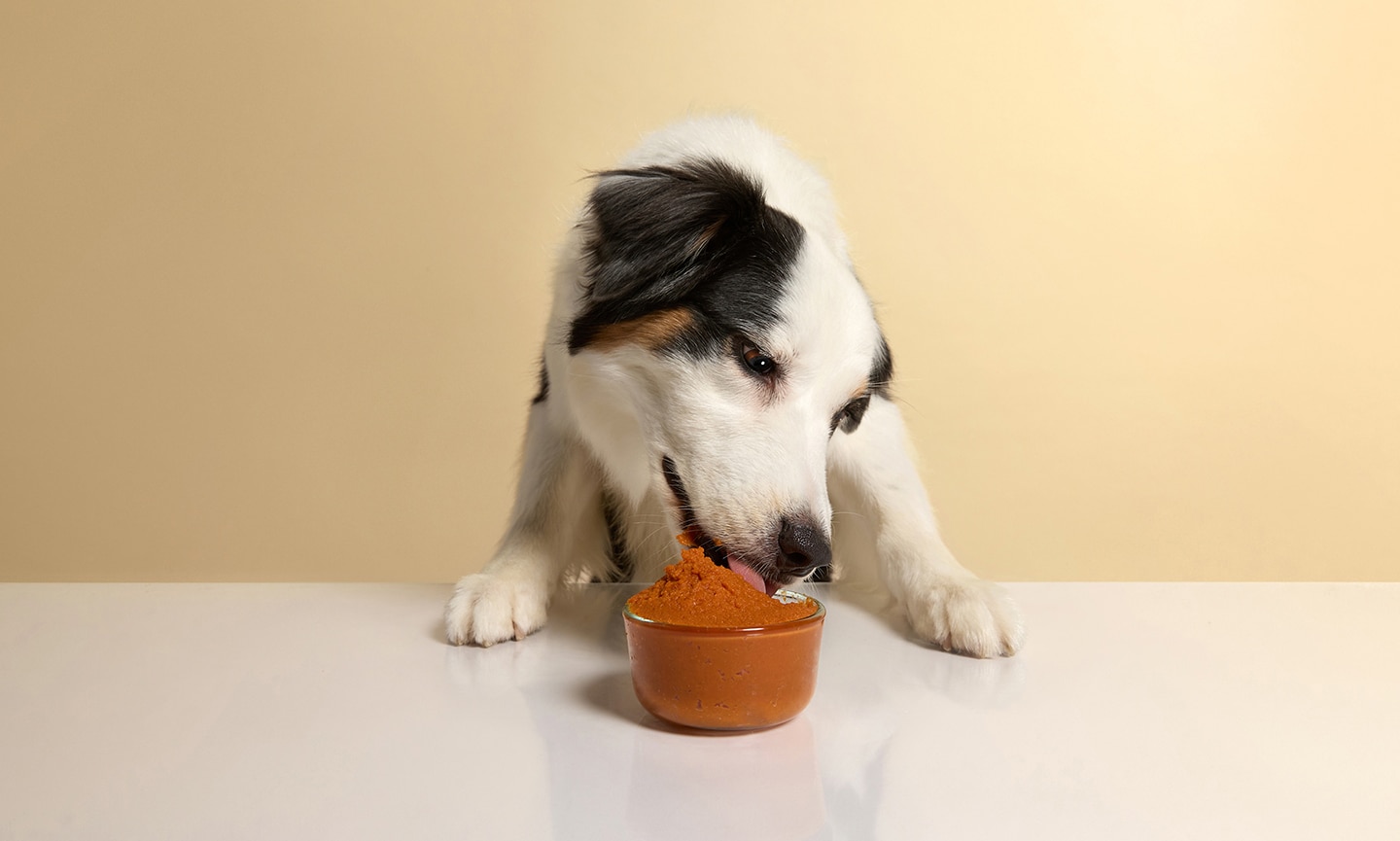
Sweet Potato
Due to its stellar nutritional profile, sweet potato is a common ingredient in dog food.
It has a couple of excellent benefits:
- This starchy, sweet root vegetable is high in beta-carotene, an antioxidant that supports your dog’s immune system, vision, and skin.
- It’s an excellent source of digestion-boosting fiber.
Only serve your dog plain, well-cooked sweet potato. Try this yummy recipe.
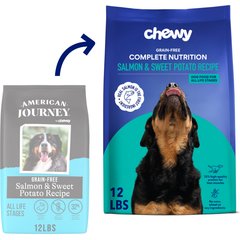
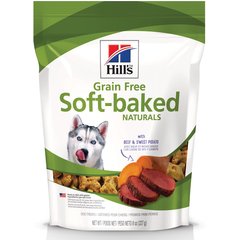
Lots of dog foods and treats have sweet potatoes as an ingredient—most dogs tend to love the taste.
Recommended Products
Chewy Studios
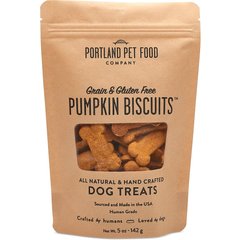
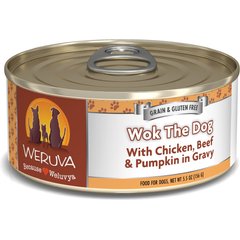
Pumpkin
Pumpkin is a dog-safe, antioxidant-rich food containing many health-promoting nutrients that can help with everything from a shinier coat to better eyesight to improved digestion.
As such, it’s no surprise that it’s a common ingredient in dog treats and dog food.
(Note that dogs’ guts aren’t set up to digest pumpkin seeds. While they likely won’t do damage in moderation, many vets recommend skipping them.)
Recommended Products
Salmon and Other Fish
Salmon is safe for your dog to eat, as long as it’s deboned and properly cooked. The same goes for other types of seafood and fish, like lobster and trout.
Seafood and fish are an excellent source of protein and omega-3 fatty acids, which benefit your pup’s skin, digestion, and immune system.
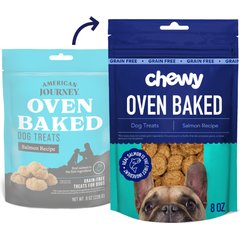
There are plenty of salmon-inspired dog foods and treats too.
Recommended Products
Strawberries
Unsweetened fresh or frozen strawberries offer dogs many nutritional benefits:
- They’re high in immune-boosting vitamins B1, B6, C, and K.
- They’re also loaded with fiber to aid in digestion and contain omega-3 fatty acids for skin and coat health.
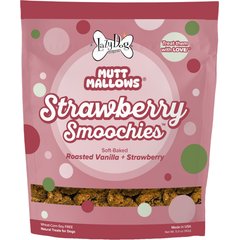
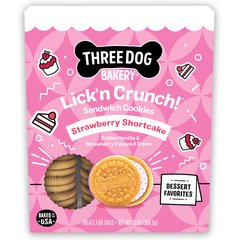
You can also offer your dog treats bursting with strawberry flavor. Here are a couple fruity picks:
Recommended Products
Tomatoes
Red tomatoes (raw or cooked) that are ripe and plain make a nutritious and delicious snack for your pup.
They’re loaded with potassium, antioxidants, and vitamins A, C, and K, which benefit your dog’s eyesight, skin, immune system, cardiovascular health, muscles, and more.
Yogurt
Plain, unflavored, and non- or low-fat yogurt can be a healthy treat for your pup, as long as they don’t have issues digesting lactose.
- Yogurt is high in protein, which supports muscles, bones, and tissues.
- It’s also rich in bone-building calcium and probiotics that may contribute to a healthy gut microbiome.
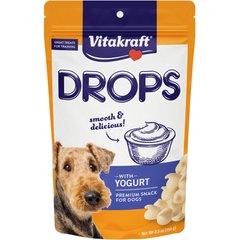
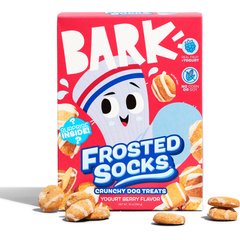
Most dogs love yogurt so much that it’s a popular ingredient in treats too.
Recommended Products
Zucchini
High in antioxidants and fiber, zucchini is just one of many veggies dogs can eat—and it makes a healthy, low-calorie treat for your pup.
It’s abundant in vitamins A, B6, C, and K, which are essential for your dog’s vision, skin, coat, metabolism, proper blood clotting, and bone and cartilage growth.
Raw zucchini can be difficult for your dog to digest, so it’s best to serve it cooked.
How To Feed Dogs Human Foods

Chewy Studios
- Treats should not make up more than 10% of your dog’s diet (and if your dog is overweight, it should be even less than that).
- Feeding too many treats can lead to nutrient deficiencies, so always give treats in moderation and in small amounts.
- Follow an expert’s advice for exactly how much of a particular food to give and always feed manageable pieces, excluding things like seeds or pits.
- If your dog appears to be gaining weight, reduce the number of treats.
- If tummy troubles or other adverse effects continue, avoid giving your dog that food in the future.
Before introducing any new food into your dog’s diet, check with your veterinarian.
Attributions