Can Dogs Eat Oranges?


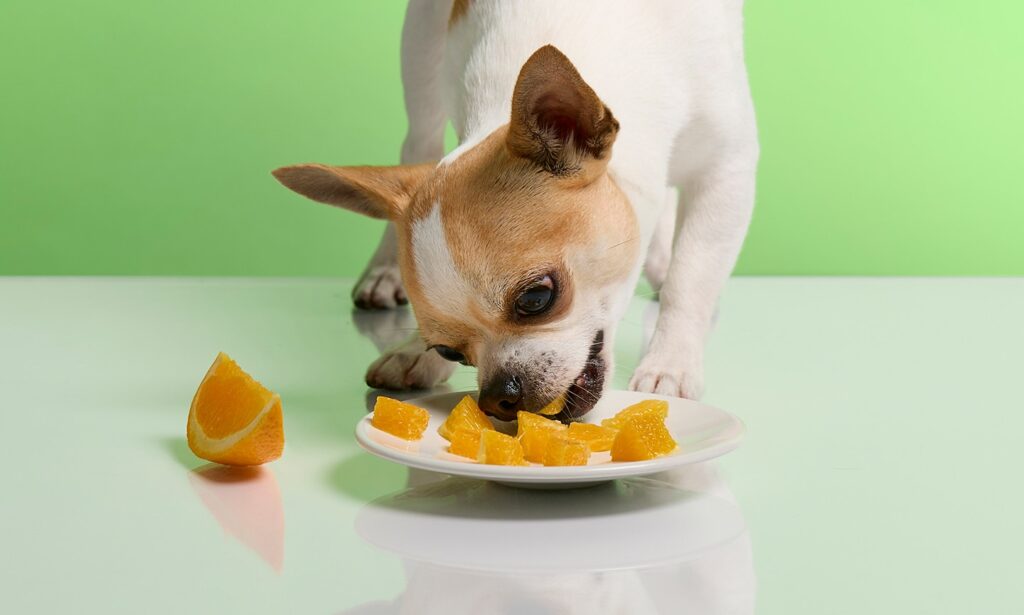
Photo by Chewy
Oranges, juicy and brimming with vitamin C, are a staple in fruit bowls. But can dogs have oranges?
Yes, oranges are one of many fruits dogs can enjoy in moderation. All types of oranges are fair game, but there are a few rules to follow.
Key Takeaways
- Yes, dogs can eat small amounts of plain orange as an occasional treat.
- Always remove the peel, pith, and seeds, which can cause choking or digestive problems.
- Oranges contain natural sugar and fiber, so eating too much may lead to vomiting, diarrhea, or stomach upset in dogs.
- Start with one small piece and adjust the amount based on your dog’s size and tolerance.
Can Dogs Eat Oranges?
Yes, dogs can eat oranges.
Oranges are nontoxic to dogs and can even offer some health benefits.
However, unlike humans, dogs naturally produce vitamin C in their liver, which means additional amounts from their diet are usually unnecessary.
Plus, your dog should be getting all their nutritional needs from a complete and balanced diet. That said, a little bit of orange can be an occasional juicy snack.
Are Oranges Good for Dogs?
Yes, oranges can be good for dogs. While they’re unlikely to pick up the health benefits since they’ll be eating such a minimal amount, oranges are technically healthy.
- High vitamin C content: While your pup can synthesize their own vitamin C, an extra boost from oranges during times of stress or illness may help support your dog’s immune system.
- Potassium, fiber, some B vitamins, and antioxidants: These support a healthy immune system, a healthy coat, disease prevention, and overall wellness.
- Dietary fiber: Oranges contain dietary fiber, which can aid in digestion and help regulate bowel movements, great news for dogs with occasional constipation.
- High water content: Oranges can be a juicy snack to help your dog stay hydrated.
- Low in calories: Oranges are a healthy snack for overweight dogs who need to watch their caloric intake.
Are Oranges Bad for Dogs?
Yes, oranges can be bad for dogs, too, and their inclusion in a canine diet is not without its risks.
- High sugar content: Oranges have relatively high sugar content, and excessive sugar intake can lead to obesity and dental problems in dogs. They can be problematic for dogs with diabetes or those at risk of the disease, as excessive sugar intake can disrupt blood sugar regulation.
- Citric acid: Citric acid isn’t harmful to dogs in small quantities, but in larger amounts, it can cause an upset stomach, especially for dogs with sensitive stomachs.
- High fiber content: While fiber is beneficial for a dog’s digestion in moderate amounts, too much can lead to digestive issues, such as diarrhea, bloating, and gas.
- Natural oils: Some natural oils found in the peel, namely limonene and linalool, can be toxic to dogs if ingested in large quantities.
- Choking hazard: The peel is a choking hazard, as it can become lodged in a dog’s throat or intestinal tract. This obstruction can be fatal if not promptly treated.
- Chemicals: The peel and seeds of oranges contain chemicals called psoralens and other compounds that can cause stomach upset.
How Much Orange Can I Give My Dog?
Make a piece of orange an occasional treat, not a regular food. Oranges and other goodies should make up no more than 10% of the total calories of your dog’s daily diet, with the rest coming from a complete and well-balanced dog food.
While every dog’s tolerance level will be slightly different, here are some general serving size guidelines you can go by:
| Dog Size | Serving Size |
|---|---|
| Extra-small dogs (2–10 pounds) | 1–2 segments in bite-size pieces |
| Small dogs (11–20 pounds) | 2–4 segments in bite-size pieces |
| Medium dogs (21–50 pounds) | 4–10 segments in bite-size pieces |
| Large dogs (51–90 pounds) | 10–18 segments in bite-size pieces |
| Extra-large dogs (91+ pounds) | 18 segments in bite-size pieces |
When feeding oranges to your dog as a treat, start by offering one piece and watch for signs of any negative side effects, like vomiting or diarrhea.
How To Feed Oranges to Your Dog
To keep snack time safe and enjoyable, ensure your dog only nibbles on the orange flesh, steering clear of the rest.
Here’s the best way to safely introduce this citrus fruit into your furry friend’s diet:
- Peel and seed the orange. Remove all traces of peel, pith, and seeds.
- Cut the orange into manageable, bite-size pieces. This reduces the risk of choking and helps you control the portion size.
- Introduce oranges gradually and observe how your dog reacts. If they experience any symptoms of discomfort, refrain from giving your dog more orange, and check in with your veterinarian.
Even though orange flesh is safe for dogs, they should be considered a treat, not a dietary staple.
My Dog Ate Too Much Orange—What Do I Do?
Eating too much orange can cause stomach upset and make your dog uncomfortable.
Some signs that your dog overindulged include:
If you notice any of these signs after your dog ate some orange, contact your veterinarian for steps on what to do.
What Other Fruits Can Dogs Eat?
Oranges are not the only fruit dogs can enjoy. There are many fruits that can be healthy snacks in moderation.
You can see if your dog enjoys:
- Apples
- Bananas
- Blackberries
- Blueberries
- Cantaloupe
- Cranberries
- Kiwi
- Mango
- Peaches (avoid the pit, which is toxic)
- Pears
- Pineapple
- Raspberries
- Strawberries
- Watermelon
If you’d like to play it safe and offer your dog a fruity store-bought treat, there are plenty of options to choose from.
Recommended Products



FAQs About Dogs and Oranges
Can dogs eat mandarin oranges?
Yes, dogs can eat mandarin oranges in moderation, just like regular oranges.
Can dogs eat tangerines?
Yes, dogs can eat tangerines in moderation.
Can dogs eat clementines?
Yes, clementines are also safe for dogs in moderation.
Can dogs eat orange peels?
No, dogs should not eat orange peels. The tough texture is difficult for them to digest and could lead to an upset stomach or an obstruction. Orange peels also contain concentrated oils and compounds that can be too harsh for a dog’s digestive system and may even be toxic in large amounts.
Can dogs have orange juice?
No, orange juice is not good for dogs. While a small sip of pure orange juice is unlikely to harm them, it is high in natural sugars and acidic content. Many orange juices also contain added sugars or artificial sweeteners like xylitol, which is toxic to dogs.
Attributions