Rottweiler vs. Cane Corso: Which Breed Is Right for You?


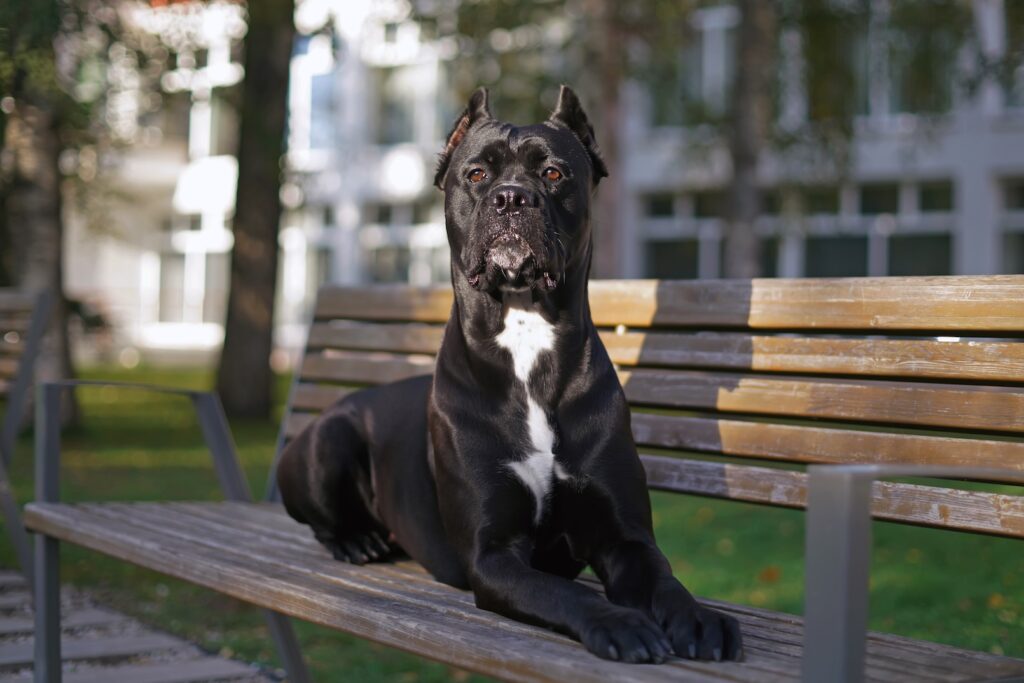
Photo by Eudyptula/iStock
Rottweilers and Cane Corso dogs are both striking, confident companions with deep histories as working dogs. While they may look similar at a glance, their backgrounds, personalities, and care needs can differ in ways that matter for everyday life with their loving pet parent.
If you’re deciding between these two breeds, here’s how they compare.
Key Takeaways
- Rottweilers and Cane Corso dogs are both large, muscular working breeds.
- Both breeds thrive with consistent training and socialization.
- Both breeds have short coats that shed, though Rottweilers tend to shed more consistently throughout the year.
- Each breed is prone to common health conditions like hip dysplasia, so proactive veterinary care is important.
History
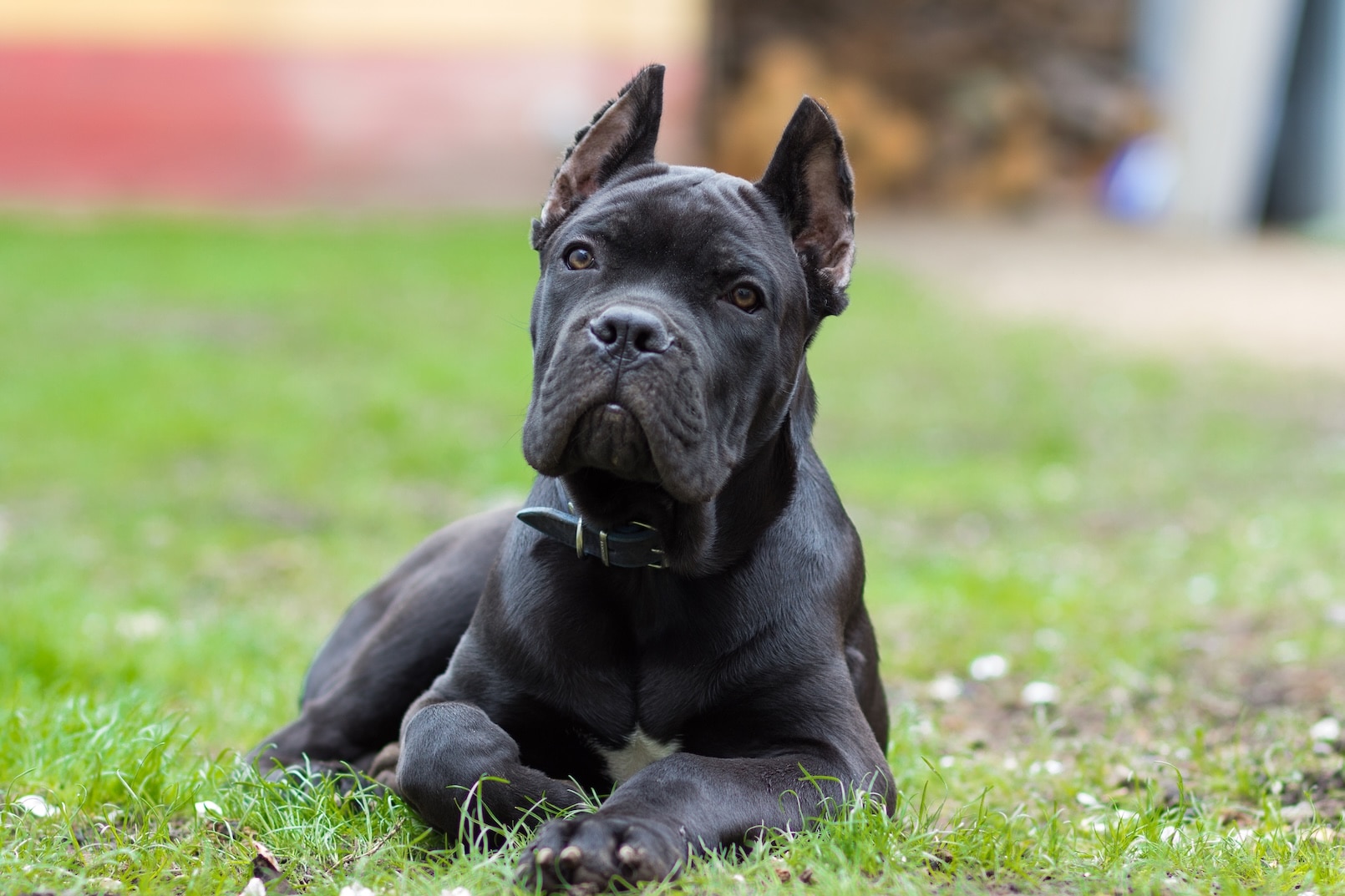
Photo by FaST_9/iStock
Both breeds have ancient roots in the Roman Empire—in fact, they’re basically distant cousins.
The Rottweiler’s Roman ancestors worked as drover dogs, moving and guarding cattle. Over time, they became established in the German town of Rottweil, where they continued to herd livestock and pull carts for butchers. Their strength, intelligence, and steady temperament made them reliable working companions.
The Cane Corso also descends from these Roman dogs, but they were further refined in Italy. Historically, Cane Corso dogs worked on farms, where they helped guard property, hunt large game, and manage livestock. Their versatility and close partnership with humans shaped the breed into a devoted and capable working dog.
Appearance
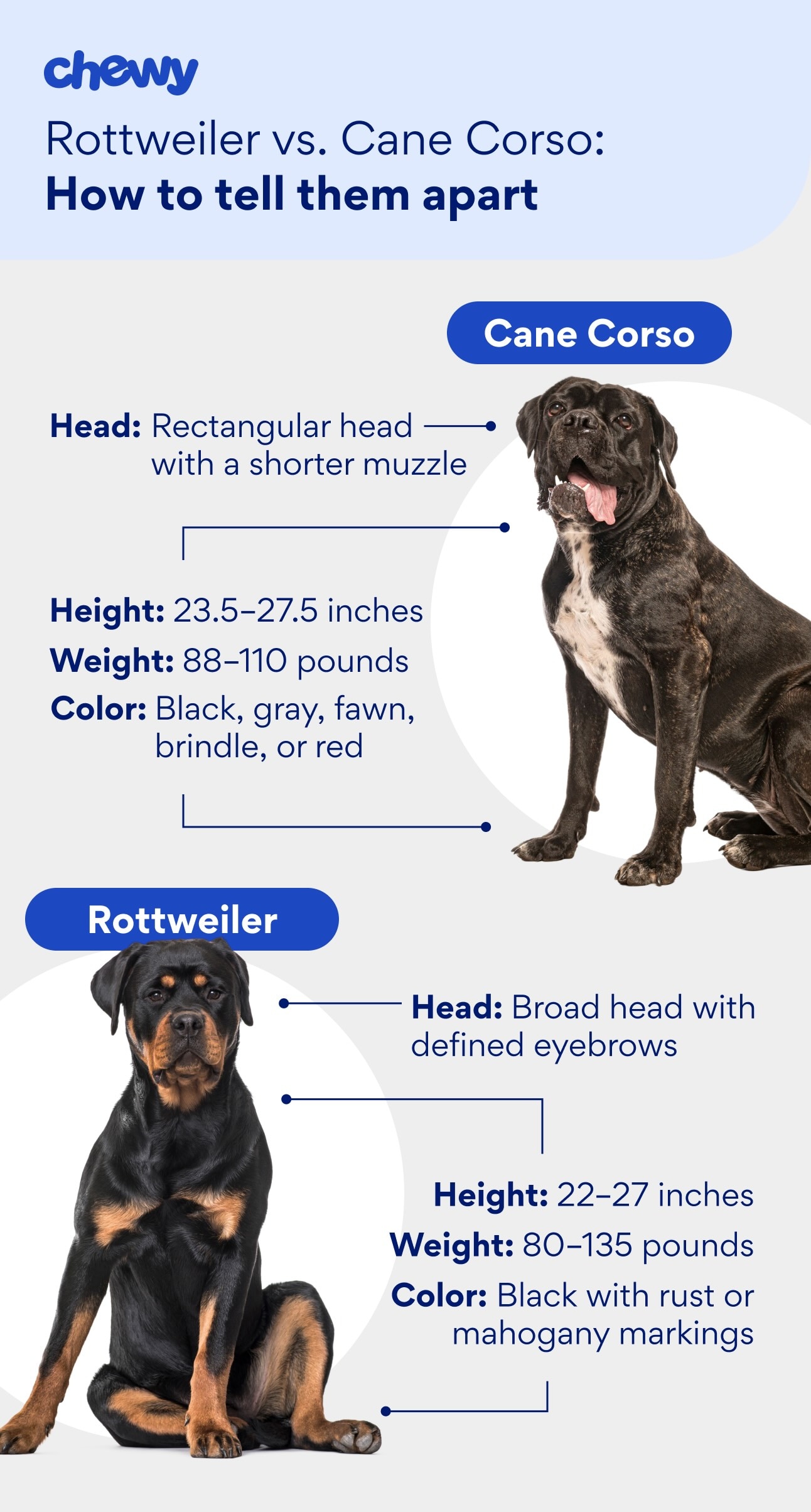
Photo by Chewy
Both breeds are large, athletic dogs with broad chests and strong builds, but there are noticeable differences in size and overall look.
Size and Build
- Rottweiler: Typically stands 22–27 inches tall and weighs 80–135 pounds. They have a compact, powerful frame with substantial muscle.
- Cane Corso: Typically stands 23.5–27.5 inches tall and weighs 88–110 pounds (sometimes even more). They tend to have a taller, more elongated build when compared with the Rottweiler.
Coat and Color
- Rottweilers are always black, with clearly defined rust or mahogany markings on the face, chest, and legs.
- Cani Corsi can be black, gray, fawn, or red, often with a short, dense coat and sometimes a mask on the face.
Head Shape
- Rottweilers have a broad head with expressive eyebrows marked by tan points.
- Cane Corso dogs have a more rectangular head shape. Their muzzle tends to be shorter than a Rottie’s.
Personality

Photo by KalypsoWorldPhotography/iStock
Bred to work alongside humans, both Rottweilers and Cani Corsi (the plural of Cane Corso) are deeply loyal, highly intelligent, and happiest when they have a job to do—even if that “job” is shadowing you from room to room.
Rottweilers, in particular, are famous for being oversize cuddle bugs who have zero concept of personal space and will happily try to climb into your lap—all 100-plus pounds of them.
Cani Corsi tend to be more serious and watchful, with a natural instinct to keep an eye on their home and family. Rotties can also be reserved with strangers, but both breeds are typically affectionate and devoted once they decide you’re part of their inner circle.
Because of their protective nature and strong personalities, both breeds do best with experienced pet parents who can provide clear guidance, positive reinforcement training, and early, consistent socialization to help them feel comfortable, no matter the situation.Keep training sessions short, fun, and filled with special dog treats.
Recommended Products

Exercise Needs
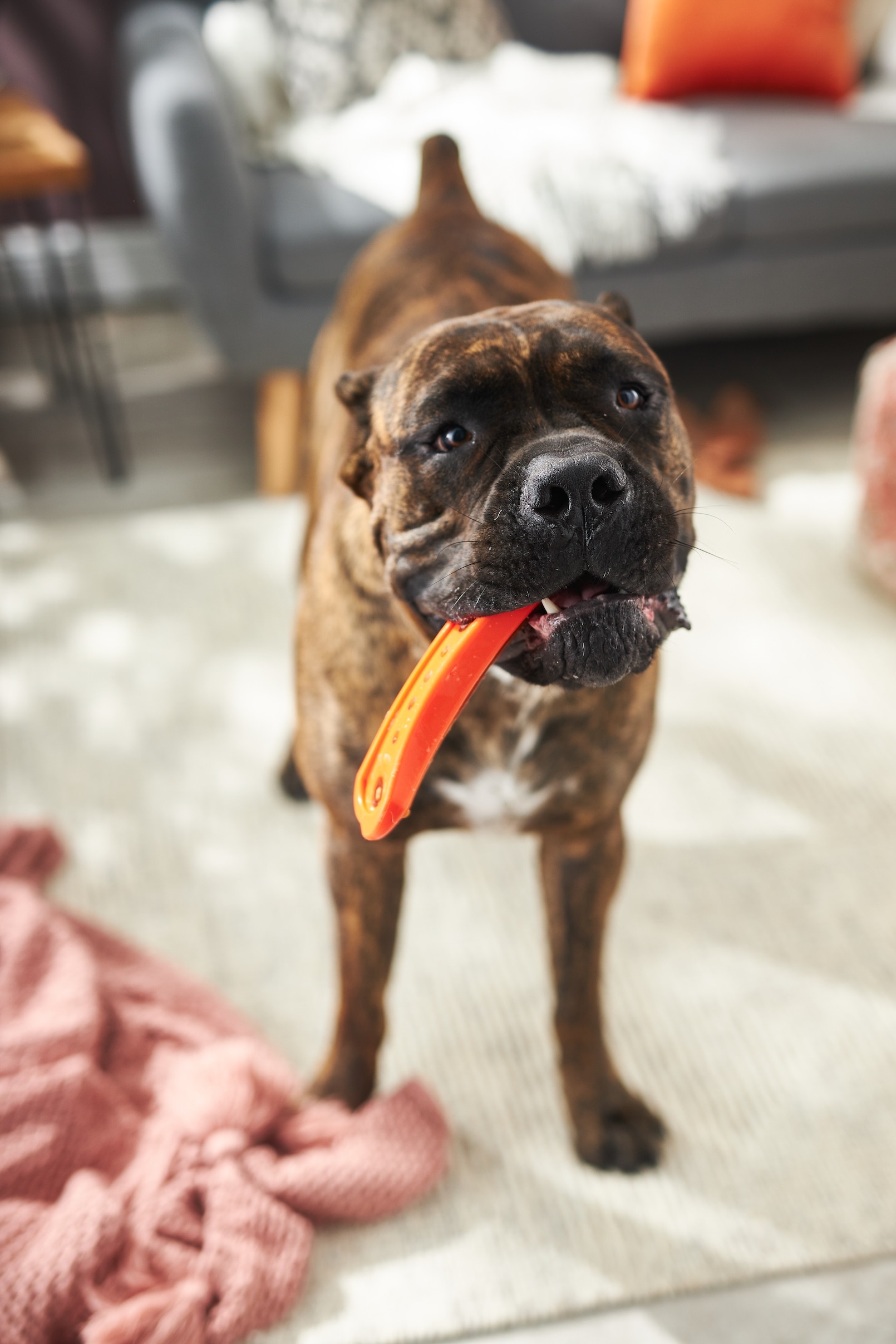
Photo by Chewy
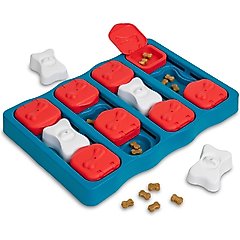
Rottweilers typically need at least one to two hours of exercise each day. They enjoy activities like brisk walks, obedience training, and interactive play that engages both their body and mind. Try playing tug with clear start-and-stop cues, fetching with structured recalls, and puzzle toys or food-dispensing games to keep them mentally engaged.
Recommended Products
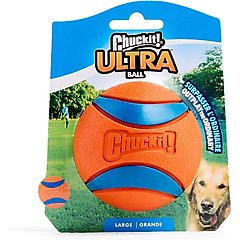
Cane Corso dogs generally require more intensive exercise and mental stimulation. Expect to provide at least two hours of daily activity, which may include long walks, structured training sessions, scent work, or advanced obedience exercises.
Without enough exercise, both breeds can become bored, so regular activity is key to keeping them happy and well-adjusted.
Grooming
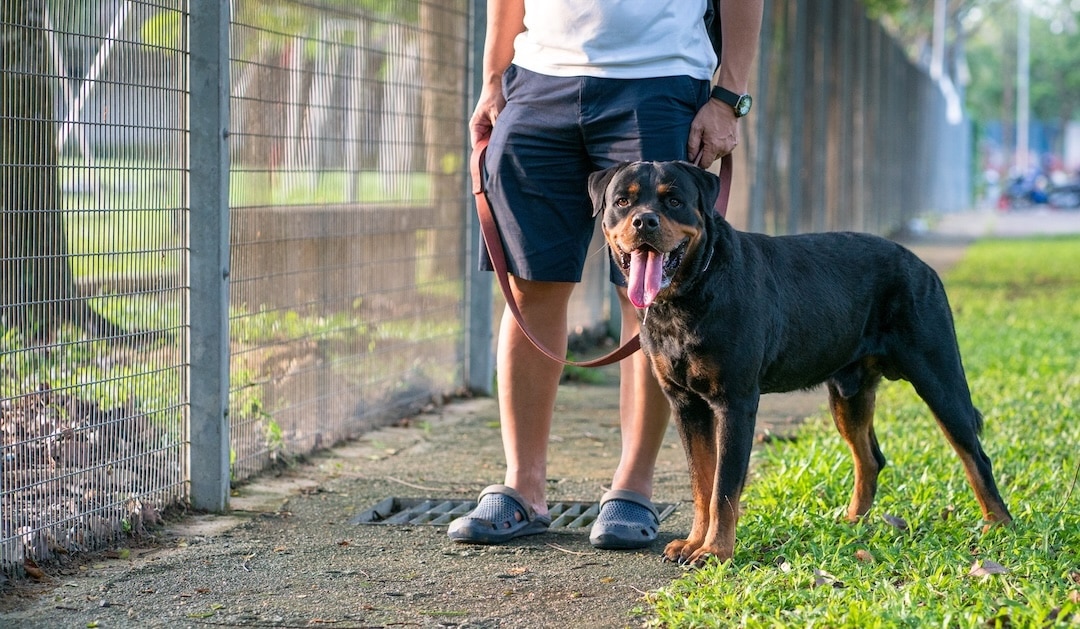
Photo by sinseeho/iStock
Both breeds have short coats that are relatively low maintenance, but they still shed and benefit from a consistent grooming routine.
Rottweilers have a straight, dense double coat that sheds moderately year-round, with heavier shedding in the spring and fall. During these seasonal sheds, you may notice increased hair around your home.
Weekly brushing with a rubber brush or bristle brush helps remove loose hair, distribute natural oils, and keep their coat looking its best. During heavier shedding periods, brushing a few times per week can make a noticeable difference.
Cane Corso dogs have a short, coarse coat with a lighter undercoat. They shed lightly to moderately throughout the year, with some seasonal increase. Weekly brushing is usually enough to keep their coat healthy, though more frequent brushing during shedding seasons can help manage loose hair.
Recommended Products
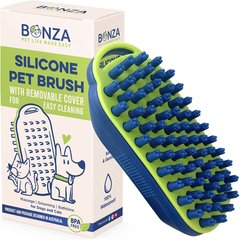
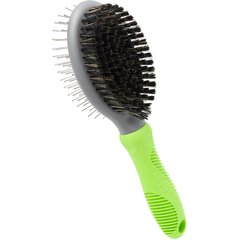
Both breeds only need occasional baths—typically every four to eight weeks or when they get dirty. Because their coats are short, it’s important to check their skin regularly for dryness or irritation.
Other routine care is just as important as coat maintenance. For both breeds, plan for:
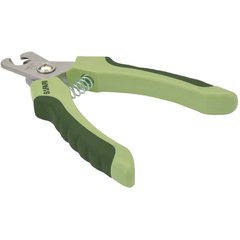
- Nail trims every three to four weeks
Recommended Product
- Weekly ear checks and cleaning to prevent infection
Recommended Product

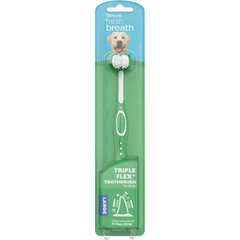
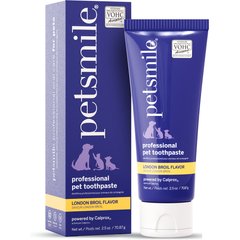
- Daily tooth brushing to support dental health
Recommended Products
Health
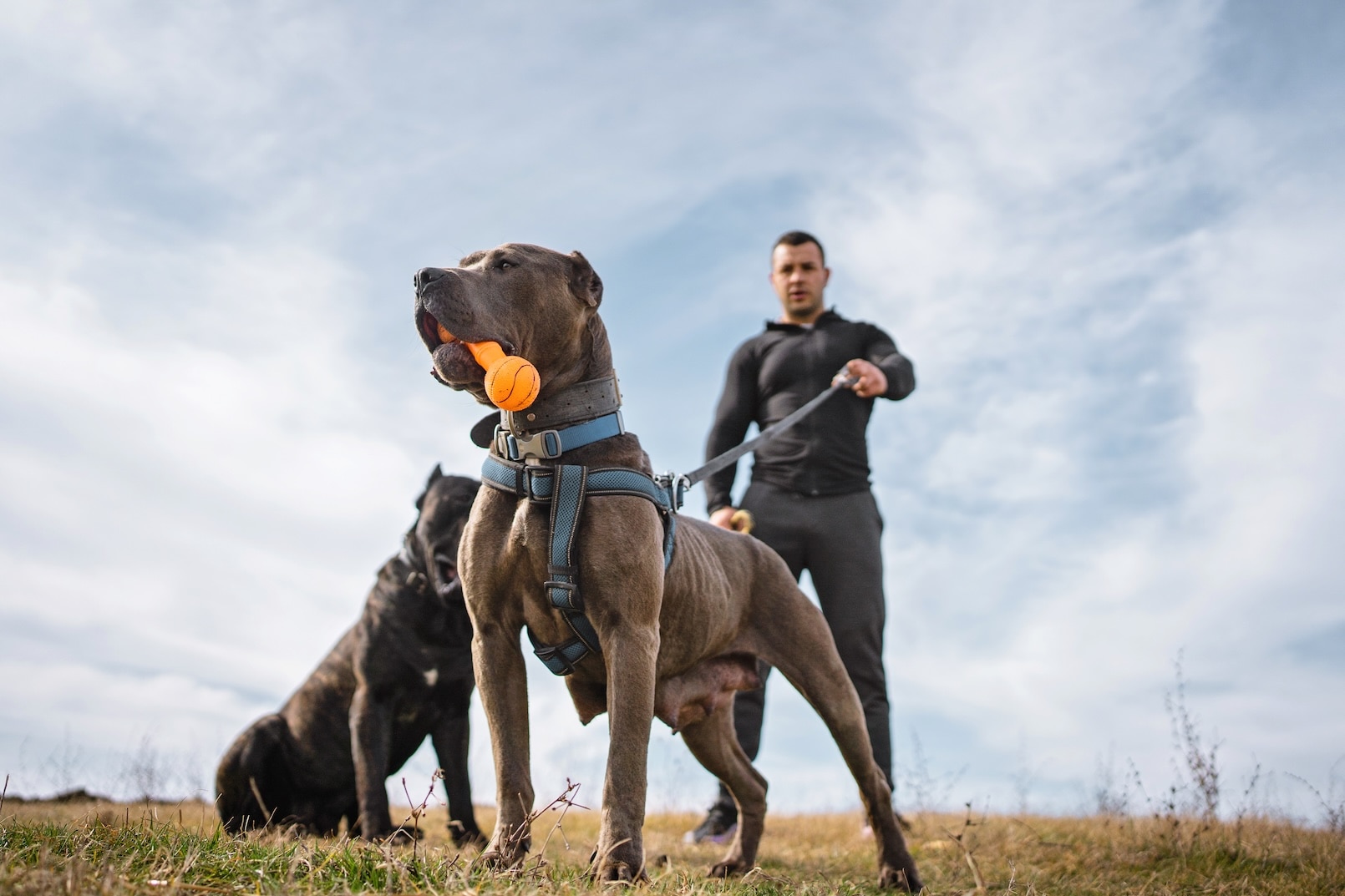
Photo by FluxFactory/E+
Rottweilers and Cani Corsi are generally robust breeds. But like many large dogs, they are prone to certain inherited and size-related conditions. Knowing about these can help you stay proactive about their care.
Rottweilers are commonly associated with conditions such as:
- Hip dysplasia and elbow dysplasia, which can both affect mobility over time
- Osteosarcoma, an aggressive bone cancer
- Subaortic stenosis, a heart condition
- Eye conditions like progressive retinal atrophy (PRA)
Cane Corso dogs share a risk for hip and elbow dysplasia, and may also experience:
- Cruciate ligament injuries and other orthopedic concerns
- Eye conditions like entropion (where the eyelid rolls inward) and ectropion (where the eyelid droops outward).
- Some Cane Corso dogs may also develop cherry eye.
Both breeds are also at risk for gastric dilatation-volvulus (GDV), a severe form of bloat in dogs. It’s a life-threatening emergency where the stomach fills with gas and twists.
Signs include a distended abdomen, restlessness, drooling, and attempts to vomit without producing anything. Immediate veterinary care is critical. Take your dog to the vet immediately if you see signs of bloat or GDV.
To support long-term health in either breed, pet parents should:
- Maintain a healthy weight to reduce stress on joints
- Provide appropriate, consistent exercise
- Schedule regular veterinary checkups
- Work with reputable breeders who screen for genetic conditions
With attentive care and early monitoring, many Rottweilers and Cane Corso dogs live active, fulfilling lives. Regular veterinary checkups, maintaining a healthy weight, and appropriate exercise can help support their long-term health.
Working with a reputable breeder who screens for health issues, along with staying on top of veterinary care, is key for both breeds.
Which Is the Breed for You?
| Breed | Size | Lifespan | Exercise Needs | Grooming Needs | Health Considerations |
|---|---|---|---|---|---|
| Rottweiler | 22–27 in; 80–135 lbs. | 9–10 years | Moderate to high (1–2 hours/day) | Low; moderate shedding | Hip/elbow dysplasia, osteosarcoma, heart conditions |
| Cane Corso | 23.5–27.5 in.; 88–110 lbs. | 9–12 years | High (2+ hours/day) | Low; light to moderate shedding | Hip/elbow dysplasia, bloat, eyelid issues |
Rottweilers and Cani Corsi share many similarities: Both are strong, intelligent working breeds who thrive with structure, training, and close bonds with their families. They’re best suited for pet parents who have the time and experience to meet their physical and mental needs.
No matter which you choose, early socialization, positive reinforcement training, and a commitment to daily exercise will help your gentle giant grow into a well-adjusted companion.
Attributions
This article was created with assistance from AI tools. The content has been reviewed for accuracy and edited by a veterinarian.