German Shepherd vs. Rottweiler



Photo by Bigandt_Photography/iStock
If you’re considering a large, intelligent dog who thrives with an active lifestyle, the German Shepherd and the Rottweiler are likely on your list. Both are known for their loyalty, trainability, and strong work ethic—but they differ in energy levels, temperament nuances, and care needs.
Understanding how these two smart breeds compare can help you decide which dog best fits your home life, experience level, and daily routine.
Key Takeaways
- German Shepherds and Rottweilers are intelligent, loyal dogs who need consistent training and engagement.
- German Shepherds typically have higher daily exercise needs and require more mental stimulation.
- Rottweilers tend to be more easygoing at home, while German Shepherds are often more active and alert.
- German Shepherds shed heavily year-round, while Rottweilers have moderate, seasonal shedding.
- Both breeds are prone to joint issues, bloat (GDV), and other health issues, making preventive care essential.
History
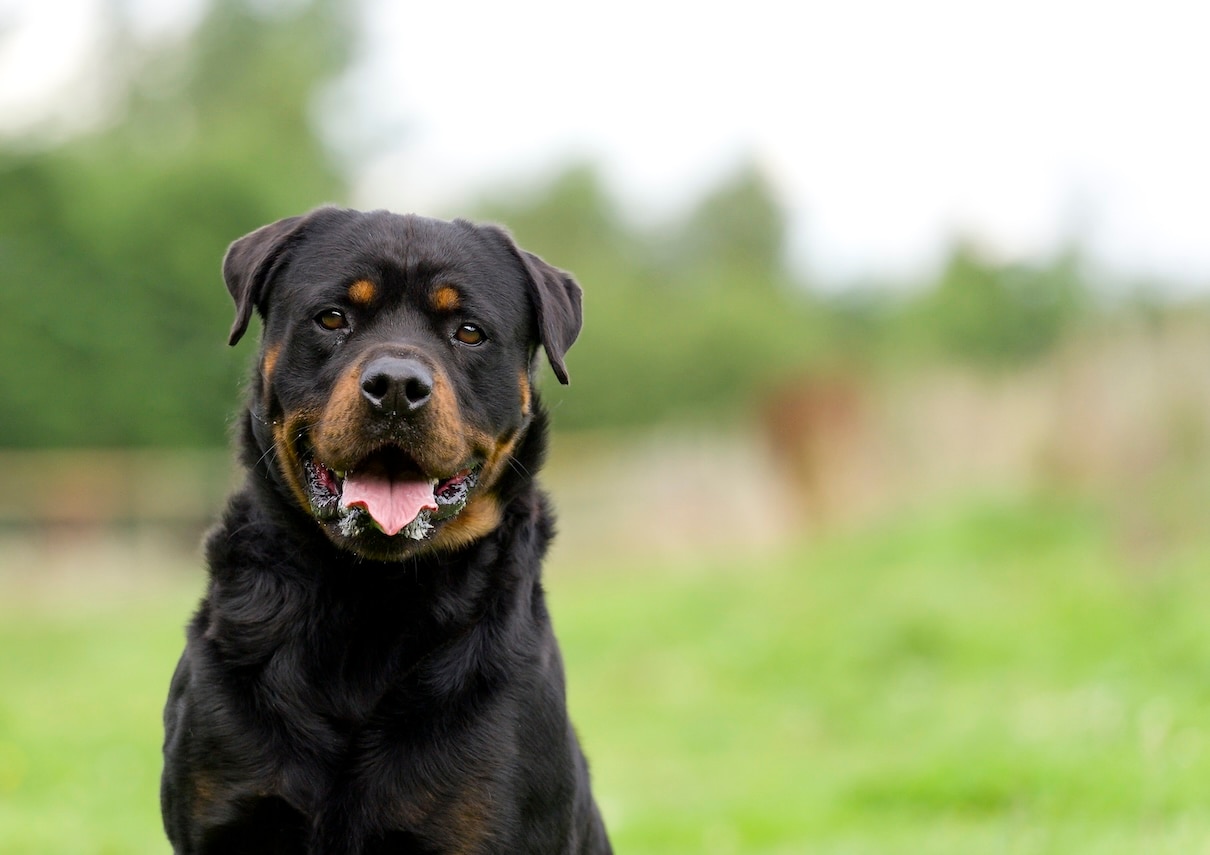
Photo by dageldog/E+ via Getty Images
The German Shepherd originated in Germany in the late 1800s. The breed was developed by Captain Max von Stephanitz to be the ideal working and herding dog. Known for their intelligence and versatility, German Shepherds became valued for roles in police work, search and rescue, and service work.
Rottweilers trace their history back to ancient Rome, where their ancestors worked as drover dogs, skilled at herding livestock and protecting supplies. As the Roman Empire expanded into Germany, these dogs became associated with the town of Rottweil, where the Roman dogs crossed with local herding dogs and worked alongside butchers and cattle handlers. Over generations, the Rottweiler became a distinct breed.
Appearance
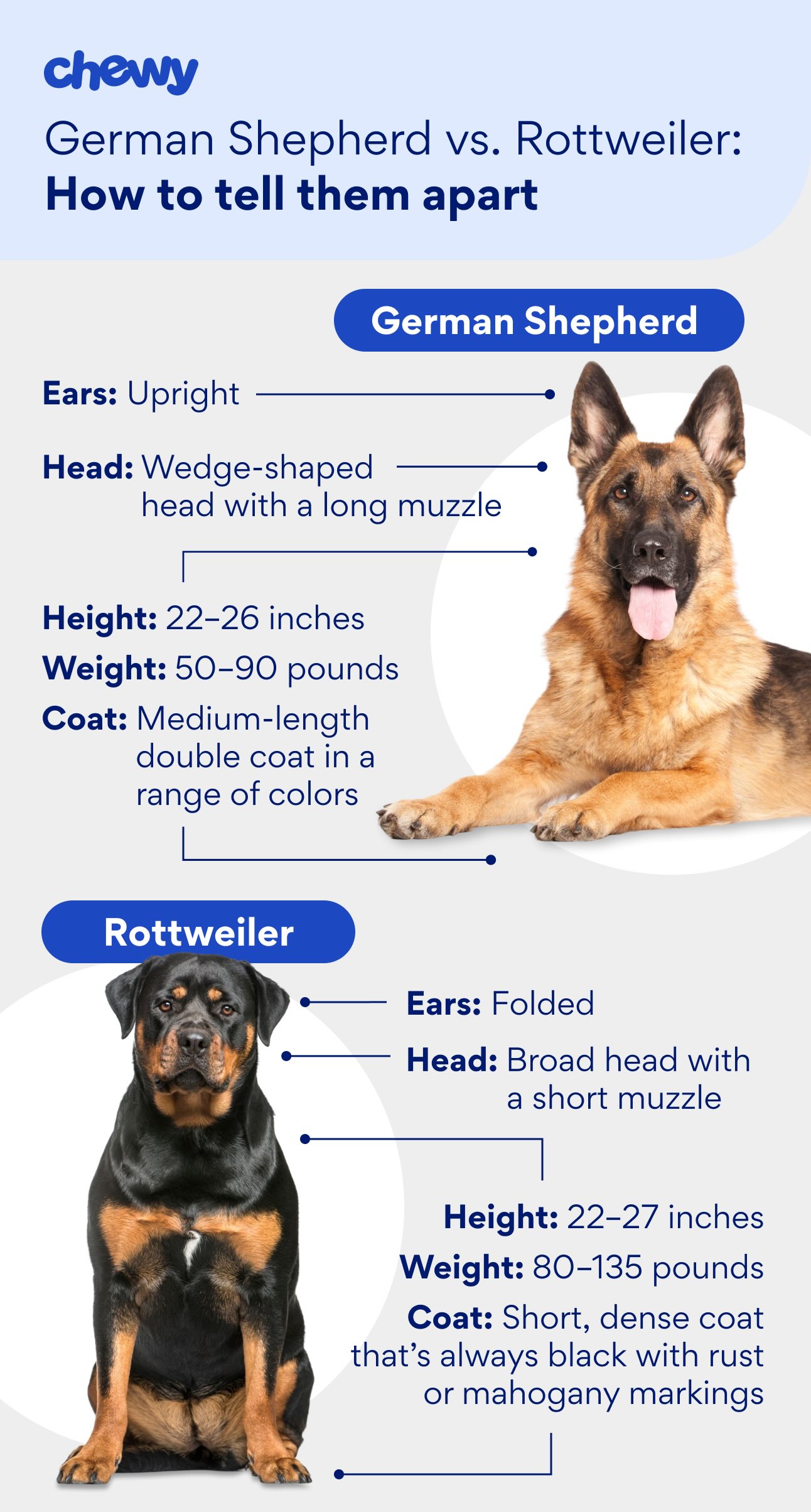
Photo by Chewy
Both breeds are strong and athletic, but their physical differences are easy to spot.
Size and Build
- German Shepherd: Typically 22–26 inches tall and 50–90 pounds, with a lean, athletic build.
- Rottweiler: Typically 22–27 inches tall and 80–135 pounds, with a broader, more muscular frame.
Coat
German Shepherds have a medium-length double coat that can be solid colors like black, liver (brown), or white, or bicolors including black and tan, black and red, and black and silver, among others.
Rottweilers have short, dense coats that are always black with rust, tan, or mahogany markings.
Head
German Shepherds are known for their wedge-shaped head, long muzzle, and upright ears, while the Rottweiler has a broad head, a shorter muzzle, and naturally folded ears.
Personality
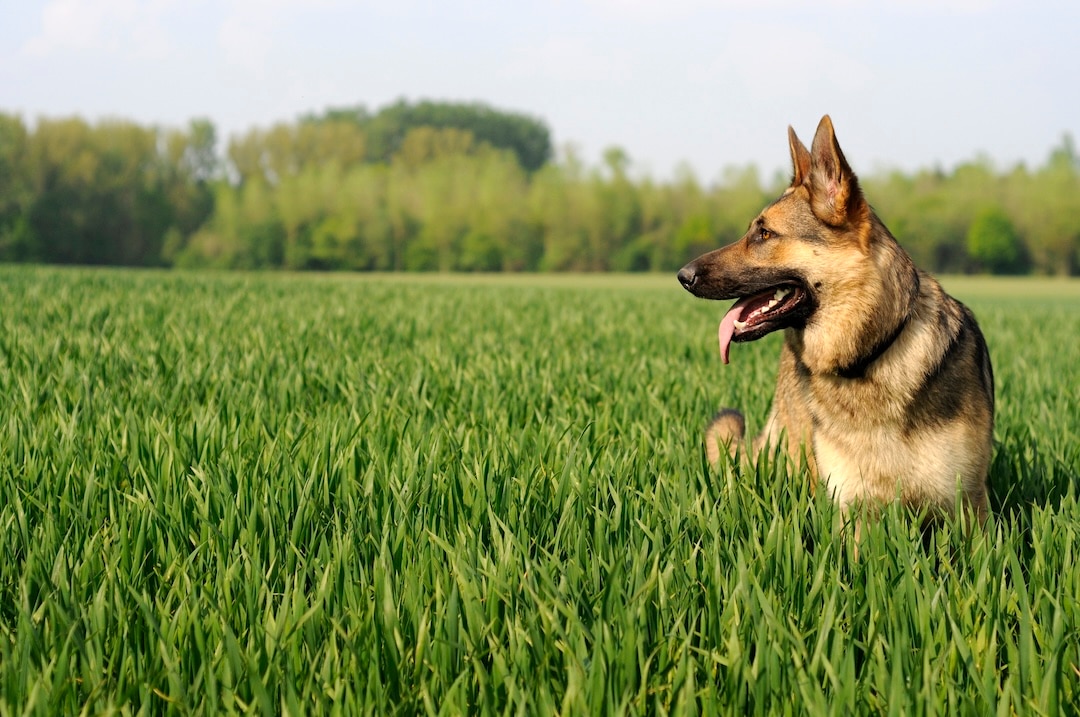
Photo by Fenne/E+ via Getty Images
Both breeds are devoted to their families, but their personalities differ in energy and intensity.
German Shepherds are highly intelligent, eager to learn, and thrive on having a job. They often seek out engagement, and can become restless without enough mental stimulation and exercise. They tend to form strong bonds with their pet parents and enjoy being involved in daily activities.
Rottweilers are also smart and loyal, but they are often steadier and more relaxed at home. While they enjoy (and need!) training, exercise, and daily activities, they may be more content to settle once their needs are met.
Both breeds benefit from early and consistent socialization, as well as lifelong positive reinforcement training, to be the best versions of themselves.
Exercise Needs
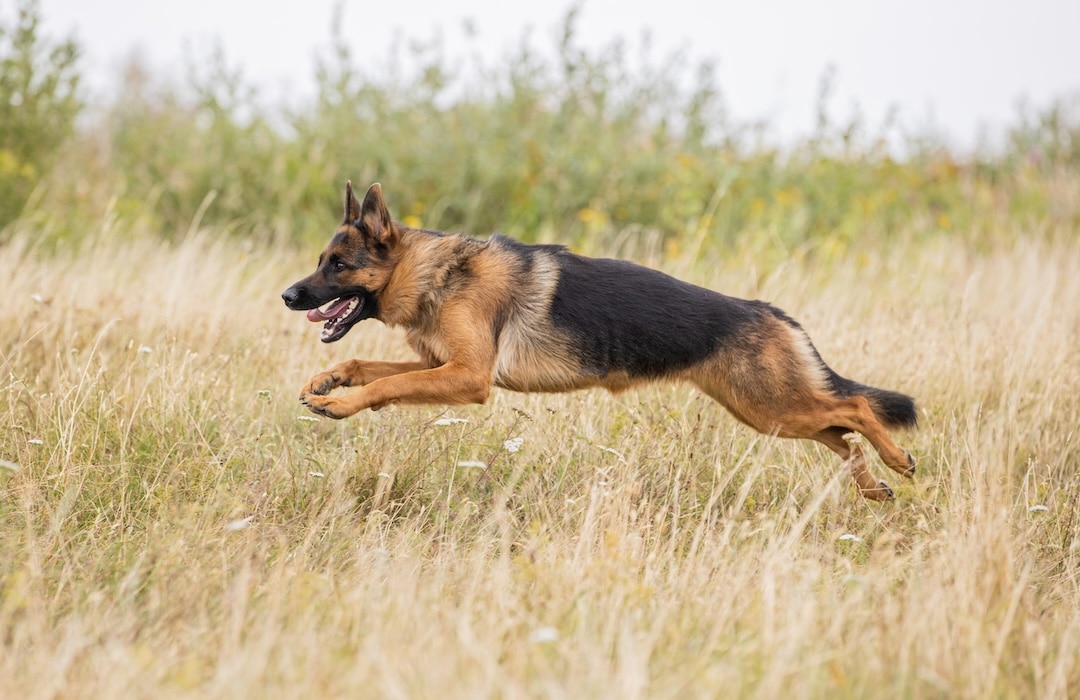
Photo by Bigandt_Photography/iStock
Both breeds need daily exercise, but German Shepherds usually require more total activity.
German Shepherds typically need 90–120 minutes of daily exercise. This should include brisk walks, runs, training sessions, interactive play, and mentally engaging activities like scent work or puzzle toys. Without enough stimulation, they may develop unwanted behaviors due to boredom.
Recommended Products
Rottweilers generally need 60–90 minutes of daily exercise. This can include walks, structured play, and obedience training. While still an active dog breed, Rotties are often slightly less demanding than German Shepherds in terms of exercise needs.
Both breeds benefit from structured routines and activities that challenge both body and mind.
Grooming
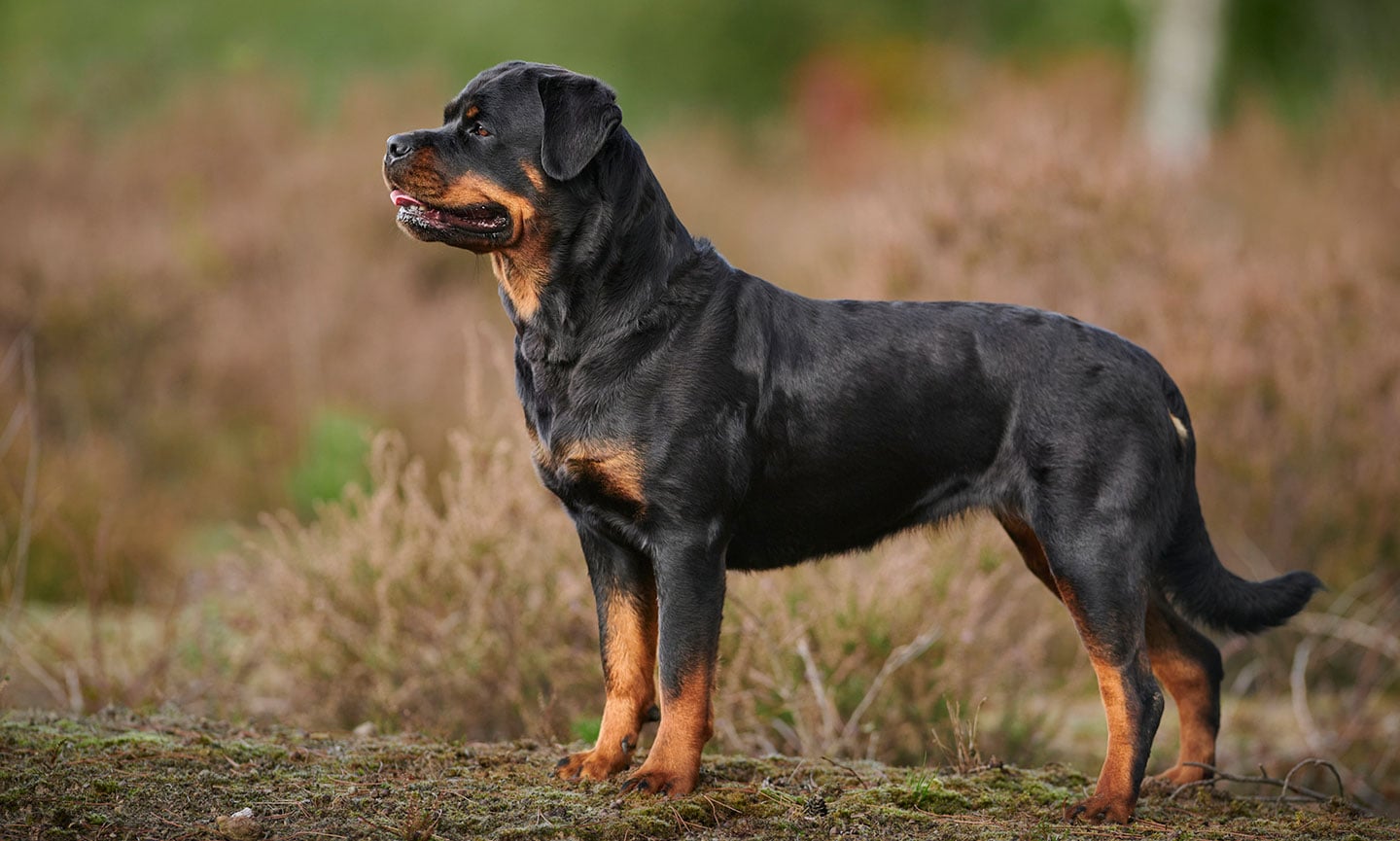
Photo by iStock.com/Kurt Pas
German Shepherds have a thick double coat that sheds heavily year-round, with noticeable increases during seasonal coat changes (spring and fall). Brushing your dog several times per week—and daily during shedding seasons—is recommended to manage loose hair. Use a pin brush for best results.
Recommended Product

Rottweilers have a shorter coat that sheds moderately. Like German Shepherds, Rotties experience heavier shedding in spring and fall. Weekly brushing with a slicker brush is typically enough to keep their coat healthy most of the year but expect to amp up your routine when seasons change.
Recommended Product

For both breeds, regular nail trims, ear cleaning, and dental care are essential parts of their routine.
Health
Both German Shepherds and Rottweilers are prone to certain inherited and large-breed health conditions, including:
- Hip dysplasia, where the hip joint doesn’t fit together properly. This can lead to arthritis and mobility issues. Treatment may include weight management, joint supplements, pain medication, or surgery in more severe cases.
- Elbow dysplasia, which happens when the elbow joint develops abnormally, causing lameness and discomfort. Management often includes anti-inflammatory medications, physical therapy, or surgery, depending on severity.
- Bloat and gastric dilatation-volvulus (GDV), which occurs when the stomach fills with gas and twists. This is a medical emergency, so take your dog to the vet immediately if they show signs of bloat or GDV (retching without producing vomit, excessive drooling, pacing, and a distended stomach). Talk to your vet about preventive measures.
Other conditions to monitor in German Shepherds include:
- Degenerative myelopathy, a progressive neurologic disease that affects the spinal cord and leads to weakness in the hind legs over time. There is no cure, but supportive care and physical therapy can help maintain mobility and quality of life.
- Exocrine pancreatic insufficiency (EPI), a digestive disorder where the pancreas doesn’t produce enough digestive enzymes, leading to weight loss, diarrhea, and poor nutrient absorption. It’s typically managed with lifelong enzyme supplementation and a carefully balanced diet.
Specific health issues to watch out for in Rottweilers include:
- Dilated cardiomyopathy (DCM), subaortic stenosis, and other heart conditions that can lead to heart failure.
- Cranial cruciate ligament tears, which occur when a key stabilizing ligament in the knee is injured, often requiring surgical repair followed by rehabilitation.
- Like German Shepherds, Rottweilers can also develop hip and elbow dysplasia, degenerative myelopathy, and GDV.
This is not a complete list of all the health problems that can affect these two breeds. To support long-term health, pet parents of either breed should schedule routine veterinary visits, help their pup maintain a healthy weight, and provide good nutrition and appropriate exercise.
Which Is the Breed for You?
| Breed | Size | Lifespan | Exercise Needs | Grooming Needs | Health Considerations |
|---|---|---|---|---|---|
| German Shepherd | 22–26 in.; 50–90 lbs. | 7–10 years | 90–120 min/day | Heavy shedding; frequent brushing | Higher than average |
| Rottweiler | 22–27 in.; 80–135 lbs. | 9–10 years | 60–90 min/day | Moderate shedding; weekly brushing | Higher than average |
Both breeds are loyal, intelligent, and thrive with dedicated, engaged pet parents—but their differences can shape your daily experience.
A German Shepherd may be the better fit if you want a highly active dog who excels in training, enjoys constant engagement, and thrives with mentally stimulating tasks.
A Rottweiler may be a great choice if you prefer a confident, steady companion who still enjoys activity—but may be slightly more relaxed once their exercise needs are met.
No matter which breed you choose, both dogs do best in homes where they receive consistent training, daily exercise, and plenty of time with their people.
Attributions
This article was created with assistance from AI tools. The content has been reviewed for accuracy and edited by a veterinarian.