Cane Corso vs. Dogo Argentino



Photo by Eudyptula/iStock
If you’re drawn to large, athletic dogs with strong working backgrounds, the Cane Corso and the Dogo Argentino may both top your list. But the breeds’ histories, personalities, and care needs differ in important ways.
Understanding what sets them apart from one another can help you decide which of these show-stopping dogs is the better fit for your lifestyle.
Key Takeaways
- The Cane Corso and Dogo Argentino are both large, muscular working dogs with high exercise needs and a desire to stay active with their families.
- Cani Corsi originated in Italy as versatile farm and guardian dogs, while Dogo Argentinos were developed in Argentina for big game hunting.
- Both breeds require consistent training using positive reinforcement and early socialization to help them thrive.
- Cani Corsi have short coats that shed moderately, while Dogo Argentinos also have short coats that shed lightly to moderately year-round.
- Each breed can be prone to health conditions, so regular veterinary care and responsible breeding are important.
History
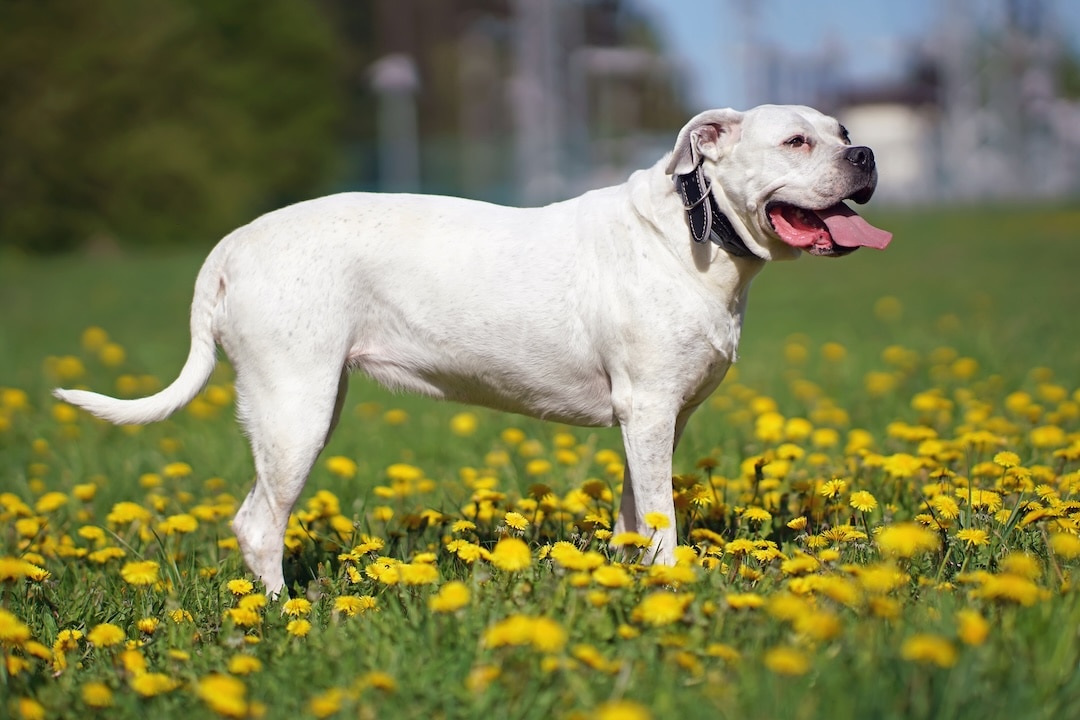
Photo by Eudyptula/iStock
Cani Corsi (the plural of Cane Corso) trace their roots to ancient Roman dogs used in military operations and later adapted for farm work in Italy.
Over time, they became versatile companions who helped with guarding property, herding livestock, and hunting large game. The breed nearly disappeared after World War II but was revived by dedicated enthusiasts in the 1970s.
As the name suggests, the Dogo Argentino was developed in Argentina in the 1920s.
Many different breeds, including the Great Dane, Pointer, Boxer, and Bullmastiff, were bred to create an athletic hunting dog capable of pursuing big game such as wild boar. But today, Dogos are more likely found as companion pets than hunting in the field.
Appearance
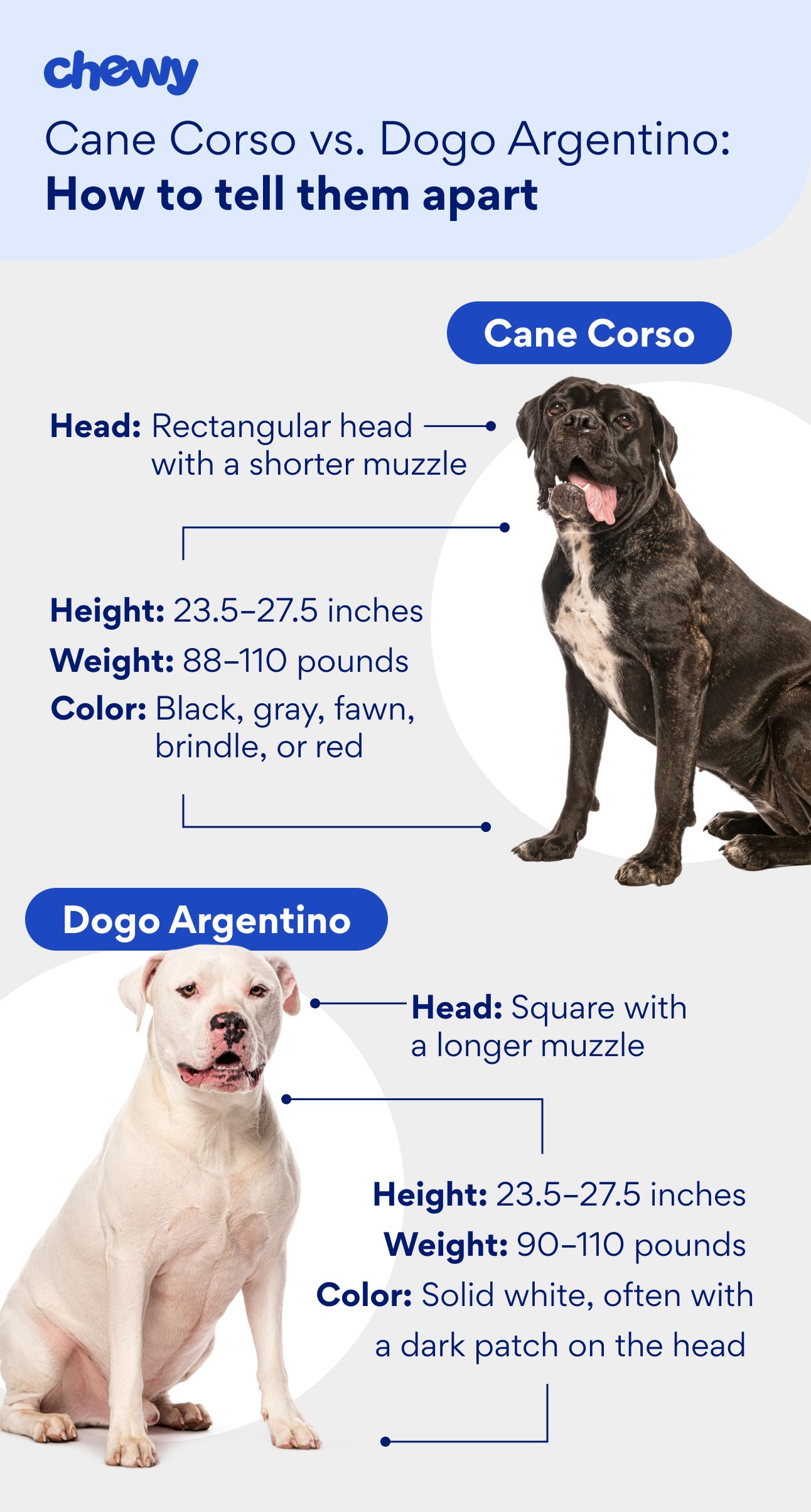
Photo by Chewy
Both breeds are large and muscular, but their overall looks are quite different.
Size and Build
- Cani Corsi typically stand 23.5–27.5 inches tall and weigh 88–110 pounds. They have a broad chest, strong bone structure, and a slightly rectangular body.
- Dogo Argentinos are usually 24–26.5 inches tall and weigh 80–100 pounds. They are athletic and leaner in appearance, built for endurance and speed.
Coat and Color
- Cani Corsi have short, dense coats that come in black, gray, fawn, and red. What’s more, beautiful brindle patterns can appear on several of these colors.
- Dogo Argentinos sport smooth, short coats that are almost always solid white. A small dark patch on the head is sometimes present.
Head, Ears, and Expression
- Cani Corsi have large heads and loose lips, giving them a serious, watchful expression. Their medium ears drop forward close to the cheeks. Some Corsi have cropped ears that stand upright, but cropping is a practice many veterinary organizations oppose.
- Dogo Argentinos have fewer wrinkles on their face and a more streamlined appearance compared with the Cane Corso. Their ears are set high and drop forward, though, like Cani Corsi, some have cropped ears that are short and erect.
Personality
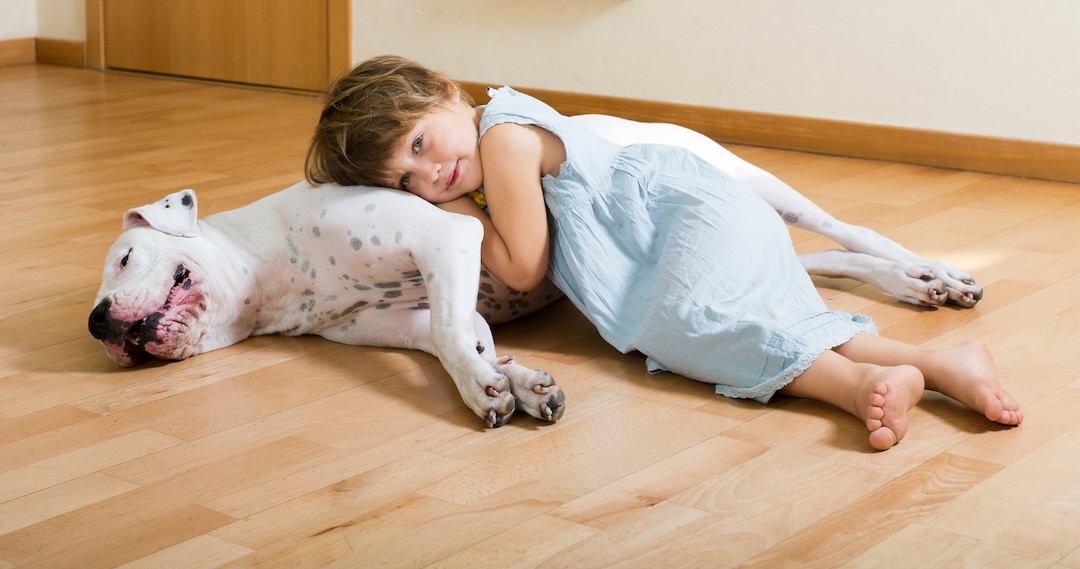
Photo by JackF/iStock
Both breeds are deeply devoted to their families, and their differing temperaments reflect their original roles.
The Cane Corso is known for loyalty, confidence, and for being highly attuned to their people. They often form strong bonds and enjoy being involved in their family’s daily activities. Because they were bred to work closely with humans, they tend to be responsive to training when guided with patience and consistency.
The Dogo Argentino is also energetic, determined, and social with their family. Bred to work in groups, they have a strong drive to stay active. Dogos thrive on structured outlets for their energy, like long hikes, running, scent work, and regular training sessions.
Both breeds benefit from early socialization and ongoing training using positive reinforcement. This helps them learn how to navigate new situations and environments with confidence and good manners.
Exercise Needs
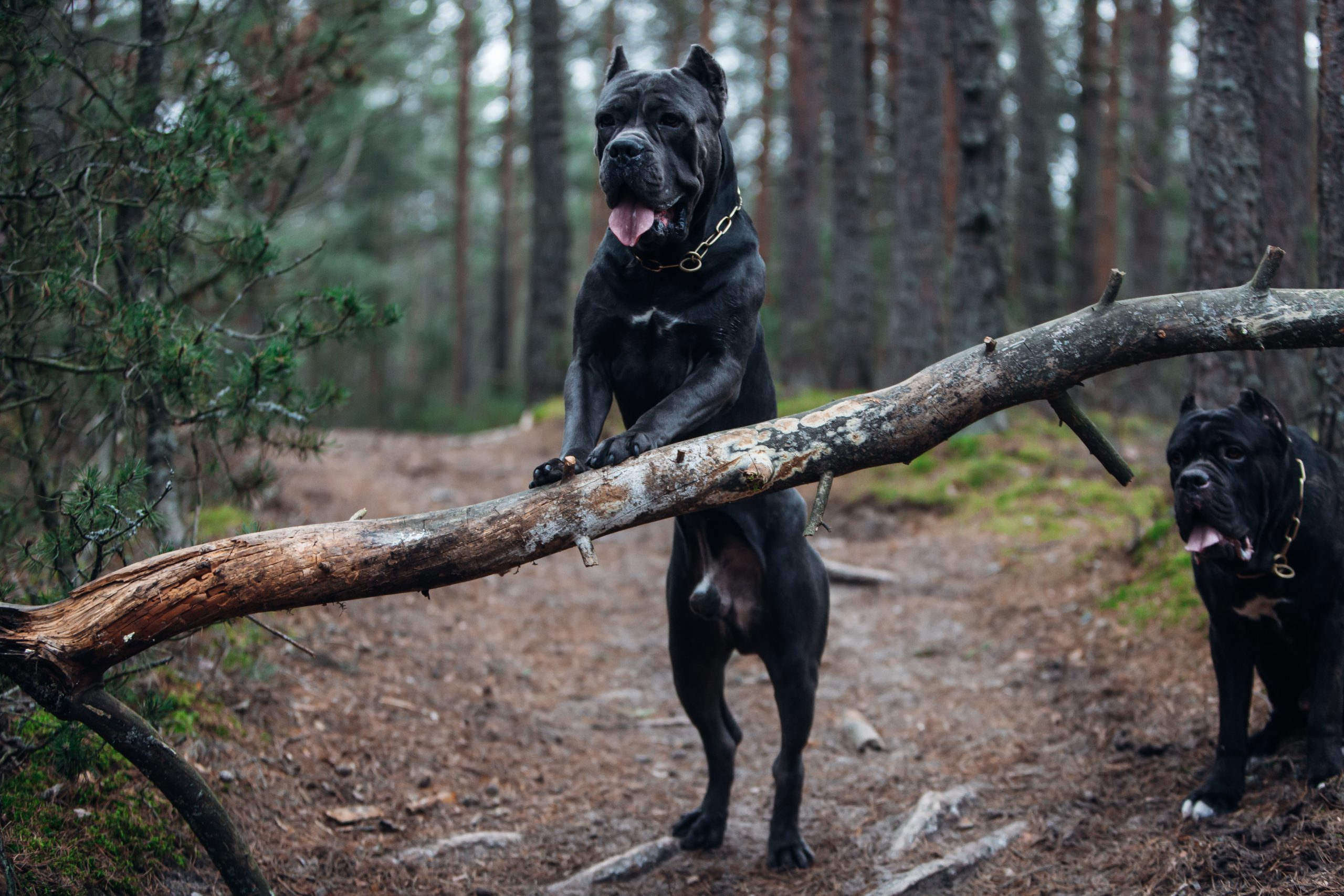
Photo by iStock/Anton Minin
These are not low-energy dogs—downtime isn’t really their thing. Both need daily physical exercise and mental stimulation to stay healthy and happy.
A Cane Corso requires at least 60 minutes of exercise per day. Activities like brisk walks, training sessions, and interactive play help keep them engaged. Dogo Argentinos need a tad more—about 60 to 90 minutes daily. They relish activities like hiking, running, and structured play that taps into their impressive endurance.
Without enough activity, both breeds may become bored, which can lead to unwanted behaviors.
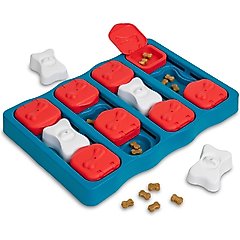
Puzzle toys, training games, and a consistent routine can help meet their mental needs.
Recommended Products
Grooming
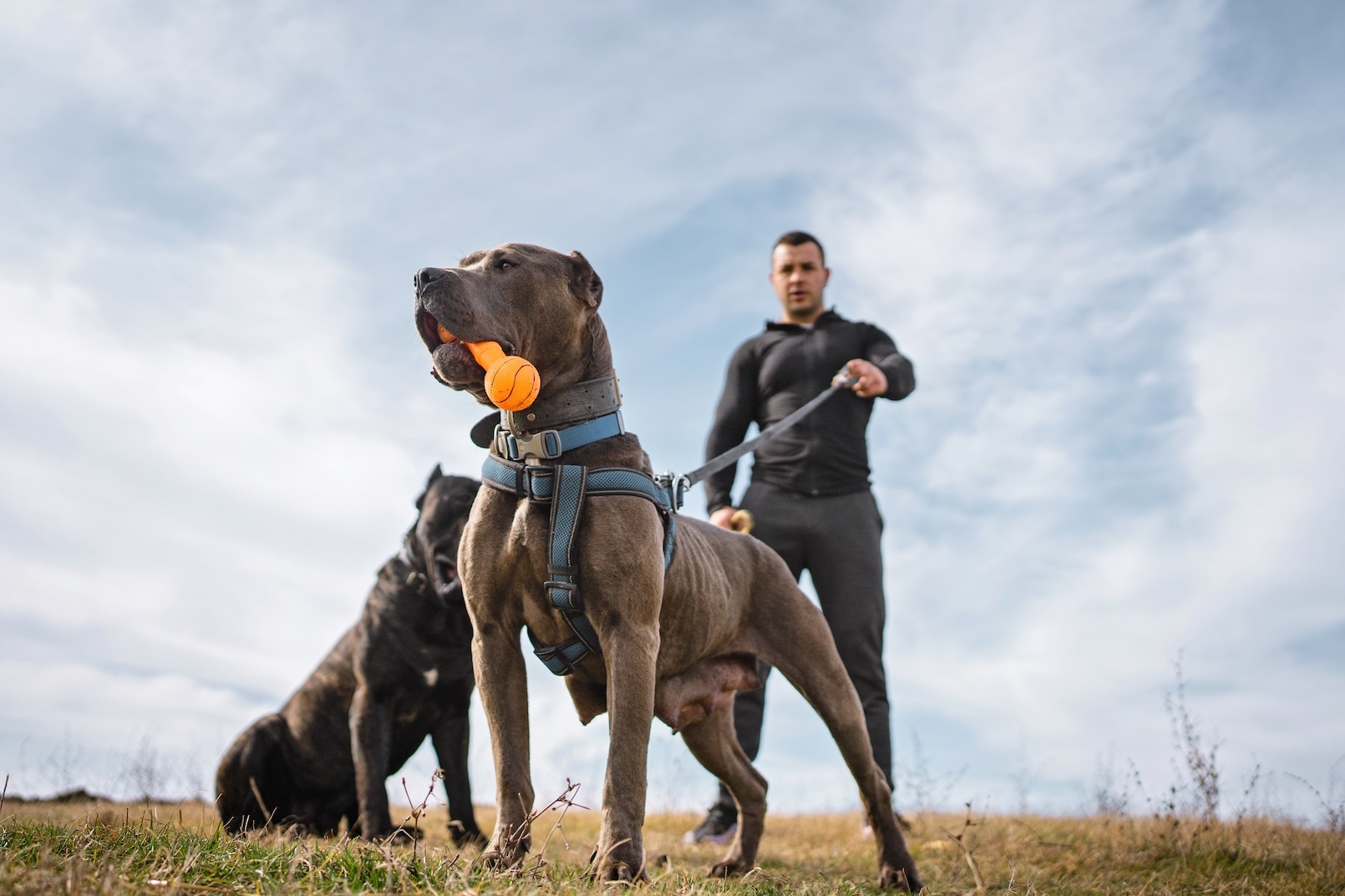
Photo by FluxFactory/E+
Both breeds have relatively low-maintenance coats, but they still require regular care.
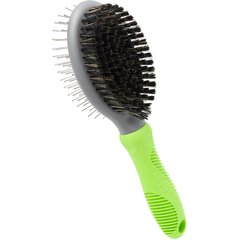
Cani Corsi shed moderately year-round, and weekly brushing helps remove loose hair and keep their coat healthy. They also benefit from an occasional wipe-down with a pet-safe wipe to keep their skin healthy.
Dogo Argentinos shed a little less: lightly to moderately. Weekly brushing is enough for this breed, too, though bumping it up during seasonal shedding can help manage loose hair (and keep your home tidier).
Recommended Products

Both breeds typically only need a bath every month or so, and neither is known for a strong natural odor. (However, more frequent baths may be needed if they spend a lot of time outdoors!)
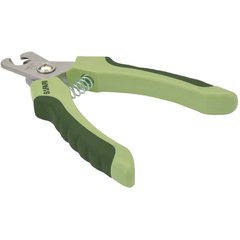
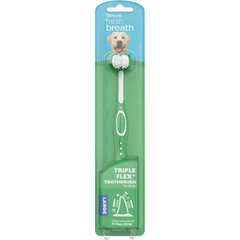
Regular ear cleaning, nail trims, and dental care should also be part of their routine. Staying consistent with these basics can help prevent ear infections, gum disease, and discomfort from overgrown nails.
Recommended Products


Health
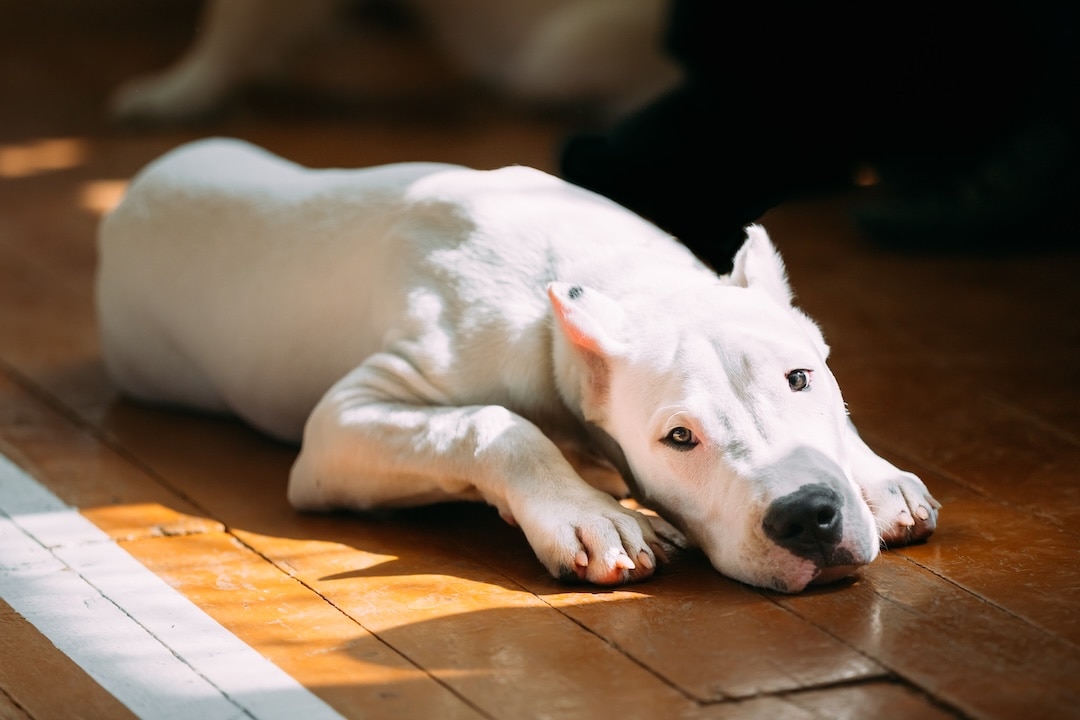
Photo by bruev/iStock
Cani Corsi are generally healthy, as most breeders screen for common health conditions. However, it’s good to be aware of these potential health issues:
- Obesity puts strain on joints and organs—especially in large breeds. Keep your Cane Corso lean with daily exercise and an AAFCO-compliant diet.
- Hip and elbow dysplasia affect the hips (rear legs) or elbows (front legs), leading to pain, limping, and reduced mobility over time. Management may include weight control, joint supplements, medications, physical therapy, or surgery.
- Idiopathic epilepsy is a seizure disorder with no known cause, often appearing around age 3 in Cani Corsi. While not curable, it’s typically manageable with medication.
- Demodectic mange is a noncontagious skin condition caused by mites, and is more common in puppies or dogs with weakened immune systems. Signs include hair loss, redness, and scaly skin. Mild cases may resolve on their own; more severe cases require medication.
- Entropion (inward-rolling eyelids), ectropion (droopy lids), and cherry eye can cause irritation and infection, and may require surgical correction.
- Bloat in dogs can develop into a life-threatening condition called gastric dilatation-volvulus (GDV), where the stomach fills with gas and twists. Signs include a swollen abdomen, retching without vomiting, and discomfort. Immediate emergency care is critical.
Likewise, the Dogo Argentino can develop a few health conditions that are important to keep on your radar. These may include:
- Congenital deafness can affect one or both ears. Some studies suggest that up to 25% of Dogos may be impacted—especially those with all-white coats or blue eyes. Most deaf dogs adapt well and can live happy, full lives.
- Hip dysplasia is a genetic joint condition where the hip joint doesn’t fit properly, leading to pain and arthritis over time. Management may include weight control, joint supplements, medications, physical therapy, or surgery in severe cases.
- Hypothyroidism is a hormone imbalance that can cause lethargy, weight gain, hair loss, and recurring skin or ear issues. It’s diagnosed with a blood test and typically managed with daily medication.
- Skin issues and allergies: Dogos’ short white coat makes them more prone to sun sensitivity and skin irritation. Allergies—whether food or environmental—can also lead to itching, redness, or rashes. Persistent skin issues should be evaluated by a veterinarian.
For both breeds, staying up to date on preventive care, feeding a balanced diet, and monitoring for changes in behavior or health can help support long-term well-being.
Which Is the Breed for You?
| Breed | Size | Lifespan | Exercise Needs | Grooming Needs | Health Considerations |
|---|---|---|---|---|---|
| Cane Corso | 23.5–27.5 in.; 90–110 lbs. | 9–12 years | 60 minutes/day | Low to moderate shedding; weekly brushing | Hip dysplasia, elbow dysplasia, eye conditions, heart disease |
| Dogo Argentino | 24–26.5 in.; 80–100 lbs. | 9–15 years | 60–90 minutes/day | Low to moderate shedding; weekly brushing | Hip dysplasia, deafness, skin sensitivities |
Both the Cane Corso and Dogo Argentino are best suited for experienced pet parents who can provide structure, training, and plenty of exercise.
The Cane Corso may be a better fit if you’re looking for a dog who is deeply focused on their family and enjoys learning and working alongside you in structured activities, whereas the Dogo Argentino may be ideal if you want an energetic companion who thrives on endurance activities and enjoys an active, outdoorsy lifestyle.
No matter which breed you choose, consistent training, socialization, and daily engagement will help your dog grow into a well-adjusted and happy companion.
Attributions
This article was created with assistance from AI tools. The content has been reviewed for accuracy and edited by a veterinarian.