Anaplasmosis in Dogs: Signs, Treatment, and Prevention


Photo by Chewy
Ticks don’t just bite—they can also pass along harmful bacteria that make dogs sick.
Anaplasmosis in dogs is a bacterial infection transmitted by black-legged ticks and brown dog ticks, so staying on top of tick prevention and catching symptoms early can go a long way in keeping your dog healthy.
If your dog shows signs of illness after a tick bite—such as fever, lethargy, joint pain, limping, or loss of appetite—contact your veterinarian for guidance and testing.
Key Takeaways
- Anaplasmosis in dogs is a tick-borne bacterial infection most commonly transmitted by black-legged ticks.
- Common symptoms include fever, lethargy, joint pain, limping, and loss of appetite.
- Anaplasmosis in dogs is typically treated with antibiotics, most often doxycycline, and many dogs improve within 24–48 hours of starting treatment.
- Tick prevention is the best way to protect your dog, including year-round flea and tick protection and routine tick checks.
What Is Anaplasmosis in Dogs?
Anaplasmosis is an infection caused by bacteria. It’s spread mainly by black-legged ticks (deer ticks) and the western blacklegged tick and are most common in the Northeast, Upper Midwest, and along the West Coast.
Anaplasmosis Symptoms in Dogs
Some dogs with anaplasmosis don’t show any signs at all, while others may experience vague illness symptoms, such as:
Less commonly, dogs may develop more serious symptoms, such as seizures, unusual bleeding, or bruising.
Causes of Anaplasmosis in Dogs
Infected ticks are the only cause of anaplasmosis in dogs. To transmit the bacteria, ticks must attach and feed for 24–48 hours. Most dogs start showing symptoms about one to two weeks after being bitten by an infected tick.
While any dog can get anaplasmosis, active dogs who spend time outdoors, especially in wooded or grassy areas, are at higher risk. Dogs who aren’t on year-round flea and tick prevention are also more likely to become infected.
How Veterinarians Diagnose Anaplasmosis in Dogs
Because anaplasmosis symptoms can look like a lot of other illnesses, your veterinarian will rely on lab testing to make a diagnosis. These tests include:
- Physical exam
- Blood work to assess overall health and to look for cellular changes
- In-house blood test to detect exposure to tick-borne diseases
If your pet’s blood sample is positive for Anaplasma antibodies, it means they’ve been exposed to the bacteria. To confirm the infection, your vet may recommend additional testing, such as:
- Urinalysis
- Polymerase chain reaction (PCR) testing
Anaplasmosis in Dogs Treatment
Anaplasmosis in dogs can sound scary, but the good news is that treatment is usually straightforward and very effective. Treatment may include:
- Antibiotics (typically)
- Pain medications, if necessary
- Fluid therapy, if necessary
- Steroids, in severe cases
Antibiotics for anaplasmosis in dogs are typically given for at least one month. In some cases, dogs may have more than one tick-borne disease at the same time, which can mean a longer course of antibiotics than the standard four-week treatment.
Fortunately, anaplasmosis usually responds well to doxycycline. Many dogs start to feel better within 24–48 hours, though some may take up to one week to show improvement.
How Can I Help My Dog Feel More Comfortable?
Dogs with anaplasmosis may feel achy, stiff, tired, and feverish. Providing thoughtful at-home care during their recovery can help them rest and heal. Here’s how:
- Make rest more comfortable. A soft, supportive orthopedic bed can promote better rest by evenly supporting the joints and body. Choose one that’s the right size and easy for your dog to step in and out of.
Recommended Products


- Make mealtime easier. Elevated bowls make eating more comfortable by reducing the need to bend down and put extra weight on sore joints.
Recommended Product

- Make medication time less stressful. If your dog isn’t a fan of taking pills, try hiding doxycycline in a tasty, moldable treat made for wrapping medication. Rotating flavors can help keep things interesting.
Recommended Products


How To Prevent Anaplasmosis in Dogs
Preventing anaplasmosis starts with keeping ticks from biting and feeding on your dog. Here are some simple ways to protect your dog:
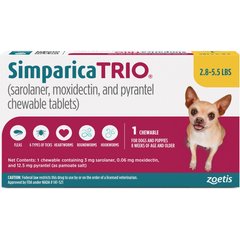
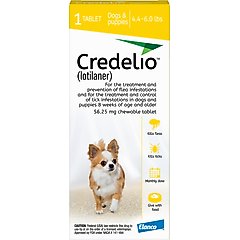
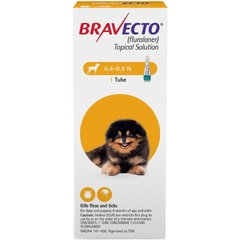
- Use year-round flea and tick protection. Your veterinarian can recommend the best option for your dog, such as Simparica Trio, Credelio, or Bravecto.
Recommended Products
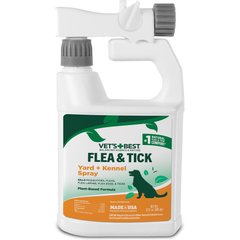
- Add extra protection when needed. You can also help deter ticks with topical coat sprays, pet-friendly yard treatments, and pet accessories.
Recommended Products


- Check your dog after outdoor time. Always check your dog for ticks after they’ve been in wooded or grassy areas.
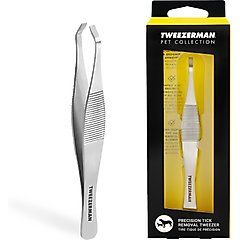
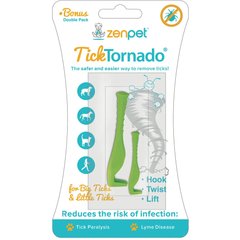
- Remove ticks quickly and safely. If you find a tick on your dog, removing it right away can help lower their risk of infection. Tick removal tools, such as Tweezerman tweezers and ZenPet’s Tick Tornado, make detaching ticks easy for you and your dog while also protecting you from direct contact.
Recommended Products
- Monitor bites and follow up if needed. After removing a tick, keep an eye on the bite for several days and contact your veterinarian if you notice persistent swelling or irritation.
FAQs About Anaplasmosis in Dogs
How serious is anaplasmosis in dogs?
Anaplasmosis infection can make some dogs very sick, while others experience no clinical signs. Treated dogs generally make a full recovery, although reinfection can happen.
What are the long-term effects of anaplasmosis in dogs?
Dogs who receive veterinary care and complete the full course of treatment usually do not experience any long-term effects.
Is anaplasmosis in dogs contagious to humans?
No. People can’t catch anaplasmosis directly from dogs. It only spreads through the bite of an infected tick.
Can dogs get anaplasmosis more than once?
Yes. Dogs can get anaplasmosis more than once. Review your dog’s tick prevention plan with your veterinarian after they’re first diagnosed.
Is anaplasmosis curable in dogs?
Dogs who receive the recommended antibiotic therapy generally make a full recovery. However, they may continue to test positive for anaplasmosis.
Attributions