How Much Benadryl Can I Give My Dog? Is It Safe?



Photo by Ksenia Raykova/iStock
This content was reviewed by a veterinary professional to answer your most common questions about this topic. This content shouldn’t take the place of advice by your vet. No writer or qualified reviewer has received any compensation from the manufacturer of any medication as part of creating this article.
Benadryl is a go-to, over-the-counter antihistamine for many pet parents when we’re suffering from pesky seasonal allergies, but did you know you can give your dog this human medication too?
Learn the ins and outs of Benadryl for dogs, including when it’s appropriate to give a dog Benadryl, how it can help your pet, how much you can safely give your pup, and more.
Consult your veterinarian before giving your pet Benadryl or any other medication. Your vet can assist with appropriate dosage amounts and provide guidance on managing your dog’s symptoms.
Key Takeaways
- Benadryl (diphenhydramine) can sometimes help dogs with mild allergies, though it’s only helpful in about 7% of cases.
- Always consult a vet for dosage and safety, especially if your dog has preexisting conditions.
- Benadryl may cause drowsiness or hyperactivity, depending on the dog.
- Use only plain Benadryl with no added ingredients or extended-release formulas unless directed by your vet.
- Human medications can be dangerous for pets without proper guidance.
Is Benadryl Safe for Dogs? Can I Give My Dog Benadryl?
Yes, Benadryl is generally safe for dogs—with a vet’s approval and when given in appropriate dosages.
However, there are certain dogs who should not be given Benadryl, including pregnant dogs and dogs with the following conditions:
What Does Benadryl Treat in Dogs?
Benadryl has a number of uses for dogs. The three most associated with Benadryl include:
- Allergies: Even though Benadryl is typically only effective in 7% of dog allergy cases, your vet may recommend Benadryl to help ease allergy symptoms in case it may help your dog with very minor symptoms, prior to prescription medications and other treatment options.
- Motion sickness: Veterinarians may also recommend Benadryl to reduce nausea and vomiting associated with motion sickness.
- Anxiety: As for anxiety, including travel anxiety and anxiety due to fireworks or thunderstorms, Benadryl isn’t as effective—so it’s best to talk with your vet, who can recommend the best treatment. In the case of anxiety, prescription and over-the-counter medication usually isn’t the first-line treatment. Always consult your vet before treating your dog for anxiety or other conditions.
The following are health conditions your dog could have that you may consider treating with Benadryl, with your vet’s approval:
- Allergic reactions to insect bites
- Allergic reactions to insect stings
- Allergic reactions to snake bites
- Itchiness from skin allergies/itchy skin
- Environmental/Seasonal allergies
- Food allergies
- Swelling/inflammation
- Hives
- Runny nose
- Watery or runny eyes
- Coughing
- Sneezing
- Motion sickness
- Mast cell tumors (Benadryl can help block harmful histamine-release effects)
- Used with certain medications or vaccines to help prevent allergic reactions (anaphylaxis)
If your dog is dealing with symptoms caused by environmental or seasonal allergies, your vet may recommend adding in management techniques like using an air purifier or vacuuming your home more regularly to keep allergens at bay.
Recommended Products

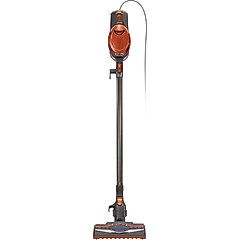

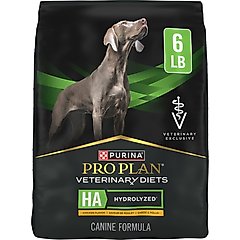
Seek your vet’s advice before giving your dog Benadryl. Your vet needs to determine the underlying health condition causing the symptom(s), so they know whether Benadryl is an appropriate treatment.
For example, you may think your dog’s goopy, red eyes are simply a case of seasonal allergies, but goopy, red eyes are also a symptom of dry eyes or even a health condition that affects the eyes called glaucoma. Benadryl won’t help either of those, while the true underlying would remain untreated and potentially worsen.
Recommended Products
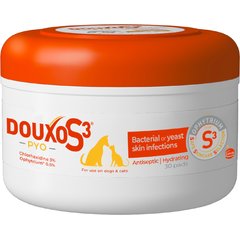

What Kind of Benadryl Should I Give My Dog?
Benadryl comes in several forms:
- Benadryl tablets
- Benadryl chewable tablets
- Children’s liquid Benadryl
- Liqui-gel Benadryl capsules
One form isn’t necessarily superior to another, says Jason Dombrosky, DVM, medical director at VEG in San Ramon, California.
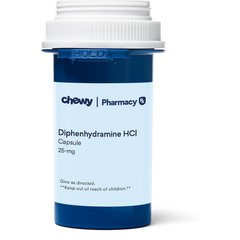
However, always read the ingredients. Some forms, including generics, contain additives that are harmful to dogs. Xylitol, an artificial sweetener, is one example of a dangerous additive. It’s toxic to dogs, so pet parents should always ensure anything they give a dog doesn’t contain it.
Generic forms of Benadryl with only diphenhydramine as the main active ingredient are just as effective as the brand name. The main difference between brand name and generic is generic forms are generally less expensive and are often sold under various store brand names.
Recommended Product
How Much Benadryl Can I Give My Dog?
What’s the correct Benadryl dosage for dogs? And how often can I give my dog Benadryl?
It’s extremely important to give your dog the correct dosage of Benadryl. Your vet will let you know the correct dosage for your pet.
The appropriate dosage of Benadryl for dogs is determined by your dog’s weight. The Merck Veterinary Manual states that for every 1 kilogram (or 2.2 pounds) of body weight, you can give your dog 2–4 mgs of diphenhydramine.
An easier way to look at it, especially for small dogs: The correct dosage is roughly 1–2 mg of Benadryl per 1 pound of body weight. So, a 10-pound dog would receive about 10 mg.
Liquid Benadryl, on the other hand, contains 12.5 mg/5 ml (or 2.5 mg/ml). So, to determine liquid dosage, you’d divide your dog’s weight in pounds by 2.5. A 10-pound dog, for example, would receive 4 ml.
Again, your vet will tell you the correct dosage for your pet.
| Dog’s weight | Benadryl tablets | Liquid Benadryl (12.5 mg/5 ml) |
|---|---|---|
| 10 pounds | 10 mg | 4 ml |
| 20 pounds | 20 mg | 8 ml |
| 30 pounds | 30 mg | 12 ml |
| 40 pounds | 40 mg | 16 ml |
| 50 pounds | 50 mg | 20 ml |
| 60 pounds | 60 mg | 24 ml |
| 70 pounds | 70 mg | 28 ml |
| 80 pounds | 80 mg | 32 ml |
| 90 pounds | 90 mg | 36 ml |
| 100 pounds | 100 mg | 40 ml |
How Often Can I Give My Dog Benadryl?
You can safely give your dog two to three doses of Benadryl during each 24-hour period, as long as you’re following the guidelines for the correct dosage.
Follow your vet’s advice.
What Are the Side Effects of Benadryl for Dogs?
As with all medications, there are potential side effects when using Benadryl for dogs. They include:
Common side effects:
- Drowsiness
- Dry mouth
- Urinary retention (straining to urinate)
Less common side effects:
- Behavioral changes
- Gastrointestinal issues (vomiting, diarrhea, decreased appetite)
- Increased heart rate
How To Spot a Benadryl Overdose
Additionally, it’s possible for your dog to experience a Benadryl overdose if the Benadryl dosage guidelines aren’t carefully followed.
Signs of a Benadryl overdose in dogs include:
Central nervous system (CNS):
- Agitation
- Excessive excitement
- Seizures
- Pronounced sedation
Gastrointestinal:
- Diarrhea
- Vomiting
- Constipation
Cardiovascular:
- Abnormal blood pressure
- Abnormal heart rate
If you suspect your pet may have experienced an overdose of Benadryl, please immediately contact your veterinarian or an animal poison control center such as Pet Poison Helpline at 855-764-7661. Consultation fees often apply.
Not sure whether to see a vet? Use PetMD’s Symptom Checker. Answer a few questions about your pet’s symptoms, and the vet-created online tool will give you the most likely causes and next steps.
FAQs About Benadryl for Dogs
Can I give my dog Benadryl for itching?
Yes, Benadryl can be given to dogs to help ease mild itching but is generally considered to be ineffective. Speak with your vet first to determine the cause of your dog’s itching and whether Benadryl is the right treatment for your dog.
How long does Benadryl take to work in dogs?
Benadryl takes about one to two hours to work in dogs.
Can I give my dog Benadryl for anxiety?
Yes, Benadryl is sometimes given to dogs for anxiety, but, since it is an antihistamine and does not have anti-anxiety properties, it is generally not helpful. Although it can make some dogs feel a little drowsy, it does not block anxiety or promote calm behavior like other more effective treatments.
Does Benadryl make dogs sleepy?
Yes, Benadryl can make dogs sleepy. Benadryl is a mild sedative. However, sometimes pets will have the opposite reaction and become agitated or hyperactive. Please contact your vet if you have any concerns about your pet’s response to the medication.
Will Benadryl help my dog stop coughing?
Benadryl may help alleviate allergy symptoms, but it may not be effective for stopping your dog’s coughing. Speak with your vet, who can recommend the best course of action.
Is Benadryl or Zyrtec better for dogs?
For allergic reactions, most vets will reach for Benadryl. However, for treatment of seasonal allergies, although Zyrtec has been more effective (15%) than Benadryl (at only 6.7%), antihistamines are not generally considered to be powerful at reducing itch in allergic dogs.
Should a pet parent use children’s Benadryl or regular Benadryl?
Either is fine, but pet parents must be aware of the concentration, ingredients, and correct dosages.
Attributions