Quercetin for Dogs: How This Natural Remedy May Help Dog Allergies


Photo by Chewy
If your dog gets itchy skin, watery eyes, or seasonal sniffles, you’ve probably looked around for safe, natural, over-the-counter remedies. One solution you might have come across is quercetin for dogs. Sometimes called “nature’s Benadryl,” this plant compound is known for its potential to ease dog allergies in a safe and gentle way. (Though it is not the same as Benadryl and isn’t a quick fix.)
Key Takeaways
- Quercetin is a plant compound with antioxidant and anti-inflammatory effects that act like a mild antihistamine for dogs.
- It may ease allergy symptoms such as itching, watery eyes, runny nose, and mild skin inflammation.
- Food sources like apples, blueberries, and leafy greens contain quercetin, but only supplements usually have therapeutic amounts.
- Always speak with your veterinarian before giving your dog any supplement or adding new fruits and vegetables to their diet.
What Is Quercetin?
Quercetin is a plant-based compound found in many fruits and vegetables, such as apples, blueberries, broccoli, spinach, and kale.
“It works as a gentle antioxidant, helps calm inflammation, and acts like a natural antihistamine,” says Rebeca Moreno, DVM, veterinary nutrition consultant and owner of Best by Vets. These benefits can help relieve allergy symptoms.
Most dogs get only very small amounts of quercetin from their regular diet, usually through fruits and veggies that are safe for pups. But that alone isn’t enough to have a therapeutic effect on allergies, Dr. Moreno says.
Dogs with mild allergies may benefit from quercetin’s antihistamine properties, so if that’s your dog, you may want to ask your vet for ways to add quercetin to their diet.
How Does Quercetin Help Dogs With Allergies?
Quercetin can help reduce the release of histamine, the chemical behind itching, sneezing, and watery eyes, according to Dr. Moreno.
By working as a natural antihistamine, it may help calm the body’s over-the-top reaction to allergens—particularly environmental ones such as dust, pollen, mites, and grasses.
Here are a few ways dogs may find allergy relief with quercetin.
It Reduces Itching and Inflammation
Dogs with environmental allergies often scratch, lick, or chew their skin. Quercetin may help reduce skin inflammation, soothing irritation and redness, Dr. Moreno says.
It Helps With Watery Eyes and Runny Nose
Environmental allergies often show up as eye discharge, sneezing, and nasal discharge. Quercetin can help ease these histamine-driven symptoms.
It Supports Skin Health
By dialing down inflammation, quercetin may promote healthier skin, which is especially helpful for pups prone to hot spots or rashes.
Other Potential Benefits of Quercetin for Dogs
Experts agree that quercetin’s antioxidant and anti-inflammatory properties may offer benefits beyond allergies. Early research points to possible gains in gastrointestinal health, joint support, and cardiovascular function; however, the evidence is still emerging, and no additional benefits are yet proven.
How To Give Your Dog Quercetin
The typical dog diet doesn’t include much quercetin, so if you want your pup to benefit from its antihistamine properties, you’ll need to add it to their diet if your vet says it’s OK. (Quercetin can interact with medications, and not every dog is a good candidate.)
Always consult your veterinarian before making any changes to your pet’s diet.
Fruits and Veggies
Quercetin is found naturally in many dog-safe foods, including:
- Apples (especially the skin)
- Blueberries
- Broccoli
- Spinach
- Bell peppers
Fruits and vegetables count as treats for your dog, and treats should make up no more than 10% of your dog’s diet. Because food sources rarely provide therapeutic amounts, fresh produce isn’t always the most effective way to give quercetin to dogs who need it for allergy relief.
Supplements
When using quercetin for allergy relief, supplements are the best way to go, says Dr. Moreno. “Forms like isoquercitrin offer better absorption and more consistent therapeutic doses,” she says. Products that combine quercetin with bromelain can further enhance absorption and anti-inflammatory effects, she says.
When choosing supplements to help alleviate your pup’s allergies, look for options high in quercetin, such as:
Recommended Products
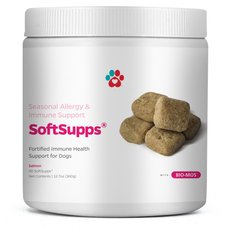
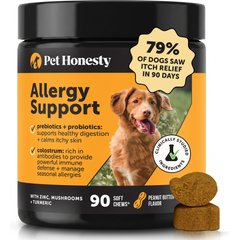
Not all supplements are regulated, so you should always check with your vet for guidance.
How Much Quercetin Should You Give Your Dog?
Your veterinarian will help you determine the right dose for your pup, which will depend on their weight and the type of supplement.
A general guideline is 5–10 mg per pound of body weight, twice daily. For example, a 20-pound dog would get 100–200 mg twice a day.
However, you should never give your dog any dosage without confirming it with your veterinarian. They will probably recommend starting low and monitoring for symptoms like stomach upset.
Our experts note that quercetin supplements should generally be reserved for peak environmental allergy seasons, such as spring and fall. If your dog tends to suffer from allergy-induced symptoms, talk to your vet a few weeks before peak season, since benefits can take two to six weeks to appear, according to Dr. Moreno.
FAQs About Quercetin and Dogs
Can I give my dog human quercetin?
No. Do not give your dog human supplements of any kind unless your vet explicitly directs you to.
How long does it take for quercetin to work for dog allergies?
Dogs can typically see improvements from quercetin supplements in two to six weeks when used under veterinary guidance.
Are there any downsides to giving quercetin to a dog?
Possibly. Too much can cause upset stomach or loose stools. Confirm the correct dosage with your vet, start low, and monitor your dog’s behavior to avoid causing stomach pain or other issues.
Can quercetin be bad for dogs?
Quercetin is not for all dogs. Avoid giving quercetin to dogs with kidney disease, dogs who are pregnant or nursing, or dogs who are on multiple medications (to avoid interactions with those drugs). Your veterinarian can offer the best guidance for your pup.
Attributions