Do Dogs Get Bored? 4 Signs of Boredom in Dogs



Photo by Pekic/E+
Has your dog ever looked bored? Just like humans, dogs can feel a little blah when there’s not enough to do.
When their days feel repetitive or they’re not getting enough physical or mental enrichment, pups may become restless or even turn to mischief.
If boredom lasts too long, it can even affect their health. Here’s how to spot the signs of boredom and keep your dog active and entertained.
Key Takeaways
- Dogs do get bored, and chronic boredom can harm their physical and emotional health.
- Boredom often stems from a lack of exercise, mental enrichment, social interaction, or variety in their daily routine.
- Signs of boredom include excessive barking, destructive behavior, restlessness, and attention-seeking.
- Boredom in dogs can cause health problems, such as obesity, anxiety, compulsive behaviors, a weakened immune system, and cognitive decline.
- You can beat boredom by adding enrichment—like puzzle toys, scent walks, new games, and fun outings—to your dog’s routine.
Do Dogs Get Bored?
Yes, dogs can get bored, and boredom can “genuinely harm your dog’s well-being,” says Sandra Mitchell, DVM, DABVP, a veterinarian in Bangor, Maine. Luckily, the solution is typically simple: more playtime, extra exercise, and interactive toys.
Why Do Dogs Get Bored?
Boredom usually happens when a dog’s mental and physical needs aren’t being met. Here are the most common causes:
Lack of Exercise
Napping the day away isn’t good for your pup’s health or happiness. Dogs need anywhere from 30 minutes to two-plus hours of exercise per day, depending on their breed, age, and health, says Dr. Mitchell.
High-energy breeds, like Border Collies, Belgian Malinois, and Australian Shepherds, will need more exercise than most dogs to keep busy, says Jennifer Coates, DVM, a veterinarian in Fort Collins, Colorado.
You can get a sense of your dog’s exercise needs by checking out Chewy’s breed guide, but keep in mind that every dog is an individual and breed doesn’t always dictate personality.
Not Enough Mental Stimulation
Dogs need activities to keep their brains buzzing.
If they’re stuck inside with nothing to keep them occupied, they’re likely to get bored.
They’re Alone Too Much
“Dogs are social animals that crave interaction with their humans and, in many cases, other dogs,” says Dr. Mitchell.
Too much solo time—even if your house is overflowing with toys—can cause boredom.
If you are routinely gone for the day, doggy daycare or a dog walker might be a great fit for your pup.
The Same Daily Routine
Eat. Sniff. Snooze. Repeat. Dogs thrive on routine, but when every day feels identical, boredom can creep in.
Sneak in welcome surprises every so often, like a fun hike or a trip to a dog-friendly beach.
4 Signs That Your Dog Is Bored
Think your pup might be craving more activity or variety? Here’s how you can tell.
They Bark or Whine a Lot
Dr. Mitchell says vocalizing without a clear reason, especially repeated barking or whining just to get attention, can be a sign of boredom.
They Destroy Things Around the House
Bored pups may try to make their own entertainment: digging, chewing furniture, scratching doors, or turning your slippers into confetti.
It’s not “acting out,” but just their way of coping with boredom.
They’re Hyperactive and Restless
A bored dog may find it difficult to settle down, says Dr. Coates. If you’re seeing excessive zoomies, pacing, tail chasing, or licking on repeat, your pup might need more enrichment.
They’re Constantly Seeking Attention
Most dogs appreciate everyday affection, but if your pup is following you constantly or trying to get your attention, it might be a sign of boredom, Dr. Mitchell explains.
How Boredom Is Bad for Your Dog’s Health
If your dog seems bored, don’t ignore it. Chronic boredom can affect your dog’s physical and emotional health.
Obesity and Other Health Problems
Less movement equals more pounds. When boredom leads to inactivity, it increases the risk of obesity, joint problems, diabetes, heart disease, and even a shortened lifespan, says Dr. Mitchell.
Anxiety and Depression
A once-playful pup who now sleeps all day? Dr. Mitchell says boredom, not laziness, is likely the cause. Dogs who aren’t mentally or socially engaged may become anxious, withdrawn, or depressed.
Compulsive Disorders
What starts as one small behavior—chewing on a shoe from boredom—can turn into a more serious condition, like compulsive licking or chewing, that requires medical or behavioral help.
These conditions often eventually involve your dog swallowing something they shouldn’t, which can lead to GI issues or obstructions, or even breaking a tooth on something that requires medical or behavioral help.
Weakened Immune System
Boredom leads to an understimulated mind, which can cause dogs to become stressed or anxious.
According to Dr. Coates, chronic stress can weaken the immune system, making dogs more susceptible to illness and disease.
Cognitive Decline
Mental stimulation helps keep aging brains sharp. Dr. Mitchell warns that a lack of enrichment can speed up cognitive decline, especially in senior pups.
How To Help a Bored Dog
If you notice signs of boredom in your dog, see a veterinarian to rule out any health issues not related to boredom.
If your dog gets the all-clear, chat with your vet about how to create more enrichment in their lives. Typically, beating boredom doesn’t require a full-time schedule of activities—just the right mix of mental and physical enrichment.
Here are some ideas to help your pup get excited about life again.
Interactive Toys and Puzzles
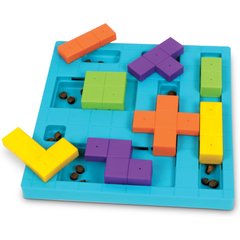
Try food-dispensing puzzle toys, like the Potaroma Dog Puzzle Feeder Toy or the Brightkins Brain Teaser Treat Puzzle Dog Toy, especially when your dog is home alone. These toys get their brain working and liven up mealtime.

Scent Walks
Scent walks are one of the best forms of entertainment. Think of them like a dog’s version of watching TV. They pick up cues and “see” the world through smells.
Dr. Mitchell suggests switching up walking routes and allowing time for smelling and exploration.
Agility and Training Games
Try activities like agility classes, clicker training, dock diving, or other dog sports that challenge their bodies and brains.
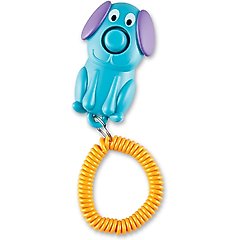
Choose a clicker like the Brightkins Smarty Pooch Doggy Training Clicker to start with some basic training.
Recommended Product
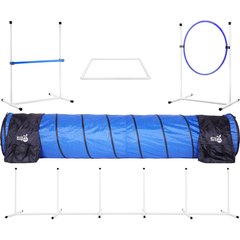
You can even set up an agility course in your own backyard. The Better Sporting Dogs 5 Piece Complete Starter Dog Agility Set comes with everything you need.
Recommended Product
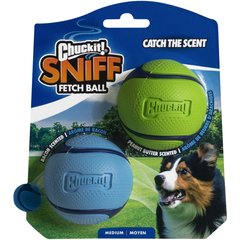
A game of fetch is always fun, too, but throw something special in the mix, like the Chuckit! Sniff Fetch Balls Duo Dog Toy. It’ll encourage your dog to fetch but also to sniff out the ball—double fun.
Recommended Products

Treasure Hunts
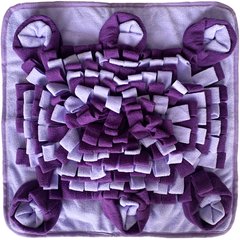
Looking for a fun and easy enrichment activity? Hide treats in a snuffle mat, like the Pet Parents Forager Slow Feeder Cat & Dog Snuffle Mat & Feeding Mat or the Piggy Poo and Crew Purple Snuffle Mat, to encourage exploration and problem-solving.
Recommended Products

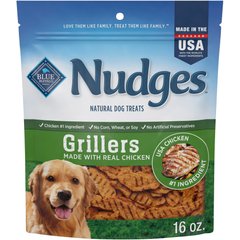
Pick a fan-favorite dog treat, like Blue Buffalo Nudges Grillers Chicken Dog Treats or Bocce’s Bakery Sunday Roast Chicken & Pumpkin Recipe Soft & Chewy Dog Treats, to hide in the folds.
Recommended Products

Rotating Toys
Dr. Mitchell notes that rotating toys keeps things fresh—and there’s less chance that your dog will get tired of the same old options.
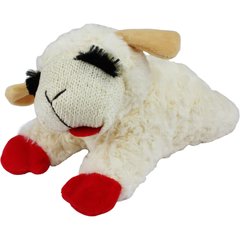
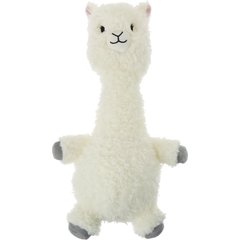
So rotate between their favorite squeaky Lamb Chop and their favorite squeaky Frisco Llama on the regular.
Recommended Products
Doggy Daycare or Playdates
Doggy daycare or playdates—even just once a week—can provide both mental stimulation and socialization, as long as your dog enjoys being around other pups.
But before you head out, make sure your dog is up to date on preventive care, including routine vaccinations and flea and tick medications. The Simparica Trio Chewable Tablet for Dogs has options for every size of canine.
Recommended Product

Fun Outings
A change of scenery can be exciting, whether it’s a pet-friendly store, a hiking trail, or even a mini road trip.
More Quality Time Together
Sometimes your dog just misses you. Plan for quality time with your pup every day.
Ideally your activities should be a mix of physical and mental enrichment—but don’t forget time together snuggling on the couch. Sometimes it’s the simple things.
FAQs About Boredom in Dogs
Is it OK for a dog to do nothing all day?
No. Dogs do need plenty of rest—adult dogs may sleep for 12 to 14 hours a day—but doing nothing is not healthy. If your dog sleeps too much or is restless, destructive, or hyperactive, see a vet. If there’s no underlying health issue, they might just be bored.
Are dogs OK with being bored?
No. Dogs need downtime, but chronic boredom isn’t good for your dog. It’s normal for dogs to nap and rest throughout the day, but they also need daily mental and physical enrichment to lead happy lives.
Attributions