Can Chickens Eat Oranges?


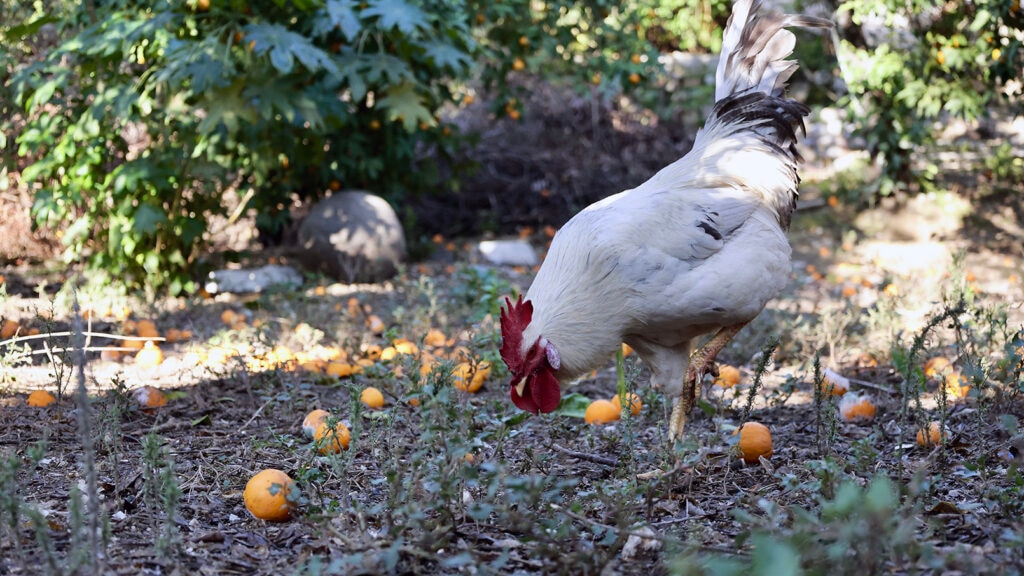
Photo by Aleksandr Petkov/iStock/Getty Images Plus via Getty Images
Peel an orange near the coop, and there’s a good chance a few chickens will come over to investigate. But can chickens eat oranges? Yes, they can—but only in small amounts.
For adult chickens, oranges work best as a very occasional treat, with the bulk of the diet coming from a complete chicken feed. Here’s everything you need to know about giving oranges to your chickens.
Before introducing any new food into your chicken’s diet, always check with your veterinarian.
Key Takeaways
- Yes, chickens can eat oranges, but only occasionally.
- Plain orange flesh is the safest part to share.
- Orange peel is bitter, tougher, and less appealing than the flesh for most chickens.
- Consider oranges a treat and make sure they never replace complete feed.
Can Chickens Have Oranges?
Yes, chickens can have oranges when they’re plain and served in small pieces.
Orange segments or chopped orange flesh are usually the best choice for a flock snack. The peel isn’t considered toxic, but it’s tougher, bitter, and a lot less exciting than the fruit itself. Most chickens would rather get to the juicy part and leave the peel behind.
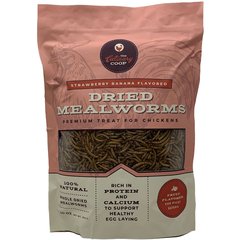
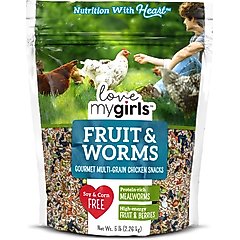
For a fruity snack without the prep work, you can also give your flock a chicken treat made just for them. A couple of good options include:
Recommended Products
Are Oranges Good for Chickens?
Yes, oranges can be good for chickens when they’re fed in moderation.
Oranges aren’t a must-have to keep your chickens healthy, but they can be a fun, juicy snack that adds a little variety to treat time. In reasonable amounts, oranges offer:
- A juicy change of pace: Soft orange pieces give chickens something bright, different, and easy to peck at. The scent, color, and texture can spark curiosity and encourage natural foraging behaviors.
- A refreshing bite: Oranges contain plenty of water, which can make them feel refreshing in hot weather when your flock is looking for something cool and juicy.
- A little fiber: While chickens shouldn’t rely on oranges for nutrition, they do contain some fiber that can help support digestion.
Are Oranges Bad for Chickens?
Oranges can be bad for chickens when they’re fed too many, or they’re served in forms that aren’t chicken-friendly.
The good news is that most orange-related problems are easy to avoid. The biggest concerns usually come down to portion size and what else comes along with the fruit:
- Too much sugar at once: A few orange pieces are one thing, but letting fruit take over the menu is another. Oranges are acidic and contain sugar—a combo that can lead to digestive upset and loose droppings.
- Desserts disguised as fruit: Candied oranges, orange marmalade, fruit cups packed in syrup, and orange-flavored desserts may sound fruity, but they’re loaded with added sugar and other ingredients chickens don’t need.
- Citrus that’s seen better days: If an orange is moldy, fermented, or headed for the compost pile, it shouldn’t end up in the treat bucket. Spoiled fruit can expose chickens to harmful molds and bacteria that may make them sick.
How Much Orange Can Chickens Eat?
For a small backyard flock, one peeled orange shared among several birds once a week is more than enough. That gives your chickens a chance to enjoy something different without turning snack time into an all-you-can-eat citrus buffet.
Like any other treat, oranges should complement your chickens’ regular diet—not compete with it.
Generally, treats should make up no more than 5% of a chicken’s daily diet, and oranges should only contribute a very small portion of that. The remaining 95% should come from a high-quality, balanced feed that’s appropriate for the bird’s age and life stage.
How To Safely Feed Oranges to Chickens
A little prep can make oranges easier—and less messy—for your flock to enjoy.
If you want to share oranges with your chickens:
- Peel them first.
- Remove any moldy or damaged parts.
- Break the orange into small sections or chopped pieces.
- Keep portions small.
- Scatter a few pieces around the run.
- Pick up any uneaten food before it spoils or attracts bugs.
My Chicken Ate Too Many Oranges—What Do I Do?
If your chicken helped themselves to a few extra orange slices, try not to worry. In most cases, eating too many oranges is more likely to cause digestive upset than a serious emergency.
Keep an eye on your bird over the next 24 hours and watch for signs such as:
- Loose droppings
- Reduced appetite
- Belly discomfort
- Lethargy
Call your veterinarian if:
- Your chicken ate a large amount of sugary orange snacks, like candied oranges or fruit cups packed in syrup.
- The oranges were moldy, rotten, or fermented.
- Your chicken stops eating or seems weak.
- More than one bird in the flock seems sick after eating the oranges.
If you’re ever unsure whether your chicken ate something potentially harmful, you can also contact the Pet Poison Helpline (855-764-7661) for guidance. Having details about what was eaten, how much was consumed, and when the exposure occurred can help them give the best advice.
What Other Fruits Can Chickens Eat?
If oranges don’t win over your flock—or you’re looking to mix things up—there are plenty of other fruits that chickens can enjoy as an occasional treat.
Safe options include:
- Apples
- Bananas
- Blueberries
- Cantaloupe
- Grapes
- Pineapple
- Strawberries
- Tomatoes
- Watermelon
Just remember that fruit should be a fun addition to the menu, not the main event. Because fruit contains natural sugars, you should only give it in moderation.
FAQs About Oranges for Chickens
Can chickens eat orange peels?
Chickens can have orange peels, but they’re usually much more interested in the fruit itself. The peel isn’t toxic, but it’s tougher, bitter, and harder to break apart than the juicy flesh.
Can chickens eat orange slices?
Yes, chickens can eat orange slices. Just keep portions small and consider them an occasional snack rather than a daily treat.
Can baby chicks eat oranges?
Not yet. Growing chicks need the balanced nutrition found in chick starter, and oranges can cause issues with proper calcium absorption. Once they’re older and eating well on their regular diet, you can occasionally give them a small amount of plain orange.
Attributions
This article was created with assistance from AI tools. The content has been reviewed for accuracy and edited by a human.