How Hot Is Too Hot to Turn Horses Out?


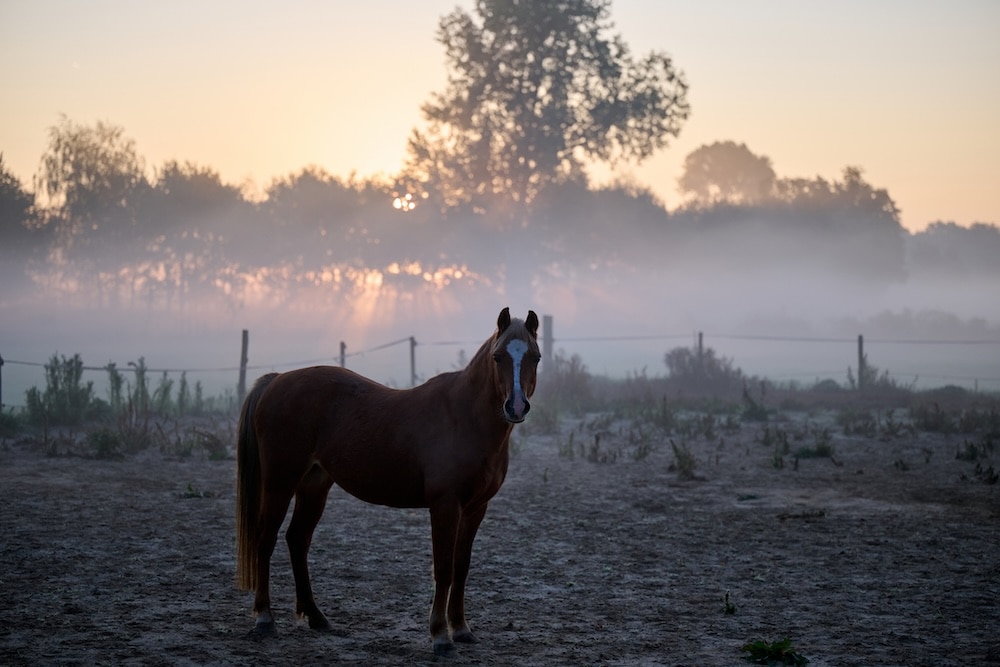
Photo by Duvekot fotografie/iStock/Getty Images Plus
Summer turnout feels simple—until humidity turns the pasture into a sauna. If you’ve ever wondered how hot is too hot to turn horses out, you might be surprised by the answer.
Understanding how horses regulate their body temperature and how to calculate the equine heat index can help you keep your horse comfortable. Use this as an educational guide for practical summer turnout decisions, but always talk with your veterinarian for individualized recommendations, especially for high-risk horses.
Key Takeaways
- Temperature and humidity matter together; the “equine heat index” is a simple way to gauge risk.
- Many horse owners adjust turnout when the equine heat index hits 150+ and avoid peak heat when it’s 180+.
- Shade, clean water, and airflow are non-negotiables for safe hot-weather turnout.
- Older, overweight, unfit, or non-acclimated horses can overheat sooner than expected.
- Heat stroke can be life-threatening, so know the warning signs and call your veterinarian if you suspect heat illness.
What “Too Hot” Means for Horses
Horses mainly cool themselves by sweating and sweat evaporation. But humidity makes cooling harder, so “too hot” isn’t the same for every horse.
Why Humidity Changes Everything
As sweat evaporates from a horse’s skin, it carries heat away, but humidity slows evaporation. How well a horse can regulate their temperature also depends on other factors, such as their age, health, and coat.
“Older horses and horses with pituitary pars intermedia dysfunction (PPID), long coats, or anhidrosis [the inability to sweat properly] can have a harder time staying cool,” says Beau Whitaker, DVM, CERP, a partner at Brazos Valley Equine Hospital in Salado, Texas. “It seems like humidity is a big factor in triggering anhidrosis in horses with the condition.”
If a horse can’t cool off fast enough, they’re at risk of experiencing heat stress, which is when they can’t effectively dissipate their body heat.
Turnout vs. Exercise Risk (Quick Clarity)
Turnout is usually lower intensity than riding, but heat risk still rises with sun exposure, lack of shade, and poor airflow.
“We generally don’t see heat stress unless the horses are exercised in high heat or high-humidity situations, or have issues like PPID, a long coat, etc.,” Dr. Whitaker says. “Horses are going to try to find a place to cool off.”
If a horse is overheated and can’t dissipate heat, the heat can continue to build, posing a health risk.
Use the Equine Heat Index to Decide on Turnout
Horses get hot faster than people, so using “feel” is not an accurate indicator. This simple equine heat index formula can help:
Temperature (°F) + humidity (%) = Equine Heat Index
The Equine Heat Index, developed by the American Association of Equine Practitioners (AAEP), differs from that of the National Weather Service, which uses a complex formula to determine the human heat index.
Equine Heat Index Cheat Sheet (Temperature + Humidity)
Horses are generally well-adapted to regulating their body temperature during hot summer months. Some horses live outside year-round with access to shelter, so they know how to seek out shade, water, and protection from the elements in their environment.
When you have access to a barn and are able to stall your horse, you can make practical modifications to turnout schedules to help your horse feel most comfortable using the equine heat index cheat sheet.
Generally, if the equine heat index is:
- Below 130: There is a lower risk. Monitor and provide shade and water.
- 130–150: Begin monitoring for heat stress. Consider cooler turnout times.
- 150–180: Use caution. When possible, use overnight and early turnout and limit midday exposure.
- Above 180: Use extreme caution. Consider avoiding peak heat turnout unless conditions are ideal (very shaded, access to natural water sources) and horses are low-risk.
When to Be More Conservative Than the Number
The heat index is a starting point and a guide. It’s also important to consider these factors to determine if it’s too hot for turnout:
- No shade, stagnant air, crowded pasture, or limited water access
- Horse activity level (if your horse runs or plays hard, heat may impact them more quickly)
- Heat timing (e.g., an early-season heat wave means your horse may not be acclimated yet)
Horses Who Overheat Faster (Risk Factors Horse Owners Should Know)
Horses are individuals and, like people, have varying degrees of heat tolerance. It’s possible to have two horses in the same field who have very different heat tolerances.
Health and Body Factors
Spring vaccine visits and regular wellness checkups are ideal times to learn whether your horse is at risk of overheating. A horse may have a harder time in the heat due to:
- Age (senior horses and foals may have a harder time regulating body temperature).
- Body condition score (high)
- Poor fitness/conditioning
- Health conditions like PPID, heart or respiratory disease, or anhidrosis.
A veterinarian should evaluate horses who sweat abnormally or not at all.
Management and Environment Factors
Your horse’s living environment, activity, and management can also impact risk factors. These include:
- Long hair or retained coat
- A dark coat
- Direct sun
- Limited shade
- Limited water
- Poor airflow
- High insect sensitivity
- Trailer stress
- Exercise/work
Hot-Weather Turnout Strategies That Actually Help
As summer heats up, the question isn’t whether or not to turn a horse out, it’s how to make turnout safer.
“Horses need to be outside, but it is always better to make sure they have access to shade and quality ventilation,” says Rebecca Gimenez Husted, PhD, president of Technical Large Animal Emergency Rescue. “A paddock attached to the stall gives them a choice, provides ventilation in the barn and a darkened effect, and definitely helps with the flies.”
Time It Right: The Best Hours for Summer Turnout
When a paddock attached to a stall isn’t an option, an altered turnout schedule can help. Overnight turnout from dusk to dawn, or at least turn-in during the hottest parts of the day, provides relief from the sun’s hot rays.
Check your local forecast before making turnout decisions.
Shade, Water, and Airflow Essentials
Shade, water, and airflow are essential to reducing heat stress risks. Make sure your horse’s living space:
- Provides ample shade via trees or run-in
- Includes multiple clean and fresh water sources
- Encourages airflow through pasture choice or positioning of run-in sheds
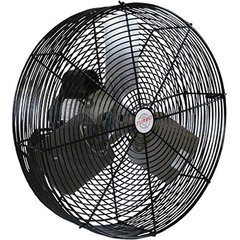
- Includes fans in the barn (fans should be clean, plugged into well-maintained outlets, and kept out of reach of horses)
Recommended Product
“Hose your horse down a couple of times, or even once a day, when it is really hot,” Husted says. “Mine come running when I pull out the hose, and we spray them one at a time.”
Some horse owners use a simple lawn sprinkler in the pasture for short periods during the day and find their horses walking into the spray.
Electrolytes and Feeding—Keep It Safe and Simple
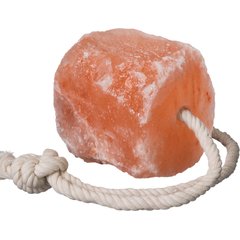
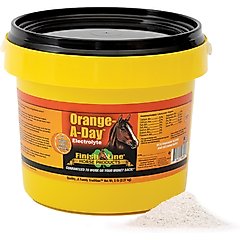
Sweating leads to water and salt loss, potentially causing dehydration. Always provide fresh water—one horse can drink more than 25 gallons of water daily—and talk to your veterinarian about free-choice salt and electrolytes.
Recommended Products
Buddy System and Monitoring
On high-risk days, check horses more frequently and keep a simple log of each horse’s breathing effort, attitude, drinking, and sweating. If you can’t check your horse yourself, have a friend or your barn’s management check on them for you.
Signs It’s Too Hot Right Now (And What to Do)
It’s important to know the early signs of overheating so you can help your horse cool down before it becomes an emergency.
Early Warning Signs of Heat Stress in Horses
Dr. Whitaker shares these early warning signs that can indicate heat stress:
- Rapid, shallow breathing
- Flared nostrils
- Heavy sweating or minimal sweating
- Fatigue
- Dullness
- Stumbling/weakness
- Not interested in water
- Dry, dark red gums
When It’s an Emergency
If you suspect heat stroke or severe heat illness, call your veterinarian immediately.
While waiting, move your horse to shade and start cooling them by hosing or sponging cool water—not ice cold—on large blood vessel areas like the neck, chest, and insides of the legs.
FAQs: Hot-Weather Horse Turnout Questions
How hot is too hot to turn horses out?
It depends on the horse and their living/management environment. Use the Equine Heat Index for general guidelines.
What’s the best time of day to turn horses out in summer?
Dusk to dawn.
Do horses need shade for turnout in hot weather?
Yes. Horses need either natural shade from trees or access to a well-ventilated shed to escape the heat.
Can a horse overheat just standing in a field?
It depends on a combination of factors, including the individual horse’s health, access to shade and ventilation, and heat index.
Are senior or overweight horses at higher risk in heat?
Yes, older and obese horses are more prone to struggling with high heat than younger horses with a body condition score above 5.
What are the most important signs of heat stress in horses?
Rapid, shallow breathing, flared nostrils, excessive or minimal sweating, fatigue, lethargy, stumbling, weakness, and dehydration.
Attributions