How To Keep Horses Cool in the Barn


Photo by Copyright/iStock/Getty Images Plus
Hot, still barns can feel like an oven, especially when humidity is high and air can’t move. If you’re wondering how to keep horses cool in the barn, the good news is you don’t need a full remodel. A few smart tweaks (airflow, water, shade, and safe cooling routines) can go a long way toward keeping your horse comfortable and safe during heat waves.
This article is educational and not a substitute for veterinary care. If your horse seems overheated or “just not right,” call your veterinarian.
Key Takeaways
- Ventilation comes first: moving fresh air through the barn helps carry out heat and humidity.
- Water is a cooling tool, so make clean, fresh water easy to access at all times.
- Fans can help, but only when installed safely and used with good airflow (not in a dusty, closed-up stall).
- Know heat-stress warning signs and treat severe signs as an emergency by calling your veterinarian right away.
- When a horse seems overheated, start cooling them immediately (shade + cool water + airflow) while you contact your vet.
Why Horses Overheat in the Barn
Barns are built to protect horses from wind, rain, and snow. In summer, that same protection can trap heat and humidity. When the air is warm and sticky, your horse’s sweat doesn’t evaporate as efficiently, which makes it harder to cool themselves down.
If airflow is limited, the barn can hold onto “used” air that’s damp and warm, right where your horse is breathing and sweating.
Barn Ventilation Tips To Keep Horses Cool
Before you buy anything, think air exchange. You want fresh air coming in and warm, humid air going out. This is the foundation of how to keep horses cool in the barn.
Use Cross-Ventilation When It’s Safe
Cross-ventilation means opening two sides of the barn so air can pass through instead of stopping at a closed wall.
Practical ways to boost airflow:
- Open opposite doors and windows to create a breeze through aisles and stall fronts.
- Keep the interior as open and uncluttered as possible so air can travel.
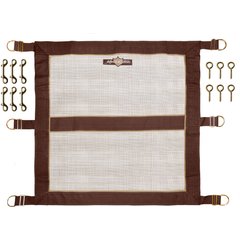
- If you use stall guards or mesh, make sure they’re secure and horse-safe.
Recommended Product
Quick sniff test: If the barn smells strongly of ammonia or feels stuffy, ventilation likely needs to be improved.
Add Mechanical Ventilation When Natural Airflow Isn’t Enough
If your barn stays hot even with doors open, fans can help by moving air more consistently. Add or adjust fan capacity as temperatures rise so warm, moist air can be exhausted and replaced.
Recommended Product
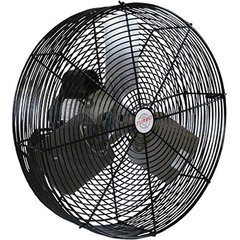
If you’re unsure how to set up airflow for your specific layout, ask your veterinarian, barn manager, or an equine facility professional for guidance. Even small changes in fan placement can make a big difference.
Safe Fan Use for Cooling Horses in Stalls and Aisles
Fans can support cooling by increasing air movement across the skin and helping sweat evaporate. They’re also helpful after you’ve cooled a horse with water.
Fan Safety Checklist for Horse Barns
Barns are dusty, and dust + cords + curious horses is a combo that deserves attention.
Before you flip the switch:
- Mount fans securely so they can’t wobble, fall, or swing into a stall.
- Keep cords out of reach and protected from chewing.
- Use only outlets and cords appropriate for barn use.
- Aim airflow to reduce dust blowing into your horse’s face.
- Clean fans regularly so dust doesn’t build up.
If you’re not confident about safe installation, consult a qualified professional.
Best Fan Placement for Barn Airflow
Fans work best when they help air move through the space. In many barns, that means aiming down an aisle or toward an exit, not into a dead-end corner. Pair fans with open doors and windows or an exhaust pathway when possible so you’re moving warm air out, not just stirring it around.
Water, Hydration, and Electrolytes for Horses in Hot Weather
If you want the simplest answer for how to keep horses cool in the barn, it’s this: prioritize water. Sweating is one of a horse’s main cooling methods, and sweating depends on hydration.
Make Water Easy To Find and Hard To Ignore
On hot days, don’t make your horse hunt for a drink.
A smart hot-weather water routine includes:
- Scrub buckets and refill more often (warm, “funky” water turns some horses off).
- Offer more than one water source when possible (example: a bucket plus an automatic waterer).
Recommended Product

- Check flow and function daily, especially with automatic waterers.
Electrolytes: Helpful for Some Horses, But Not a DIY Guessing Game
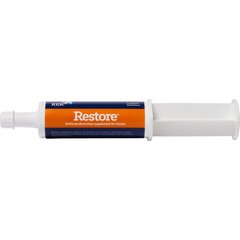
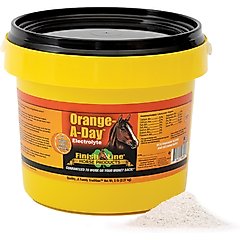
Some horses who sweat heavily may benefit from electrolytes. But electrolyte supplementation is not a one-size-fits-all solution, as diet, workload, sweat loss, and health history all matter.
Talk to your veterinarian before adding electrolytes, especially if your horse isn’t drinking well or has medical conditions.
Recommended Products
Cooling Tools That Can Help in a Barn
Once airflow and water are handled, these add-ons can help your horse feel better during extreme heat.
Cold Hosing and Rapid Cooling Basics
If a horse seems overheated, time matters. Rapid cooling commonly includes:
- Move your horse to shade and better airflow.
- Apply cool (not icy) water over their body.
- Keep water moving and reapply as needed, and use fans to help with cooling.
- Call your veterinarian right away for next steps.
Water Misters and Evaporative Cooling
Misters can help in dry climates where evaporation works well, but in humid areas, mist can raise barn humidity and make cooling harder. If you try misters, pair them with strong ventilation and monitor your horse closely for signs of discomfort.
Shade and Timing: The No-Cost Cooling Trick
When possible:
- Turn out during cooler hours (early morning or overnight), and bring horses in during peak heat.
- Plan exercise, farrier work, and hauling for cooler parts of the day.
- Choose the coolest stall options if your barn has hot spots.
Signs of Heat Stress in Horses
Heat stress can progress quickly, so it helps to know what “not normal” looks like for your horse.
Early Signs (Call Your Vet for Guidance)
These can be easy to miss at first:
- Heavy or rapid breathing that doesn’t settle down
- Fatigue, dullness, or reluctance to move
- Excessive sweating, or a horse who stops sweating despite being hot
- A horse who isn’t cooling down after activity
Emergency Signs (Seek Veterinary Care Now)
Treat these as urgent:
- Collapse or severe weakness
- Staggering, lack of coordination, or unusual behavior
- Signs of shock (for example, very pale, bright red, or purple gums)
- Any situation where your horse is getting worse quickly
What To Do If a Horse Seems Overheated
If your horse seems overheated, don’t wait it out.
Move, Cool, Call
- Move your horse to shade with the best airflow you can get.
- Start active cooling with cool water and add airflow with fans.
- Offer fresh water.
- Call your veterinarian right away—heat illness is time-sensitive.
Hot-Day Barn Checklist
A simple routine can keep you from scrambling when the temperature spikes.
Morning
- Open doors and windows for safe cross-ventilation.
- Confirm fans are clean and secure, and cords are protected.
- Refresh water and check automatic waterers.
Midday
- Monitor horses for heat stress signs.
- Reduce dust where possible (dusty air can irritate airways).
- Keep turnout/work schedules heat-smart.
Evening
- Cool down sweaty horses thoroughly after work.
- Reset water and check airflow again—barns can stay hot after sunset.
FAQs About Keeping Horses Cool
How hot is too hot for horses in a barn?
Heat risk depends on temperature, humidity, airflow, and the individual horse. Use combined temperature + humidity to help you decide when to adjust exercise and add extra precautions. If your barn runs hot, ask your veterinarian what thresholds make sense for your horse.
Do fans help keep horses cool in the barn?
Fans can help by increasing airflow and supporting evaporative cooling, especially when paired with good ventilation and water-based cooling. They’re not a replacement for fresh air exchange, and they must be installed safely.
What are the first signs of heat stress in horses?
Early signs of heat stress include heavy breathing, fatigue, dullness, and a horse who doesn’t cool down after activity. If you’re concerned, contact your veterinarian, as heat illness can escalate quickly.
What should I do right away if my horse is overheating?
Move your horse to shade and airflow, begin active cooling with cool water, add fans if available, offer water, and call your veterinarian right away.
Are misters safe to use in a horse barn?
They can help in dry climates but may raise humidity in already humid barns. If you use misters, pair them with strong ventilation and watch your horse’s comfort closely.
Should I give my horse electrolytes in hot weather?
Some horses may benefit from electrolytes, especially if they sweat heavily, but it’s not one-size-fits-all. Talk with your veterinarian before adding electrolytes, and always prioritize access to fresh water.
How can I improve barn ventilation without a full remodel?
Start with safe cross-ventilation, reduce obstructions in aisles, and consider properly installed fans to support airflow. If your barn is consistently stuffy or hot, an equine facility pro can help you plan improvements.
Attributions
This article was created with assistance from AI tools. The content has been reviewed for accuracy and edited by a human.