Creative Ways to Exercise Your Horse


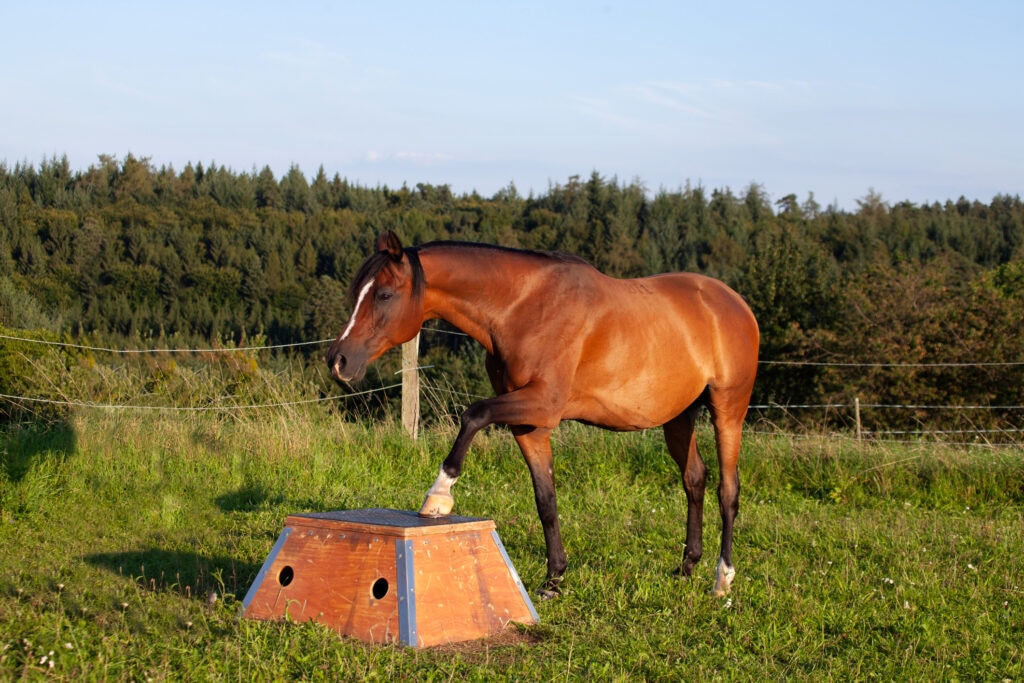
Photo by anjajuli/iStock / Getty Images Plus
Exercise is more than just fun for your horse. It’s a crucial way to maintain their physical and mental health. Creative horse exercise ideas can provide enrichment, improve equine fitness, loosen up creaky joints, and keep your horse mentally engaged in their work.
Key Takeaways
- Horses are made to move. Free-roaming horses travel 10 miles every day, on average!
- Physical and mental exercise can help prevent medical and behavioral problems in horses.
- Groundwork, liberty exercises, trick training, driving, and even hiking can be as beneficial for horse fitness as riding.
- Horses always need free time and horse friends, no matter how much structured exercise they get.
Why Variety Matters in Your Horse’s Exercise Routine
Studies show that horses confined to stalls are more likely to exhibit unwanted behaviors like cribbing. They also have a higher risk of ulcers. Conversely, horses become happier and healthier when enrichment elements are added to their environments. So even though we can’t ask our horses if they prefer variety, the available evidence strongly suggests they do.
Potential benefits of varying your horse’s exercise routine include:
- Reduced risk of boredom, frustration, and sourness.
- A better relationship between horse and human.
- Conditioning of different muscle groups.
- Improvement in balance, coordination, and responsiveness.
- Reduction of repetitive strain from doing the same work every day.
Take the Arena Outside
If you mostly ride in an arena, you can add variety to your routine just by heading out the gate. Equestrians new to riding outside the arena should start with a few trail lessons or some rides with a more experienced friend.
Explore New Trails
Trail riding is a perfect opportunity to exercise your horse’s body and mind. Riding on new trails builds your horse’s fitness, helps them gain confidence, and improves bodily awareness.
Along your adventure on the trails, you can try some of these maneuvers with your horse:
- For improved cardiovascular fitness, pick up a working trot while climbing a short hill.
- To build balance and stifle strength, try a few backward steps up a hill.
- Encourage a limber back with a brisk walk down a not-too-steep hill, on a loose rein.
- Try sidepassing up a hill, which provides an interesting mental challenge and may help with asymmetry.
- Use creeks as water obstacles, and logs as ground poles.
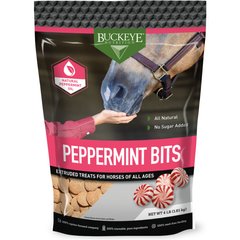
Boulders and stumps make convenient mounting blocks to switch between groundwork and riding. If your horse spooks, pause, desensitize, and reward curiosity with praise and/or treats.
Recommended Products
Ride Around the Farm
No trails or bridle paths? No problem. Use the terrain you do have to add variety to your horse’s exercise routine.
- Try riding around the arena fence instead of inside it. Pay attention to how this changes your horse’s movement and behavior.
- Go on a scavenger hunt for natural obstacles and come up with exercises that incorporate them.
- Ride in a field or pasture—while keeping a careful eye out for holes and rocks—instead of the arena.
- Ride or hand walk on different surfaces, such as gravel, sand, and even quiet roads, always watching out for traffic.
- Try the same exercise, such as a trotting figure eight, in 10 different places.
Set Up an Obstacle Course
Many horses appear to find obstacle work intrinsically rewarding. Some even navigate obstacles on their own when turned out. You can incorporate any of these items into an equine obstacle course:
- Ground poles
- Cavaletti
- Cones
- Tarps
- Bridges
- Hanging pool noodles
- Mailboxes or gates
- Sturdy platforms
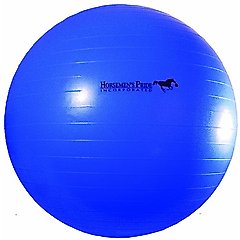
- Large balls to “work” like cattle
Recommended Product
- A horse-sized teeter-totter
- Logs
- Water obstacles
Obstacles help with topline strength, surefootedness, balance, confidence, and problem-solving skills.
Refresh Your Groundwork Routine
Great groundwork improves ground manners, allows you to target muscle groups for strengthening without interference from a rider, and deepens the horse-human bond. Try these creative groundwork exercise ideas:
- Learn basic liberty. Progress to “horse agility” if you’re both loving it.
- Head for your obstacle course in-hand, and try to use each obstacle differently from the ground.
- Start by backing in a straight line, and work toward backing through an L shape made of ground poles.
- Add transitions and collection/extension to your lunging routine.
- Use positive reinforcement to train pressure-free cues for groundwork behaviors.
Add Pole Work and Cavaletti
Almost every horse can benefit from cavaletti work, including the following exercises:
- Walk over ground poles on a loose rein, which strengthens the topline.
- Use trot or canter poles, which help teach collection or extension. A grid of trot poles is the perfect way to improve rhythm and coordination.
- Perform a collected trot over cavaletti to engage the hind end.
Start with one or two ground poles. Add more poles, raised cavaletti, and more challenging spacing as your horse becomes more educated.
Don’t Forget Mental Exercise
Horses should receive mental exercise when you’re around, but they also need to have enrichment in their living environment that they can use without you. Try some of these ideas:
- Provide foraging opportunities, from snuffle mats and hay balls to a vet-approved herb garden.
Recommended Products
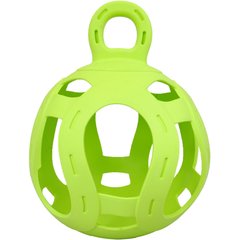
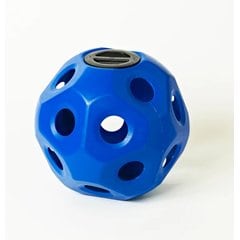
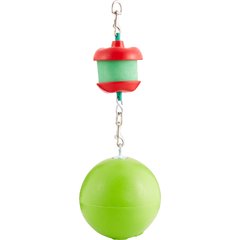
- Give your horse puzzle feeders and stall toys, especially if they’re on stall rest or limited turnout.
Recommended Products

- Teach useful tricks with positive reinforcement, such as coming when called.
- Employ “scent games,” which can progress to equine scent work.
- Gradually introduce novel objects to engage their curiosity.
- Use the blanketing study protocol to teach your horse to communicate preferences.
- Tape a brush to a carrot and see if your horse likes to paint!
Know When To Give Your Horse a Rest Day
Rest days give muscles a chance to repair themselves and get stronger after exercise. Adequate rest also helps minor, often invisible, injuries heal on their own. If you notice any of the following, start with a day off and call your equine veterinarian if there’s no improvement:
- Muscle soreness the day after exercise
- Obvious tiredness when ridden two days in a row
- Suddenly turning sour or hard to catch
- Ear-pinning at the saddle/bridle
- Flinching during grooming or tacking up the day after hard work
One common fitness regimen for performance horses is: three days per week of long, slow distance, either trail riding or in the arena; two days per week of high-intensity interval training; two days of “active rest,” meaning no riding but plenty of turnout.
Talk to your trainer and veterinarian about the right exercise program for your individual horse.
Adding variety to your horse’s exercise routine can improve their fitness, health, and mental stamina. Plus, mixing riding, groundwork, liberty, trails, arenas, and obstacles helps you develop a well-rounded set of skills. And the more accustomed your horse becomes to novelty, the more smoothly their next new experience will go.
So tell your barn friends you will join them at that hunter pace, obstacle day, competitive trail ride, or working equitation clinic!
Frequently Asked Questions
How often should I exercise my horse?
Talk to your trainer and veterinarian, but many people aim for five days of exercise per week and two days of active rest.
Can groundwork replace riding?
Sure, if riding isn’t important to you! Lunging, obstacles, and liberty exercises can help keep an unridden horse in shape.
What’s the best exercise for an older horse?
It depends on their soundness and health, but many senior horses benefit from light riding or hand walking on soft, level trails, as well as walking over ground poles.
How can I exercise my horse without an arena?
Saddle up, buckle your helmet, and hit the trails!
Attributions