The Do’s and Don’ts of Lunging a Horse


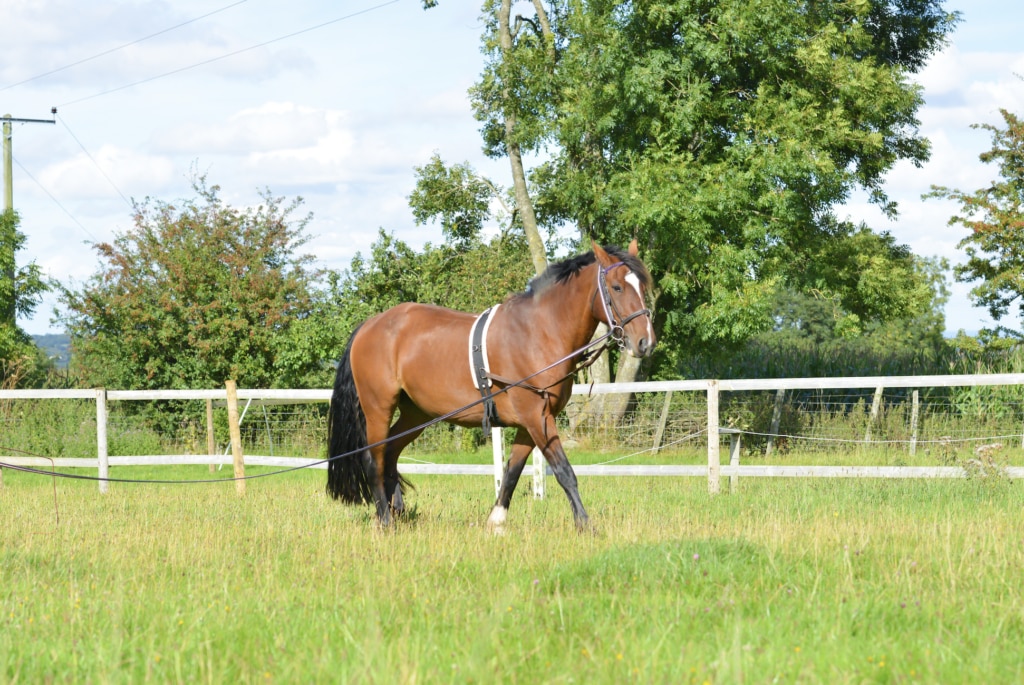
Photo by Eileen Groome/iStock / Getty Images Plus
Lunging (or longeing) is a common method of exercising a horse from the ground, often used to assess soundness, enhance fitness, and improve posture.
Key Takeaways
- Lunging is often used by veterinarians to assess lameness.
- Learn how to lunge a horse from a professional before attempting it on your own.
- Lunge a horse for the minimum length of time necessary to accomplish a specific goal.
- Wear gloves, boots, and your helmet when lunging a horse.
What Is Lunging a Horse, and Why Do People Do It?
Lunging involves training a horse to move in a circle around the handler, usually on a long line. People lunge horses for many reasons, including:
- To assess a horse’s soundness, mood, and energy level.
- To help a young horse become accustomed to wearing a saddle.
- To help the horse focus on their handler in a distracting environment.
- As a warmup for the horse’s muscles and joints.
- To improve the horse’s fitness and/or posture.
When Lunging a Horse Helps (and When It Doesn’t)
Lunging a horse is helpful when used to accomplish a clear and specific goal in a safe environment. For example, lunging can help a young horse learn to keep their balance on a circle, or help a horse returning to work after stall rest recover their cardiovascular fitness.
Lunging should never be used to intentionally exhaust a horse.
Lunging Equipment Basics
If you’re just getting started with lunging, there are a few basic items to consider. Core equipment includes:
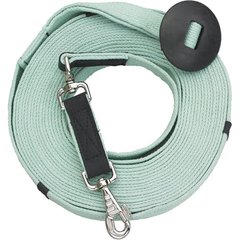
- Lunge line: It’s typically made of a flat cotton or nylon blend, and you can choose a length that works best for you and your horse.
Recommended Product
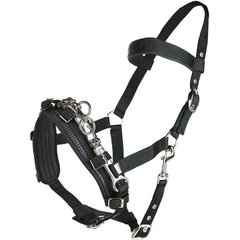
- Cavesson: Horses can be lunged in their regular bridle or halter, but many people prefer a cavesson.
Recommended Product
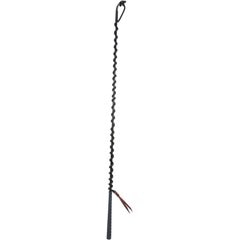
- Lunge whip: Never used to strike the horse, a lunge whip should be treated as an extension of your arm for giving visual cues to a horse on a large circle.
Recommended Product
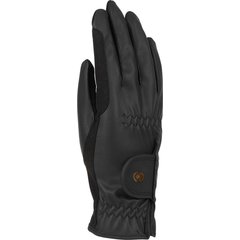
- Gloves: These are a must-have to prevent rope burns if your horse pulls or spooks.
Recommended Product
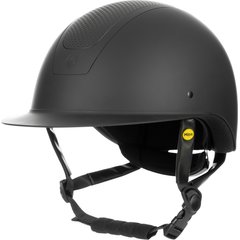
- Riding helmet: Nobody wants to be the person who got a concussion when they weren’t even on the horse.
Recommended Product
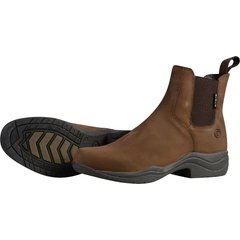
- Boots for you: Protect your feet and be ready to ride without a change of footwear.
Recommended Product
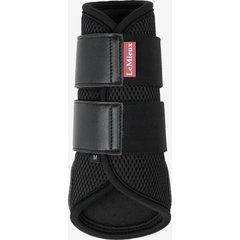
- Boots for your horse: Horses who clip their legs or hooves together when lunging should wear protective boots or wraps.
Recommended Product
- Training aids: Ask your trainer to help you decide if you need training aids like side reins while lunging.
Before You Start Lunging a Horse: Safety Setup Checklist
Safe lunging starts with proper preparation.
- Gather your equipment.
- Choose an enclosed area, such as a round pen or an arena with gates closed.
- Make sure footing is even, not slippery, and not too deep.
- Remove potential hazards, such as jumps or ground poles that you don’t plan to use.
- Watch for any environmental issues, such as heat, ice, wind, or poor air quality.
- Wear gloves, closed-toe shoes or boots, and your riding helmet.
- If your horse interferes when circling, apply protective boots/wraps.
How To Lunge a Horse: Step-by-Step Basics
Follow these steps to safely lunge a horse.
- Check your gear to make sure you have everything you need for lunging.
- Position yourself at the center of an arena or round pen.
- For a left (counter-clockwise) circle, hold the lunge line in your left hand. For a right (clockwise) circle, hold the lunge line in your right hand.
- Send your horse out at the walk with body language and a voice/kiss/cluck cue.
- Cue “whoa” to ensure that you can stop your horse, then cue walk again.
- Change directions, which may require halting your horse and switching the lunge line to the other side of the bridle/cavesson/halter.
- Once your horse maintains a forward, steady walk circle in both directions, use verbal cues and body language to request the trot.
- Ask for a few transitions between trot, walk, and halt.
- Change directions every few circles.
- If your horse is calm and balanced at the trot in both directions, use your voice and body language to cue the canter.
- Change directions and work the other canter lead for an equal time.
- Cool down at the walk and end with a calm “whoa.”
Handler Position and Body Language (“The Triangle”)
If you’re using a lunge whip or flag, picture your horse as the flat base of a triangle and yourself as the sharp point. The lunge line and whip/flag form the two diagonal sides of the triangle.
Your body should face the horse’s body where a rider would sit. If you get too far behind the horse, you’ll be chasing rather than cueing. If you get too far forward, you may unintentionally cue your horse to stop or reverse.
Voice Cues and Consistency
Choose cues that are short, easy, repeatable, and distinct. Some common options:
- The words “walk,” “trot,” “canter,” and “whoa,” in differing tones of voice for each.
- A kissing or clucking noise for “faster” or “transition to the next gait up.”
- “Easy” for slowing down within a gait or transitioning down a gait.
Always use the same cues once they are established. Horses do best with consistency.
Do’s of Lunging a Horse
Keep these tips in mind for a safe and happy lunging session every time.
- Keep sessions short and purposeful with a clear goal in mind.
- Lunge in each direction equally unless your veterinarian or trainer says otherwise.
- Reinforce desired behaviors with a release of pressure and/or positive reinforcement (praise, scratches, treats).
- Stop if the horse appears fatigued.
- End on a positive note.
Don’ts of Lunging a Horse
Stay away from these unhelpful behaviors to keep lunging safe and productive.
- Never lunge with the objective of exhausting the horse.
- Never wrap the lunge line around your hands, as this can lead to severe injury. Fold the surplus line and hold it flat in your palm.
- Never let the lunge line trail on the ground; it’s sure to eventually trip either you, your horse, or both.
- Don’t let the horse lean on a halter when lunging at speed. This leaves you struggling to maintain your balance, and the horse working with poor posture.
- Don’t lunge in tight circles for extended periods. Studies show that tight circles on the lunge line cause horses to lean inward and move more asymmetrically. This can increase the risk of tendon and ligament injuries.
- Don’t punish a horse for confusion.
- Don’t encourage or ignore repeated bucking, rearing, or bolting on the lunge line.
- Don’t lunge a lame horse unless your veterinarian told you to do so.
- Don’t lunge on excessively deep footing, uneven footing, slippery mud, or in cluttered spaces.
- Don’t use training aids (e.g., side reins) without coaching or instruction.
- Don’t treat lunging as a substitute for turnout and social interaction.
Red Flags: When to Stop Lunging a Horse and Call the Vet or Trainer
Sometimes, lunging exposes an issue that signals a need for professional support.
Call a Veterinarian If You Notice
- Lameness in one or more limbs
- Heart rate still above 60 beats per minute 30 minutes after exercise stops
- Muscles suddenly feeling hard, like rocks (“tying up”)
- Persistent coughing or labored breathing
- Swelling or heat in a limb after lunging
- Bucking/rearing/bolting every time the horse is asked for a particular gait or transition
- Any other sign of pain
Call a Qualified Trainer If You Notice
- Repeated bucking, rearing, bolting, spinning, or striking
- Fear of lunging so intense that the horse can’t learn
- Pulling the lunge line out of your hands repeatedly
- Less responsiveness to cues over time
- Behavior that makes you afraid to lunge your horse
With proper technique and equipment, lunging can promote fitness, improve focus, and even reduce the risk of overuse injuries over time. But the opposite is true of excessive lunging, lunging with poor technique, and lunging as a substitute for turnout and social interaction.
FAQs About Lunging a Horse
How long should you spend lunging a horse?
Check with your trainer and veterinarian, but 10–20 minutes is average.
Can you lunge a horse every day?
You can, but have a clear reason for doing so. Very few horses need daily lunging long-term.
Is lunging a horse bad for their joints?
Lunging a horse excessively, especially at speed, can be harmful. Correct horse lunging in moderation can reduce injury risk.
What is the best circle size for lunging a horse?
In most cases, the largest circle you can use while maintaining control and connection is best.
Should I lunge in a halter, cavesson, or bridle?
It depends on your horse and your goals, but a cavesson offers more options for lunging a horse than a halter or bridle.
Why does my horse pull on the lunge line?
Pulling is likely due to lack of fitness and/or lack of training. It is usually worse when lunging in a halter.
What’s the difference between lunging and longeing?
“Longe” is used more in the U.S. and “lunge” is used more in the United Kingdom.
Attributions
This article is educational content, and is not intended as a substitute for professional advice about your individual situation.