Can Bearded Dragons Eat Earthworms?


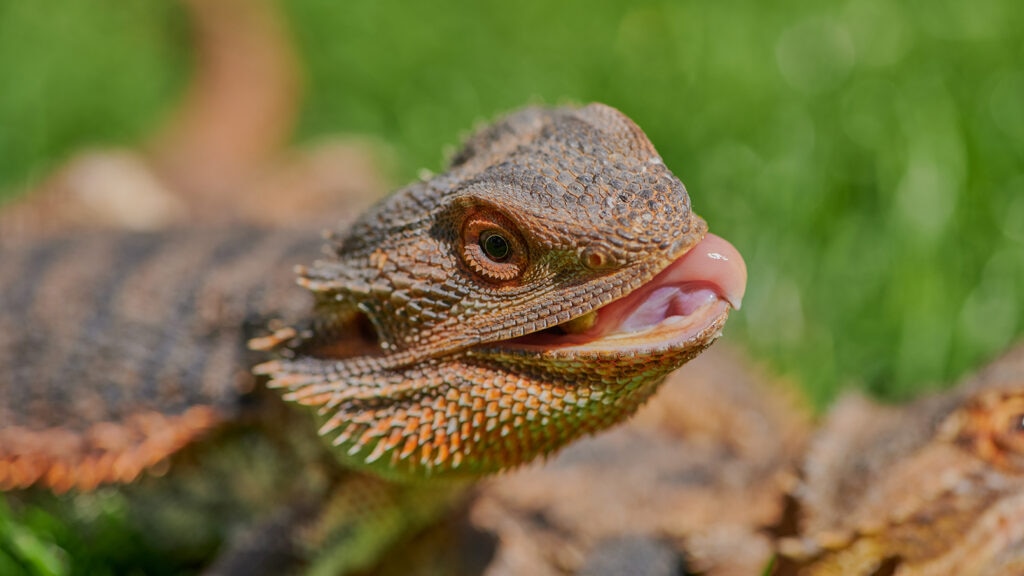
Photo by Claudia Nass/iStock/Getty Images Plus via Getty Images
If you spot an earthworm outside after rain, it can feel like a free snack for an insect-loving beardie. But backyard worms aren’t nearly as safe as the feeder insects sold for reptiles. So, can bearded dragons eat earthworms?
Adult bearded dragons may be able to eat appropriately sized, commercially raised earthworms occasionally, but you should avoid wild earthworms. Here’s what to know before offering worms to your beardie.
Before introducing any new food into your bearded dragon’s diet, always check with your veterinarian.
Key Takeaways
- Bearded dragons should only eat earthworms from a trusted source for feeder insects.
- Wild earthworms may carry pesticides, fertilizers, parasites, or bacteria that aren’t good for your beardie.
- Feeder insects should be appropriately sized and part of a balanced diet that also includes greens, vegetables, and supplements.
Can Bearded Dragons Have Earthworms?
Yes, bearded dragons can have earthworms, but only if they came from a safe source.
Commercially raised earthworms sold for reptile feeding can be an occasional treat as long as they’re appropriately sized for your beardie.
Wild earthworms, on the other hand, are best left where you found them. Worms from your yard, garden, compost pile, sidewalk, or fishing bait container may have been exposed to pesticides, fertilizers, parasites, bacteria, or other contaminants that could make your beardie sick.
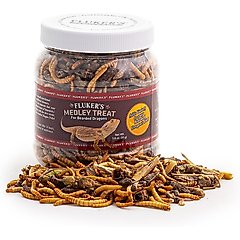
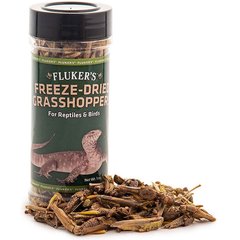
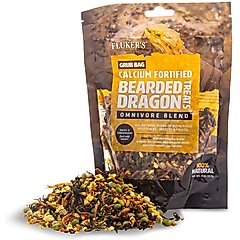
If you’d rather reach for something from the lizard treats aisle instead, a few good options include:
Recommended Products
Are Earthworms Good for Bearded Dragons?
Commercially raised earthworms can be a healthy occasional feeder, but they shouldn’t replace the insects your beardie needs most. Think of them as a way to add variety to the menu, not as the main course.
When offered occasionally, earthworms provide:
- High-quality protein: Earthworms are a source of animal protein, which helps support healthy muscles, growth, and normal body function.
- A change of pace: Offering different feeder insects can add enrichment at mealtime and encourage natural hunting and foraging behaviors, especially for beardies that get bored with the same insects every day.
Are Earthworms Bad for Bearded Dragons?
The biggest risk isn’t the worm itself—it’s the source. Commercially raised feeder worms are very different from the ones crawling through your backyard, and feeding the wrong type can put your beardie at risk.
The biggest concerns are:
- Wild earthworms: Earthworms collected from your yard, garden, compost pile, or sidewalk may have been exposed to pesticides, fertilizers, parasites, bacteria, or other contaminants. Those contaminants can lead to vomiting, diarrhea, appetite loss, lethargy, or more serious illness.
- Bait-store worms: Worms sold as fishing bait aren’t necessarily raised or handled with reptiles in mind. Unless they’re specifically marketed as feeder worms, it’s safest to skip them.
- Oversized worms: An earthworm that’s too big can be difficult to swallow and may increase the risk of choking or digestive problems. As a general rule, feeder insects shouldn’t be larger than the space between your beardie’s eyes.
- Too much protein: Earthworms should be a small part of a varied insect rotation. Feeding too many—especially to adult bearded dragons—can crowd out the leafy greens and vegetables that should make up a larger portion of their diet.
How Many Earthworms Can Bearded Dragons Eat?
For most healthy adult bearded dragons, one appropriately sized earthworm every week or two is plenty. That gives your beardie a little variety without replacing staple feeder insects like crickets, dubia roaches, or black soldier fly larvae.
However, because babies and juveniles have different protein needs, check with your veterinarian before offering earthworms to a young beardie.
How To Safely Feed Earthworms to Bearded Dragons
A few simple precautions can help make feeding time both safe and stress-free.
If your veterinarian says earthworms are OK:
- Choose only commercially raised earthworms sold specifically for reptile feeding.
- Pick a worm that’s smaller than the space between your beardie’s eyes.
- Leave wild earthworms where you found them.
- Skip fishing bait worms unless they’re clearly labeled as reptile-safe feeders.
- Offer just one appropriately sized worm at a time.
- Remove any uneaten worms so they don’t burrow into the enclosure or bother your beardie later.
My Bearded Dragon Ate a Wild Earthworm—What Do I Do?
Because wild worms can carry parasites or be exposed to pesticides and other contaminants, it’s best to call your veterinarian or the Pet Poison Helpline (855-764-7661) for guidance—even if your beardie seems fine at first.
Watch for signs such as:
- Vomiting or regurgitation
- Loose stool
- Loss of appetite
- Lethargy
- Bloating
- Straining to poop
Seek veterinary care right away if:
- Your beardie develops any of the symptoms above.
- They ate more than one wild earthworm.
- You know or suspect the worm came from an area treated with pesticides, fertilizers, or other chemicals.
- Your beardie seems weak, stops eating, or isn’t acting like themselves.
- Symptoms worsen or don’t improve over the next 24–48 hours.
What Other Feeder Insects Can Bearded Dragons Eat?
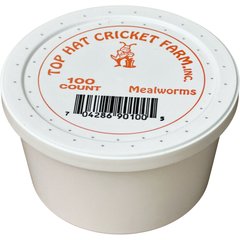
Earthworms can add a little variety now and then, but they shouldn’t carry the workload. For day-to-day meals, these feeder insects are a better fit for most bearded dragons:
Recommended Products
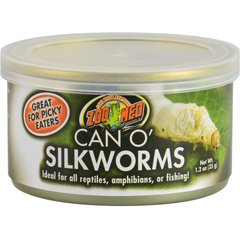

Talk to your veterinarian about the right insect mix, supplement schedule, and feeding frequency for your beardie’s age and health.
FAQs About Earthworms for Bearded Dragons
Can baby bearded dragons eat earthworms?
It’s best to wait. Baby beardies need very small, appropriately sized feeder insects that are easy to catch, chew, and digest. Unless your veterinarian recommends otherwise, stick with age-appropriate, staple feeders while your beardie is growing.
Can bearded dragons eat wild earthworms?
No, leave wild earthworms where you found them. Even though they may look harmless, worms from your yard, garden, or sidewalk can carry parasites or be exposed to pesticides, fertilizers, bacteria, and other contaminants that could make your beardie sick.
Can bearded dragons eat bait worms?
Unless the worms are clearly labeled and sold as reptile-safe feeders, it’s best to skip bait worms. Fishing bait isn’t always raised, stored, or handled with reptile nutrition and safety in mind, so commercially raised feeder worms are the safer choice.
Attributions
This article was created with assistance from AI tools. The content has been reviewed for accuracy and edited by a human.