Bearded Dragon Mouth Rot


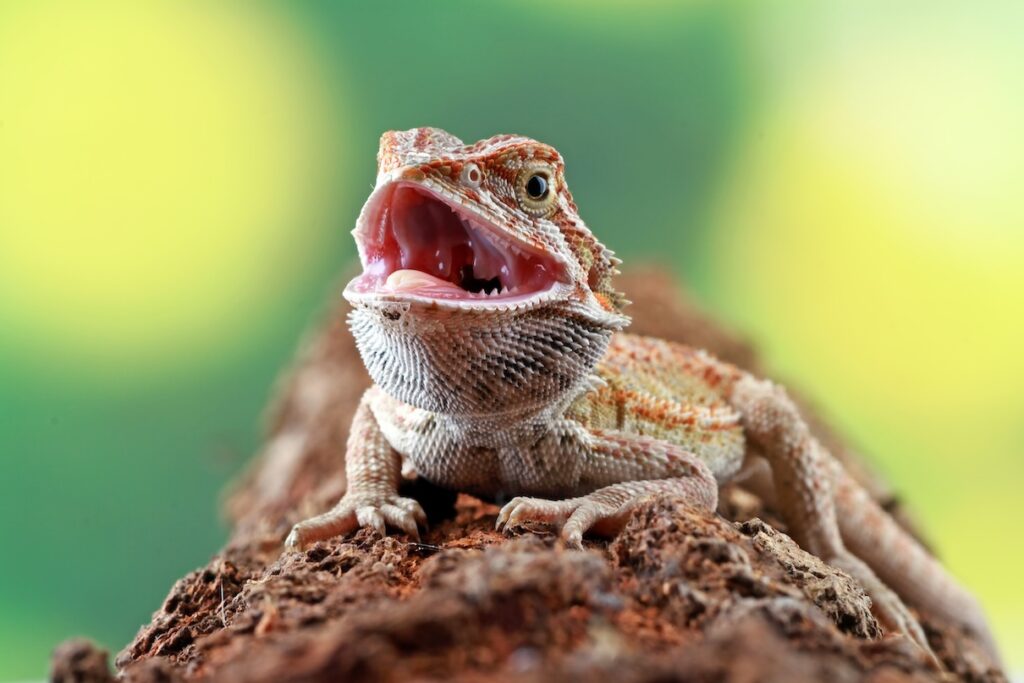
Photo by Adobe/Opayaza
Mouth rot (infectious stomatitis) is uncommon in healthy bearded dragons, but when it develops, it can become severe without prompt treatment. The infection may spread beneath the gums into the jawbone, causing permanent damage and, in advanced cases, life-threatening illness.
Early symptoms are easy to miss, but prompt veterinary treatment greatly improves the chances of a full recovery.
Here’s what causes mouth rot, how veterinarians diagnose and treat it, and what you can do to help prevent it.
Key Takeaways
- Their teeth are fused to the jawbone, making oral injuries more likely to lead to infections like mouth rot.
- Because mouth rot symptoms can progress quickly, it’s important to start treatment as soon as possible.
- Lower immunity and stress from inadequate living conditions, poor diet, or other underlying health issues are common risk factors for mouth rot in bearded dragons.
- Proper care and balanced nutrition help support recovery and reduce the risk of future infections.
What Is Mouth Rot in Bearded Dragons?
Mouth rot, also called infectious or ulcerative stomatitis, is a bacterial or fungal infection affecting the tissues of the mouth. It usually develops secondary to another health or husbandry issue rather than occurring on its own.
Mouth rot often signals underlying issues with a beardie’s diet, health, or habitat, says Ernesto Dominguez, DVM, DACVPM, a licensed veterinarian in Mechanicsville, Virginia, and a member of the Association of Reptile and Amphibian Veterinarians (ARAV).
Although treatable, mouth rot is never considered normal and requires prompt veterinary care.
Bearded Dragon Mouth Rot Symptoms
Since symptoms can be easy to miss, it’s important to stay vigilant. Mouth rot can lead to the following symptoms in beardies:
- Difficulty closing the mouth
- Yellow crust or pus inside the mouth
- Reduced interest in food or water
- Increased salivation
- Red or swollen gums
- Mucus or discharge around the mouth
- Dark or dead tissue along the lip line
- Loose or missing teeth
- Damage to the jawbone
What Causes Bearded Dragon Mouth Rot?
Dr. Dominguez says poor husbandry—including inadequate hygiene, nutrition, heating, humidity, or UVB lighting—can weaken the immune system, allowing bacteria already present in the mouth or environment to cause infection.
Oral injuries often provide bacteria with an entry point beneath the gums.
Improper Environment and Care
Bearded dragons require a specific balance of heating, lighting, and diet to stay healthy. Too-low temperatures, excessive humidity, inadequate UVB lighting, or other husbandry problems can weaken the immune system and increase the risk of infection.
Poor hygiene is also a common factor in mouth rot cases, as accumulated feces or rotten food can become a breeding ground for bacteria.
Recommended Products
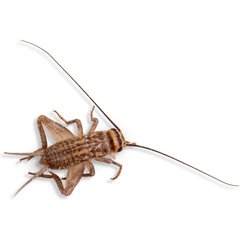

Nutritional Deficiencies
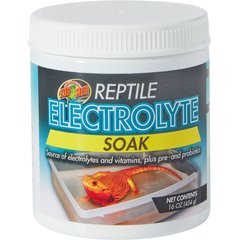
A lack of essential vitamins and minerals in your bearded dragon’s diet can weaken bones and oral tissues, increasing the risk of injury and infection. Vitamin D and calcium are particularly important and should be paired with UVB exposure for the best absorption.
Deficiencies of these nutrients can cause jaw deformities, damage teeth, and weaken gum tissue, making injuries more likely.
Recommended Products

Oral Trauma
The bacteria responsible for mouth rot often enter through injuries to the gums. Even minor injuries from sharp décor, rough substrate, or food can allow bacteria to enter beneath the gums.
If your beardie has existing dental problems like plaque buildup or gingivitis, they may be even more susceptible to bacterial infections like mouth rot.
Recommended Products

Diagnosing Mouth Rot in Bearded Dragons
Once your bearded dragon shows symptoms of mouth rot, get them to a specialist. A reptile veterinarian might use any of the following to diagnose the condition:
- Physical exam: A comprehensive exam performed by a reptile veterinarian to assess the bearded dragon’s overall health and condition.
- Oral inspection: A targeted exam of the lips, teeth, and mouth to assess oral health and identify mouth rot symptoms.
- Cytology: If signs of infection are present, a veterinarian may swab the area and examine the sample under a microscope to look for abnormal cells.
- Cultures: This test involves isolating cells from a sample to identify the specific bacteria or fungus responsible for the infection.
- X-rays: In moderate to severe cases, X-rays may be required to determine whether the infection has spread below the gumline into the jaw.
- Bloodwork: Bloodwork may help identify systemic infection or underlying health conditions.
Bearded Dragon Mouth Rot Treatment
Mouth rot is a potentially serious infection that can become life-threatening if left untreated. Getting a diagnosis is a crucial first step. Your veterinarian will develop a treatment plan based on the infection’s severity.
Treatment typically includes three components, says Dr. Cecelia Dean, DVM, a licensed veterinarian in Richmond, Virginia, and member of the ARAV.
Broad-Spectrum Antibiotics
Antibiotics are a first-line treatment for mouth rot in bearded dragons.
Veterinarians typically prescribe injectable or oral broad-spectrum antibiotics that are safe for reptiles, such as enrofloxacin or ceftazidime.
Pain and Inflammation Control
As the antibiotics work, additional medications may be needed to control pain and inflammation during recovery. Many vets recommend a reptile-safe non-steroidal anti-inflammatory drug (NSAID) like meloxicam, reserving opioids for severe pain.
Your vet may also recommend brushing your bearded dragon’s teeth or using a cotton swab soaked with diluted chlorhexidine to keep the affected area clean.
Enclosure Adjustments
Improving husbandry helps reduce stress and supports healing. Here are some easy changes to make to improve their tank:
- Maintain humidity between 30–50%
- Provide 10–12 hours of UVA/UVB lighting daily
- Remove uneaten food and waste every day
- Clean and disinfect the enclosure weekly
Can You Treat Mouth Rot at Home?
No, mouth rot requires veterinary treatment. But at-home strategies can support your beardie’s recovery and help prevent reinfection. Dr. Keith Gold, DVM, a licensed veterinarian in Abingdon, Maryland, and ARAV member, recommends daily oral cleansing, vitamin and mineral supplementation (if recommended by your veterinarian), and proper hygiene.
Avoid using hydrogen peroxide, human mouthwashes, or other alcohol-based products to clean your bearded dragon’s mouth. These products can damage oral tissues and worsen the infection.
Preventing Bearded Dragon Mouth Rot
Dr. Gold says good husbandry, proper nutrition, and routine enclosure maintenance greatly reduce the risk of mouth rot.
Here are some simple tips to help prevent mouth rot in bearded dragons:
- Maintain proper temperatures and humidity, including both a basking area and a cooler zone.
- Make sure your bearded dragon has suitable places to hide on both the warm and cool sides of their enclosure.
- Provide 10–12 hours per day of UVA/UVB light to support vitamin D3 synthesis and calcium absorption.
- Feed a species-appropriate diet that includes hard-bodied insects and fibrous vegetables to support your beardie’s dental health.
- Follow your veterinarian’s guidance for vitamin and mineral supplementation.
- Reduce the risk of oral injuries by replacing abrasive substrate, removing sharp habitat decorations, and avoiding unsafe feeder insects.
- Handle your bearded dragon gently and avoid unnecessary stress
Mouth Rot vs. Other Bearded Dragon Mouth Problems
| Cause | Visible Signs | Behavioral Signs | Vet Visit Needed? | Common Treatments |
|---|---|---|---|---|
| Mouth Rot | Red, swollen, or bleeding gums; thick saliva or mucus; yellow or white pus | Food refusal due to pain; rubbing mouth against surfaces; difficulty closing the mouth | Yes, always | Antibiotics are generally required |
| Shed Issues | Dry, dull, or greyish skin around the mouth; skin may flake off in pieces | May rub on surfaces to loosen skin | Not usually, unless it impacts breathing or eating | Shallow soak in lukewarm water to loosen skin |
| Oral Abscess | Hard, raised, or discolored lump under the skin anywhere inside or outside the mouth (often following a cut, bite wound, or tooth infection) | Refusal of food due to pain; open-mouthed breathing; clawing at the face or rubbing on surfaces | Yes, always | Surgical removal alongside antibiotics and pain management |
| Normal Pigmentation | Variations in skin color around the mouth; no swelling or discharge | Normal eating habits and no behavior changes | No | No treatment required |
When To Call a Reptile Veterinarian
Don’t wait to get your bearded dragon help when they’re sick. Take your beardie to the vet if they are:
- Refusing food or water for over 24 hours
- Open-mouth breathing or wheezing
- Experiencing severe lethargy or unresponsiveness
- Uncontrolled bleeding from the mouth
- Swelling around the mouth or head
- Exhibiting dead or decaying gum tissue
- Showing damaged teeth or an exposed jawbone
- Emitting a foul odor from the mouth
Can Bearded Dragons Survive Mouth Rot?
Dr. Dominguez says that, in severe cases, untreated mouth rot can spread to deeper oral tissues, bone, or even the bloodstream.
As the infection spreads, it can damage the jawbone, make eating impossible, and eventually lead to life-threatening septicemia.
Bearded Dragon Mouth Rot FAQs
What does mouth rot look like in a bearded dragon?
Mouth rot in bearded dragons often presents with red, swollen, or bleeding gums. There may also be pus in the mouth, discharge or mucus at the corners of the mouth, and dark or dead tissue along the lip line.
Is mouth rot contagious to other reptiles?
Mouth rot generally isn’t considered contagious to other reptiles. However, bearded dragons housed together may share a similar habitat that predisposes them to similar illnesses.
Can mouth rot go away on its own?
No. Without veterinary treatment, mouth rot usually worsens and can spread into the jawbone or bloodstream.
How quickly does mouth rot progress?
It can progress from mild inflammation to severe infection within weeks, making early treatment essential.
What antibiotics are used for mouth rot in bearded dragons?
Veterinarians commonly prescribe broad-spectrum antibiotics such as enrofloxacin or ceftazidime. Severe cases may require bacterial culture to guide treatment.
Can poor UVB lighting cause mouth rot?
Poor UVB lighting isn’t a direct cause of mouth rot in bearded dragons. It can, however, suppress the immune system and lead to deficiencies that increase the risk of bacterial infections.
How long does recovery take?
Mild cases may improve within one to two weeks of starting treatment. Severe infections involving the jawbone may require several months of treatment.
Should I isolate a bearded dragon with mouth rot?
Follow your veterinarian’s advice regarding isolation and keep your bearded dragon’s mouth and enclosure clean. Isolating them in a sterile environment may help maintain hygiene levels and prevent the infection from spreading to other reptiles.
What does a healthy bearded dragon mouth look like?
A healthy bearded dragon’s mouth should have pink gums, clean teeth, and no swelling, discharge, pus, or foul odor. If you notice redness, yellow buildup, excessive saliva, or difficulty closing the mouth, schedule a veterinary exam.
Does mouth rot hurt bearded dragons?
Yes. Mouth rot is painful and can make eating, drinking, and closing the mouth difficult. Bearded dragons with mouth rot may refuse food, drool excessively, rub their mouths against surfaces, or become less active because of discomfort.
Attributions