Yellow Fungus Disease in Bearded Dragons


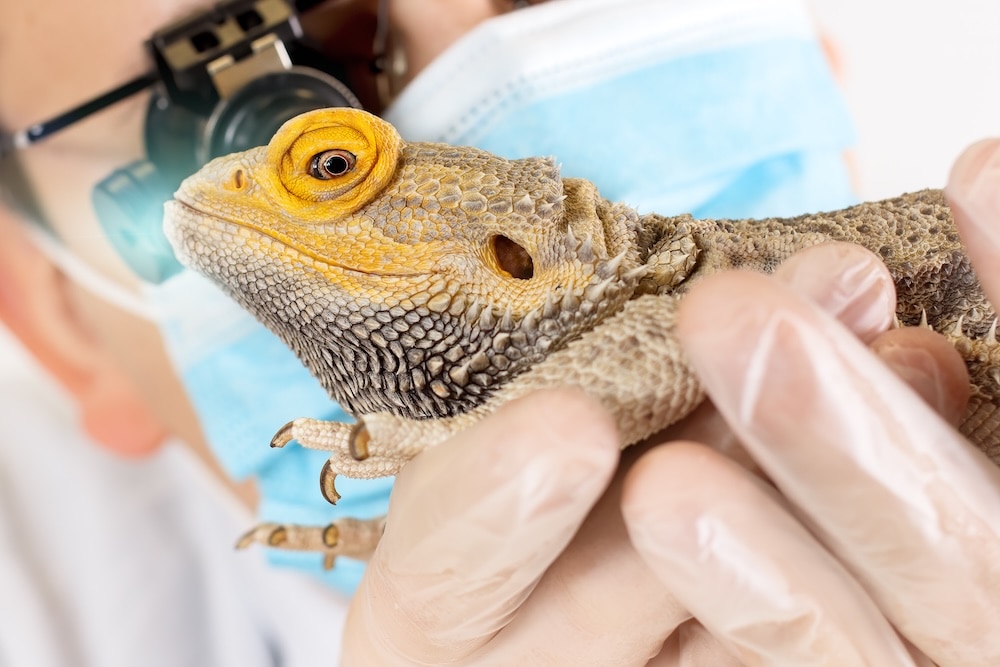
Photo by Kukurund/iStock/Getty Images Plus
Yellow fungus disease is a critical, sometimes fatal disease that attacks the keratin in reptile scales. Even with treatment, it can cause disfigured limbs that require amputation in bearded dragons.
Although the common name for this condition is yellow fungus disease (YFD), it’s not always yellow. Infected scales are most often yellow, brown, red, gray, or black.
By learning about the causes, symptoms, diagnosis, and treatment of this aggressive fungal disease, you’ll be able to get your bearded dragon the help they need, if not prevent it altogether.
Key Takeaways
- Beardies with suspected or confirmed yellow fungus disease must be quarantined.
- Yellow fungus disease is highly contagious and spreads primarily through contact.
- Yellow fungus can turn into a serious infection in only a few weeks.
What Is Yellow Fungus Disease in Bearded Dragons?
YFD directly attacks keratin, the main protein of your bearded dragon’s scales, then moves into underlying skin and organs.
Even though it’s commonly called yellow fungus, the early symptoms are often yellow, brown, red, gray, or black crusts on the scales. These usually appear around the face, lips, or front legs, but they can be anywhere on the body. The crusts or spots eventually darken, becoming thick or rough. Some become swollen, infected lesions when damaged skin sloughs off.
Untreated yellow fungus disease can quickly become life-threatening, as it often infects deeper tissues and internal organs when it spreads.
What Causes Yellow Fungus Disease in Bearded Dragons?
The fungus Nannizziopsis guarroi is the most common cause of YFD in bearded dragons. It spreads easily between beardies in the same enclosure, and keepers can unknowingly transfer it from one enclosure to another. Even feeding tongs, scoops, and other tools used across enclosures can carry the fungus, so it’s best to have a dedicated set for each enclosure.
Pet beardies are at higher risk of illness when they’re improperly cared for, such as when they’re kept in a crowded or shared habitat or when the humidity and temperature inside the enclosure are incorrect. Fungal infections are also more common when reptiles are kept in lower temperatures.
Poor care alone does not cause yellow fungus, but it makes bearded dragons more vulnerable to the disease. The following can also increase the risk:
- Poor sanitation
- Poor nutrition
- Stress or illness
- Skin injuries that aren’t kept clean
Signs of Yellow Fungus Disease in Bearded Dragons
What does yellow fungus look like on a bearded dragon? It’s important to remember that skin discoloration alone can’t confirm yellow fungus, because burns, injuries, and retained shed can sometimes look similar.
Identifying YFD isn’t straightforward and simple, but a few common signs in bearded dragons can include:
- Yellow, brown, red, gray, or black patches
- Discoloration that starts small, then spreads
- Crusted or thickened scales
- Abnormal skin appearance with rough or flaky texture
- Swelling, pain, or sensitivity near affected areas
Another early symptom of yellow fungus might be noticeable during a shedding cycle. In these cases, the new scales may look dull and rougher than before. Some dragons may even seem like they’re always shedding.
Severe yellow fungus cases can also look like other health problems, because when bearded dragons get sick they often stop eating, which can lead to other problems.
When yellow fungus disease has invaded deeper tissues, you’ll see other signs, including:
- Necrotic or dead skin that leaves open sores if the outer layer of skin sloughs off
- Loss of appetite
- Weight loss
- Lethargy
- General decline in health
How Is Yellow Fungus Disease Diagnosed?
Fungal diseases are hard to diagnose, and a physical exam is rarely enough. Your vet will likely need a skin scraping to collect and examine some of the affected tissue. Additional tests can also help determine the severity of the infection, such as:
- Fungal culture: Identifies the species, but can take weeks to grow
- Skin biopsy with histopathology: Can tell how far into the skin the infection has invaded
- PCR testing: Molecular test that can identify fungal species faster than cultures
- Blood work: Doesn’t diagnose, but assesses how far the infection has progressed
Other tests may be used to rule out similar issues, like bacterial dermatitis, burns, or a co-infection.
Fungal infections can progress very quickly, going from minor to life-threatening faster than you expect. If you suspect anything is wrong with your beardie, call your vet.
How To Treat Yellow Fungus Disease in Bearded Dragons
Treating YFD depends on where it is on your beardie and how extensive or severe the infection is. Minor infections may be treated with topical and systemic antifungals like itraconazole, plus antiseptic solutions.
Recommended Products
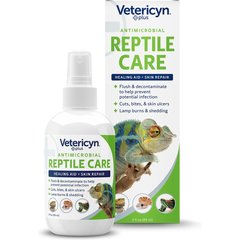
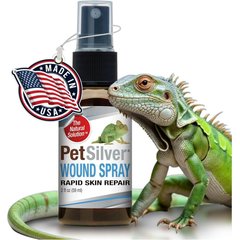
If you catch it early enough, your beardie may not have many lesions that need to be removed. However, in severe infections, they may need surgery to remove sores or amputate limbs.
What To Do If Your Bearded Dragon Has YFD
Here’s what you can expect to do at home:
- Quarantine your beardie away from all other reptiles until your vet clears them.
- Sanitize every piece of equipment and/or habitat decor.
- Sanitize the enclosure—spores can stay hidden in corners.
- Remove substrate and replace it with paper towels you change daily.
- Give topical and/or systemic medications exactly as prescribed.
How Long Does It Take for Bearded Dragons to Recover from YFD?
It takes time to treat YFD—typically, weeks, but longer if it has invaded internal organs or other tissues. There’s no guaranteed outcome when treating YFD, and treatment times or methods may vary.
You can support a beardie through the treatment process by making sure they stay well-hydrated and stable enough to heal. Other support options include:
- Fluid therapy via injection for dehydration
- Nutritional support by syringe feeding, if necessary
- Pain and inflammation management if there’s tissue damage
- Proper care of damaged or debrided skin/scales
Note: You cannot treat yellow fungus disease at home without veterinary help.
How To Help Prevent Yellow Fungus Disease
Preventing yellow fungus disease is far easier than treating it. Many cases can be traced back to faulty care such as bad hygiene. The following steps can help you keep your beardie healthy without ever encountering YFD:
- Keep the enclosure clean and remove waste promptly.
- Maintain species-appropriate temperatures and humidity.
- Provide appropriate UVB lighting and nutrition to support overall health.
Recommended Product

- Avoid overcrowding and unnecessary cohabitation.
- Thoroughly clean and disinfect enclosure furnishings.
- Avoid sharing equipment between reptiles without disinfecting it.
- Quarantine newly acquired reptiles before exposing them to established reptiles.
- Check your bearded dragon’s skin regularly for new discoloration, crusting, or lesions.
- Schedule veterinary care promptly when suspicious skin changes appear.
Yellow fungus can move fast, turning a small patch of discoloration into a dangerous infection within weeks. Pay attention to the overall condition of your beardie’s skin to catch problems early. If you notice any new, spreading, crusty, or otherwise abnormal changes in their skin, contact an exotic veterinarian immediately—don’t wait.
FAQs About Yellow Fungus Disease in Bearded Dragons
Is yellow fungus contagious between bearded dragons?
Yes, Nannizziopsis infections can spread between reptiles, making isolation, hygiene, and veterinary guidance important when multiple reptiles are kept in a home.
Can a bearded dragon survive yellow fungus disease?
Outcomes vary based on factors including how early the infection is detected and whether it has invaded deeper tissues.
What does yellow fungus look like on a bearded dragon?
Yellow/brown discoloration, crusting, thickened or flaky scales, and expanding lesions can signal yellow fungus, but the skin may be other colors as well.
Can I treat yellow fungus on my bearded dragon at home?
No. Suspicious lesions require veterinary diagnosis, and confirmed disease generally requires prescription treatment and ongoing veterinary monitoring.
Is every yellow patch on a bearded dragon yellow fungus?
No. Shedding, burns, injuries, and other skin disorders can cause discoloration. A reptile veterinarian can determine the cause.
Attributions