Can Bearded Dragons Eat Avocado?



Photo by Chuck Nadeau/iStock/Getty Images Plus via Getty Images
Avocado has quite the reputation as a health food on the human side of the kitchen, but can bearded dragons eat avocado?
The answer is a hard no. Avocado has been linked with serious toxicosis in animals, including heart-related injury in susceptible species. Because of this, it’s safest to avoid it completely.
Here’s what makes avocado risky for beardies—and what to do if yours manages to sneak a bite.
If your bearded dragon ate avocado, call your veterinarian or an emergency exotic-animal veterinarian right away.
Key Takeaways
- No, bearded dragons should not eat avocado. This includes the flesh, skin, pit, leaves, and stems, as well as avocado oil and foods made with avocado.
- There’s no established “safe amount” of avocado, so don’t give your beardie even a small taste.
- If your beardie eats avocado, don’t wait for symptoms to appear. Call your veterinarian or an emergency exotic-animal veterinarian right away.
Can Bearded Dragons Have Avocado?
No, bearded dragons shouldn’t have any avocado. Avocado contains persin, a naturally occurring compound that has caused poisoning—known as toxicosis—in several animal species. In animals that are sensitive to it, avocado can damage the heart muscle and lead to serious, potentially life-threatening illness.
There’s no proven safe dose for bearded dragons specifically, and different species can react very differently to the same toxic substance. Without a known safety margin, there’s no good reason to experiment.
That means keeping all parts of the avocado plant off-limits, including the flesh, skin, pit, leaves, and stems. All these parts have been associated with toxicosis in animals, although the leaves are considered the most toxic.
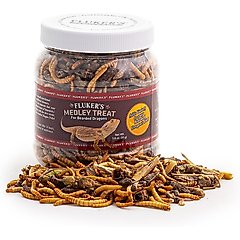
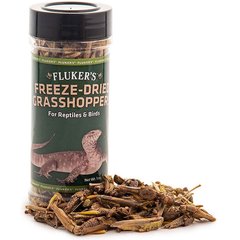
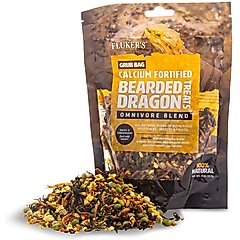
If you want to give your beardie something special without taking that risk, these reptile-friendly treats are a safer way to go:
Recommended Products
Why Is Avocado Bad for Bearded Dragons?
Avocado comes with a few red flags for beardies, and not all of them have to do with persin. Here’s a closer look at the risks:
- Heart and breathing problems: In animals susceptible to avocado toxicosis, persin can damage heart muscle. This may lead to signs such as weakness, difficulty breathing, abnormal heart function, and potentially death. It’s not known whether bearded dragons respond the same way, but the severity seen in other species is enough reason to avoid exposure altogether.
- Lots of fat for a little lizard: Even if persin weren’t a concern, avocado wouldn’t be an especially good choice for a beardie. It’s high in fat, so regularly feeding it could add unnecessary calories while displacing the greens, vegetables, and appropriately sized feeder insects that provide more useful nutrition.
- A pit and skin that pose their own problems: The large pit is a choking hazard, while pieces of the tough skin may also be difficult for a beardie to chew and digest. Neither belongs in the enclosure.
My Bearded Dragon Ate Avocado—What Do I Do?
If your bearded dragon ate avocado, don’t wait for symptoms to appear before making a call—contact your veterinarian or an emergency exotic-animal veterinarian right away.
You can also call the Pet Poison Helpline (855-764-7661) for 24/7 guidance. Their veterinary toxicology team handles exposures involving exotic species.
Before you call, try to note:
- How much avocado your beardie ate
- Which part(s) they ate, such as the flesh, skin, pit, leaf, or stem
- When they ate it
- Whether it was plain avocado or part of a prepared food, such as guacamole
- Any other ingredients in the food, particularly garlic, onion, salt, or hot peppers
While you’re getting veterinary guidance, watch closely for:
- Lethargy or weakness
- Trouble breathing
- Reduced appetite
- Vomiting or regurgitation
- Loose stool
- Bloating or other noticeable changes in the abdomen
Don’t try to make your beardie vomit or give a home remedy unless a veterinarian or poison-control professional specifically tells you to. Reptiles require species-specific care, and the Pet Poison Helpline advises against inducing vomiting or giving home antidotes without professional direction.
How Do Vets Help After a Bearded Dragon Eats Avocado?
Calling the vet doesn’t automatically mean your beardie will need intensive treatment. What happens next depends on the amount and type of avocado they ate, how long ago it happened, and whether they’re showing any symptoms.
Your veterinarian may:
- Ask about the exposure: Be ready to share how much avocado your beardie may have eaten, which part they got into, when it happened, and whether it was plain avocado or part of a prepared food.
- Give your beardie a physical exam: Your vet may evaluate breathing, hydration, activity level, and overall condition, paying particular attention to any signs that could indicate a more serious reaction.
- Recommend additional monitoring or testing: Depending on the exposure and your beardie’s condition, your veterinarian may want to monitor them more closely or perform diagnostic tests to look for complications.
- Provide supportive care if needed: There’s no specific antidote for avocado toxicosis, so treatment generally focuses on supporting the beardie and addressing any symptoms or complications that develop.
The important thing is to make that first call quickly. Early veterinary guidance gives you a plan based on your beardie’s specific exposure rather than waiting at home to see whether symptoms appear.
How Can I Prevent My Bearded Dragon From Eating Avocado?
Your beardie probably isn’t plotting an avocado heist, but accidental bites can happen surprisingly fast. A dropped scrap, a shared cutting board, or a well-meaning family member is all it takes.
A few simple habits can keep avocado safely out of reach:
- Keep avocado, guacamole, avocado oil, and avocado scraps away from your beardie and their enclosure.
- Don’t prep avocado near your bearded dragon’s salad ingredients.
- Wash knives, cutting boards, bowls, and other utensils before using them to prepare your beardie’s food.
- Clean up dropped avocado pieces and scraps right away, especially if your beardie spends supervised time outside the enclosure.
- Make sure everyone who feeds your beardie knows that avocado is completely off-limits
- Keep a short list of beardie-safe greens, vegetables, and feeder insects handy so anyone helping with meals knows what they can offer instead.
FAQs About Avocado for Bearded Dragons
Can baby bearded dragons eat avocado?
No. Avocado is off-limits at every age. Baby beardies are small and still developing, so unsafe foods can become serious quickly. If yours gets into avocado accidentally, contact your veterinarian for guidance.
Can bearded dragons eat guacamole?
No, bearded dragons should not eat guacamole. In addition to avocado, guacamole usually contains other ingredients, like garlic, onion, and hot peppers, that can be unsafe for beardies.
Is avocado toxic to bearded dragons?
Avocado may be toxic to bearded dragons, so it’s safest to avoid it completely. Avocado can cause poisoning in other animals, but there isn’t enough research to know exactly how bearded dragons react to persin or how much would cause a problem. Since there’s no known safe amount, don’t offer avocado at all.
Attributions
This article was created with assistance from AI tools. The content has been reviewed for accuracy and edited by a human.