How To Tell a Bearded Dragon’s Age


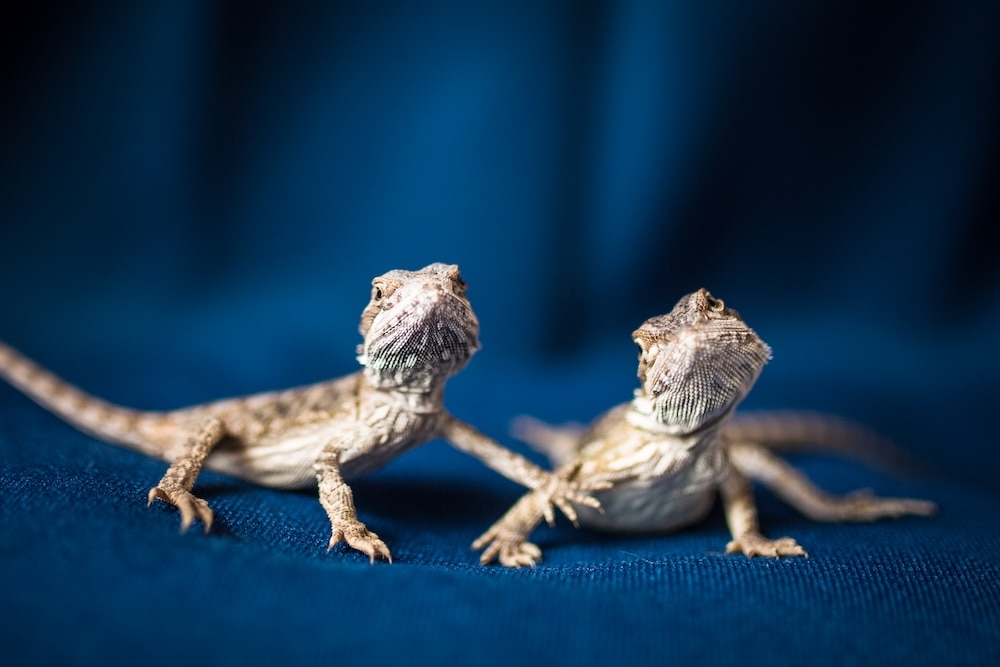
Photo by petesphotography/iStock/Getty Images Plus
If your bearded dragon came home without a birthday on the calendar, you might wonder whether there’s a way to figure out how old they are. Unfortunately, there’s no simple test that can reveal an exact hatch date.
For young bearded dragons, size and growth can provide some clues. Once they reach adulthood, however, estimating age becomes much harder. Here’s how to tell a bearded dragon’s age as accurately as possible, and when the guesswork begins.
- Can You Tell Exactly How Old a Bearded Dragon Is?
- How To Estimate a Young Bearded Dragon’s Age by Size
- Are Bearded Dragon Age Charts Accurate?
- Can You Tell a Bearded Dragon’s Age by Their Teeth?
- Can You Tell a Bearded Dragon’s Age by Sexual Maturity?
- How To Tell if a Bearded Dragon Is a Juvenile or an Adult
Key Takeaways
- The most reliable way to know a bearded dragon’s age is to have a documented hatch date or other records.
- Length and weight can offer rough clues for young, growing bearded dragons, but they cannot pinpoint an exact age.
- Once a bearded dragon reaches adulthood, physical appearance usually cannot tell you whether they are 2 years old or much older.
- Genetics, diet, health, UVB lighting, and other care factors can affect growth.
- An exotic animal veterinarian may help estimate your dragon’s life stage, but they may not be able to determine an exact age.
Can You Tell Exactly How Old a Bearded Dragon Is?
In most cases, you cannot determine a bearded dragon’s age just by looking at them.
The best evidence is a documented hatch date from a breeder or previous owner. Records from a rescue, pet store, or veterinarian may also provide helpful information about when your dragon was born or how old they were at a previous visit.
Without records, you may be able to estimate whether your dragon is a juvenile or adult. But once they are mature, physical traits don’t provide a reliable way to tell whether they are, for example, 3 or 6 years old.
Even scientific methods used to estimate reptile ages have limitations, so pet parents should be cautious about online tricks that promise an exact answer.
How To Estimate a Young Bearded Dragon’s Age by Size
Size can be one of the more useful clues when a bearded dragon is still growing. But think of it as a broad estimate, not a birthday calculator.
Measure Your Bearded Dragon’s Length
To measure your bearded dragon, gently place them on a flat surface and measure from the tip of the nose to the tip of the tail. Keep your dragon comfortable, and don’t force them to straighten out if they want to move away.
Young bearded dragons generally grow quickly during their first year of life. Still, two dragons of the same age may not be exactly the same size.
Growth can be influenced by factors including:
- Genetics
- Diet and nutrition
- Overall health
- UVB exposure
- Enclosure temperatures
- Individual differences in development
A shortened or previously injured tail can also make total body length misleading.
Weigh Your Bearded Dragon
Weight can provide another piece of the puzzle, especially when you track it over time.
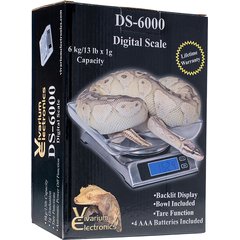
A reptile-safe digital scale such as this one from Vivarium Electronics can help you monitor your dragon’s weight as they grow.
Recommended Product
But weight alone cannot determine age. Body condition, health, and individual size differences can mean that two dragons who are the same age can weigh very different amounts.
Tracking your own dragon’s weight and length over time is generally more useful than comparing one measurement with a chart online.
Are Bearded Dragon Age Charts Accurate?
You may find bearded dragon age charts that match a certain body length or weight with a specific number of months. These charts can provide a very rough reference for juveniles, but they should not be treated as precise.
Healthy growth depends on many factors, including appropriate nutrition, temperatures, and UVB lighting.
Recommended Products
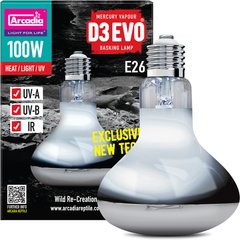
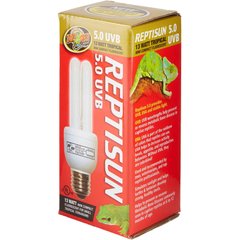
UVB helps reptiles produce vitamin D3, which is important for normal calcium use and bone health.
Because care and individual biology affect development, a dragon who is smaller than a chart may suggest is not always younger. Likewise, a larger dragon is not necessarily older.
If your bearded dragon is not growing as expected or you have concerns about their body condition, talk with a veterinarian experienced with reptiles instead of relying on an age chart.
Can You Tell a Bearded Dragon’s Age by Their Teeth?
A bearded dragon’s teeth are not a dependable age calculator.
Unlike some other animals, bearded dragons do not have simple dental features that reptile owners can use to determine age. Tooth wear and other changes in the mouth may be affected by health, diet, injury, and individual differences.
A reptile veterinarian may examine your dragon’s mouth during a routine physical exam, but the teeth and their appearance do not provide an accurate age.
Can You Tell a Bearded Dragon’s Age by Sexual Maturity?
Reproductive maturity can tell you something about a bearded dragon’s developmental stage, but it cannot reveal their exact age.
Different dragons mature at different rates, so physical maturity should not be used as a month-by-month age calculator.
Once a dragon has reached adulthood, maturity also does little to distinguish a younger adult from an older one.
How To Tell if a Bearded Dragon Is a Juvenile or an Adult
When records are unavailable, identifying a general life stage is often more realistic than guessing an exact age.
Juvenile Bearded Dragons
A juvenile bearded dragon is still actively growing. You may notice regular increases in length and weight when measurements are taken over a period of several weeks or months.
Because growth rates vary, avoid assigning a precise age based on one measurement.
Adult Bearded Dragons
As bearded dragons mature, their rapid growth slows and they reach their adult body size.
At this point, age becomes much harder to estimate visually. A healthy young adult and an older adult can look quite similar, so body size alone cannot tell you how old your dragon is.
What If I Don’t Know My Bearded Dragon’s Birthday?
Not knowing your bearded dragon’s exact age doesn’t need to stop you from providing great care.
Ask the breeder, rescue, pet store, or previous owner whether any hatch or veterinary records are available. If not, start keeping your own records, including your dragon’s weight, length, appetite, behavior, and veterinary visits.
An exotic veterinarian who works with reptiles can examine your bearded dragon and determine whether they appear to be a juvenile or adult. They can also check your dragon’s overall health and review important details, such as diet, heating, and UVB lighting.
For your dragon’s well-being, knowing their current health and life stage is generally much more useful than guessing the number of candles that belong on their birthday treat.
FAQs About Bearded Dragon Age
How can I tell how old my bearded dragon is?
The most accurate method is finding a documented hatch date or previous records. Without those, size and ongoing growth may help you estimate the age of a juvenile, but an adult’s exact age usually cannot be determined from appearance.
Can you tell a bearded dragon’s age by size?
Size can provide a rough clue while a bearded dragon is actively growing. However, genetics, diet, health, and their overall care all affect growth, so length should not be treated as an exact indicator of age.
Is there a bearded dragon age chart?
Bearded dragon age charts exist, but they provide estimates rather than exact ages because individual dragons can grow at different rates. A veterinarian should evaluate any concerns about unusually fast or slow growth.
Can a vet tell how old my bearded dragon is?
A reptile-experienced veterinarian may be able to estimate your dragon’s life stage based on their history, size, development, and physical exam. But without a known hatch date or previous records, even a veterinarian may not be able to determine an exact age.
Attributions
This article was created with assistance from AI tools. The content has been reviewed for accuracy and edited by a human.