10 Reasons Why Chinchillas Make Amazing Pets


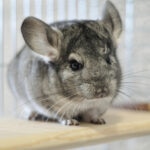
Photo by Chewy
Chinchillas make plush little pals with their exceptionally soft fur, not to mention their adorably large ears and rotund body shape. Native to the Andes Mountains, these exotic cuties are endangered in the wild—but you’ll be pleased to learn chinchillas continue to thrive as pets.
If you’re thinking about becoming a new pet parent, consider adding one of these small, furry friends to your family. The chinchilla makes a great family pet because they’re cute, but also quiet, trainable, and long-lived. Like mice and hamsters, chinchillas are part of the rodent family, but they require some specialized chinchilla care.
Here are 10 reasons why chinchillas make amazing pets!
Key Takeaways
- Chinchillas have incredibly soft fur and a unique appearance that makes them stand out.
- With an average lifespan of 10–15 years with proper care, chinchillas are a long-term commitment.
- Chinchillas require gentle handling and dust baths, and they thrive with patient pet parents in cool, low-stress environments.
- Most active at dawn and dusk, a chinchilla's natural rhythms may suit the schedules of working pet parents
1. Chinchillas Require a Low-Maintenance Diet
Chinchillas don’t require a lot of complex foods, but it’s important to stick to their modest yet essential dietary needs. Chinchillas are herbivores and live off a simple high-fiber, low-fat and low-sugar diet based on timothy hay and compacted chinchilla pellets. Since their diet is low maintenance, it’s also important to keep sweet treats to a minimum—going overboard can do more harm than good.
2. Chinchilla Fur Is Considered the Softest in the World
Chinchillas are known around the world for their soft, luxurious and extremely dense fur. Their fur is so thick that one follicle can hold up to 50 hairs or more! They also don’t produce as much dander as other pets—which is great for pet lovers prone to allergies; plus, fleas and mites have little to no interest in their naturally impenetrable fur.
However, thick fur also comes with the susceptibility to overheating. Temperatures just above 75 degrees Fahrenheit—while comfy for humans—can be too much for these little creatures, so they must be kept in a cool and air-conditioned area.
3. Chinchillas Use Their Fur as a Defense Mechanism
Want to know another fun fact about chinchilla fur? It serves as a defense mechanism.
“Since chinchillas are a prey species, it is not uncommon for them to get caught in the mouths of predators in the wild,” explains Dr. Laurie Hess, DVM, owner of the Veterinary Center for Birds & Exotics in Bedford Hills, New York, and director of pet health and nutrition at ZuPreem. “To help them escape from a hungry predator, chinchillas have the ability to automatically release patches of fur to escape—known as fur slip.”
Which is why you should never grab a chinchilla by the fur, since mishandling your fur baby could mean she won’t be as furry for long.
4. They Bathe Themselves in Dust
Yep, you read that right—unlike other pets, chinchillas shouldn’t bathe in water because it will strip the natural oils from their dense fur. Instead, they require a dust bath to keep their coats silky smooth. As an extra bonus, dust baths can even help alleviate stress in your chinchilla pet—that means more fun for them.
To keep her looking and feeling her best, it’s recommended to bathe your chinchilla pet at least two times a week in an all-natural dust bath. Also, since you probably don’t want to use your own bathtub, you may want to consider a chinchilla dust bath house. This provides a safe and easy-to-clean enclosure for your furry friend to roll around to her heart’s content.
5. They Have a Long Lifespan
Chinchillas have an average lifespan of 10–15 years and can even live up to 20 years! This means that you can create a strong, long-lasting bond with your chinchilla. A chinchilla pet is perfect for a committed parent who wants companionship for years to come.
6. They’re the Perfect Pet for the Working Parent
If you’re afraid you won’t be able to devote enough time to your pet because you work all day, then a chinchilla may be the perfect pal for you.
Chinchillas range from nocturnal to crepuscular, which means they usually sleep during the day in their and are most active at night or at dusk and dawn.
With a chinchilla, you can head to work without feeling guilty, knowing that your furry friend is happily resting in her chinchilla hut, which will be perfect for a playtime romp once the sun goes down.
You also may want to put your chinchilla cage somewhere other than your bedroom—that way you can get a good night’s sleep without being disturbed by her playful ruckus.
7. Chinchillas Are Affectionate
While chinchillas prefer not to cuddle, they are still very affectionate with their pet parents. They are naturally curious and enjoy being out of their chinchilla cages whenever possible—supervised by their pet parent, of course!
“In the wild, chinchillas spend a lot of time foraging for leaves and food, which they don’t have the opportunity to do in captivity,” Dr. Hess says.
Therefore, she recommends letting chinchillas out of their cages at least once a day for as much time as they can as a part of proper chinchilla care.
8. Chinchillas Are Speedy
Although “chill” is in their name, chinchillas are usually far from it. “Chinchillas are typically very skittish animals because they are a prey species,” Dr. Hess says.
They also love to run, jump and climb, which is why they prefer not to feel restrained. Chinchillas have the perfect temperament to build a two-way relationship with other chinchillas and pet parents alike, but just like us, they each have their own unique personality.
9. Chinchillas Are Trainable
Chinchillas are trainable, and with a lot of patience, they can learn to be potty trained and gently held. It helps to start when they are young, and you need to build a strong bond with them. A bonded chinchilla will be more social and is more receptive to being held than one that hasn’t had the chance to bond.
“Chinchillas can be fun and very sweet, but you need to work with them and teach them to be comfortable with you,” Dr. Hess says.
This will take time and effort, but once you bond with your chinchilla, you will create an even stronger relationship over time.
10. The More Chinchillas the Merrier
Chinchillas typically live in colonies or “herds,” which is actually what you call a group of chinchillas. Therefore, if you are considering getting a chinchilla—while not required—you may want to consider two of them. That way, your furry friend will never get bored or lonely.
As you can see, these cute creatures have many amazing qualities to offer and can make the perfect pet for the right parent. They can form a bond that will last for years to come—plus, let’s be honest, who wouldn’t want a pocket-size best friend?
FAQs About Chinchillas as Pets
Are chinchillas good pets?
Chinchillas can make good pets for those who can make a long-term commitment since these soft little creatures can live for up to 20 years, with an average lifespan of 10–15 years. Chinchillas are quiet and trainable, with an affectionate nature and lots of personality.
They have some unique care needs but they’re relatively low-maintenance, requiring gentle handling and a cool (preferably air-conditioned) environment, no bathing (or rather, dust bathing they tend to with some supplies that you provide), and a simple, high-fiber diet of timothy hay and chinchilla pellets.
Are chinchillas low-maintenance pets?
Chinchillas are relatively low-maintenance pets since their high-fiber diet consists of timothy hay and chinchilla pellets, and they can be kept in a cage in a cool, quiet spot in your home.
Chinchillas can be potty trained and don’t require regular bathing; instead they bathe themselves by rolling around in a weekly all-natural dust bath (dust provided by you!) in an easy-to-clean, enclosed “dust bath house” to keep their soft fur silky.
How long do chinchillas live as pets?
Chinchillas have an average lifespan of 10-15 years and can even live up to 20 years, so bringing one home is a long-term commitment.
Do chinchillas need baths?
No, chinchillas do not need traditional baths because water can strip the natural oils from their dense, soft fur. Instead, chinchillas bathe themselves, ideally twice a week, by rolling in special all-natural dust placed within a safe and easy-to-clean enclosure known as a chinchilla dust bath house.
Attributions