Sort
Filter


$9.99 Chewy Price
($0.46/oz) Price per Unit
$19.19 List Price
$9.49 Autoship Price


$6.09 Chewy Price
($2.03/ea) Price per Unit
$13.99 List Price
$5.79 Autoship Price


$9.95 Chewy Price
($9.95/ea) Price per Unit
$12.99 List Price
$9.45 Autoship Price
$14.99 Chewy Price
($14.99/ea) Price per Unit
$14.24 Autoship Price

$3.03 Chewy Price
($0.07/oz) Price per Unit
$12.39 List Price
$2.88 Autoship Price
$2.99 Chewy Price
$6.49 List Price
$2.84 Autoship Price

$4.99 Chewy Price
($1.67/ea) Price per Unit
$5.99 List Price
$4.74 Autoship Price

$10.39 Chewy Price
($0.60/oz) Price per Unit
$22.99 List Price
$9.87 Autoship Price


$6.09 Chewy Price
($2.03/ea) Price per Unit
$12.99 List Price
$5.79 Autoship Price

$11.95 Chewy Price
($11.95/ea) Price per Unit
$12.99 List Price
$11.35 Autoship Price

$3.57 Chewy Price
($1.79/ea) Price per Unit
$9.79 List Price
$3.39 Autoship Price

$7.59 Chewy Price
($2.53/ea) Price per Unit
$18.99 List Price
$7.21 Autoship Price

$3.99 Chewy Price
($2.00/ea) Price per Unit
$5.89 List Price
$3.79 Autoship Price
$8.19 Chewy Price
($8.19/ea) Price per Unit
$10.68 List Price
$7.78 Autoship Price

$11.79 Chewy Price
($0.24/oz) Price per Unit
$12.39 List Price
$11.20 Autoship Price
$15.96 Chewy Price
($7.98/ea) Price per Unit
$22.99 List Price
$15.16 Autoship Price

$5.09 Chewy Price
($5.09/ea) Price per Unit
$8.99 List Price
$4.84 Autoship Price

$4.71 Chewy Price
($4.71/ea) Price per Unit
$4.99 List Price
$4.47 Autoship Price

$4.99 Chewy Price
($1.67/ea) Price per Unit
$5.99 List Price
$4.74 Autoship Price

$19.99 Chewy Price
($1.82/oz) Price per Unit
$27.62 List Price
$18.99 Autoship Price

$5.79 Chewy Price
($0.05/ea) Price per Unit
$9.49 List Price
$5.50 Autoship Price

$21.09 Chewy Price
($0.23/g) Price per Unit
$20.04 Autoship Price

$7.95 Chewy Price
($0.80/ea) Price per Unit
$9.99 List Price
$7.55 Autoship Price

$6.19 Chewy Price
($6.19/ea) Price per Unit
$5.88 Autoship Price
$7.04 Chewy Price
($2.35/ea) Price per Unit
$6.69 Autoship Price

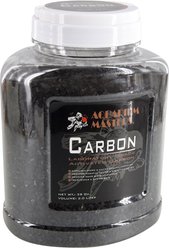
$13.87 Chewy Price
($0.36/oz) Price per Unit
$15.73 List Price
$13.18 Autoship Price

$10.99 Chewy Price
($10.99/ea) Price per Unit
$12.99 List Price
$10.44 Autoship Price

$7.99 Chewy Price
($2.00/ea) Price per Unit
$9.99 List Price
$7.59 Autoship Price
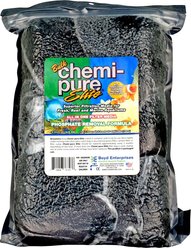
$86.25 Chewy Price
($1.23/oz) Price per Unit
$108.26 List Price
$81.94 Autoship Price
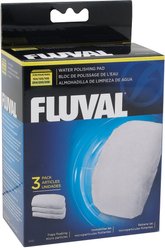
$3.79 Chewy Price
($1.27/ea) Price per Unit
$7.99 List Price
$3.60 Autoship Price
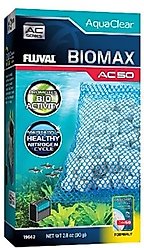





Aquarium & Fish Tank Filter Media
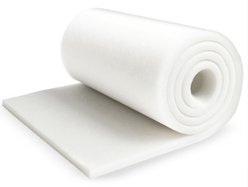
Fish tank filter media is essential for a thriving fish tank, as it contains the material that helps remove or break down debris and other harmful elements from the water. Fish tank filter media and aquarium filter media facilitate clean water for your pet fish and underwater plants. Whether your tank is fresh water or saltwater and what it contains are two factors that can affect which filter media you choose. Filter media comes in different forms, which include:
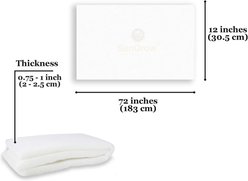
- Mechanical: This media features sponges, filter floss, and foam pads that remove actual particles in the water
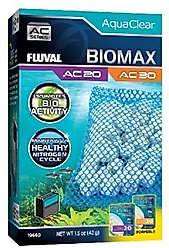
- Biological: Common biological media consists of bio-balls and bio-rings, which include helpful bacteria that break down waste
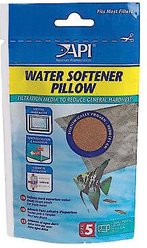
- Chemical: Chemical media usually contains activated carbon, which helps remove chlorine and other chemical elements from your tank
A quick note about maintaining some filter media: When you notice a buildup of debris, always rinse your media with tank water- not tap water that hasn't been treated to remove chlorine. Shop Chewy's vast array of fish tank filter media today to ensure your fish friends keep thriving in a clean and healthy underwater environment.
Frequently Asked Questions about Aquarium & Fish Tank Filter Media
What is aquarium filter media?
Aquarium filter media refers to the specific materials located inside the tank filter that purify the water. Filter media can come in three forms- namely biological, chemical, and mechanical.
What are the three types of fish tank filter media?
The three types of fish tank filter media are biological, chemical, and mechanical. Mechanical uses things like sponges and filter floss to remove debris from water. Chemical uses activated carbon and other similar materials to remove chemical contaminants. Biological uses advantageous bacteria media, which can help remove waste.
How long does aquarium filter media last?
Aquarium filter media has different lifespans depending on factors like the type of media, your type of tank, the tank contents, and frequency of water changes. In general, biological filter media may rarely need replacement unless it's damaged; but it must be rinsed and cleaned regularly. Chemical media containing activated carbon is typically replaced within a window of 1–3 weeks. Regularly test your water to ensure that the filters are working properly. Mechanical media, on the other hand, can last for several years, but regular replacement might be best. Consult with your fish-savvy veterinarian or hobbyist to get the best advice for your particular setup.
How often should I rinse fish tank filter media?
Fish tank filter media should be rinsed approximately every 2–4 weeks, but this can vary depending on your tank setup or maintenance. If you notice debris buildup, a change in noise, or a reduction in water flow, it's likely time to rinse. When rinsing, it's important to do so with fish tank water and not tap water, because tap water contains chlorine.
Save 5% on repeat deliveries
Brand
7 Brands are shown below