Sort
Filter
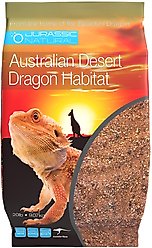

$59.99 Chewy Price
($3.00/lb) Price per Unit
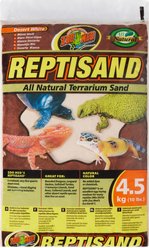
$12.99 Chewy Price
($1.30/lb) Price per Unit
$14.99 List Price
$12.34 Autoship Price
$6.66 Chewy Price
($0.67/lb) Price per Unit
$6.33 Autoship Price
$28.79 Chewy Price
($28.79/ea) Price per Unit
$41.99 List Price
$27.35 Autoship Price
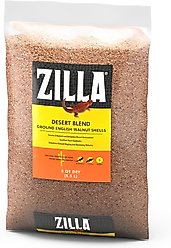
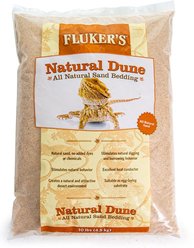
$11.99 Chewy Price
($1.20/lb) Price per Unit
$12.06 List Price
$11.39 Autoship Price
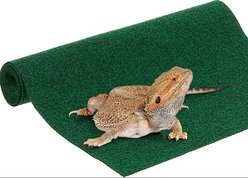
$8.99 Chewy Price
($8.99/ea) Price per Unit
$9.99 List Price
$8.54 Autoship Price
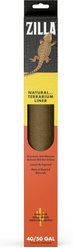
$12.45 Chewy Price
($12.45/ea) Price per Unit
$15.49 List Price
$11.83 Autoship Price
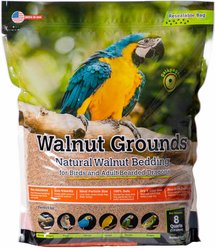
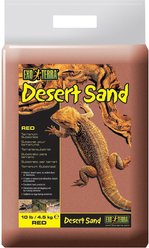
$14.99 Chewy Price
($1.50/lb) Price per Unit
$15.99 List Price
$14.24 Autoship Price
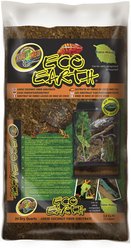
$25.98 Chewy Price
$28.99 List Price
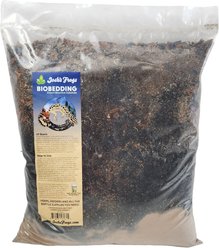
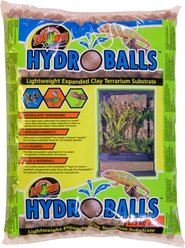
$9.98 Chewy Price
($4.00/lb) Price per Unit
$9.99 List Price
$9.48 Autoship Price
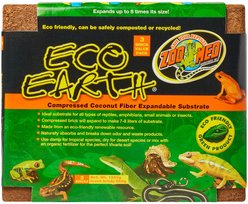
$9.98 Chewy Price
($3.33/ea) Price per Unit
$10.99 List Price
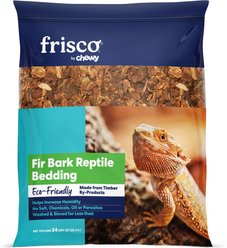
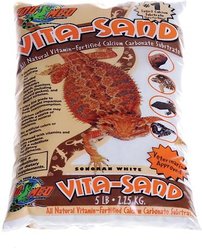
$13.29 Chewy Price
($1.33/lb) Price per Unit
$12.63 Autoship Price
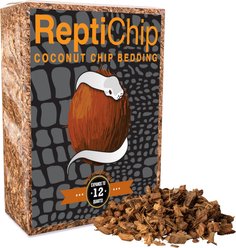
$19.95 Chewy Price
$22.95 List Price
$18.95 Autoship Price
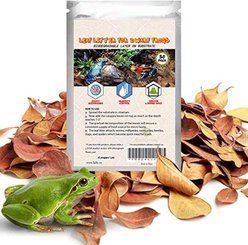
$5.97 Chewy Price
($0.12/ea) Price per Unit
$9.99 List Price
$5.67 Autoship Price

$11.99 Chewy Price
($11.99/ea) Price per Unit
$15.49 List Price
$11.39 Autoship Price
$29.98 Chewy Price
$33.99 List Price

$6.37 Chewy Price
$8.57 List Price
$6.05 Autoship Price
$6.79 Chewy Price
($4.75/lb) Price per Unit
$6.45 Autoship Price
$5.91 Chewy Price
($5.91/ea) Price per Unit
$9.99 List Price
$5.61 Autoship Price

$10.32 Chewy Price
($0.26/gl) Price per Unit
$12.99 List Price
$9.80 Autoship Price
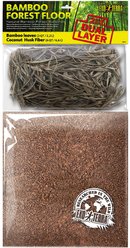
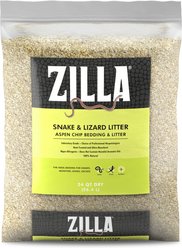
$17.99 Chewy Price
$25.99 List Price
$17.09 Autoship Price
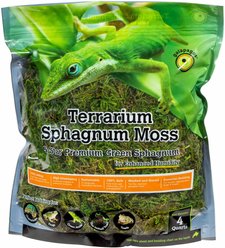
$12.99 Chewy Price
$14.99 List Price
$12.34 Autoship Price

$12.99 Chewy Price
($0.26/gl) Price per Unit
$14.99 List Price
$12.34 Autoship Price
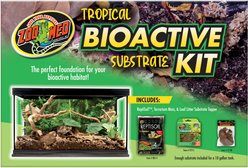

$11.69 Chewy Price
$12.16 List Price
$11.11 Autoship Price
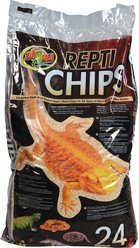
$22.99 Chewy Price
($22.99/ea) Price per Unit
$27.99 List Price
$21.84 Autoship Price
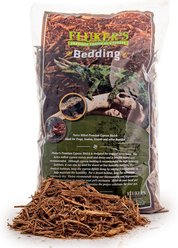
$11.54 Chewy Price
$12.16 List Price
$10.96 Autoship Price




Bearded Dragon Substrate & Bedding
Bearded dragon substrate is an ongoing debate between reptile keepers with varying opinions. Substrate, or bedding, is important to reptile health since it plays a role in enrichment, maintaining temperature, and safety. Bearded dragon substrate can be divided into two general categories: loose and solid, with different schools of thought on what is best and suitable for their bearded dragons. Common bearded dragon substrate materials are:
- Wood: Chips from trees like aspen, bamboo, cypress, pine, and Douglas fir
- Clay: To mimic the surface of their natural habitat
- Coconut Husk: Bedding made of loose coconut fibers
- Liner: Terrarium liners, mats, and reptile carpets
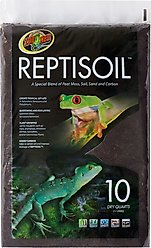
- Moss: To maintain tank humidity
- Paper: A lower-cost bedding, easy to replace
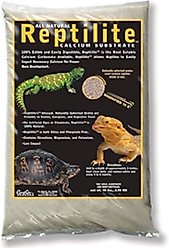
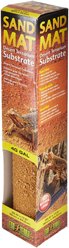
- Sand: Calcium substrate, terrarium sand, and sand mats
Ultimately, your substrate depends on your experience, personal preferences, and the age and health of your bearded dragon. All substrates and enclosures can harbor bacterial and fungal growth, so monitor your tank's hygiene, humidity, and temperature. Spot clean your tank and completely change out the bedding from time to time.
Frequently Asked Questions about Bearded Dragon Substrate & Bedding
What substrate is better for bearded dragons?
The best substrate for your bearded dragon depends on your experience as a keeper and your dragon. Some keepers recommend clay-sand substrate to mimic their natural environment. Others recommend non-particle substrates like paper and liners for keepers with safety concerns about accidental swallowing or if they have younger bearded dragons.
What type of bedding should I use for my bearded dragon?
Reptile keepers recommend solid bedding for younger or smaller bearded dragons since they might accidentally injure themselves or swallow something, which can lead to impaction. Others prefer loose or natural substrates for enrichment since bearded dragons like to dig and burrow.
How deep should the substrate be for a bearded dragon?
The depth of your bearded dragon substrate depends on the size of your tank and the material of your substrate. If you're using a loose substrate, you need to create a layer that's at least 4–6 inches deep throughout the tank.
Save 5% on repeat deliveries
Substrate Type
Product Type
Brand
7 Brands are shown below