Sort
Filter


$45.99 Chewy Price
$108.99 List Price



$99.99 Chewy Price
$169.99 List Price


$79.99 Chewy Price
$94.99 List Price

$139.99 Chewy Price
$199.99 List Price



$42.99 Chewy Price
($4.30/ea) Price per Unit
$49.99 List Price

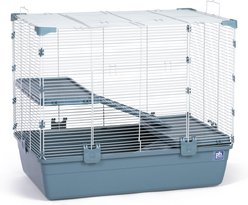


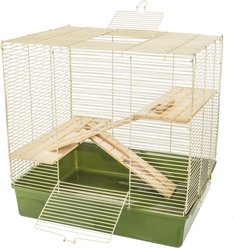
Out of Stock
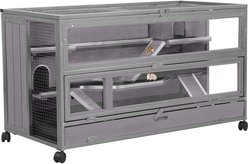
Out of Stock

Out of Stock
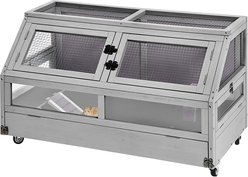
Rat Cages
Give your whiskered friends the home they deserve with our selection of rat cages designed for endless exploration. Quality rat cages provide the foundation for a happy, healthy pet rat experience, offering ample space for exercise, rest, and play. At Chewy, we've carefully curated rat cages that combine durability with pet-friendly features to ensure your little companions thrive in their environment.
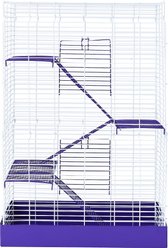
- Multi-level designs: Provide plenty of room to roam with ramps and platforms
- Brake caster varieties: Allow you to easily move the cage wherever you desire
- Latch door closure: For easy access and cleaning
- Chew-resistant materials: For lasting durability
- Removable trays: Provide simple maintenance
- Accessories compatible: Effortlessly add exercise wheels and toys
Chewy's selection of rat cages includes various styles to accommodate every rat's needs, from roomy multi-level habitats perfect for multiple rats to compact, mobile designs ideal for limited spaces. The right cage provides essential ventilation, prevents escapes, and offers enough room for your rats to truly feel safe and loved.
Frequently Asked Questions about Rat Cages
What cage is best for rats?
The best cage for rats is one that is large enough for your friend and has plenty of ventilation. The average rat needs at least 2 cubic feet for his enclosure. There are many cages available that will closely fit this 2 cubic feet recommendation, however, the more space your rat has the better, so consider getting a multi-level cage.
What size cage does a rat need?
A rat needs a cage that’s big enough for them to run around, climb, play, eat, and sleep in. A rat cage should provide at least two cubic feet of space per rat, if not more—bigger is always better when it comes to rat cages, so get the largest one you can.
What size cage do I need for two rats?
The size cage you need for two rats is at least 4 cubic feet of space.
How do you set up a rat cage?
Set up a rat cage according to the product assembly instructions, then fill it with the essentials your rat needs to thrive. You’ll need water bottles and feeders (ideally one per rat), lots of fresh rat bedding, rat hideouts, toys, and possibly a litter box or two if your rats are potty trained. A rat wheel can provide great exercise for your rats, and tunnels, ramps, ladders, and hammocks are good outlets for energy, as well.
What type of cage is best for a pet rat?
Wire cages with horizontal bars are ideal for pet rats! They provide excellent ventilation, allow your rats to climb (they love that!), and give you an easy way to attach toys and hammocks. Just make sure the bar spacing is no more than half an inch to prevent escapes- rats are surprisingly squeezy little creatures!
How big should a rat cage be?
The minimum recommended size is 2 cubic feet per rat, but bigger is always better! For a pair of rats (they should never live alone), look for a cage that's at least 24" x 14" x 24". Remember, rats are active, social animals who need space to play, explore, and establish their little rat territories.
Do pet rats like multi-level cages?
They absolutely adore them! Rats are natural climbers and love exploring different levels in their home. Multi-level cages provide environmental enrichment and exercise opportunities, and also let them satisfy their curious nature. Just make sure the ramps aren't too steep and platforms are secure to prevent falls.
Which materials are safe for a rat's cage?
The safest materials include powder-coated wire, stainless steel, and solid plastic components (for platforms and base trays). Avoid cedar and pine bedding, which contain harmful oils. For accessories, stick to untreated hardwoods, ceramic, and stainless steel. Rats love to chew, so always inspect plastic accessories regularly for damage that could create sharp edges.
Material
Brand
7 Brands are shown below