Best Cages For Lovebirds
Our Top Picks

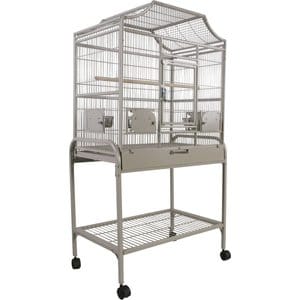


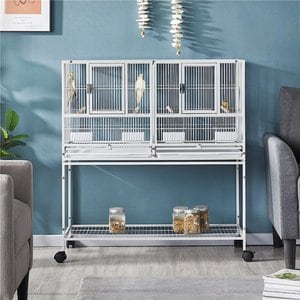


Yaheetech 54-in Rolling Metal Large Parrot Cage Mobile Bird Cage with Detachable Stand, White
$122.99 Chewy Price
Promo, Save 10% with code EARLY10
Our ratings
Accessibility
4.4/5
GreatBar spacing
4.4/5
GreatMaterial
4.5/5
GreatSize
4.5/5
Great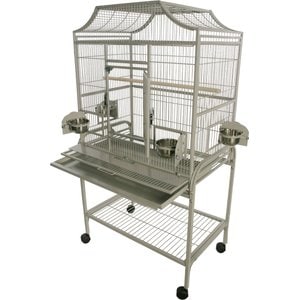
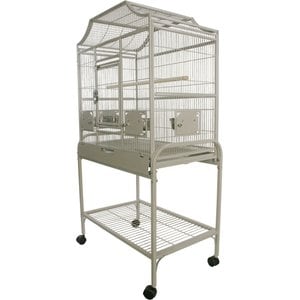
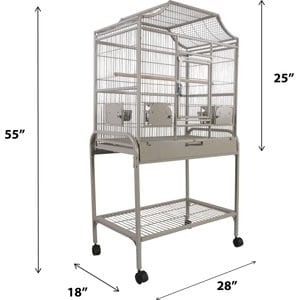

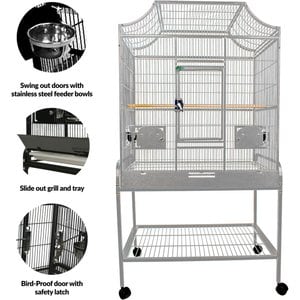
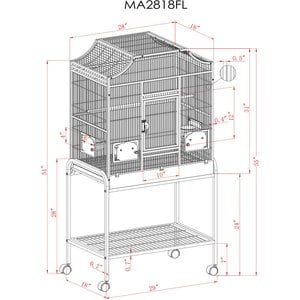
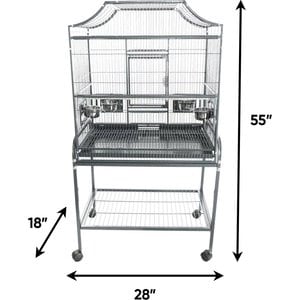
A&E Cage Company Elegant Style Flight Bird Cage, Platinum, Small
$279.99 Chewy Price
Promo, Save 10% with code EARLY10
Our ratings
Accessibility
4.5/5
GreatBar spacing
4.5/5
GreatMaterial
4.5/5
GreatSize
4.5/5
Great


Prevue Pet Products Travel Bird Cage
$74.99 Chewy Price
Promo, New Customers Only: Spend $49+, get $25 eGift Card
Our ratings
Accessibility
4.3/5
GreatBar spacing
4.4/5
GreatMaterial
4.4/5
GreatSize
4.3/5
Great


Yaheetech 69-in Parrot Cage with Detachable Stand, Black
$167.40 Chewy Price
Promo, New Customers Only: Spend $49+, get $25 eGift Card
Our ratings
Accessibility
4.6/5
ExcellentBar spacing
4.6/5
ExcellentMaterial
4.6/5
ExcellentSize
4.7/5
Excellent


Yaheetech 64-in Open Top Metal Parrot Cage with Detachable Rolling Stand, Black
$61.99 Chewy Price
Promo, Save 10% with code EARLY10
Our ratings
Accessibility
4.4/5
GreatBar spacing
4.4/5
GreatMaterial
4.4/5
GreatSize
4.5/5
Great


Prevue Pet Products Crystal Palace Luxe Glass Door Bird Cage, White
$159.99 Chewy Price
Promo, New Customers Only: Spend $49+, get $25 eGift Card
Our ratings
Accessibility
4.5/5
GreatBar spacing
4.8/5
ExcellentMaterial
4.5/5
GreatSize
4.2/5
Great


Yaheetech 63-in Metal Parrot Cage with Detachable Rolling Stand
$123.99 Chewy Price
Promo, New Customers Only: Spend $49+, get $25 eGift Card
Our ratings
Accessibility
4.9/5
ExcellentBar spacing
4.9/5
ExcellentMaterial
4.9/5
ExcellentSize
4.7/5
Excellent


Polly's Pet Products Portable Bird Stand, Green, X-Large
$40.83 Chewy Price
Promo, New Customers Only: Spend $49+, get $25 eGift Card
Our ratings
Accessibility
3.9/5
GoodBar spacing
4.3/5
GreatMaterial
4.0/5
GreatSize
4.1/5
Great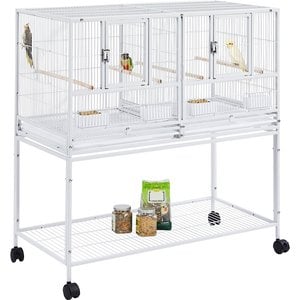
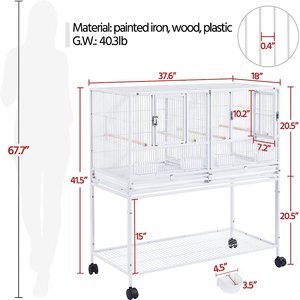

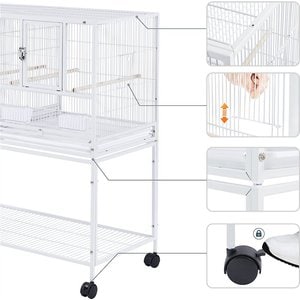
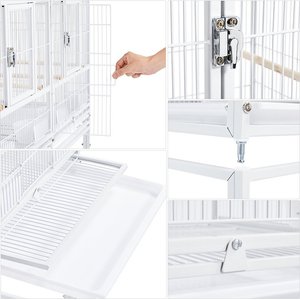
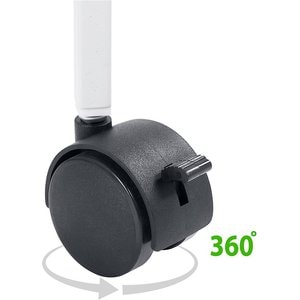
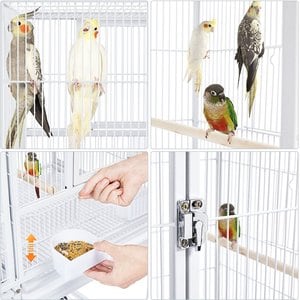
Yaheetech Stackable Wide Divided Breeder Bird Cage, White
$173.39 Chewy Price
Promo, New Customers Only: Spend $49+, get $25 eGift Card
Our ratings
Accessibility
4.8/5
ExcellentBar spacing
4.7/5
ExcellentMaterial
4.8/5
ExcellentSize
4.7/5
Excellent


Prevue Pet Products Parrot Play Stand with Wheels, Black
$139.99 Chewy Price
Promo, New Customers Only: Spend $49+, get $25 eGift Card
Our ratings
Accessibility
4.7/5
ExcellentBar spacing
4.6/5
ExcellentMaterial
4.6/5
ExcellentSize
4.4/5
Great