Best Snake Enclosures
Our Top Picks
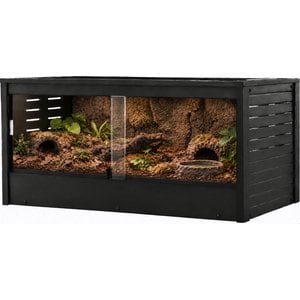


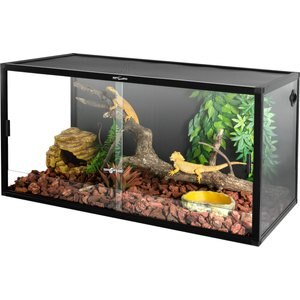


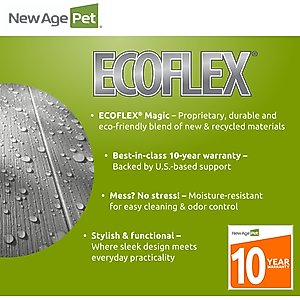


New Age Pet 120 gallon ECOFLEX Reptile Enclosure, Black, 4 x 2 x 2-ft
$249.99 Chewy Price
Promo, New Customers Only: Spend $49+, get $25 eGift Card
Our ratings
Material
4.3/5
GreatSize
4.3/5
GreatTemperature and Humidity Control
4.5/5
GreatVentilation
4.3/5
Great


Zilla Fresh Air Screen Cover for Terrariums, 36-in
$49.95 Chewy Price
Promo, New Customers Only: Spend $49+, get $25 eGift Card
Our ratings
Material
4.7/5
ExcellentSize
4.5/5
GreatTemperature and Humidity Control
4.6/5
ExcellentVentilation
4.8/5
Excellent
Fluker's Metal Reptile Terrarium Screen Cover, 12 x 30-in
$16.49 Chewy Price
Promo, New Customers Only: Spend $49+, get $25 eGift Card
Our ratings
Material
4.0/5
GreatSize
4.2/5
GreatTemperature and Humidity Control
4.4/5
GreatVentilation
4.1/5
Great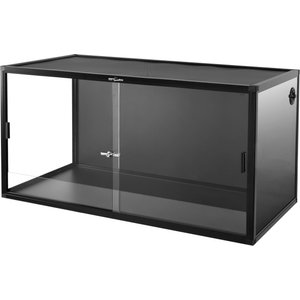
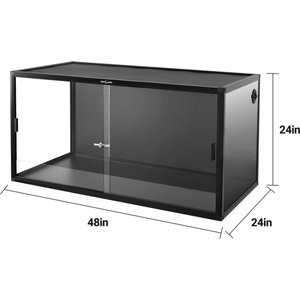
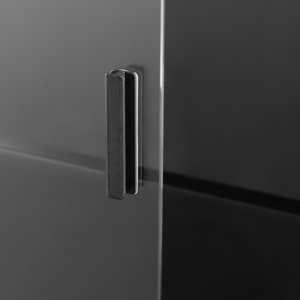

REPTI ZOO Light Weight Enclosure Reptile Terrarium, Black, 120-gal: 48 x 24 x 24-in
$321.99 Chewy Price
Promo, New Customers Only: Spend $49+, get $25 eGift Card
Our ratings
Material
4.7/5
ExcellentSize
4.6/5
ExcellentTemperature and Humidity Control
4.7/5
ExcellentVentilation
4.8/5
Excellent
Zoo Med Substrate Bottom Tray for ReptiBreeze Reptile Cage, 24 x 24-in
$40.34 Chewy Price
Promo, New Customers Only: Spend $49+, get $25 eGift Card
Our ratings
Material
4.7/5
ExcellentSize
4.5/5
GreatTemperature and Humidity Control
4.7/5
ExcellentVentilation
4.7/5
Excellent

Exo Terra Screen Cover Reptile Accessories, 55-gal
$35.99 Chewy Price
($0.66/gl)
Promo, New Customers Only: Spend $49+, get $25 eGift Card
Our ratings
Material
4.1/5
GreatSize
4.2/5
GreatTemperature and Humidity Control
4.4/5
GreatVentilation
4.1/5
Great


HerpCult Acrylic Insect & Reptile Terrarium, Clear Top, Large
$49.53 Chewy Price
Promo, New Customers Only: Spend $49+, get $25 eGift Card
Our ratings
Material
4.6/5
ExcellentSize
4.6/5
ExcellentTemperature and Humidity Control
4.7/5
ExcellentVentilation
4.3/5
Great


Unipaws Reptile Terrarium, Black, 47-in, 110-gal
$199.99 Chewy Price
Promo, New Customers Only: Spend $49+, get $25 eGift Card
Our ratings
Material
4.0/5
GreatSize
3.8/5
GoodTemperature and Humidity Control
4.0/5
GreatVentilation
4.2/5
Great


OiiBO Tempered Glass Reptile Terrarium, Black, 50-gallon
$176.99 Chewy Price
($3.54/gl)
Promo, New Customers Only: Spend $49+, get $25 eGift Card
Our ratings
Material
4.3/5
GreatSize
4.4/5
GreatTemperature and Humidity Control
4.5/5
GreatVentilation
4.4/5
Great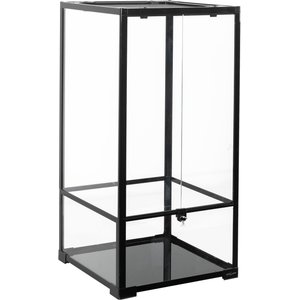
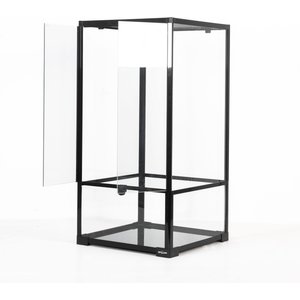
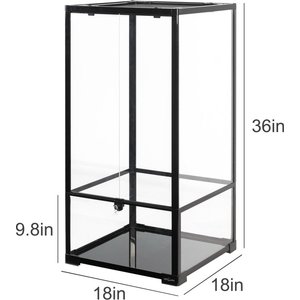
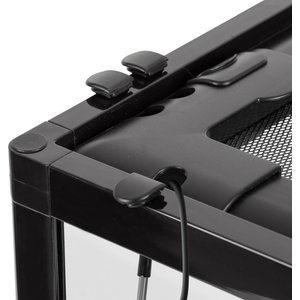
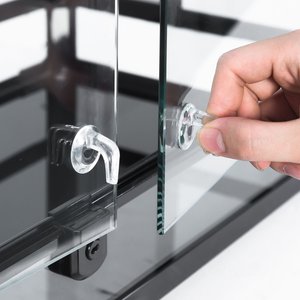
REPTI ZOO Reptile Glass Terrarium, Black, 50-gal
$184.99 Chewy Price
($3.70/gl)
Promo, New Customers Only: Spend $49+, get $25 eGift Card
Our ratings
Material
4.6/5
ExcellentSize
4.6/5
ExcellentTemperature and Humidity Control
4.8/5
ExcellentVentilation
4.4/5
Great