Best Wireless Dog Fences
Our Top Picks






PetSafe RFA-67 6 Volt Replacement Batteries, 2 pack
$7.95 Chewy Price
($3.98/ea)
Promo, New Customers Only: Spend $49+, get $25 eGift Card
Our ratings
Battery Life
4.5/5
GreatCustomization Options
4.3/5
GreatDurability
4.6/5
ExcellentRange
4.5/5
Great


Hoistspark F810Plus GPS Wireless Dog Fence System, Black, Medium
$129.99 Chewy Price
Promo, New Customers Only: Spend $49+, get $25 eGift Card
Our ratings
Battery Life
4.6/5
ExcellentCustomization Options
4.7/5
ExcellentDurability
4.7/5
ExcellentRange
4.8/5
Excellent


Halo Collar 5 Wireless Dog Fence System & GPS Collar, Blaze
$524.00 Chewy Price
Promo, New Customers Only: Spend $49+, get $25 eGift Card
Our ratings
Battery Life
4.6/5
ExcellentCustomization Options
4.7/5
ExcellentDurability
4.6/5
ExcellentRange
4.5/5
Great


Invisible Fence Single Invisible Fence Battery
$24.95 Chewy Price
Promo, New Customers Only: Spend $49+, get $25 eGift Card
Our ratings
Battery Life
3.9/5
GoodCustomization Options
4.2/5
GreatDurability
4.1/5
GreatRange
3.8/5
Good


Hoistspark F600 In-Ground Dog Fence System
$169.90 Chewy Price
Promo, New Customers Only: Spend $49+, get $25 eGift Card
Our ratings
Battery Life
4.8/5
ExcellentCustomization Options
4.8/5
ExcellentDurability
4.8/5
ExcellentRange
4.7/5
Excellent


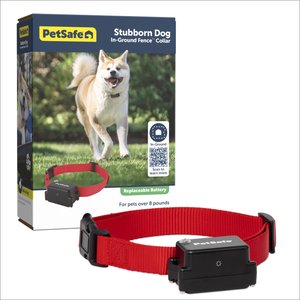
PetSafe Stubborn Dog In-Ground Receiver Collar
$69.35 Chewy Price
Promo, New Customers Only: Spend $49+, get $25 eGift Card
Our ratings
Battery Life
4.4/5
GreatCustomization Options
4.7/5
ExcellentDurability
4.3/5
GreatRange
4.2/5
Great


Mimofpet B1 Indoor Dog Barrier
$89.99 Chewy Price
Promo, New Customers Only: Spend $49+, get $25 eGift Card
Our ratings
Battery Life
4.3/5
GreatCustomization Options
4.4/5
GreatDurability
4.3/5
GreatRange
4.3/5
Great


SpotOn Fence Wireless GPS Dog Fence System, Grey, Medium: 12 to 18-in neck, 1-in wide
$899.00 Chewy Price
Promo, New Customers Only: Spend $49+, get $25 eGift Card
Our ratings
Battery Life
4.6/5
ExcellentCustomization Options
4.5/5
GreatDurability
4.7/5
ExcellentRange
4.5/5
Great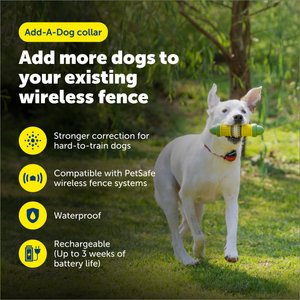
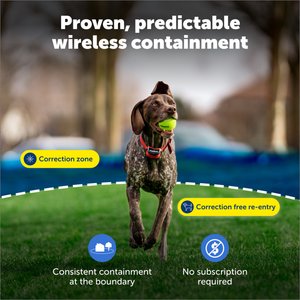
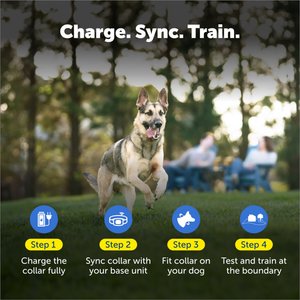
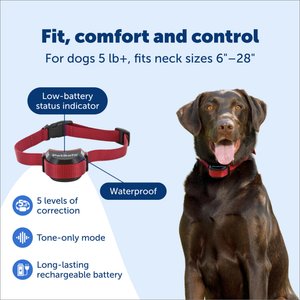
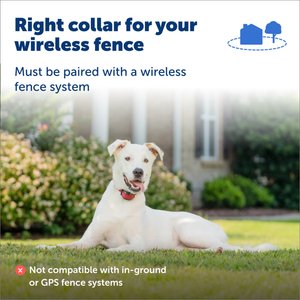

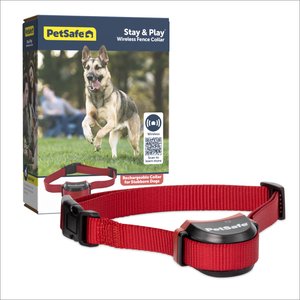
PetSafe Stubborn Dog Stay+Play Wireless Fence Receiver Collar
$149.99 Chewy Price
Promo, New Customers Only: Spend $49+, get $25 eGift Card
Our ratings
Battery Life
4.5/5
GreatCustomization Options
4.4/5
GreatDurability
4.4/5
GreatRange
4.4/5
Great


Hoistspark F900 Plus 3-in-1 Radar Wireless Dog Fence & Remote Training Collar, Medium, Black, 1 count
$329.00 Chewy Price
Promo, New Customers Only: Spend $49+, get $25 eGift Card
Our ratings
Battery Life
4.7/5
ExcellentCustomization Options
4.7/5
ExcellentDurability
4.7/5
ExcellentRange
4.7/5
Excellent