Macaw Diet: What To Feed a Macaw


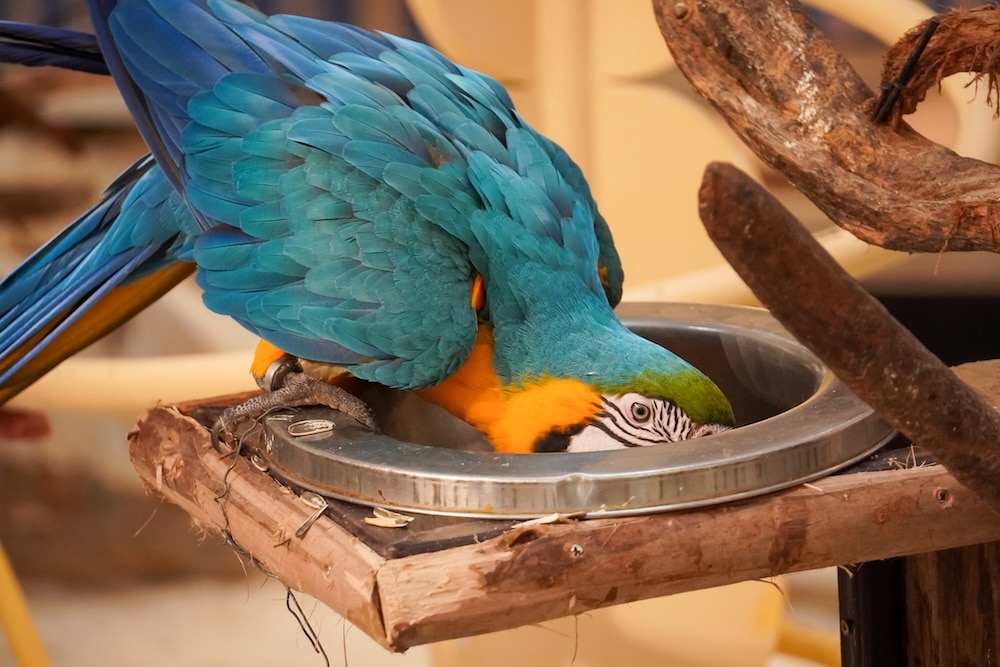
Photo by THANAKRIT WONGMHUN/iStock/Getty Images Plus
Macaws are intelligent, playful parrots with long lifespans, and need a nutritionally balanced diet to remain healthy for decades.
Wild macaws forage many different foods across wide territories they travel throughout the day. Pet birds can’t forage and depend on you to provide the variety and nutrition they need. Here’s what to feed your macaw and what to avoid.
Key Takeaways
- Pellets should form the foundation of a macaw’s diet, and fresh water should always be available.
- Offer vegetables daily and occasional fruit in smaller portions.
- Reserve seeds and nuts for treats or training.
- Consult an avian veterinarian about individual needs.
What Do Macaws Eat?
Wild macaws eat a wide variety of fruits, nuts, and seeds, with a smaller selection of flowers, leaves, and small insects. They’re extremely active—flying, climbing, and exploring throughout the day. A high-calorie diet provides the energy and nutrition they need to thrive.
Unfortunately, the high-calorie diet that helps wild macaws thrive can cause obesity in pet macaws due to their much more sedentary lifestyle. To keep your macaw healthy, you’ll need to customize their diet to create a nutritionally balanced meal plan based on their activity level.
What To Feed a Macaw
Although your macaw shouldn’t consume as many calories as a wild macaw, they still do best on a varied diet. The foundation of your bird’s diet should be a nutritionally balanced pellet formulated for macaws or large parrots. The rest of their diet should consist of fresh vegetables, including leafy greens, as well as various fruits and nuts.
Macaw Pellets
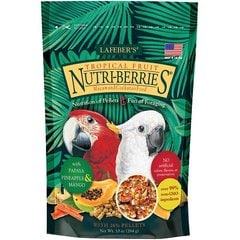
Pelleted food should make up around 70%–75% of your macaw’s diet. Using a pelleted diet rather than a seed/nut/dried fruit mix helps keep your bird from picking through their food for their favorites.
Choosing a nutritionally complete food helps ensure your bird will get all the vitamins and minerals they need. So, in most cases, supplemental vitamins and minerals are not necessary unless your avian vet has prescribed them.
Recommended Product
Vegetables and Fruit
Vegetables and fruit make up a much smaller percentage (about 15%–20%) of a pet macaw’s diet. Vegetables should make up a larger part of the offering, while fruits are more of a treat due to their higher sugar content.
Offer leafy greens, bell peppers, broccoli, carrots, squash, and sweet potatoes regularly, along with a small portion of berries, melon, mango, papaya, banana, and seedless apple.
Always remove all fruit pits and seeds because many of them contain poisonous compounds your bird cannot eat. If your bird accidentally ingests pits or seeds, contact your veterinarian right away.
Seeds, Nuts, and Treats
Seeds, nuts, and treats are fatty, so they should only make up about 5%–10% of your macaw’s diet. Use them as training rewards or simple treats, or tuck them into foraging toys.
Recommended Products
How Much and How Often Should You Feed a Macaw?
As a starting point, follow the pellet manufacturer’s instructions, and consider how much activity and exercise your macaw gets. If your bird’s flight time outside their cage is limited, their food portions will be smaller than one whose flight time is greater. However, every bird is unique, and their overall health and body condition will also determine whether you adjust portions up or down.
Offer fresh produce daily, and remove any leftovers before they spoil.
If your macaw doesn’t eat their entire daily portion, try giving them a smaller amount.
As always, keep their water bowl clean and fresh.
Foods Macaws Cannot Eat
Some foods can make macaws and other parrots sick. Avoid the following:
- Alcohol
- Avocado
- Cassava (tapioca)
- Caffeine
- Chocolate
- Dairy products
- Onion and garlic
- Xylitol
- Uncooked beans
- Fruit pits and seeds
- Moldy or spoiled food
- Foods high in salt, sugar, or fat
This isn’t the complete list, so be sure to consult with a vet about foods your macaw can and cannot eat.
How To Switch a Macaw to a Healthier Diet
If you’re trying to improve your macaw’s diet or have just adopted a macaw who needs a diet overhaul, don’t make drastic changes all at once. Transition a bird’s diet gradually under the guidance of your avian veterinarian. Take your time when introducing new foods, but be consistent and include them repeatedly.
Throughout the process, monitor your macaw’s droppings, behavior, and weight. Oversee their food intake to be sure they’re actually eating the new food, and don’t assume that removing familiar choices will make them eat new foods.
Remember, macaws thrive on a balanced diet based on pelleted macaw food and a wide variety of produce, with limited seeds and nuts reserved for treats and training. If you need guidance, your avian vet can help you build a feeding plan that works for your unique bird.
Macaw Diet FAQs
Can macaws eat bananas?
Yes, in moderation because they can be high in sugar content.
Can macaws eat sunflower seeds?
Yes, but only as an occasional treat because they’re high in fat.
Do macaws need vitamin supplements?
Macaws don’t typically need vitamin/mineral supplements if they eat species-appropriate, complete and balanced pellets, along with fresh produce. Only supplement your bird’s diet under veterinary direction.
Attributions