Do Birds Eat Flowers?


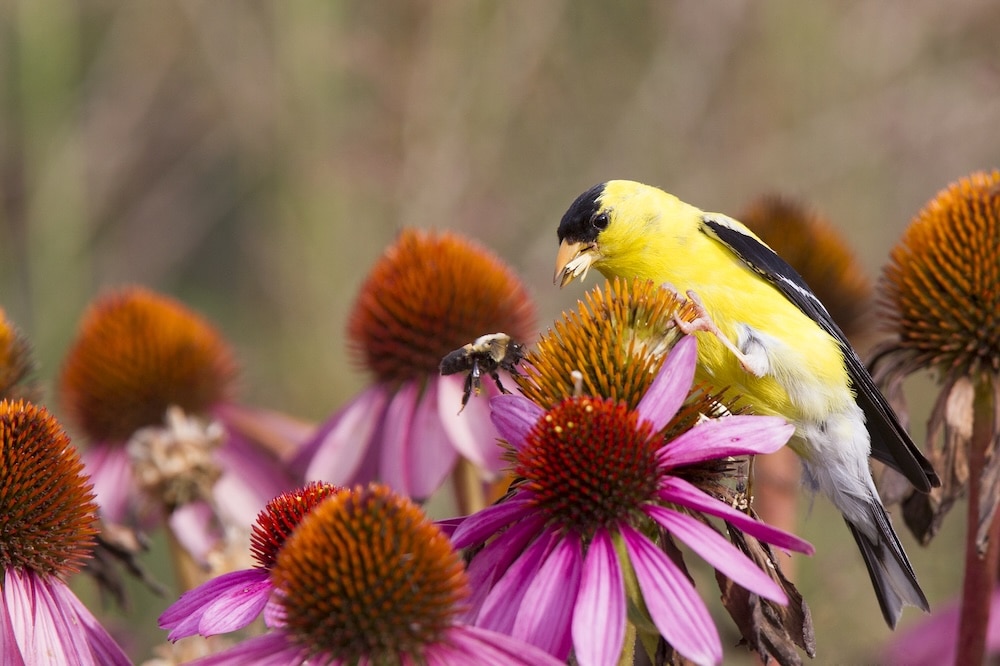
Photo by BoukeAtema/iStock/Getty Images Plus
Yes, many birds eat flowers as part of their natural diet. Both wild birds and pet birds may nibble on petals, blossoms, buds, and even nectar from certain plants.
Flowers can provide enrichment, moisture, and small amounts of beneficial nutrients, making them a colorful addition to a bird’s diet. However, not every flower is safe to eat. Some ornamental plants are toxic to birds, so it’s important to know which blooms are safe before offering them to your feathered friend.
Key Takeaways
- Pet and wild birds may enjoy petals, blossoms, buds, and nectar as part of their normal foraging behavior.
- Hibiscus, dandelions, roses, nasturtiums, and pansies are among the flowers commonly considered safe when free of chemicals.
- Never feed flowers that have been sprayed with pesticides or feed them plants known to be toxic to birds, such as lilies, oleander, or foxglove.
- Fresh, safe flowers can provide mental stimulation and dietary variety but should complement—not replace—a balanced diet.
Why Do Birds Eat Flowers?
Birds eat flowers for several reasons. In the wild, blossoms are a natural food source that can provide nectar, moisture, pollen, and tender plant material. They’re also a source of energy with vitamins and amino acids. Species such as hummingbirds rely heavily on nectar, while African Grey parrots, finches, and cockatiels may chew on petals or flower buds as they forage.
For pet birds, flowers also provide valuable mental stimulation. Chewing, shredding, and exploring different textures encourages natural foraging behaviors and helps prevent boredom.
Flowers should be viewed as a healthy supplement—not a replacement—for a balanced diet of pellets, vegetables, fruits, and species-appropriate seeds.
What Parts of a Flower Do Birds Eat?
Different bird species enjoy different parts of flowers, including:
- Soft petals
- Entire blossoms
- Flower buds
- Nectar (especially hummingbirds and lorikeets)
- Small amounts of pollen
Some parrots enjoy tearing flowers apart just as much as eating them. This natural behavior provides enrichment even if they consume only a small portion of a bloom.
Safe Flowers for Birds
Many common flowers are considered safe for pet birds when they are grown without pesticides or harmful chemicals.
Some bird-safe flowers include:
- Hibiscus
- Dandelions
- Roses (petals only, from unsprayed plants)
- Nasturtiums
- Pansies
- Marigolds
- Chamomile
- Sunflowers (petals and seeds)
Recommended Product
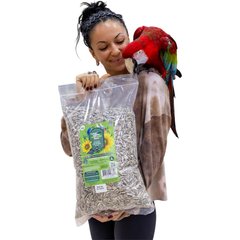
Before offering flowers:
- Choose blooms that are free from pesticides, fungicides, herbicides, and fertilizers.
- Wash them thoroughly under clean running water.
- Introduce one new flower at a time so you can monitor your bird for any digestive upset or unusual reactions.
Offering a variety of safe flowers can provide enrichment while encouraging natural exploration.
Flowers That Are Toxic to Birds
Although many flowers are edible, others can be dangerous or even life-threatening.
Common flowers and ornamental plants that should be avoided include:
- Lilies
- Foxglove
- Oleander
- Daffodils
- Azaleas
- Rhododendrons
Some toxic plants can cause vomiting, diarrhea, weakness, heart problems, or other serious health issues. If you suspect your bird has eaten a poisonous flower or plant, contact an avian veterinarian immediately.
When in doubt, always verify that a flower is bird-safe before allowing your pet to chew or eat it.
Can Pet Birds Eat Store-Bought Flowers?
It’s generally best to avoid feeding your birds any flowers that were purchased from florists or garden centers. Many commercially sold flowers are treated with pesticides, fungicides, preservatives, or floral dyes that may be harmful if ingested.
Instead, choose:
- Homegrown flowers that haven’t been treated with chemicals
- Organically grown edible flowers
- Flowers specifically grown for culinary use
Even safe flowers should be washed thoroughly before offering them to your bird.
How To Offer Flowers to Your Bird
Flowers can be served in several fun and enriching ways.
Try:
- Clipping whole flowers to the side of the cage
- Mixing petals with chopped vegetables
- Hiding blossoms inside foraging toys
Recommended Products
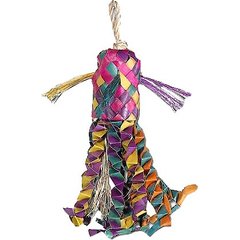
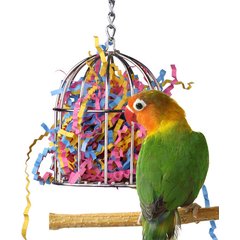
- Offering fresh flowers during supervised out-of-cage playtime
Remove any wilted or uneaten flowers after a few hours to keep your bird’s environment clean and prevent spoilage.
So do birds eat flowers? Absolutely. Many bird species naturally enjoy petals, blossoms, buds, and nectar, and safe flowers can provide both nutritional variety and mental enrichment. The key is choosing bird-safe, pesticide-free, and chemical-free blooms while avoiding toxic ornamental plants.
When offered responsibly, flowers can be a colorful and enjoyable addition to your bird’s healthy, balanced diet.
Frequently Asked Questions
Which birds eat flowers?
Many bird species enjoy flowers, including parrots, budgies, cockatiels, lovebirds, lorikeets, finches, and hummingbirds. Preferences vary depending on the species and the types of flowers available.
Can parrots eat rose petals?
Yes, parrots can eat rose petals as long as the roses haven’t been treated with pesticides or other chemicals. Wash the petals thoroughly before serving.
Are garden flowers safe for birds?
Only if you know they haven’t been treated with pesticides, herbicides, fungicides, or fertilizers. Always confirm that the plant itself is non-toxic before offering any part of it to your bird.
How often can birds eat flowers?
Flowers can be offered occasionally as part of a varied, balanced diet. They work best as an enrichment item or healthy treat rather than as a daily staple.
Attributions
This article was created with assistance from AI tools. The content has been reviewed for accuracy and edited by a human.