Lion Cut For Cats: Pros and Cons

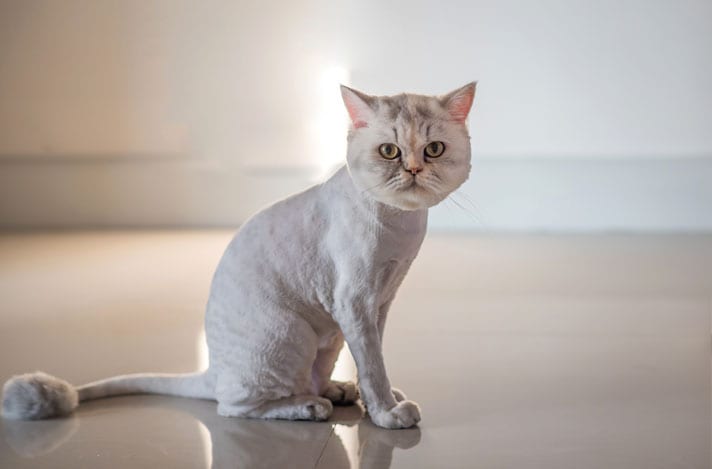
Photo by Santi Nanta/Shutterstock.com
About half of all pet parents that book a cat grooming session with me request a “lion cut” for their cat. Many pet owners report that their cats seem happier and more playful after they have a lion cut, and this fact alone keeps them coming back for regular appointments.
So exactly what is a lion cut for cats, and could your cat benefit from this style of pet clipping? Read on for some pros and cons of this trending trim.
Key Takeaways
- A lion cut is a type of professional grooming where a cat’s body coat is clipped very short while leaving fuller fur around the head, neck, and chest for a mane-like look.
- Potential benefits of a lion cut for cats include removing matted fur, easier upkeep, less shedding, and fewer hairballs due to self-grooming.
- Possible drawbacks include more sun exposure, less protection from a thicker coat, temperature regulation concerns, and stress for cats who are afraid of clippers.
- A lion cut can be especially helpful for cats who struggle to maintain their coats, including some senior cats.
What Is a Lion Cut for Cats?
Arguably one of the most popular and familiar styles for cats, the lion cut consists of a very short trim from the shoulder blades down the back, sides, thighs, and underbelly. Normally, the tail is clipped close as well, leaving a tuft on the end.
The legs may be clipped about half way down, leaving the lower legs fuller and looking a bit like the cat is wearing fluffy boots. The fur on the neck, head and chest is left full, resembling a lion’s mane.
Pet owners often request variations on this theme. For instance, some choose not to have the tail clipped, or to clip more of the neck and chest, reducing the amount of long mane that is left.
Lion Cut Pros
There are a number of pros associated with giving your cat a lion cut. Here are some reasons why it’s a good idea.
1. It Removes Matted Fur
If the cat’s coat has become very matted—something long-haired cats may be prone to—then having the fur closely clipped is usually the kindest and safest way to remove the tangles. Mats and tangles are uncomfortable for the cat, pulling on and potentially damaging its skin, so removing them is necessary.
2. It Helps Reduce Hairballs
A lion cut removes much of the length of the body coat, which dramatically reduces the amount of hair that a cat can ingest when self-grooming.
Hairballs can be more than a nuisance; they can cause life-threatening intestinal blockages, and some veterinarians recommend shortening the cat’s coat if the pet is prone to repetitive hairball issues.
3. It Keeps Poor Self-Groomers Looking Sharp
Some cats do not do a good job maintaining their coats. Occasionally, I meet a cat who just seems to be missing the gene that programs cats to be fastidious about their fur.
These unusual cats tend to look rather scruffy, and putting them in a lion cut helps them maintain a neat appearance between professional grooming appointments.
4. It’s Low Maintenance
The lion trim is easy to maintain between professional grooming appointments. If your cat (or you!) dislikes the process of combing and brushing, the lion cut could be a nifty solution to your problem.
5. It Makes It Easier for Senior Cats to Groom Themselves
As cats age, some begin to experience stiffness and lack of flexibility. This can prevent them from maintaining their fur as they once did. In this case, a short trim can keep them looking nice and tidy in their golden years.
6. It’ll Mean Less Shedding & Clean Up
Although your cat will still shed after a lion cut, they will shed shorter hairs, so it will seem like there are fewer fuzzy tumbleweeds blowing around your home.
7. It Makes a Statement
A well-executed lion cut for cats makes them look quite stylish. If you are a pet owner with panache, this could be appealing to you.
Lion Cut Cons
A lion cut is not for every cat (or cat owner). Here are reasons why it might not be a good option.
1. Cats May be More Susceptible to Sunburn
Clipping the hair very short exposes the cat’s skin to ultraviolet rays from the sun. Without its dense fur to protect it, cats may experience sunburn. This is particularly true for white or light-colored felines.
2. Cats May Not Be Able to Thermoregulate
Very short hair can affect the way cats thermoregulate, causing them to become chilled or overheated once their coat is clipped. If your cat has a chronic illness or is elderly, you might ask your veterinarians advice before having a lion cut.
3. Less Hair Means Less Skin Protection
Your cat’s fur helps to protect its skin from being damaged in tussles with other cats, or being scraped by thorns and such if it goes outside.
4. Some Cats Simply Do Not Like a Lion Cut
Occasionally a cat has a negative reaction to having their hair styled in a new ‘do. If your cat hides for days, hisses when touched, changes its eating habits, or acts unhappy after having its coat clipped, I would recommend you avoid future lion cuts for that pet.
5. Some Cats Are Afraid of Hair Clippers
Some cats object strenuously to having buzzing, vibrating cat hair clippers on or even near their body and in that case, a lion cut should probably be ruled out.
Lion Cut for Cats: How To Find a Groomer
Cats require specialized handling techniques to keep them safe, healthy and happy when being groomed. It’s important to find a groomer who is familiar with handling cats if you decide to have your pet put into a lion cut.
To find a cat groomer near you, ask for a referral from your veterinarian, cat owning friends, or check out an organization such as The Professional Cat Groomers Association of America. Their website lists affiliated groomers by state.
FAQs About the Lion Cut for Cats
Is a lion cut right for my cat?
A lion cut can be useful when a cat’s coat is very matted, when grooming at home is difficult, or when an older cat can no longer maintain their coat as they once did. It may be a poor fit for a cat who is frightened by clippers or an elderly cat with medical issues.
When in doubt, talk to your vet or professional cat groomer before choosing a full lion cut for your cat.
Will my cat’s fur grow back after a lion cut?
Some people argue that if the cat’s coat is clipped closely, it may not grow back properly. I have clipped thousands of cats over the span of my career and have never experienced a case when the coat did not grow back to its full glory on a healthy pet.
I recommend that the hair not be clipped using anything shorter than a #10 blade, and that the fur be clipped with the lay of the hair, not against it.
Are lion cuts safe for cats?
A lion cut can be appropriate for some cats, but there are some potential drawbacks, including increased exposure to the sun, heat or cold; less skin protection since a cat’s coat provides a physical barrier; and stress for cats who are fearful of clippers.
Does a lion cut help with hairballs?
A lion cut may help reduce the amount of hair a cat ingests while self-grooming because much of the body coat is clipped short.
Attributions