How To Tell Your Cat’s Age


Photo by iStock.com/Aleksandr Zotov
Knowing your cat’s age is an important part of caring for their health through every life stage. So how can you tell a cat’s age?
Unless you know their date of birth—which is often impossible when you adopt or rescue a cat—there’s no way to know your kitty’s exact age. Sure, you can make an educated guess based on your new feline friend’s energy level or appearance. You can also choose a birthday and celebrate them each year.
But ultimately, your vet can help you solve the mystery with greater accuracy. In the meantime, let’s take a look at the six physical and behavioral clues our vet experts recommend to help you narrow down your cat’s age
Key Takeaways
- Pinpointing your cat's age can guide decisions about their food, wellness care, and daily routines.
- Your vet can assess your cat's teeth, coat, eyes, musculature, breed, and trainability to determine your cat's approximate age.
6 Ways To Tell Your Cat’s Age
1. Inspect Their Teeth
iStock.com/cunfek
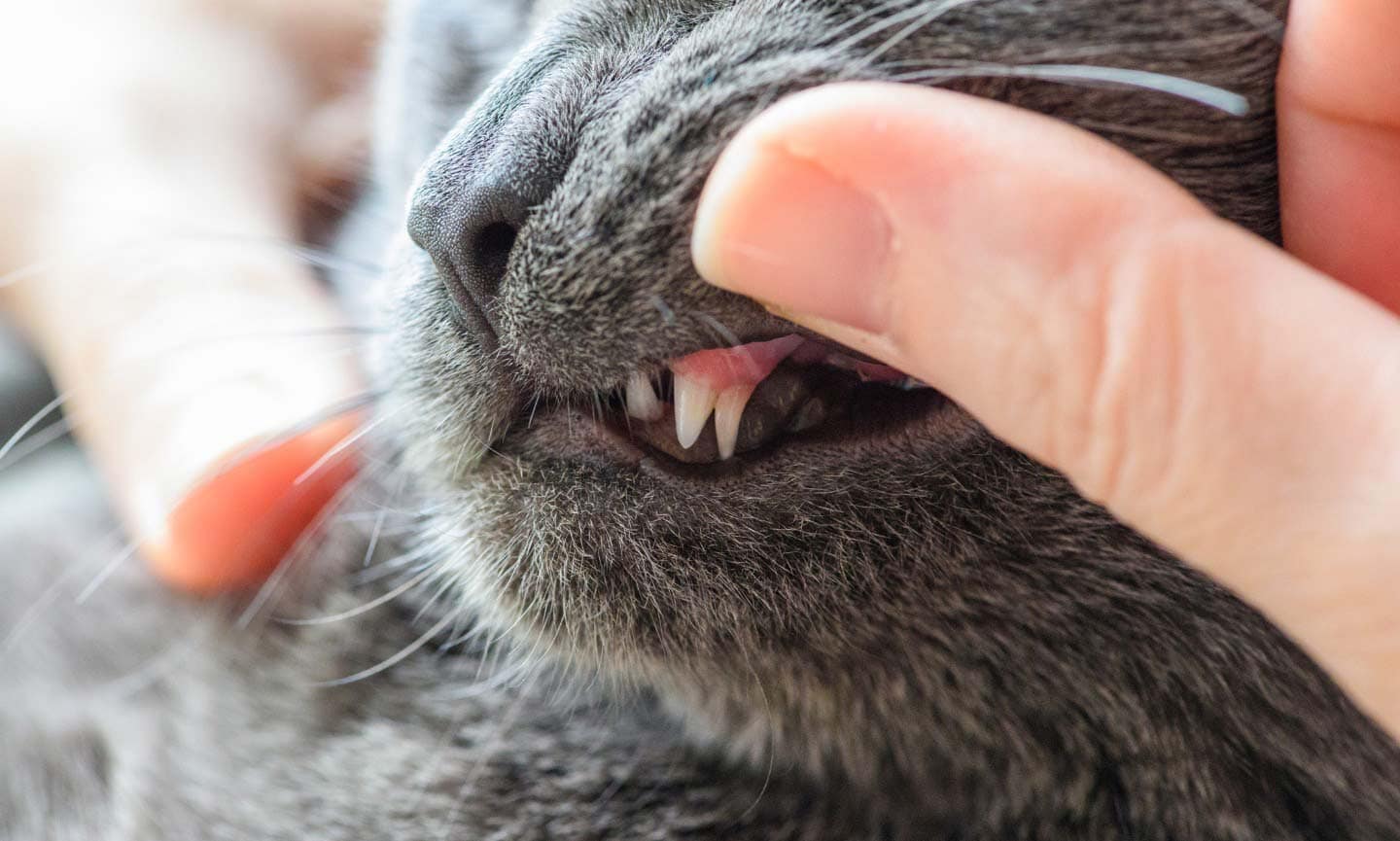
The first clue? Your cat’s teeth. You can guesstimate a cat’s age (whether they’re a young cat, middle-aged or senior) based on their teeth, says Dr. Amber Carter, DVM, DABVP (Feline Practice) at the Cat Care Clinic in Ormond Beach, Florida.
If your cat still has their baby teeth rather than their adult teeth, of course, it means you’re dealing with a kitten—but you probably knew that already. On the other hand, if a cat has significant tartar buildup, dental calculus or periodontal disease, chances are that they are older, she explains.
Adult cats with little to no dental issues are often younger—but that’s not always the case, she cautions. “After a cat gets over about 2 years old, [judging by the teeth alone] can be difficult,” she explains. That’s because some cats are just naturally resistant to dental issues, with pristine pearly whites well into adulthood.
How to assess your cat’s age at home: This may sound strange, but get up close and smell their breath—don’t be shy! “Dental disease often goes unnoticed until significant dental care needs to be performed,” says Carter.
“If your cat will let you, lift [their] lip and take a look. Do you see any redness, inflammation, or anything less than pearly whites?” If so, your cat may be older—and also, it’s time to take them to the vet for a dental cleaning. Now’s a great time to start a tooth brushing routine with them too!
2. Consider Their Coat

iStock.com/MilenaKatzer
A cat’s coat may look different based on their age for two reasons. First, cats’ fur sometimes turns coarse as they age, Carter says. Secondly, senior cats often have trouble grooming well, which can lead to matting and a generally disheveled appearance.
But just like with their teeth, you can’t judge a cat on their coat alone.”Older cats do not groom as well and may have matting, especially along their back,” Carter says. “However, a young stray off the street could be very unkempt, too!”
How to assess your cat’s age at home: There’s no specific age when a cat’s coat goes coarse, but when you groom your cat and notice their fur feels less soft than the typical feline, you can guess that they’re at least six months old. That’s when a cat goes through puberty and develops their adult coat, which can be coarser than their kitten fur.
If you notice that your cat is having trouble grooming, that could indicate that they’re a senior—and that you should consult your veterinarian for tips to help them stay clean and comfortable.
3. Look Into Their Eyes

iStock.com/Capuski
Cats’ eyes develop aging changes to the lens as they get older. While cataracts are not very common in cats, there are a few signs that show a cat’s age range in its eyes. “If you see a grayness or dullness to the lens, that is called lenticular sclerosis or nuclear sclerosis,” says Carter, which indicates an older animal.
How to assess your cat’s age at home: Look for grayness or dullness—a cloudiness—in their eyes. If you see any of these, your kitty is likely an older adult or senior cat.
4. Assess their Musculature
iStock.com/Lightspruch
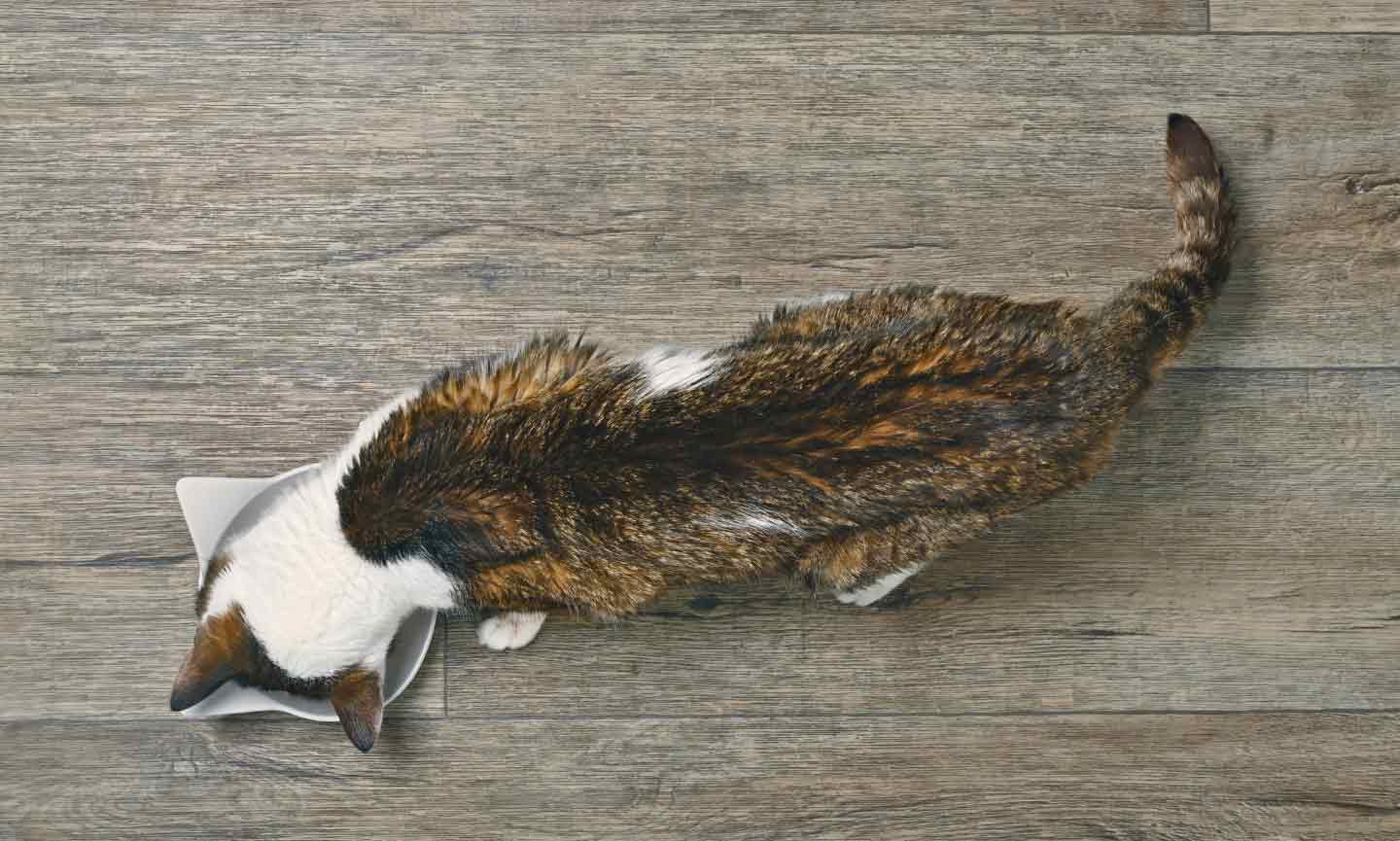
A cat at any age can be well muscled, but if a cat has significant muscle wasting over their spine or rear legs—aka a skinny, sunken-in appearance—they are likely a senior.
How to assess your cat’s age at home: Look for that sunken-in appearance—and if you notice it, keep an eye on their drinking and litter box habits, too. “If they drink or urinate a noticeable amount,” says Carter, “they may have underlying kidney disease or other conditions that need to be addressed.”
5. Consider Their Breed

iStock.com/Tsuji
The length of your cat’s life, and therefore how quickly they age, may be affected by their breed. In general, purebreds tend to not always live as long as their non-purebred counterparts.
“This is due to less diversity in their genetic pool and predisposition to certain illnesses and medical conditions,” says Dr. Linda Simon, MVB, MRCVS, a veterinarian in London, England. But take that information with a grain of salt. There are many purebred cats who live well into their late teens and even to age 20. But overall, mixed-breed cats are more likely to live longer.
How to assess your cat’s age at home: Because purebred cats generally have shorter lives, they’re more likely to age more rapidly than mixed breeds. So, if your purebred cat is showing signs of aging, they may be a year or two younger than you’d typically expect. However, a cat’s breed isn’t the only factor that can contribute to rapid aging. “Very anxious cats and those prone to stress will also age quicker due to the effects of cortisol on their body,” Simon says.
6. Think About Their Trainability
iStock.com/ablokhin
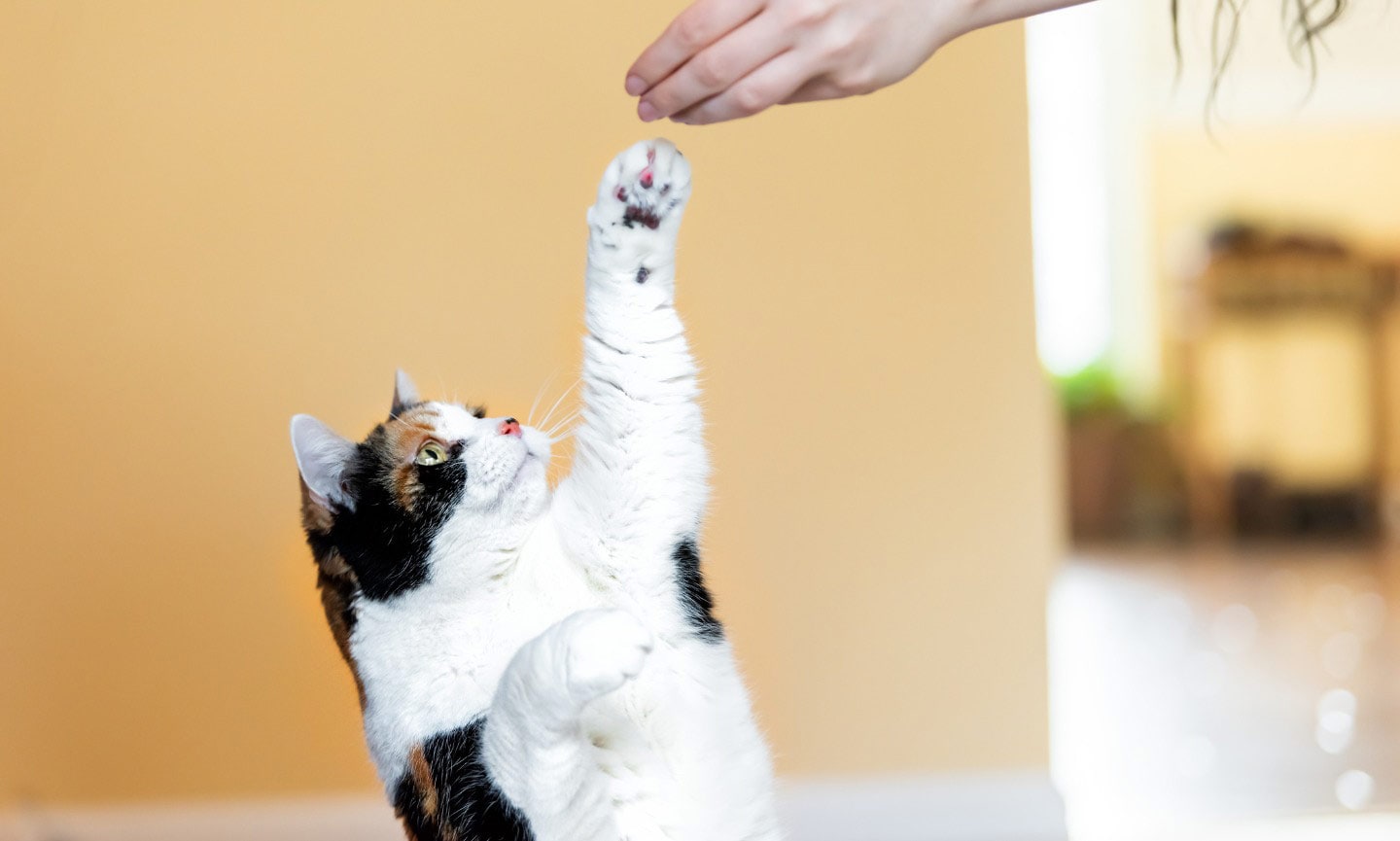
Cats of any age can generally be trained as long as they have reasonable cognitive function—but whether they actually want to train may be a different story. Younger cats might be up for just about anything, while older cats have more reasons to ignore your requests.
“[Training] needs to fall in line with the individual cat’s physical limitations, energy level, etc., regardless of age,” says LeeAnna Buis, CFTBS, a certified feline training and behavior consultant at Feline Behavior Solutions in Seattle, Washington. “[Older cats] may need more repetition to solidify a new behavior, or you may have to work in smaller steps.”
How to assess your cat’s age at home: What is your new cat’s activity level? Do they have a constant need for play, or are they constantly asleep? In general, “the younger a cat, the more amenable they are to training and the less fearful of change,” says Simon. “A poorly socialized middle-aged cat who has never been trained will find it very difficult to accept the training and to adapt to new situations.”
How To Tell Your Cat’s Age in Human Years
“If my cat were a person, how old would they be?” That’s a complex question.
Generally, cats age quickly in the first two years of life, so a 2-year-old cat is comparable to a young adult human at age 24. After that, you can add four human years for each cat year. But factors like physical and mental development and breed affect your cat’s true age as it relates to humans. Find out how to calculate your cat’s age in human years.
FAQs About How To Tell a Cat’s Age
Is there a way to tell how old your cat is?
Yes, you can estimate a cat’s age by looking at their teeth, coat, eyes, muscle tone, breed, and assessing their trainability. These clues can’t determine a cat’s exact age but a veterinarian can help narrow the estimate down.
Can you tell a cat’s age by their teeth?
A cat’s teeth can be one clue to their age, especially when they are still in kittenhood (under 2 years old). Baby teeth mean that a cat is still a kitten, while significant tartar buildup, dental calculus, or periodontal disease can suggest a cat is well into adulthood.
However, teeth should be taken into context with other clues because many cats have very white teeth even throughout their adulthood.
Can you tell a cat’s age by their coat?
A cat’s coat can offer clues to their age because cat fur becomes coarser with age, and especially at six months of age, when a kitten gets their adult coat.
Senior cats may be less capable of grooming themselves, leading to matting—though coat condition is not definitive of a cat’s age since a young stray cat can also be unkempt.
Can you tell the exact age of a stray, rescued, or adopted cat?
It’s impossible to know a cat’s exact age without knowing when they were born, but you can narrow it to a two-year window with the help of your vet using an examination of their teeth, eyes, muscle tone, coat condition, breed, and trainability.
Attributions