Cat Age Chart: How To Calculate Your Cat’s Age in Human Years


Photo by Bogdan Malizkiy/iStock/Getty Images Plus
This cat age chart will help you convert cat years to human years. While a cat may behave like a wise old soul or a goofy kitty at any age, having a human age reference point can help you understand your kitty’s life stages as they move through the world. Knowing the hallmarks of each of your cat’s life stages can help you better care for them and meet their needs as they grow older.
For example, if your high-energy kitty is under 2 years old and they shred your furniture, empathy comes easier if you know you’re dealing with a moody teenager. Likewise, if your old feline friend is getting a little stiff, you can provide extra support with their everyday grooming.
No matter their age, giving them fun toys, high-quality cat food, and regular checkups at the vet can help them stay healthy throughout their lifespan.
Key Takeaways
- A kitten begins adolescence after their first year of life, and they're considered an adult cat by the time they are 2 years old.
- A cat's aging process ramps up at age 7 but they're not considered a senior cat until they're 11 years old.
- A veterinarian can help you determine your cat's age by looking at their eyes, teeth, claws, coat, musculature, and bloodwork.
How Many Cat Years Are in a Human Year?
Generally, when a cat is around 1 year old, they are considered adolescents, akin to a 13- to 15-year-old human.
After turning 2, cats begin to age at a rate roughly equivalent to 4–6 human years for every year in a cat’s life.
Unlike different dog breeds, who grow up at different rates, domestic cats age similarly across all breeds.
Cat Age Chart
Use this cat age chart to find out your cat’s relative age in human years.
| Cat Age | Human Age |
|---|---|
| 1 year old | 15 |
| 2 years old | 24 |
| 3 years old | 28 |
| 4 years old | 32 |
| 5 years old | 36 |
| 6 years old | 42 |
| 7 years old | 47 |
| 8 years old | 51 |
| 9 years old | 56 |
| 10 years old | 60 |
| 11 years old | 65 |
| 12 years old | 69 |
| 13 years old | 74 |
| 14 years old | 78 |
| 15 years old | 83 |
| 16 years old | 87 |
What Are the Cat Life Stages?
MirasWonderland/iStock/Getty Images Plus
Next, you might be wondering: When are cats considered adults? And how do adult cats age?
Cats are considered adults at age 2, says Casey Seleman, a veterinary technician at Woodstock Animal Hospital in Woodstock, New York.
Mentally and physically, they develop exceptionally quickly from birth to about 6 months old.
By the time they’re 1 year old, they become fully grown, mischievous bundles of energy and instinct. They’ll stay that way until they’re at least 2 years old. From there, they’ll continue to bond with you and mature mentally.
The aging process really kicks into high gear around age 7.
Here are the cat life stages:
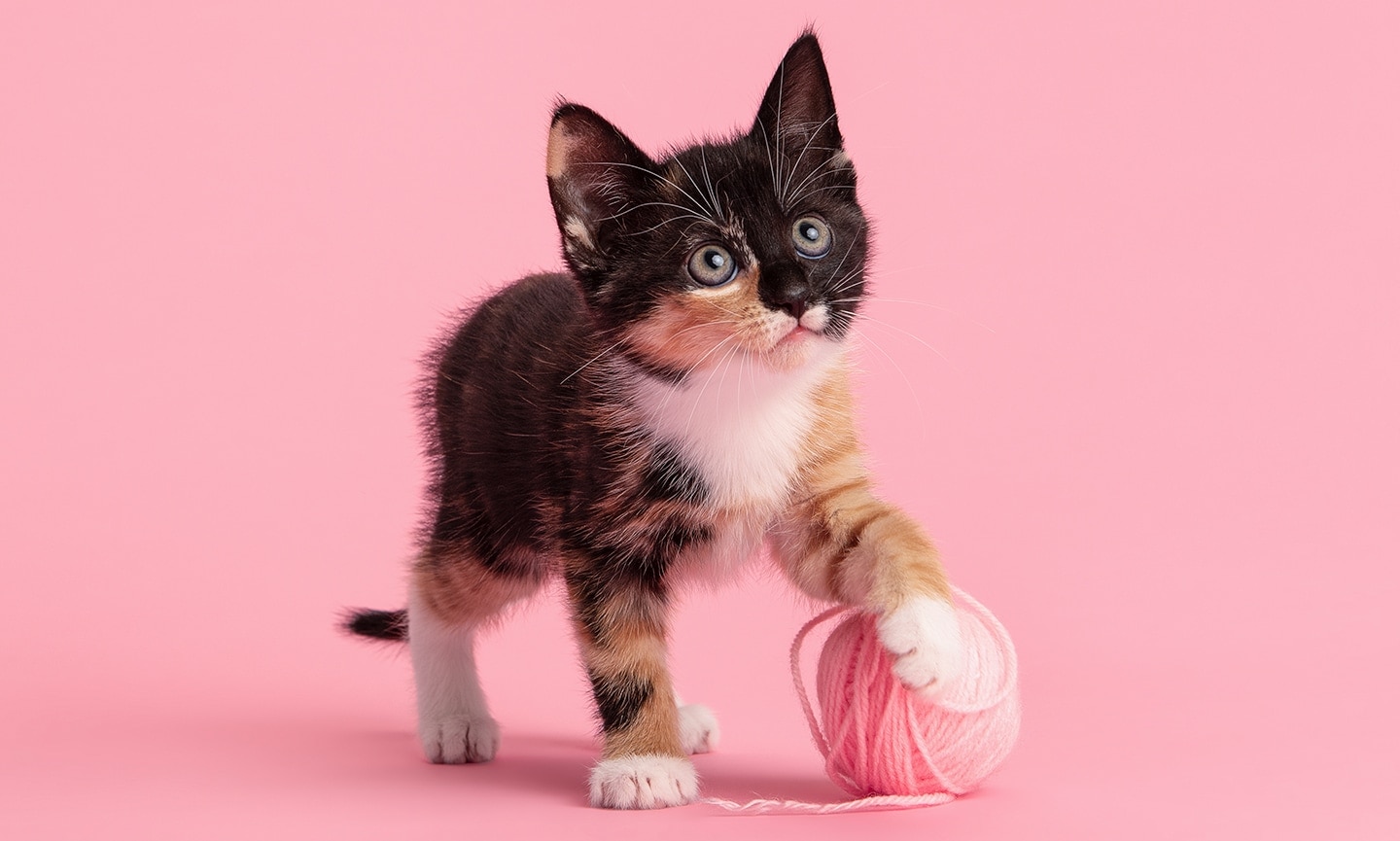
Kittenhood (0–1 years old)
Kittens this age act on impulse: scratching, climbing, pouncing, and playing.
During this stage, it’s crucial to provide outlets for their energy, such as scratching posts and tall structures to climb, like cat trees.
Recommended Products


Ensure your kitten is eating a vet-recommended kitten food. Kitten foods provide all the essential nutrients young cats need to grow.
Recommended Products


Adulthood (2–10 years old)
As cats mature, they’ll solidify their bond with you. Support your young cat’s mental health with playtime, scritches, and cat toys.
Recommended Products


Understand their food preferences and needs so they get adequate nutrition. Choose a vet-recommended cat food and keep your cat well-exercised to ensure they stay at a healthy weight.
Recommended Products


Senior Years (11+ years old)
Regular vet checkups for adult cats are vital for catching any health issues early.
While always important, exercise and weight management are even more critical for senior cats to maintain their mobility and health.
Cats’ nutritional needs can change as they get older, so talk to your vet about swapping to a senior cat food if your cat is approaching their golden years.
Recommended Product

Cats are fantastic at hiding pain, so be vigilant for unusual behaviors, like urinating outside the litter box, which can be signs of illness or discomfort.
You might also see some personality changes in older cats, and they might suddenly find routine things stressful, like a stranger’s visit.
They may get matting along their back end, and their coat can lose its luster as they develop arthritis and lose the ability to groom. Grab a cat brush or comb and groom your senior cat regularly to help keep their coat and skin healthy.
Recommended Products


Senile cats may yowl at night or hide from you. If they’re behaving oddly, consult a vet to rule out age-related medical issues and find ways to support behavioral changes.
How Old Can a Cat Live?
A cat’s lifespan can vary dramatically depending on the cat’s health. Some cats can live a healthy life into their 20s.
“We have a mentally intact cat that comes to the clinic that’s 21 years old!” Seleman says.
Currently, the oldest cat still living on record is 28-year-old Flossie.
How Can I Tell How Old My Cat Is?

jkitan/iStock/Getty Images Plus
Naturally, you may be wondering next how to tell how old a cat is. There are a few physical traits that give a general sense of the phase of life your cat is in, as well as their life expectancy.
Check Your Cat’s Teeth
Older cats often get tartar buildup on their back teeth. They’re likely over 7 years old if they have bad gums or missing teeth. However, not all cats are the same, so teeth alone may not tell the whole story.
Look at Their Coat and Muscles
Older cats might lose muscle mass, and may seem weak or stiff when they walk. If they present with arthritis and their coat is matted or dull, they’re likely older in age.
Check Their Claws
Scratching helps keep claws healthy. Some older cats lose the drive to scratch, which may lead to thicker claws because they’re not wearing them down. They’re probably senior cats if their claws are too long or if the claws grow into their paw pads.
Look at Your Cat’s Eyes
Cloudiness from cataracts may mean they’re older, but it’s not a definitive sign of advanced age.
Get a Blood Test
Kidney and thyroid problems can be linked to age. A blood test can help you understand their overall health.
FAQs About Cat Age
How can I calculate my cat’s age in human years?
Unfortunately, there’s no cat age calculator that determines a cat’s age in human years. However, you can estimate your cat’s equivalent years of age in human years. Once they celebrate their first birthday, consider them 15. From there, refer to the cat age chart above.
How long do cats live on average?
The average lifespan for a cat is 12 years, though many cats live much longer than that, with proper care. Indoor cats, for example, have a typically longer lifespan because they don’t face the same dangers as outdoor cats.
Do indoor and outdoor cats age the same way?
Whether they are indoor or outdoors cats, their aging process depends on their genes, but cats who go outside may face more dangers, stressors, and exposure to infectious diseases than indoor cats—thereby decreasing their average lifespan.
Do all cat breeds age at the same rate?
Unlike dogs, domestic cats age at about the same pace across all breeds.
How can I tell how old my cat is if I do not know their birthday?
Whether you’ve adopted a kitten or a full grown cat, your veterinarian can help you estimate their age based by looking at their eyes, teeth, claws, coat, musculature, and bloodwork.
When is a cat considered a senior?
Seniors cats are those who are 11 years old and older. At this life stage, it’s important to keep up with regular vet checkups and talk to your vet about any changes in their behavior, grooming habits, or routine.
Attributions
Expert input provided by Casey Seleman, veterinary technician at Woodstock Animal Hospital in Woodstock, New York; NYSDEC wildlife rehabilitator; and foster and companion animal behaviorist.
This content was medically reviewed by a veterinarian.