10 Unique-Looking Cat Breeds You Have to See


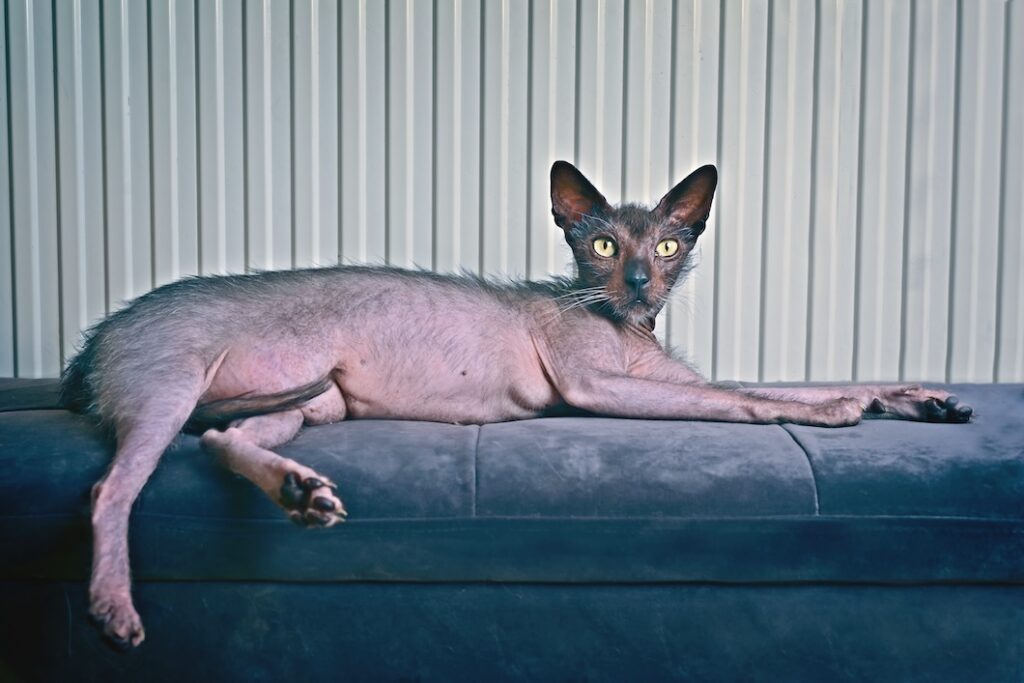
Photo by Lightspruch/iStock via Getty Images
Today’s felines come in an array of appearances, from spotted coats and wildcat-like builds to curly fur, folded ears, short legs, and nearly hairless bodies.
But looks are only part of the story: A breed’s unusual appearance can come with specific grooming, health, or care considerations, so it’s worth knowing what you’re signing up for.
Let’s take a look at some of the most unique cat breeds out there.
1. Bengal
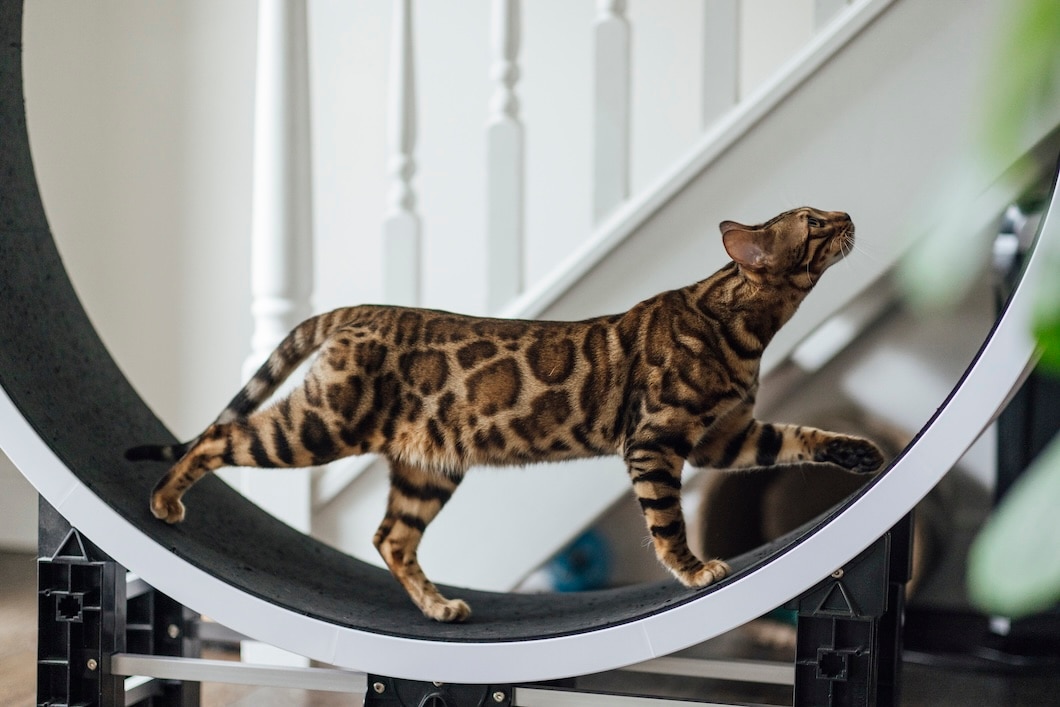
Photo by SolStock/E+ via Getty Images
- Weight: 6–15 pounds
- Lifespan: 12–17 years
- Temperament: Smart, energetic, curious
The Bengal is a stunning blend of domestic feline and Asian leopard cat ancestry, and no two coats are identical: Each pattern of rosettes or marbling is as unique as a fingerprint. Early-generation Bengals have more recent wild ancestry, and some cities or states ban them as pets—so check local laws before falling for those spots.
2. Egyptian Mau
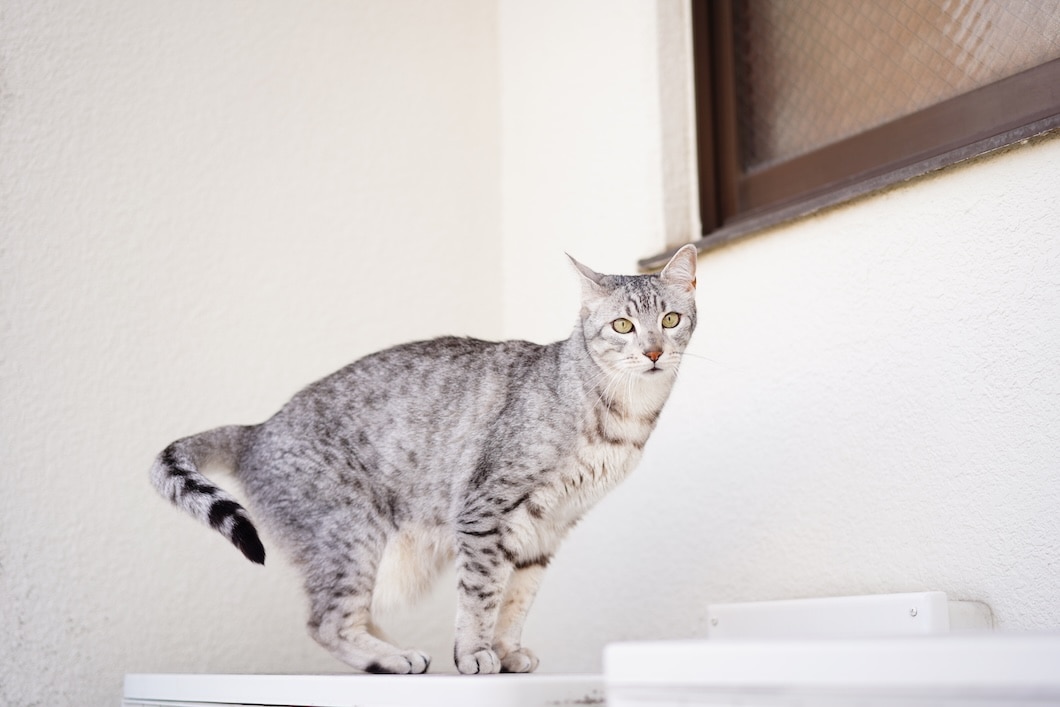
Photo by nature picture/iStock via Getty Images
- Weight: 7–12 pounds
- Lifespan: 12–15 years
- Temperament: Devoted, athletic, intelligent
Gooseberry green eyes, a naturally spotted coat, and top speeds of 30 mph? We could only be talking about the wow-worthy Egyptian Mau. These rare felines may express happiness by wagging their tails like dogs and communicate in soft chirps and trills rather than loud meows.
3. Lykoi
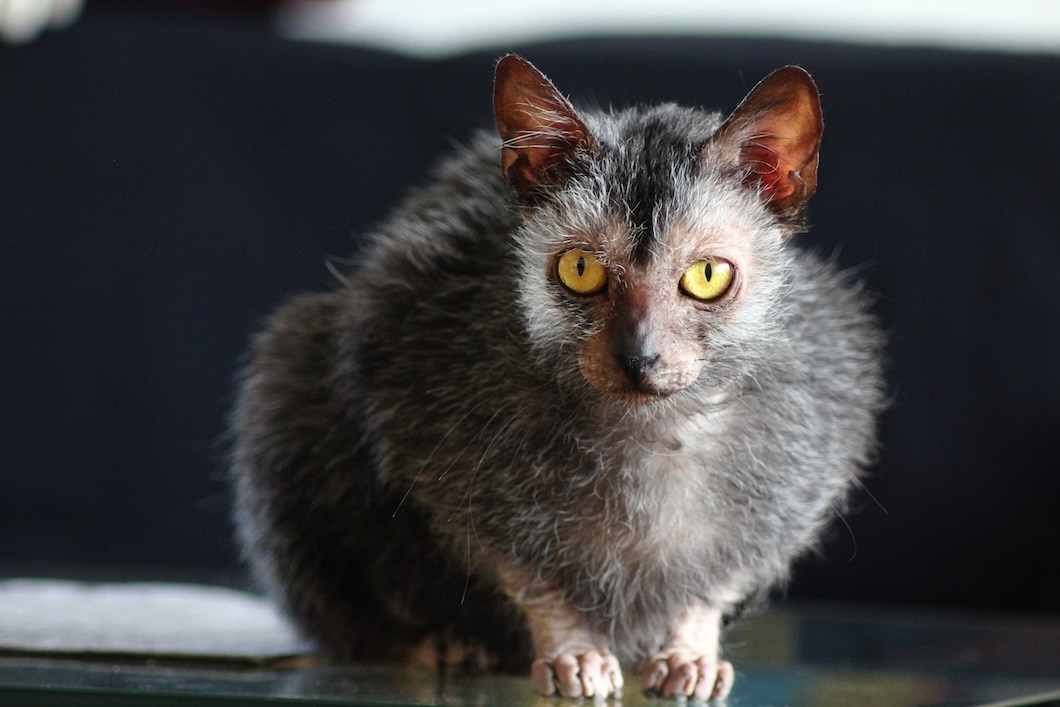
Photo by Angela Emanuelsson/iStock via Getty Images
- Weight: 6–12 pounds
- Lifespan: 12–15 years
- Temperament: Inquisitive, sociable, active
Have you ever met a cat who looks like a werewolf? Lykoi are sweet cats who like to tag along in your shadow and have one especially unique trait: a natural mutation that creates a patchy, salt-and-pepper coat and a bare mask around the eyes and nose. Periodically, their coats molt before regrowing.
4. Manx
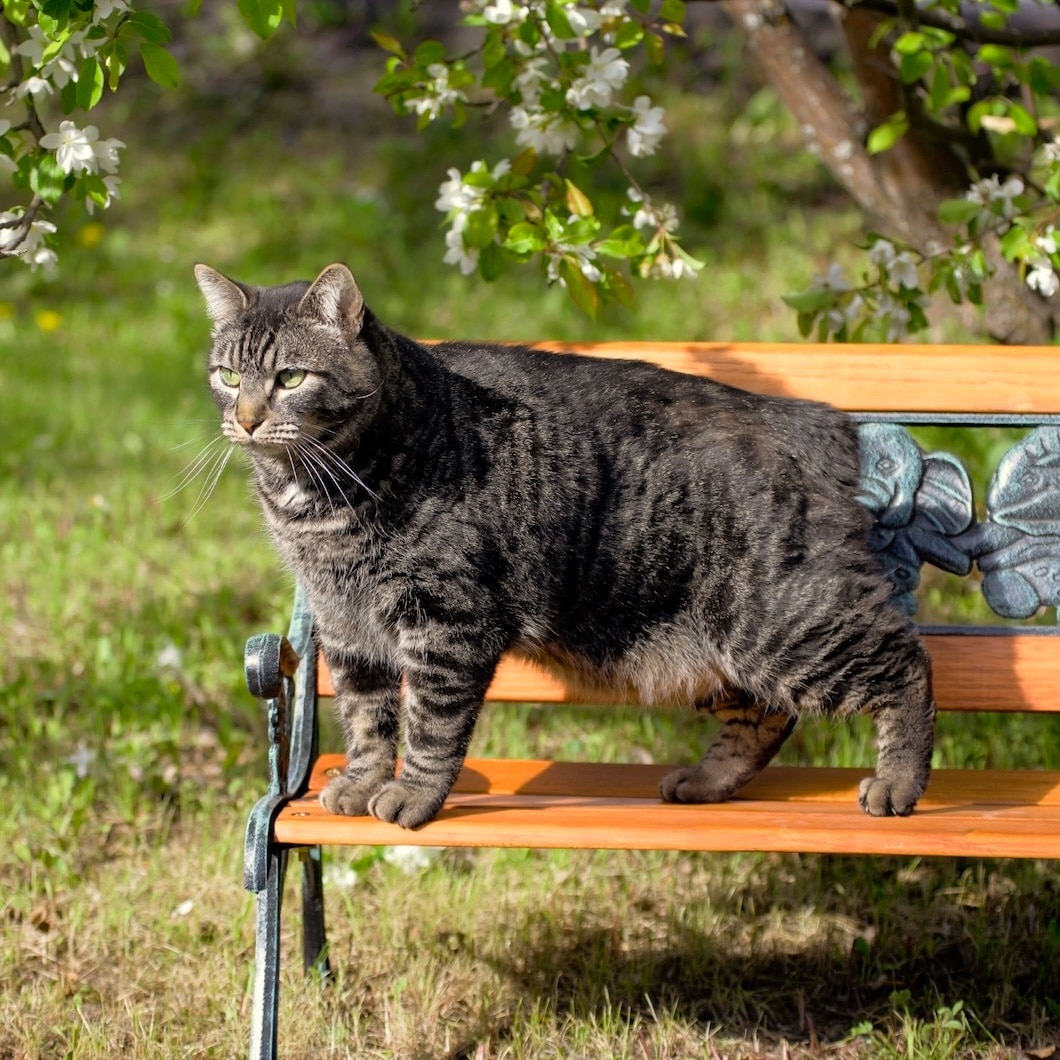
Photo by Adobe/rima15
- Weight: 8–12 pounds
- Lifespan: 10–14 years
- Temperament: Playful, easygoing, affectionate
Hailing from the Isle of Man, the Manx is famous for a natural mutation that leaves some cats tailless while others sport stubs or full tails. Because a missing tail can come with spinal issues known as Manx syndrome, choosing a reputable breeder who screens for health problems is essential.
5. Munchkin
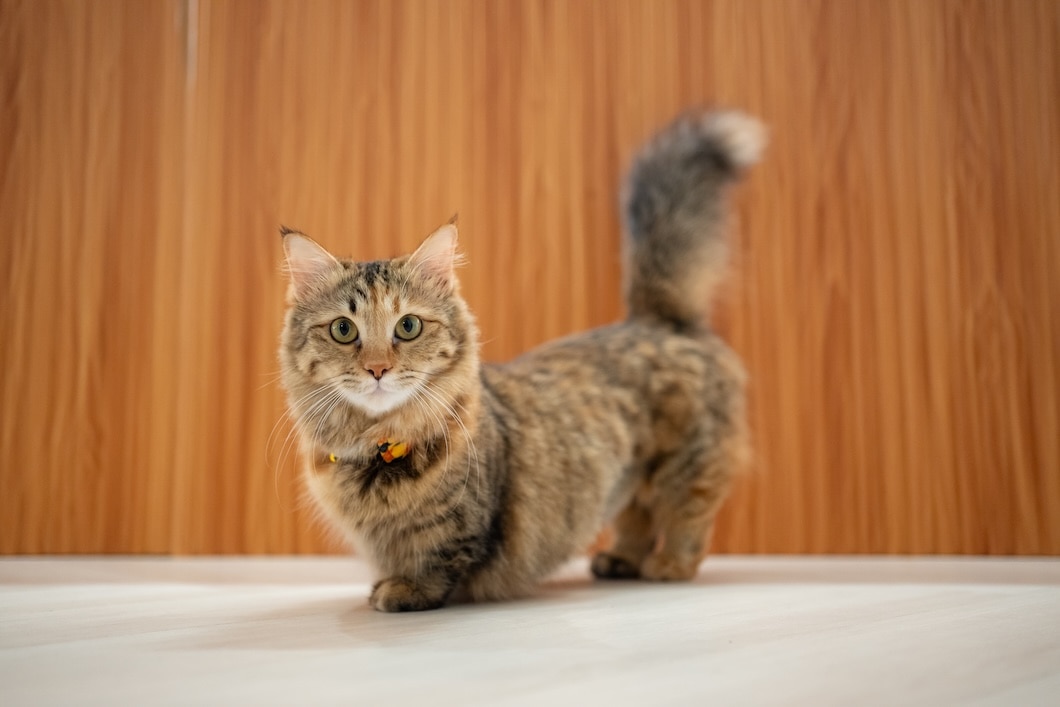
Photo by Yume-Tabi/iStock via Getty Images
- Weight: 5–10 pounds
- Lifespan: 15–18 years
- Temperament: Affectionate, cheeky, loyal
The Munchkin is an average-sized cat often identified by their strikingly short legs. But short legs don’t mean a short list of things they like to do: From playing with toys to exploring their surroundings and pouncing on toy mice, these friendly felines bring big cat energy.
Recommended Products


6. Persian
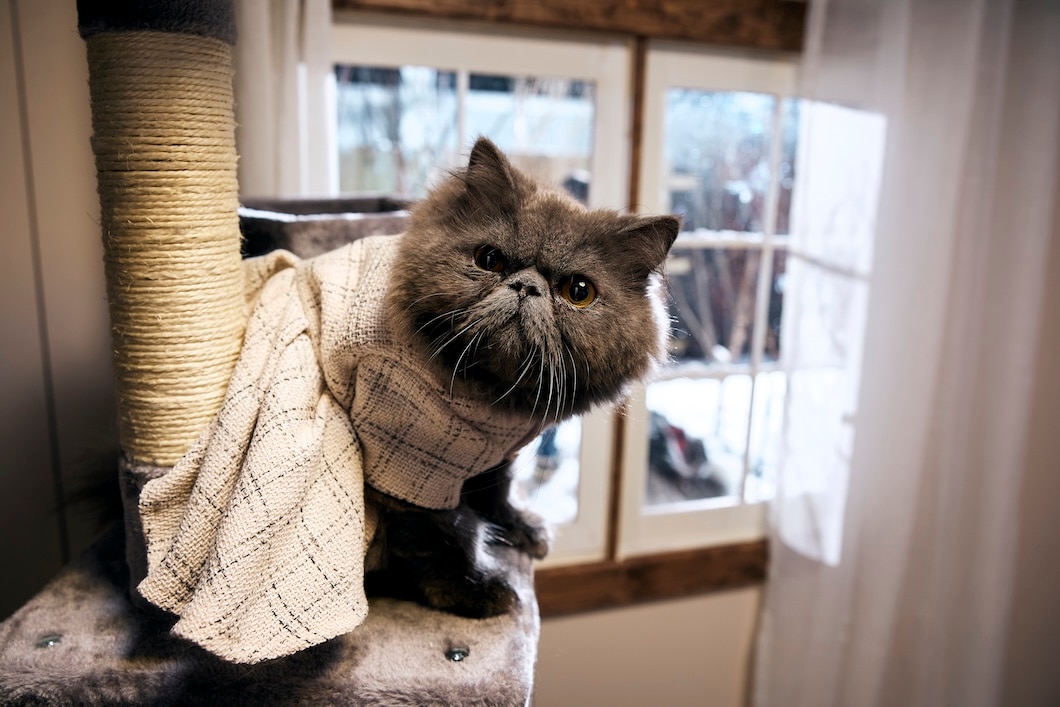
Photo by Chewy
- Weight: 7–14 pounds
- Lifespan: 10–17 years
- Temperament: Affectionate, calm, refined
Poised and regal, the Persian cat is instantly recognizable by their flat, smooshed face, which makes them a brachycephalic breed. Adored by high society for centuries, these low-key, people-loving cats remain hugely popular today. Just know that their squished face can make them sensitive to heat and prone to breathing difficulties, and that luxe coat needs daily brushing, plus regular baths.
Recommended Products



7. Savannah
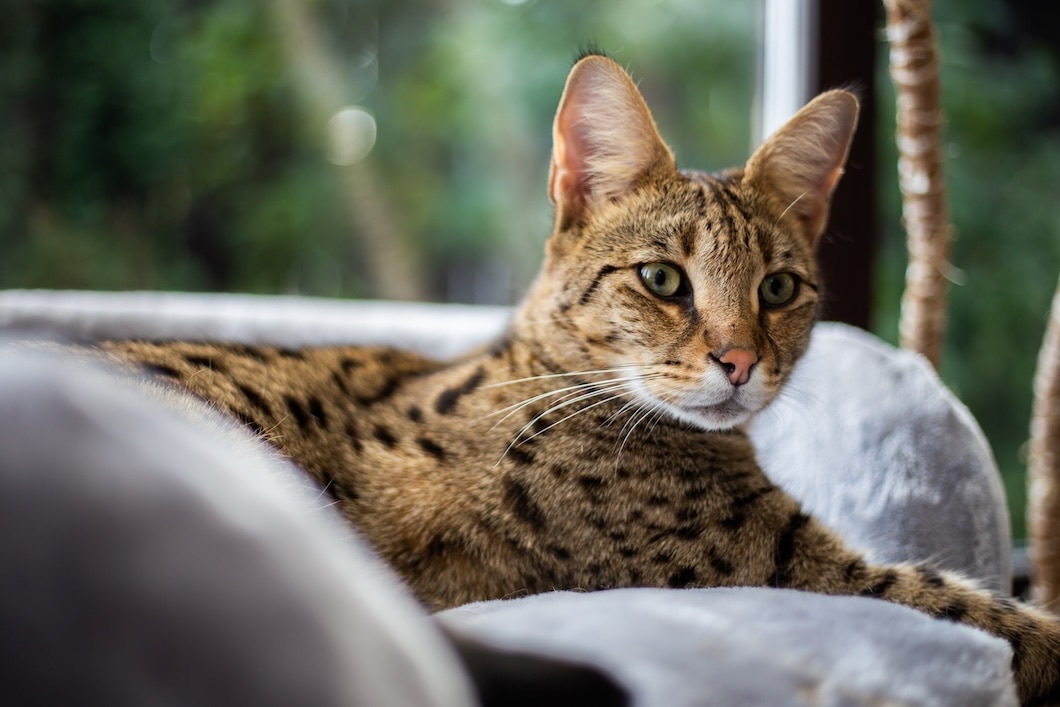
Photo by Adobe/Hennadii
- Weight: 11–20 pounds
- Lifespan: 12–15 years
- Temperament: Playful, adventurous, loyal
The Savannah is a tall, athletic, and leggy cat with bold spots. They are capable of leaping up to 8 feet into the air! Sound wild? They kinda are: Savannahs originated from crosses between wild African servals and domestic cats. Later generations are often the best fit for households, but because of their wild ancestry, many cities and states ban Savannahs—or require special permits to have one as a pet.
8. Scottish Fold
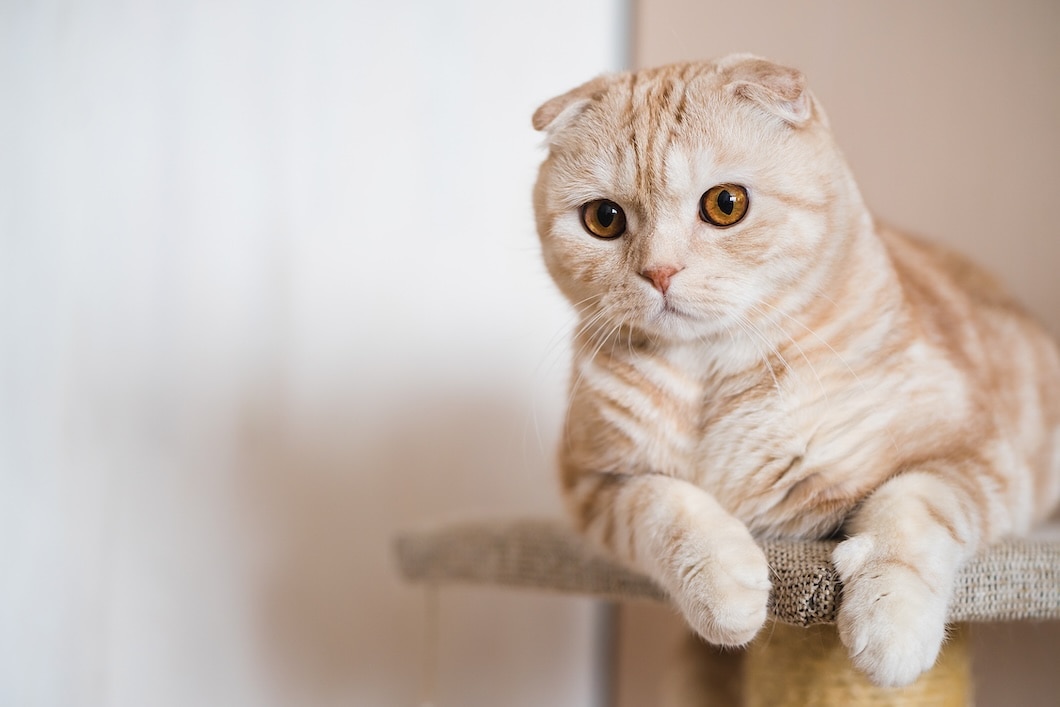
Photo by Adobe/GolubaPhoto
- Weight: 7–10 pounds
- Lifespan: 11–16 years
- Temperament: Devoted, inquisitive, easygoing
The Scottish Fold is best known for their uniquely folded ears and their superstar fan, Taylor Swift. These plush, round-in-every-way cats are often described as sweet and gentle. However, the gene responsible for those folded ears also causes a cartilage and bone disorder called osteochondrodysplasia, which can lead to painful joint problems. If you’re considering a Scottish Fold, it’s important to understand these health risks.
9. Selkirk Rex
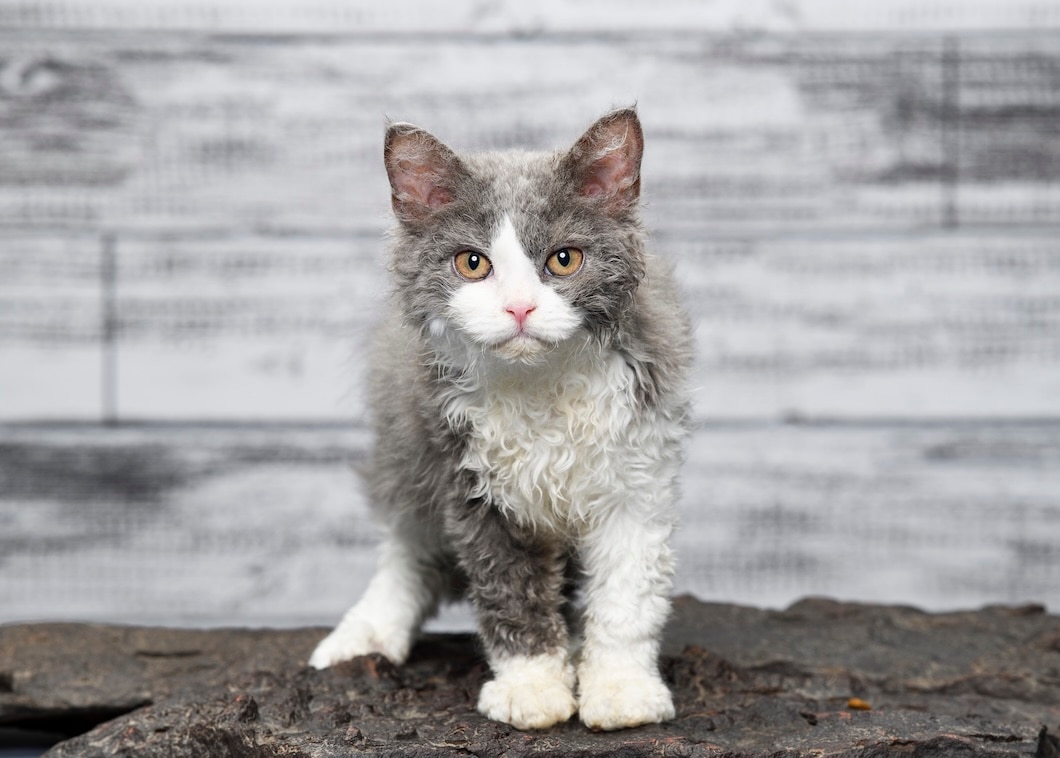
Photo by Thomas Leirikh via Getty Images
- Weight: 12–15 pounds
- Lifespan: 10–15+ years
- Temperament: Relaxed, affectionate, patient
Ever seen a cat with a curly coat? The Selkirk Rex’s plush curls come from a natural mutation first spotted in a Montana kitten in 1987. Breeders then crossed her with Persians, Exotics, British Shorthairs, and American Shorthairs, creating the famously docile, patient, and cuddly Selkirk Rexes we know (and love!) today.
10. Sphynx
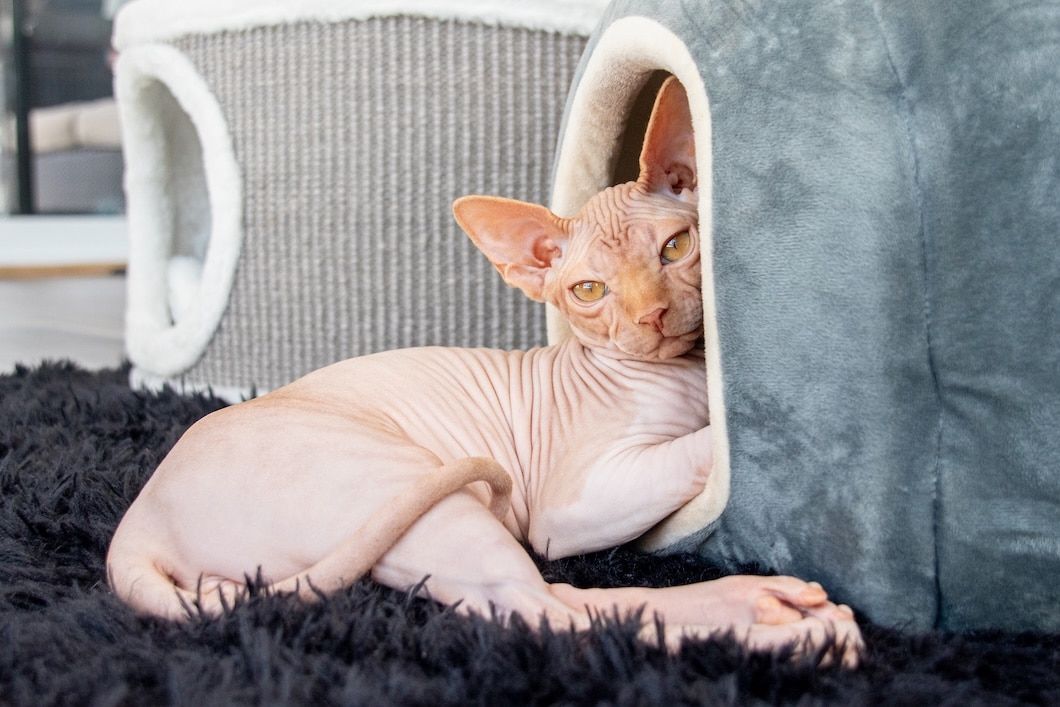
Photo by Julie Deshaies/iStock via Getty Images
- Weight: 7–14 pounds
- Lifespan: 7–14 years
- Temperament: Affectionate, playful, inquisitive
Sometimes it’s not color or pattern that makes a cat stand out; sometimes it’s the near-total lack of fur. Most Sphynx cats have fine, ultrasoft peach fuzz. Far from shy about their birthday suits, these extroverts adore attention from their families and any other good company. Just plan on regular baths to reduce oil on their skin, and having a few cat sweaters on hand: These cats can get chilly easily.
A cat’s one-of-a-kind look might be what catches your eye, but it shouldn’t be the only thing that seals the deal: Before bringing one home, consider the breed’s temperament, activity level, grooming needs, and health risks.
FAQs About Unique Cat Breeds
What is the most unique cat breed?
There’s no single most unique cat breed, but some breeds have traits that set them apart, like the Lykoi’s patchy, salt-and-pepper coat that can molt nearly bald, or the Scottish Fold’s distinctive ears.
What are some rare and unique cat breeds?
The Lykoi is a relatively rare breed, with a limited number of registered breeders in the United States. However, many specialty breeds—from the wild-looking Bengal to the regal Persian and short-legged Munchkin—can come with high purchase costs, long breeder waitlists, and specific care needs.
What cat breeds look like wild cats?
The Savannah, Bengal, and Egyptian Mau are famous for bold spots, rosettes, or stripes that resemble wild cats. While the Savannah and Bengal descend from wildcat ancestors, the Toyger and naturally occurring Egyptian Mau achieve their mini–tiger and leopard looks without any recent wild ancestry.
What cat breed looks like a werewolf?
The Lykoi cat is known as the “werewolf cat” for their patchy, salt-and-pepper coat that periodically molts, leaving them nearly bald.
What unique cat breeds are hairless?
The Sphynx, Peterbald, and Donskoy are hairless or nearly hairless cat breeds, though many have fine peach fuzz.
Attributions