What Is Single Kitten Syndrome?

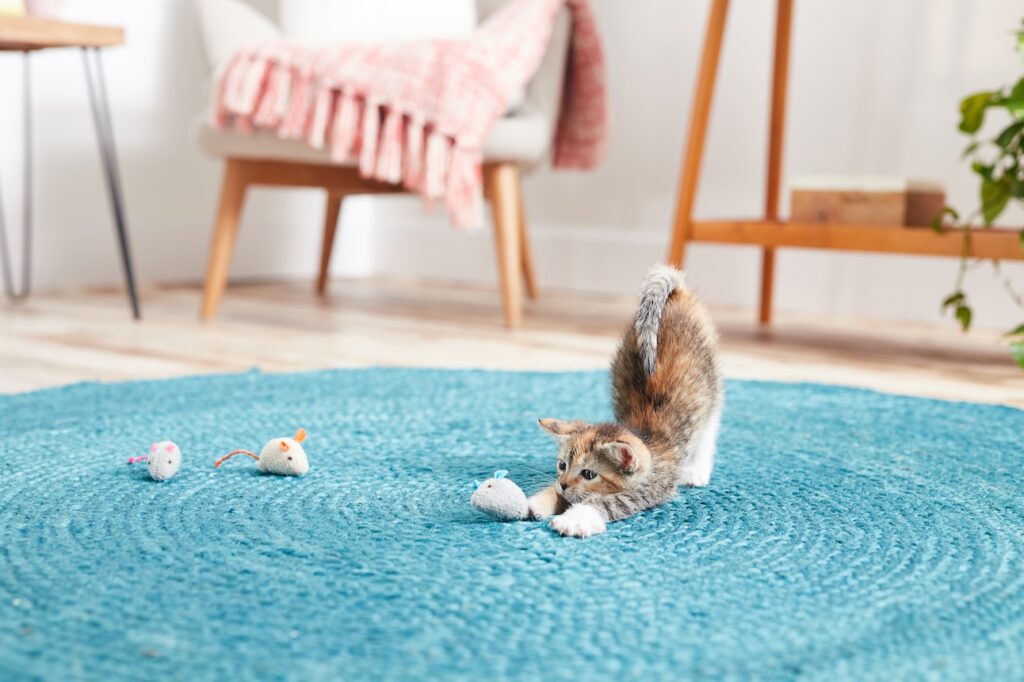
Photo by Chewy
If you’ve recently tried to adopt a kitten, you may have heard you shouldn’t bring home just one. Usually, the reason given is the risk of single kitten syndrome.
But what is single kitten syndrome, and is it really as big a deal as it’s made out to be? Here’s what you need to know before bringing home your new feline family member(s).
Key Takeaways
- Single kitten syndrome is the theory that kittens raised on their own will develop poor social skills or behavior problems.
- The theory is anecdotal, and there’s no scientific evidence to support it.
- However, all kittens need proper socialization and enrichment to thrive.
- Adopting a pair of kittens is recommended but not required.
What Is Single Kitten Syndrome?
Single kitten syndrome is the idea that kittens raised on their own often have poor social skills and are more prone to behavioral problems like aggression and overly rough play.
This theory makes sense on the surface; littermates certainly do teach each other important lessons about how to behave. For example, if two kittens are playing and one bites the other too hard, the biter learns to be gentlerthrough the natural consequences of their behavior.
But the truth about single kitten syndrome is a little more complicated. There isn’t any scientific evidence that supports the existence of single kitten syndrome. Everything you might hear is anecdotal—which doesn’t necessarily mean it’s wrong, but it also isn’t proof.
Single kitten syndrome is the idea that kittens raised on their own often have poor social skills and are more prone to behavioral problems.
What Are the Symptoms of Single Kitten Syndrome?
Single kitten syndrome is probably not much of a concern if you are looking at adopting a kitten who:
- Is older than 9 weeks of age
- Has been living with other kittens or cats
- Has been well-socialized
On the other hand, very young kittens who have been orphaned, bottle-fed, or otherwise raised by themselves could be at risk for behavioral problems like:
- Overly intense play, including biting and scratching that’s more extreme than normal
- Difficulty reading social cues
- Increased fearfulness or aggression
Some kittens who are raised on their own grow up to be perfectly well-adjusted cats, particularly if their caretakers make the extra effort to teach them good feline manners. But others can develop behaviors that need to be addressed.
How To Prevent and Fix Single Kitten Syndrome
So-called single kitten syndrome is largely preventable, and kittens who’ve had a less-than-ideal start can still thrive with the right support.
Consider a Pair
If you’re open to it, adopting two kittens (especially littermates or a bonded pair) is a great idea—even if single kitten syndrome isn’t a concern.
Two kittens can play together, burn off energy, and keep each other company, particularly when you’re at work or trying to sleep. And don’t worry, the kittens will still bond with you even if they become great friends with each other.
Prioritize Socialization
When kittens are between 3–9 weeks old, they are little learning sponges. This is when other cats—and people—can have the greatest influence on their future behavior.
This leads to two recommendations for adopting kittens:
- Whenever possible, kittens should stay with their mother and littermates until they are at least 9 weeks old.
- When kittens are 3–9 weeks of age, they benefit greatly from frequent socialization (positive exposure to different people, animals, situations, and experiences).
While socialization is most effective during this early window, older cats are still capable of learning.
Offer Enrichment
Enrichment is always important, but if you’re adopting a single kitten, it should be a top priority. Play and environmental enrichment help prevent boredom and behavioral problems.
Plan on playing with your kitten at least four times a day using feather wands, balls, and other cat toys. This isn’t as daunting as it might sound because play sessions can be short—two to three minutes at a time is fine.
Recommended Products


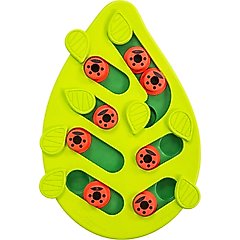
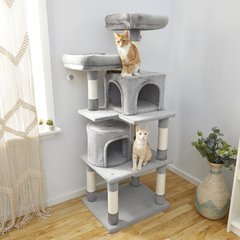
When you have to be away, your kitten should have access to puzzle feeders, scratchers, climbing structures, and a rotating variety of toys they can play with on their own.
Recommended Products

Set Boundaries
When a kitten or adult cat plays too roughly, let them know. Pulling away combined with a loud “ouch” often does the trick. Then redirect them toward something more appropriate, like a plush kicker toy.
Recommended Product

Consistency is key. While it might be cute when your 3-month-old kitten attacks your feet, that same behavior can become a problem when they’re bigger—or if they bite or scratch someone else.
Get Help
You don’t have to deal with problematic cat behavior on your own. If you’re struggling, make an appointment with your veterinarian or a veterinary behaviorist. They’ll be able to put together an individualized plan to bring peace back to your household.
FAQs About Single Kitten Syndrome
Is it OK to have just one kitten?
Yes, having just one kitten is usually fine, particularly if they were raised with their littermates and are at least 8 or 9 weeks old when you adopt them. However, you’ll need to provide plenty of enrichment, companionship, and opportunities for play.
While pair adoptions can be beneficial, single kittens usually grow into happy, well-adjusted adults when their needs are met.
Can single kittens be happy?
A single kitten can be very happy in the right environment and with proper care. What matters most is that they are well-socialized, receive adequate mental stimulation and physical exercise, and spend plenty of quality time with their people.
Can a kitten be happy with an adult cat?
In many cases, kittens can be happy living with an adult cat, although the introduction process needs to be careful and gradual.
Their relationship will depend largely on both animals’ personalities. Some adult cats welcome a kitten, while others find them annoying. Ask your shelter or veterinarian for guidance if you have concerns.