Carolina Dog
Updated February 4, 2026
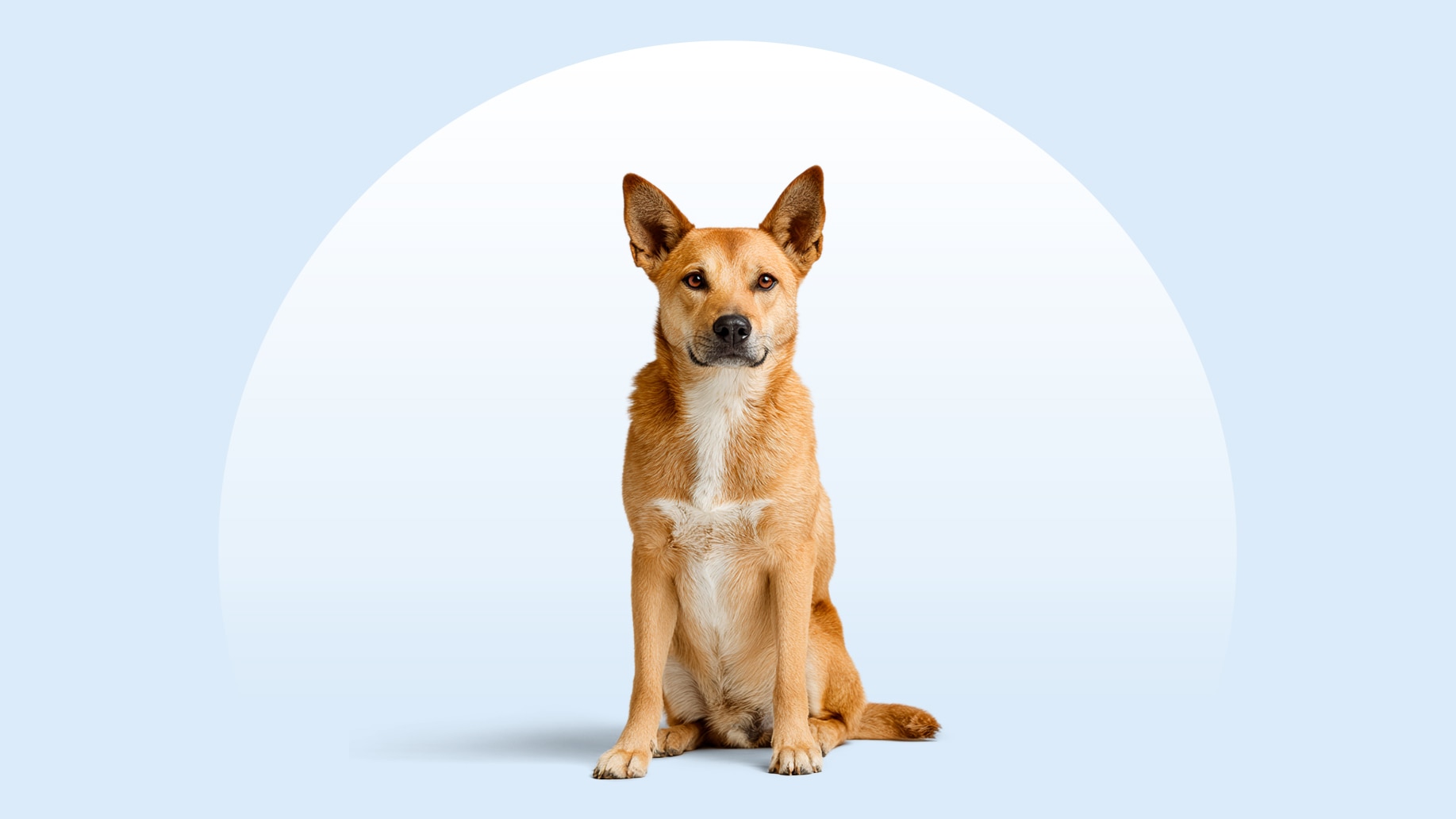
Carolina Dog
Updated February 4, 2026
The Carolina Dog, or “American Dingo,” is a sharp, curious, and independent breed with strong hunting instincts and a loyal nature. They thrive with daily exercise, mental enrichment, and training. With the right blend of structure and socialization, they become deeply devoted companions—but they need an experienced pet parent to guide them.
Loyal, Intelligent, Independent
35–50 pounds
18–24 inches
12–15 years
Ginger, Black, Black and Tan
Thinking about bringing home a Carolina Dog? Get ready for an adventure. These dogs are smart, inquisitive, and carry just a hint of wild charm—after all, they spent centuries roaming the woods in the Southeastern U.S.
Today, they love hitting the trails to sniff out every exciting scent and burn off their energy. Training them can take patience, and Carolina Dogs do best with experienced pet parents.
They may be a bit shy with newcomers, but once they choose you as their person, their bond runs deep. If you’re looking for loyalty and spirit, the Carolina Dog might be your perfect match.
Carolina Dog Characteristics
Carolina Dog Appearance
Carolina Dogs have a natural, almost ancient beauty that’s lean, athletic, and built for adventure. Their foxlike face, upright ears, distinctive tail, and weather-resistant coat give them the appearance of a dog shaped by the wild, which is why they’re sometimes called the American Dingo or Carolina Dingo.
“They have distinct prick ears, but they don’t stand straight up like some breeds,” says I. Lehr Brisbin, president of the Carolina Dog Society and Carolina Dog Fanciers of America. “They tilt outward in a subtle V-shape and rotate constantly—almost like little radar dishes picking up everything around them … these features come straight from their primitive, survival-driven origins.”
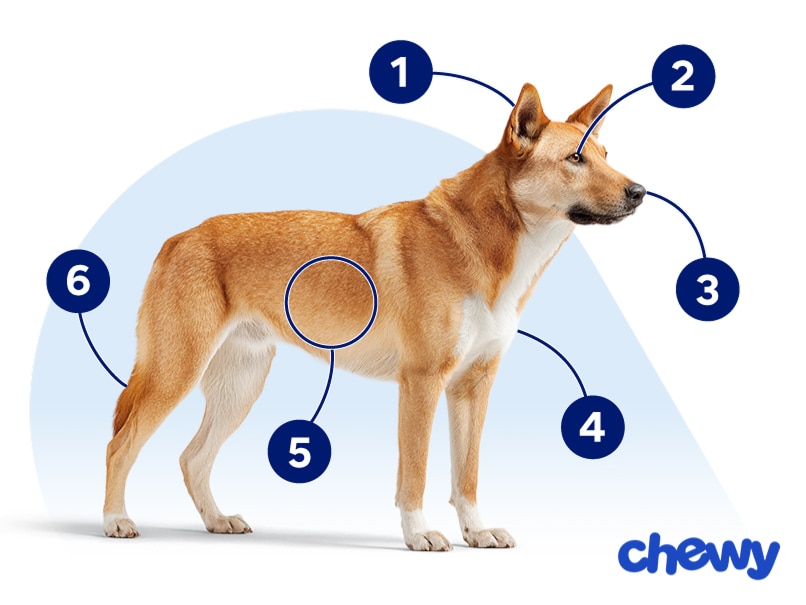
- Ears
The Carolina Dog’s ears are large, upright, and triangular, and set high on the head. They stay alert and mobile to react quickly to sounds.
- Eyes
Their eyes are almond-shaped, expressive, and usually amber to dark brown.
- Nose
Their nose is typically black. It’s well-proportioned to the muzzle, allowing for strong scenting abilities.
- Coat Length
A Carolina Dog’s coat is short to medium in length, with a slightly thicker undercoat depending on the season. It should feel dense and smooth rather than fluffy.
- Coat Color
Their fur can be various shades of ginger, buff, black and tan, or piebald patterns. Subtle shading, minor white markings, red accents, or seasonal fading is normal.
- Tail
The tail is thick at the base and tapers to a point, often forming a distinct fishhook shape when alert. At rest, it may hang in a relaxed, natural position.
Carolina Dog Temperament
Carolina Dogs are smart, watchful, and independent. They bond deeply with their family while remaining naturally cautious around strangers, so socializing Carolina Dog puppies early and consistently is important.
“Carolina Dogs are incredibly intelligent, but they’re also very sensitive because of their primitive roots,” says Courtney Trares, a Carolina Dog breeder at Full Circle Carolina Dogs. “They can be shy or suspicious of strangers unless you socialize them consistently. If you want a more outgoing Carolina Dog, you really have to get them out in the world early and often.”
With proper socialization, Carolina Dogs can be good with children and may coexist peacefully with other dogs, though some may have a strong prey drive toward smaller animals.
Historically used as hunting dogs, they’re not common in formal working roles today. But Carolina Dogs excel in active homes, dog sports, tracking, and any “job” that taps into their problem-solving skills and keen senses.
Related Breeds





How to Care for a Carolina Dog
Caring for a Carolina Dog is all about balancing their adventurous spirit with steady routines, training, and love. They’re relatively low-maintenance in grooming but high-needs when it comes to exercise and mental enrichment.
Grooming
Training
Diet
Exercise
Environment
Carolina Dog Health
The average Carolina Dog lifespan is 12–15 years, and they are typically healthy dogs. However, health problems are still possible. Some possible issues include:
- Multidrug resistance mutation (MDR1): Some Carolina Dogs are genetically sensitive to ivermectin and similar drugs. “Carolina Dogs can carry the MDR1 gene, so pet parents must be cautious with medications like ivermectin,” Brisbin says. Talk with your vet before starting any antiparasitic medication; they may suggest alternatives or genetic testing for peace of mind.
- Hip and elbow dysplasia: Like any medium or large-sized breed, Carolina Dogs can develop joint issues such as hip dysplasia or elbow dysplasia. Keeping your dog at a healthy weight, avoiding overexertion in young puppies, and choosing a responsible breeder can reduce the risk.
- Skin and allergy issues: Some Carolina Dogs may develop allergies, which can show up as itchy skin, ear infections, or sometimes digestive upset. Your veterinarian can help identify triggers (like fleas, certain foods, or environmental allergens) and create a treatment plan to keep your dog comfortable.
- Thyroid and other metabolic conditions: Some Carolina Dogs may be prone to thyroid disorders or other metabolic issues that affect weight, coat quality, and energy levels. These conditions are usually manageable with medication and monitoring.
Carolina Dog History
Carolina Dogs trace their origins back thousands of years to ancient dogs who traveled with early humans across the Bering land bridge into North America, according to the Carolina Dog Fanciers of America.
Once settled in the Southeastern U.S., these dogs lived semi-wild, taking on roles as hunting helpers, campsite guardians, and companions to Indigenous people.
The breed continued to develop naturally as wild dogs in the woods. They remained relatively unknown until the 1970s, when Brisbin began studying these free-roaming dogs and advocating for their preservation as a distinct breed.
While the Carolina Dog is not yet fully recognized by the American Kennel Club, the breed was accepted into the AKC’s Foundation Stock Service in 2017—an important step toward eventual full recognition.