Cane Corso vs. English Mastiff


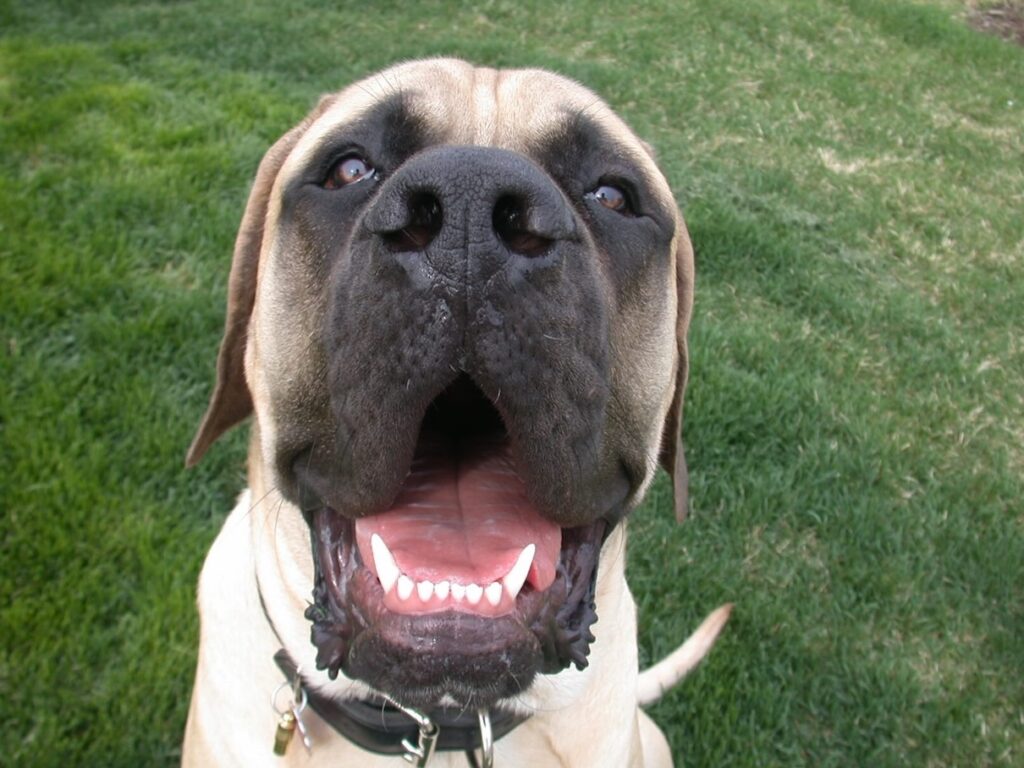
Photo by ericv/iStock/Getty Images Plus via Getty Images
If you’re drawn to giant, loyal dogs, both the Cane Corso and the English Mastiff likely caught your eye. These powerful breeds share a history of working alongside humans, but their personalities, care needs, and overall vibe can feel quite different in day-to-day life.
Understanding how these two breeds compare can help you decide which dog best fits your home, experience level, and lifestyle.
Key Takeaways
- Cani Corsi are more athletic and energetic, while English Mastiffs are larger and more laid-back.
- English Mastiffs typically weigh significantly more, reaching up to 230 pounds, compared to the leaner Cani Corsi.
- Cani Corsi thrive on structured activity and training, while English Mastiffs are content with more gentle forms of exercise.
- Both breeds require consistent training and early socialization to become well-mannered companions.
- Each breed does best with pet parents who understand the needs of very large dogs and can provide proper care, space, and attention.
History
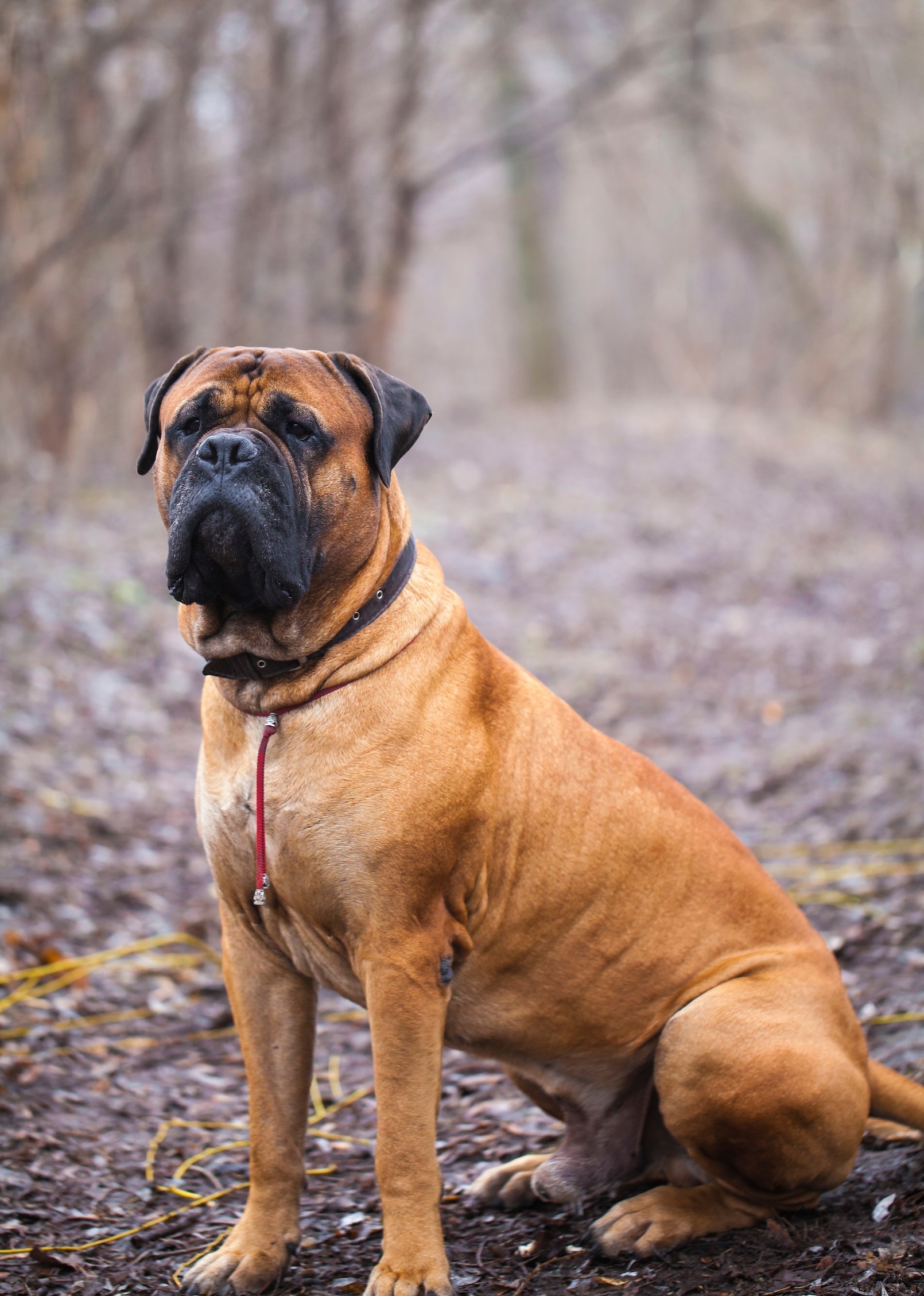
Photo by -oqIpo-/iStock/Getty Images Plus via Getty Images
The Cane Corso originated in Italy and descended from ancient Roman war dogs. Over time, they became versatile farm dogs, helping with herding, guarding property, and hunting large game. Their name roughly translates to “bodyguard dog,” reflecting their long history as devoted companions and working partners.
The English Mastiff, often simply called the Mastiff, is one of the oldest dog breeds in the world. Originating in England, Mastiffs were used as guardian dogs. Over time, they transitioned into gentle household companions known for their massive size and calm presence.
Appearance
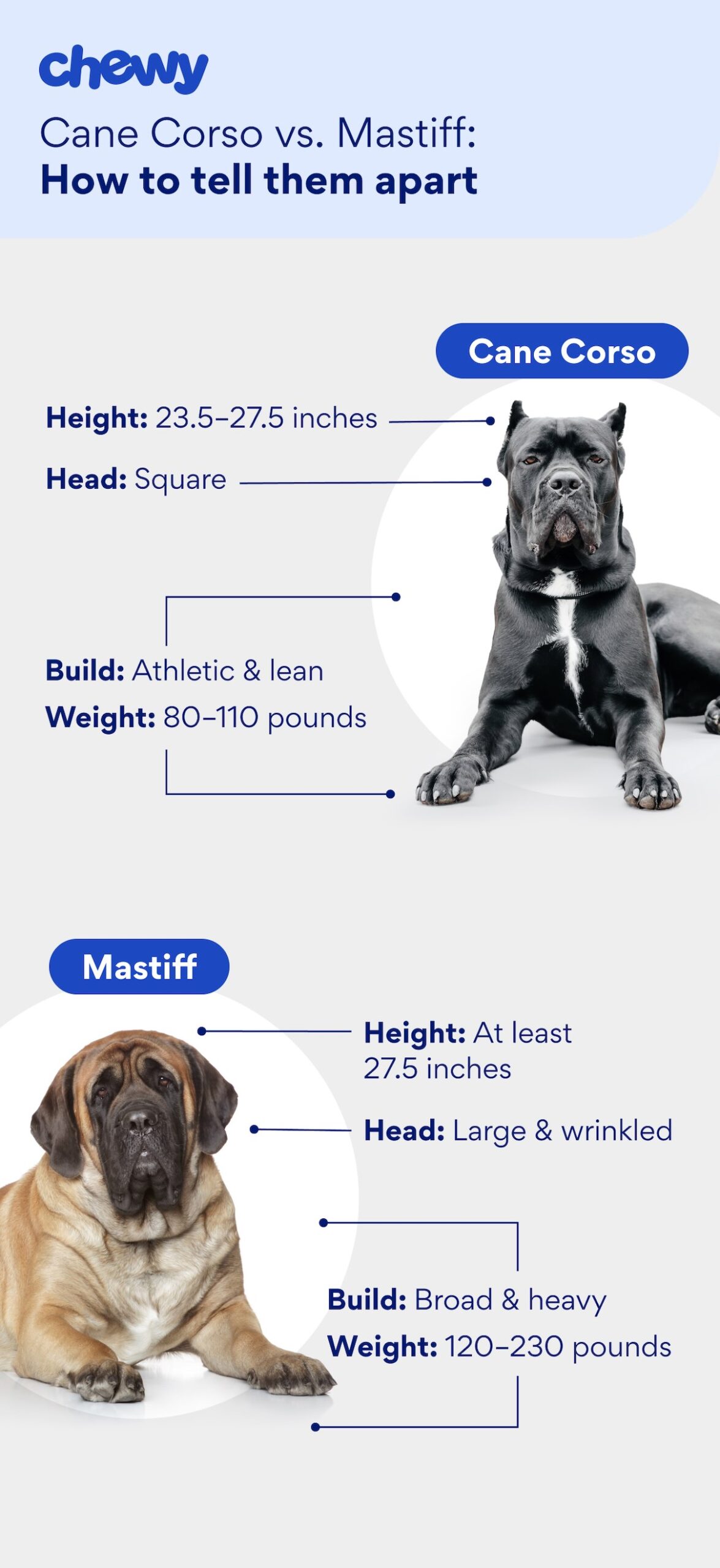
Photo by Chewy
At a glance, both breeds are large and muscular—but there are key differences in size, build, and expression.
Size and Build
- Cane Corso: Typically stands 23.5–27.5 inches tall and weighs 80–110 pounds. They have an athletic, lean build designed for movement and agility.
- English Mastiff: Much larger overall, standing at least 27.5 inches tall and often weighing 120–230 pounds. They have a broad, heavy frame.
Head and Expression
- Cane Corso: Features a square-shaped head with a focused, alert expression.
- English Mastiff: Known for a large, wrinkled head, droopy jowls, and a softer, more relaxed expression.
Coat and Colors
- Cane Corso: A short, dense coat comes in black, gray, fawn, red, and brindle.
- English Mastiff: Mastiffs have a short coat as well, in fawn, apricot, or brindle with a dark face mask.
Personality
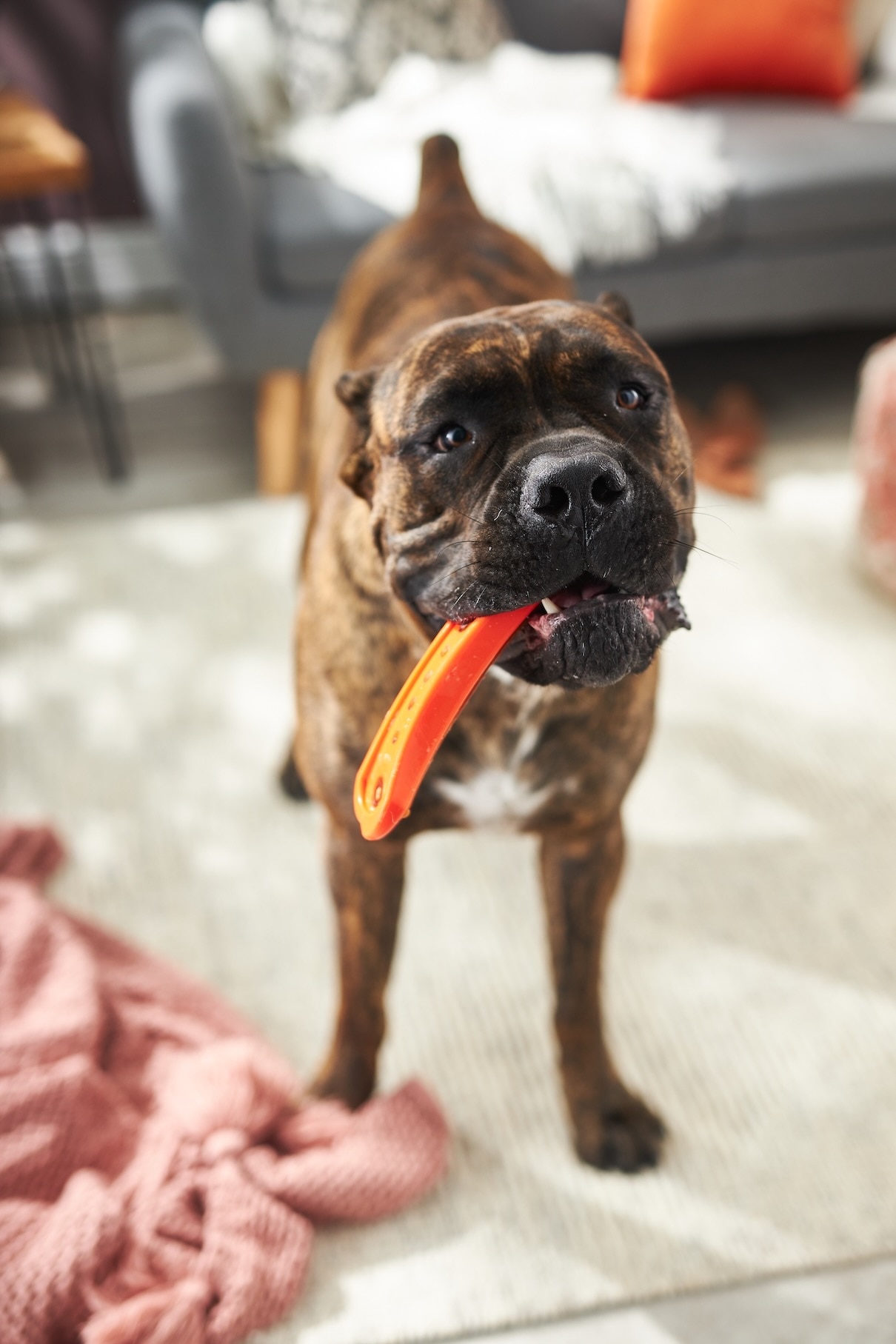
Photo by Chewy
Both breeds are deeply loyal to their families, but they express that loyalty in different ways.
Cani Corsi are highly engaged dogs who thrive when they have a job to do. They are intelligent, eager to learn, and often form strong bonds with their pet parents.
English Mastiffs are known for their calm, easygoing nature. They tend to be more laid-back and enjoy lounging with their family. While they are still attentive and devoted, they are generally less driven to be constantly active compared to Cani Corsi.
Early socialization and consistent positive reinforcement training are essential to help both breeds grow into well-mannered adults.
Exercise Needs
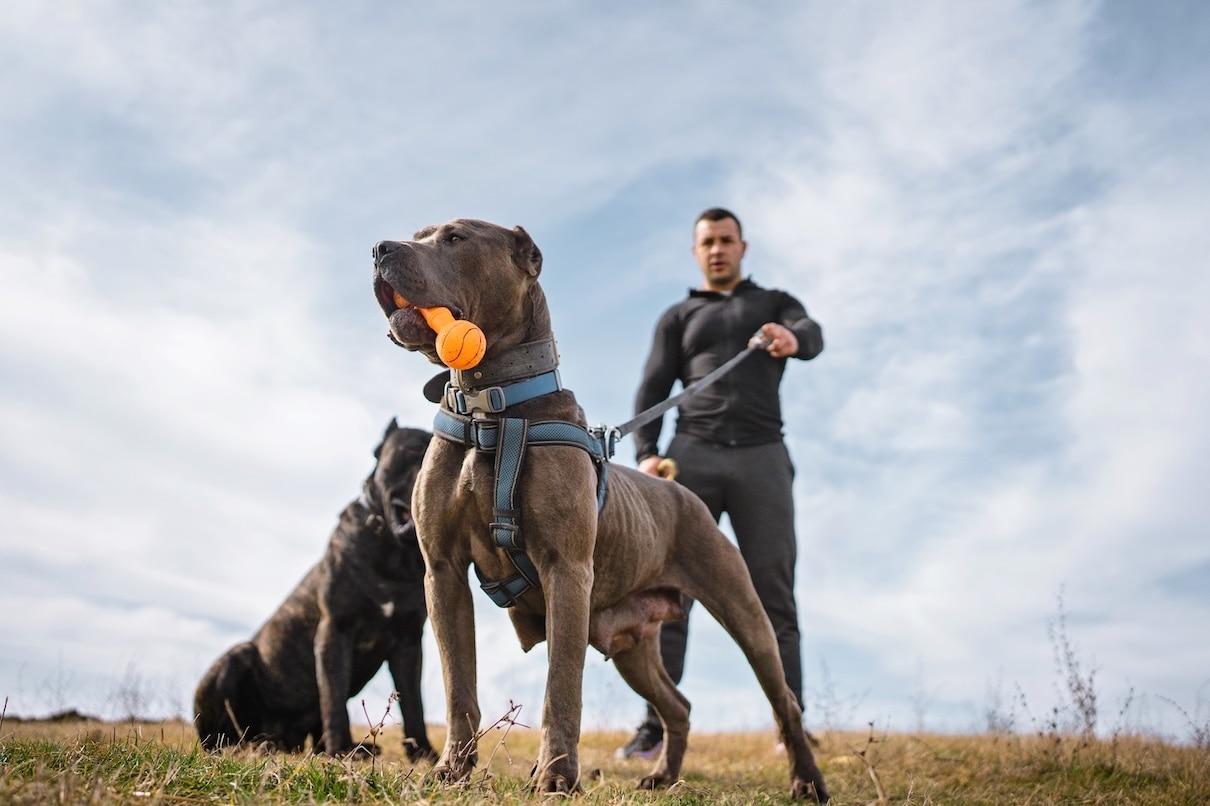
Photo by FluxFactory/E+ via Getty Images
Cani Corsi have moderate to high energy levels and need at least an hour of brisk, daily exercise to stay happy and healthy. Long walks, runs, structured playtime, and activities like obedience training or scent work can help meet their physical and mental needs.
English Mastiffs have lower energy levels overall. But that doesn’t mean you can let them be a couch potato 24/7—they still need daily walks and gentle activity, but they are more prone to enjoying shorter, slower-paced outings. A few daily 20- to 30-minute walks around the block should be enough.
Because of their size, it’s important for puppies of both breeds to avoid overexertion. Running and jumping at too early of an age can put stress on immature joints and increase the risk of developmental orthopedic diseases like hip and elbow dysplasia.
Grooming
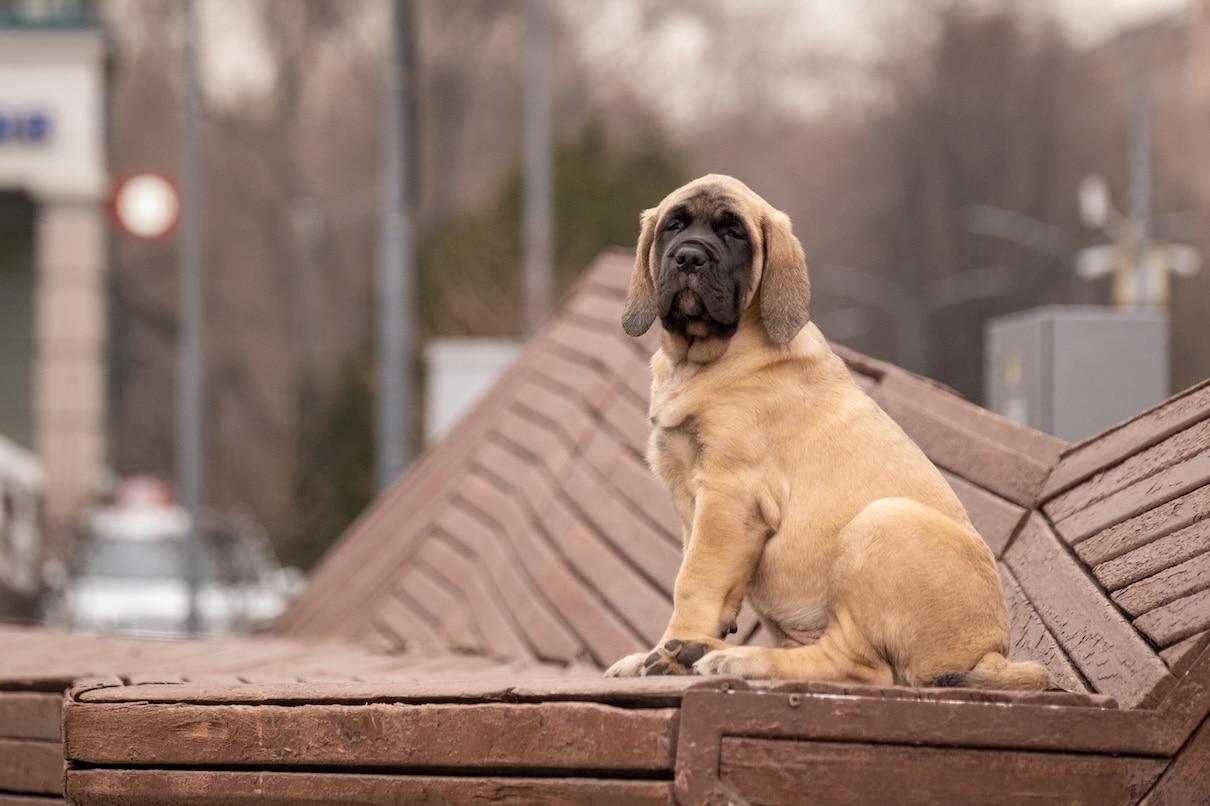
Photo by Dina Damotseva/iStock/Getty Images Plus via Getty Images
Cani Corsi and English Mastiffs both have short coats, making grooming relatively straightforward.
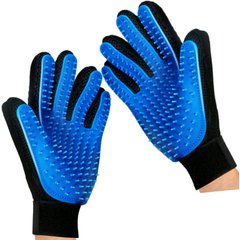
Both dogs are moderate shedders who benefit from a weekly brushing with a grooming mitt or bristle brush to remove loose hair and keep their coat and skin healthy.
Recommended Products
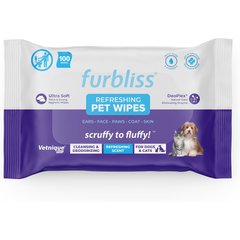
For Mastiff pet parents, be prepared for lots of drool—don’t worry, it’s normal for the breed. You’ll need to regularly clean around your dog’s face with a pet wipe like Vetnique Labs Cleansing Wipes to keep their skin folds and loose jowls healthy.
Recommended Product
Along with coat care, both breeds need their nails trimmed and their teeth brushed. It’s best to start these tasks when your puppy is young so they get used to the routine.
Health
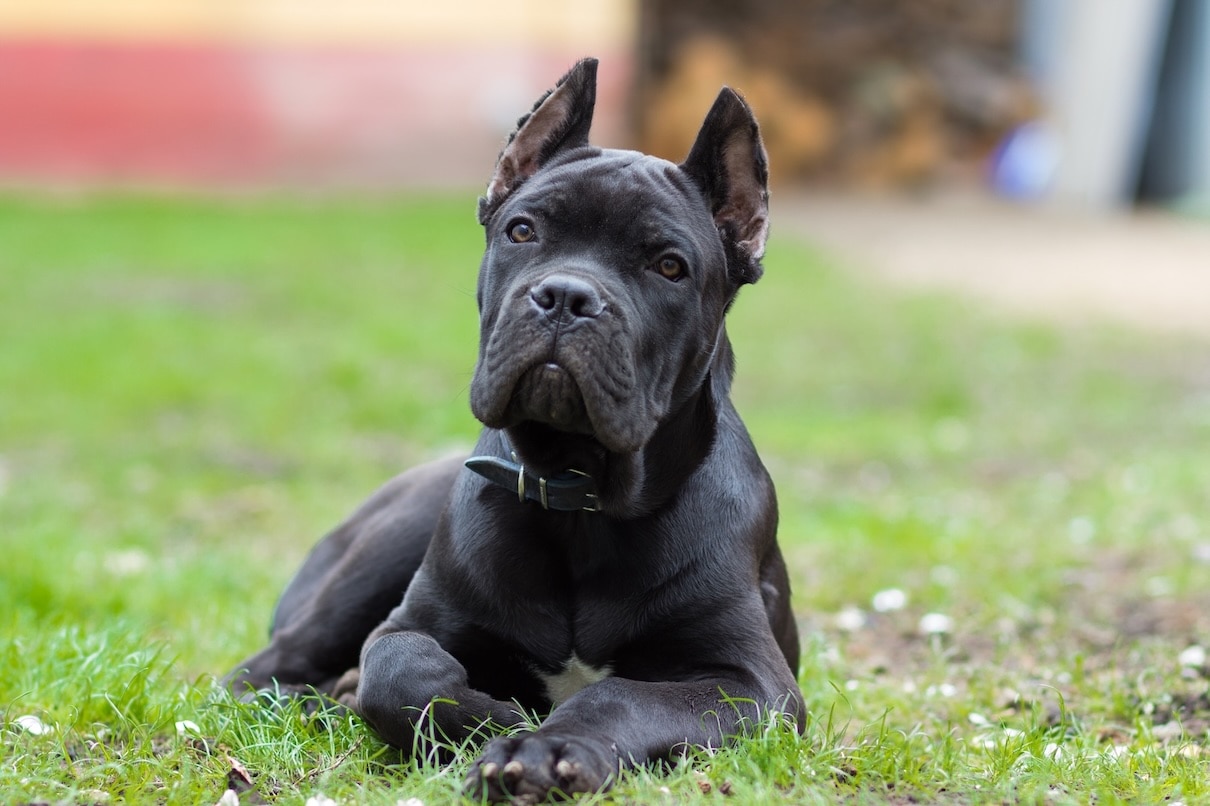
Photo by FaST_9/iStock/Getty Images Plus via Getty Images
Both Cani Corsi and Mastiffs have common health concerns typical for many large and giant breeds.
Cani Corsi may be prone to conditions such as:
- Bloat and gastric dilatation-volvulus
- Hip dysplasia
- Elbow dysplasia
- Idiopathic epilepsy
- Demodectic mange
- Eye issues, such as entropion, ectropion, progressive retinal atrophy, and cherry eye
English Mastiffs are also susceptible to:
- Hip dysplasia
- Elbow dysplasia
- Bloat and gastric dilatation-volvulus
- Degenerative myelopathy
- Dilated cardiomyopathy
- Eye issues, such as entropion, ectropion, progressive retinal atrophy, and cherry eye
This is not a complete list of all the health problems that can affect these two breeds. Regular veterinary checkups, maintaining a healthy weight, and responsible breeding practices can help support their long-term health.
Cane Corso vs. English Mastiff: Which Is the Breed for You?
| Breed | Size | Lifespan | Exercise Needs | Grooming Needs | Health Considerations |
|---|---|---|---|---|---|
| Cane Corso | 80–110 lbs. | 9–12 years | Runs or brisk walks; add training or scent work | Brush weekly | Bloat and GDV, hip dysplasia, elbow dysplasia, epilepsy, demodectic mange, eye problems |
| English Mastiff | 120–230 lbs. | 6–10 years | Lower overall; shorter walks are fine | Brush weekly; wipe drool; keep face wrinkles clean | Hip dysplasia, elbow dysplasia, bloat and GDV, eye problems, degenerative myelopathy, dilated cardiomyopathy |
Choosing between a Cane Corso and an English Mastiff often comes down to your lifestyle and experience with large dogs.
A Cane Corso may be a great fit if you’re looking for an active, highly trainable dog who enjoys structure, learning new skills, and staying busy. They tend to do best with experienced pet parents who can provide consistent training and plenty of engagement.
An English Mastiff may be better suited for those who prefer a calmer, more relaxed companion who enjoys spending time at home. Mastiffs still require space, commitment, and proper training, but their lower energy level can make them easier to manage than a Cane Corso for some households.
No matter which breed you choose, both dogs thrive in homes where they are treated as beloved family members and given the care, training, and attention they deserve.
Attributions
This article was created with assistance from AI tools. The content has been reviewed for accuracy and edited by a veterinarian.