Dutch Shepherd vs. Belgian Malinois: How Are They Different?


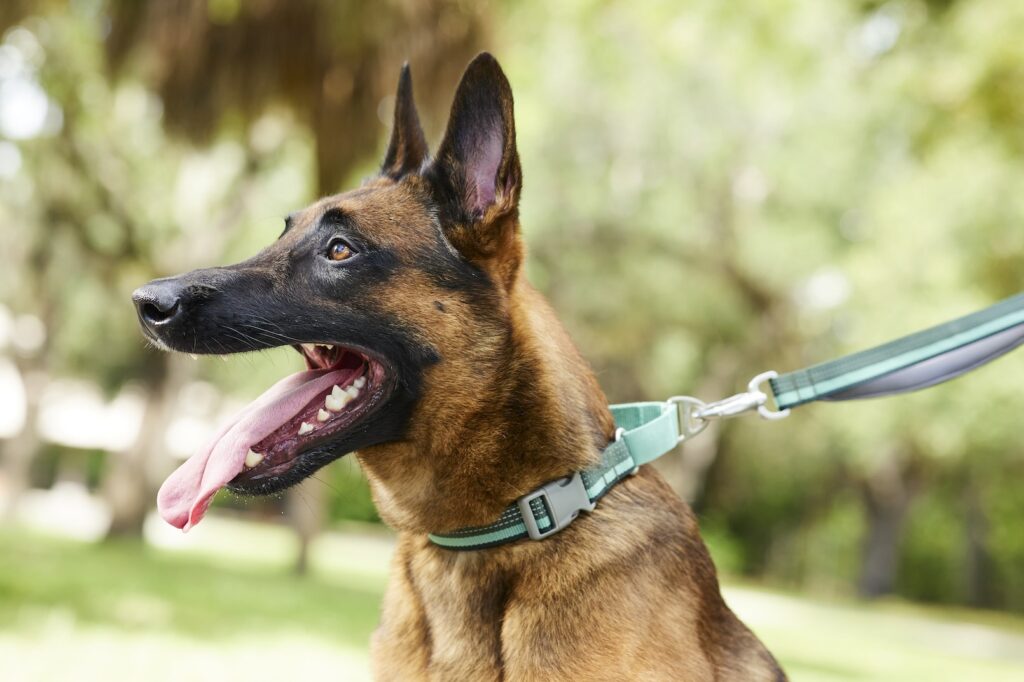
Photo by Chewy
The Dutch Shepherd and Belgian Malinois have a lot in common: They are both super-smart canine athletes with roots as hardworking herding dogs.
But when you look a little more closely, you’ll find distinct differences between the two breeds. Here’s what you need to know about Dutch Shepherds vs. Belgian Malinois.
Key Takeaways
- Dutch Shepherds and Belgian Malinois are both highly intelligent, energetic working dogs who thrive with experienced, active pet parents.
- Dutch Shepherds are always brindle and may have a short, long, or rough coat. Belgian Malinois have a short fawn coat.
- Both breeds require at least one hour of vigorous exercise each day.
History
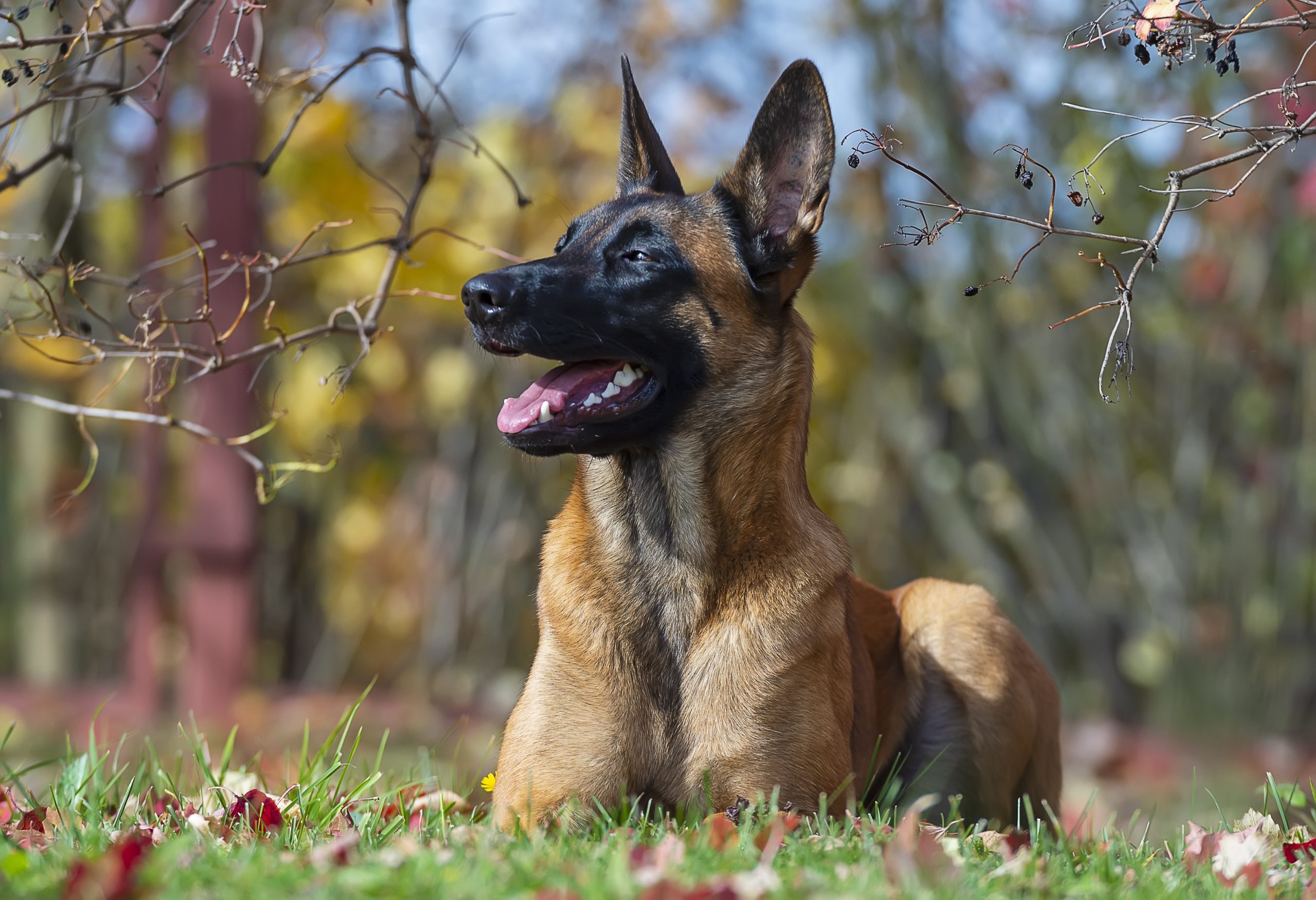
Photo by Sansargo/iStock / Getty Images Plus via Getty Images
Both breeds’ origins are reflected in their names.
The Dutch Shepherd originated in the Netherlands, where they worked alongside 18th-century farmers and shepherds. Their versatility and work ethic made them invaluable in rural life.
According to the American Dutch Shepherd Association, the dogs later gained popularity as companions, show dogs, and even service dogs for the Dutch Army. The breed nearly went extinct during World War II and is still considered a rare dog breed in the U.S. today.
Like the Dutch Shepherd, the Belgian Malinois was bred to work as a herding helper. They are one of four Belgian herding breeds developed in the 1800s—the others are the Belgian Sheepdog (Groenendael), the Belgian Laekenois, and the Belgian Tervuren.
Over time, the Malinois’ athleticism and sharp mind made them well-suited for roles in military and service work. Today, they are commonly seen in roles that require focus, stamina, and close partnership with their handlers, such as military and police work.
Appearance
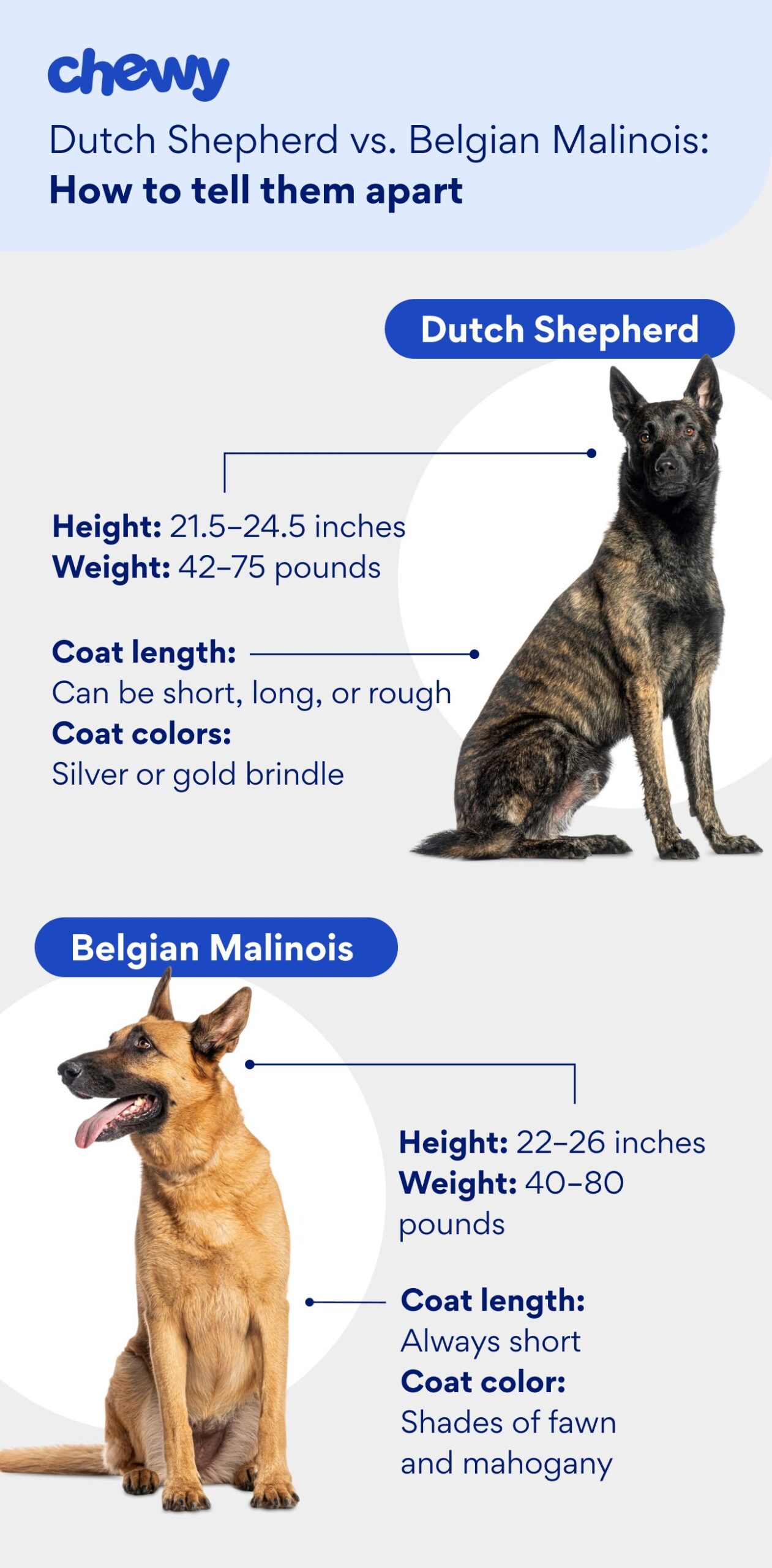
Photo by Chewy
Take one look at a Belgian Malinois or Dutch Shepherd, and you can tell they were born to work. Both are lean, muscular dogs with alert expressions and at-attention ears.
They’re also similar in size. Dutch Shepherds typically stand 21.5–24.5 inches tall and weigh 42–75 pounds, while Belgian Malinois are usually slightly larger, at 22–26 inches tall and 40–80 pounds.
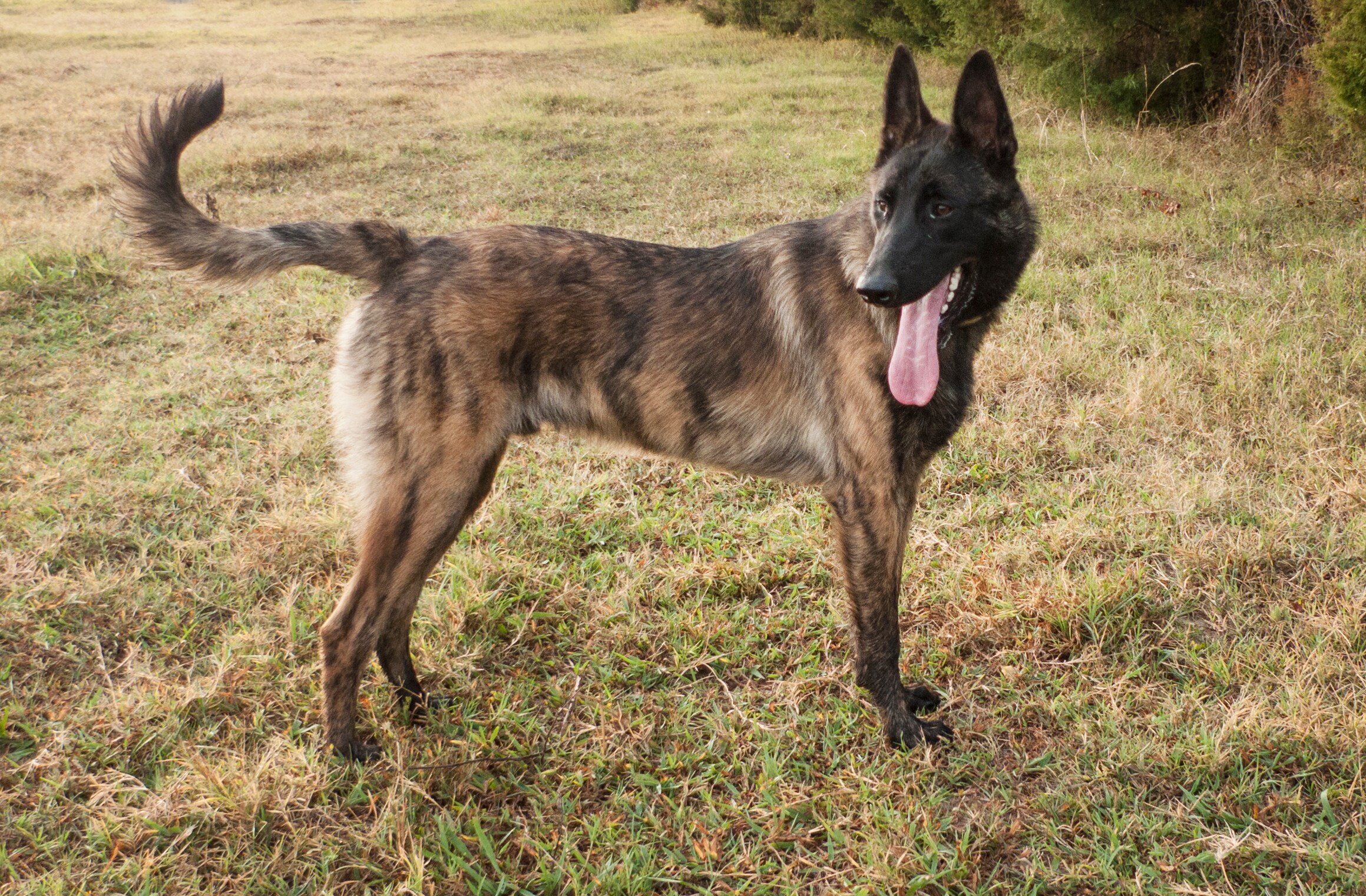
The most obvious physical difference between the breeds comes down to their coat.
Belgian Malinois always have a short, straight coat that comes in shades of fawn to mahogany, often with a black mask.
Dutch Shepherds have a brindle coat that can be one of three varieties, according to the Dutch Shepherd Club of America:
- Short: Shorthaired Dutch Shepherds have a hard, smooth coat that lies close to their body, like a Malinois.
- Rough: Dutch Shepherds with rough coats have a tousled look to them. Their fur is dense and woolly, with lots of curls and waves.
- Long: Longhaired Dutch Shepherds have long, straight, close-lying fur.
Personality
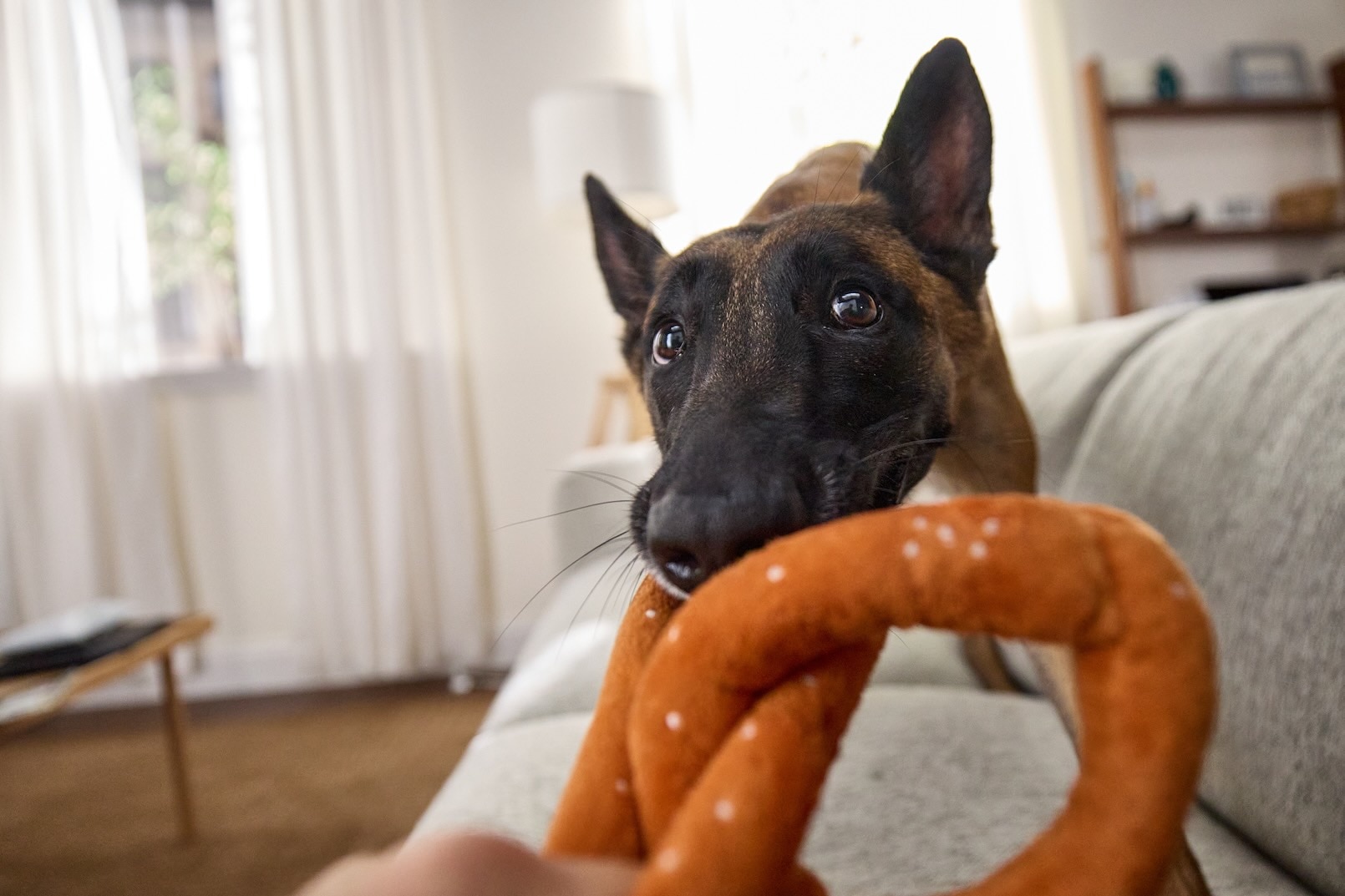
Photo by Chewy
Both Dutch Shepherds and Belgian Malinois are known for their intelligence, loyalty, and eagerness to work. However, their intensity can be a lot for some households.
Both breeds are devoted to their families and often form strong bonds with their people. They were also bred to work independently, which means they can think for themselves. But with consistent, positive reinforcement-based training and clear communication, both breeds are highly responsive and adaptable.
Without enough outlets for their energy and intelligence, Dutch Shepherds and Belgian Malinois can become bored. And when they’re bored, they can develop unwanted behaviors.
Both dogs need pet parents who can keep them engaged and well-exercised. They typically do best with experienced pet parents who understand the needs of a working dog.
Exercise Needs
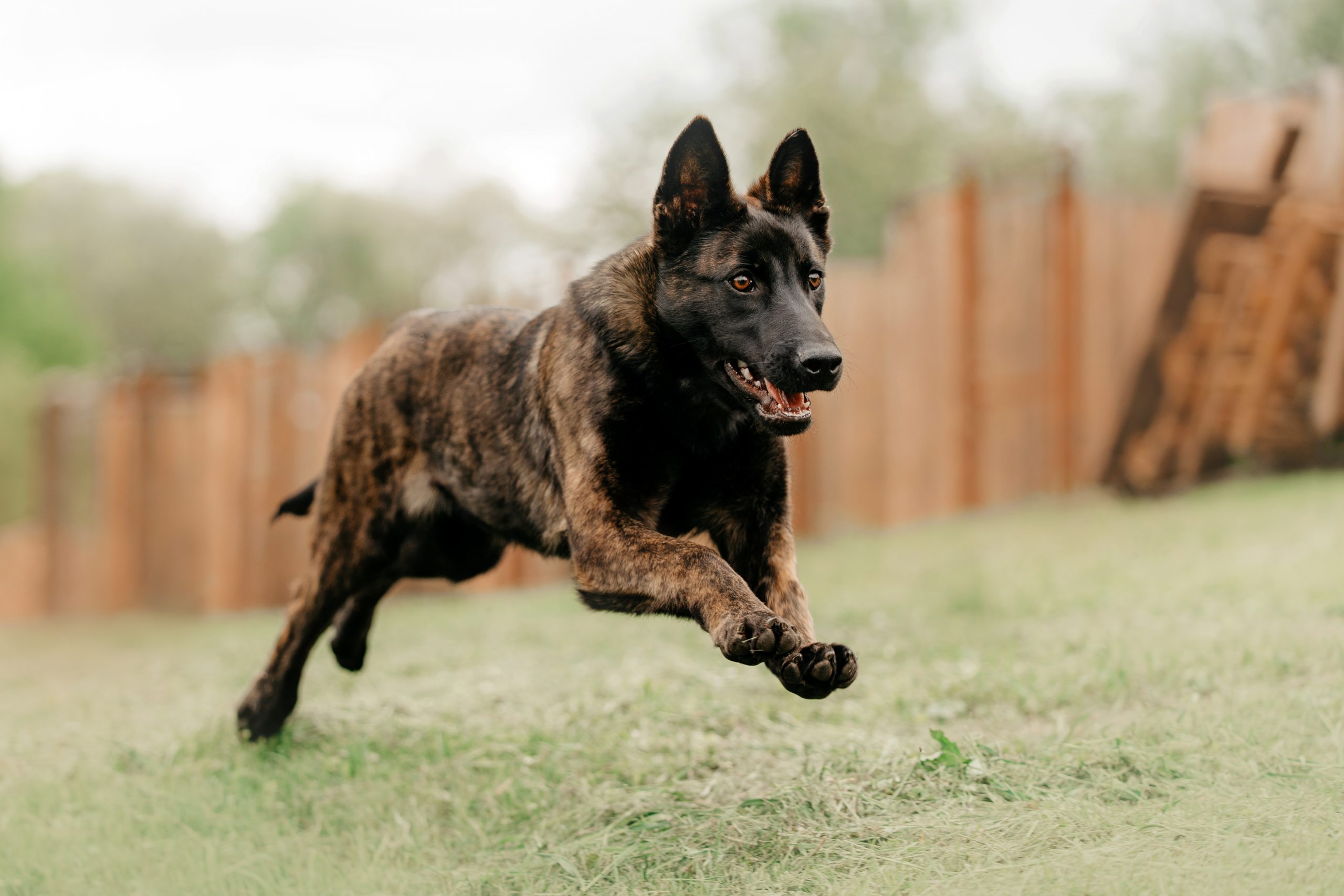
Photo by Ksenia Raykova/iStock / Getty Images Plus via Getty Images
If you’re not already an athlete, you might want to think twice before bringing home one of these incredibly active dogs.
Belgian Malinois and Dutch Shepherds need at least one hour of high-intensity exercise every day, but many pups will be up for more. Some of their favorite ways to get their paws moving include:
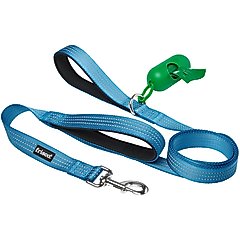
- Long walks and runs
Recommended Products
- Hikes
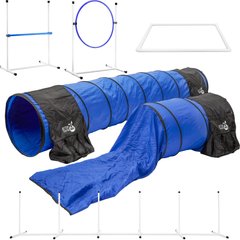
- Dog sports like agility, Rally, or dock diving
Recommended Product
Recommended Products
Recommended Products
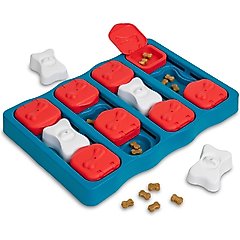
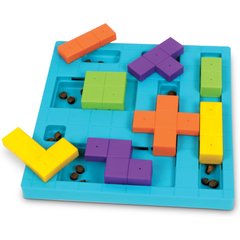
Mental stimulation is just as important as physical activity for these smart dogs. Daily training sessions, games, and scent walks are great ways for these breeds to exercise their brains, too.
At the end of the day, a quick walk around the block is not enough for either breed. They need daily challenges that engage both body and mind. Remember: Getting enough exercise is key to avoiding many unwanted behaviors.
Grooming
Tamara Harding/iStock / Getty Images Plus via Getty Images
Photo by Chewy
You’ll be spending lots of time every day exercising your Belgian Malinois, but their grooming needs aren’t as demanding. Brush your dog about once a week with a bristle brush or rubber mitts to keep your Mal tidy.
Recommended Products
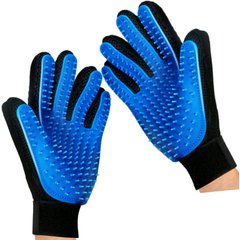
They often shed more heavily in the spring and fall, so you might need to ramp up your brushing routine to once a day as the seasons change.
Grooming needs for a Dutch Shepherd vary by coat type. Shorthaired Dutch Shepherds do OK with weekly brushings to remove loose hair. A bristle brush can be your go-to tool.
Longhaired Dutch Shepherds need more frequent brushing (up to daily) to prevent tangles and matting. Use a slicker brush or comb.
Recommended Products

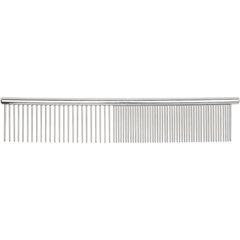
Rough-coated Dutch Shepherds require hand-stripping, a process where the hair is removed from the root instead of clipped. This helps maintain their coat’s texture and is best done by a professional groomer. Between grooming appointments, comb their coat to prevent tangles.
For both breeds, regular nail trims, ear cleaning, and dental care are also essential parts of a healthy grooming routine.
Health
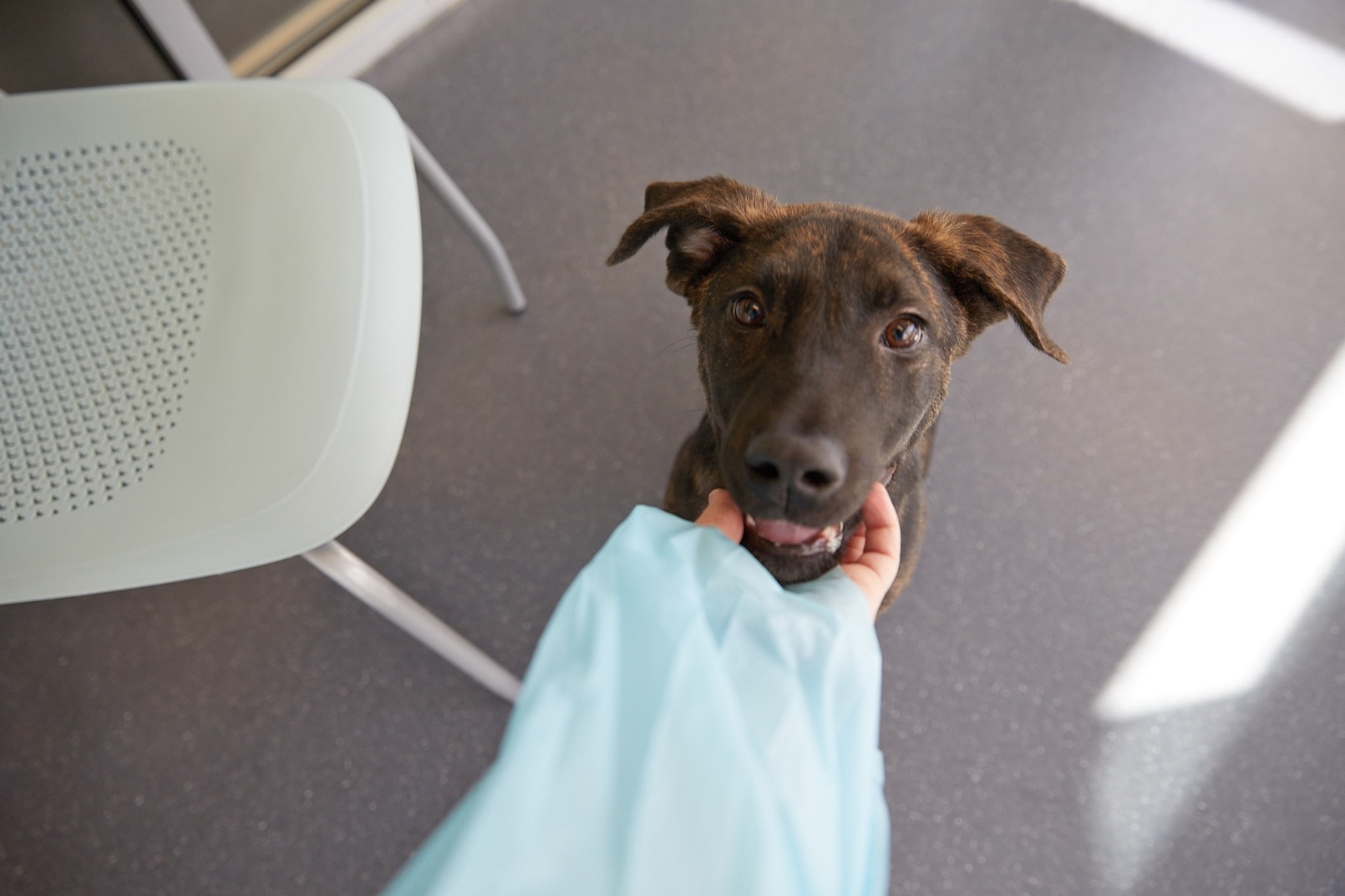
Photo by Chewy
Both Dutch Shepherds and Belgian Malinois are generally considered healthy breeds. But like all dogs, they can be susceptible to certain conditions.
The average Dutch Shepherd lifespan is 11–14 years. Common health concerns include:
Belgian Malinois typically live 14–16 years and may be at risk for:
- Hip dysplasia
- Elbow dysplasia
- Eye conditions, including cataracts and progressive retinal atrophy
- Hemangiosarcoma, a type of cancer in dogs that affects cells lining the blood vessels and often leads to bleeding tumors in the heart, spleen, and liver
Reputable breeders screen breeding dogs for inherited conditions to produce healthy puppies. Regular veterinary checkups, a balanced diet, and maintaining a healthy weight can help support long-term well-being.
Dutch Shepherd vs. Belgian Malinois: Which Is the Breed for You?
| Breed | Size | Lifespan | Exercise Needs | Grooming Needs | Health Concerns |
|---|---|---|---|---|---|
| Dutch Shepherd | Medium | 11–14 years | At least 60 minutes daily | Weekly to daily, depending on coat type | Hip dysplasia, elbow dysplasia, hypothyroidism |
| Belgian Malinois | Large | 14–16 years | At least 60 minutes daily | Weekly brushing | Hip dysplasia, elbow dysplasia, cataracts, PRA, cancer |
If you’re considering a Dutch Shepherd or a Belgian Malinois, you’re committing to daily vigorous exercise, consistent training, and prioritizing your pup’s mental well-being.
These breeds share many traits and needs, so choosing between them often comes down to personal preference. In the right environment—with structure, guidance, and plenty of positive reinforcement—both Dutch Shepherds and Belgian Malinois can be deeply rewarding companions.
If you’re unsure which breed is the best fit, consider connecting with a breed-specific rescue or reputable breeder and spending time with adult dogs. Seeing how a dog’s energy and personality align with your daily life is one of the best ways to make a confident decision.
Attributions
This article was created with assistance from AI tools. The content has been reviewed for accuracy and edited by a veterinarian.