Irish Wolfhound vs. Great Dane


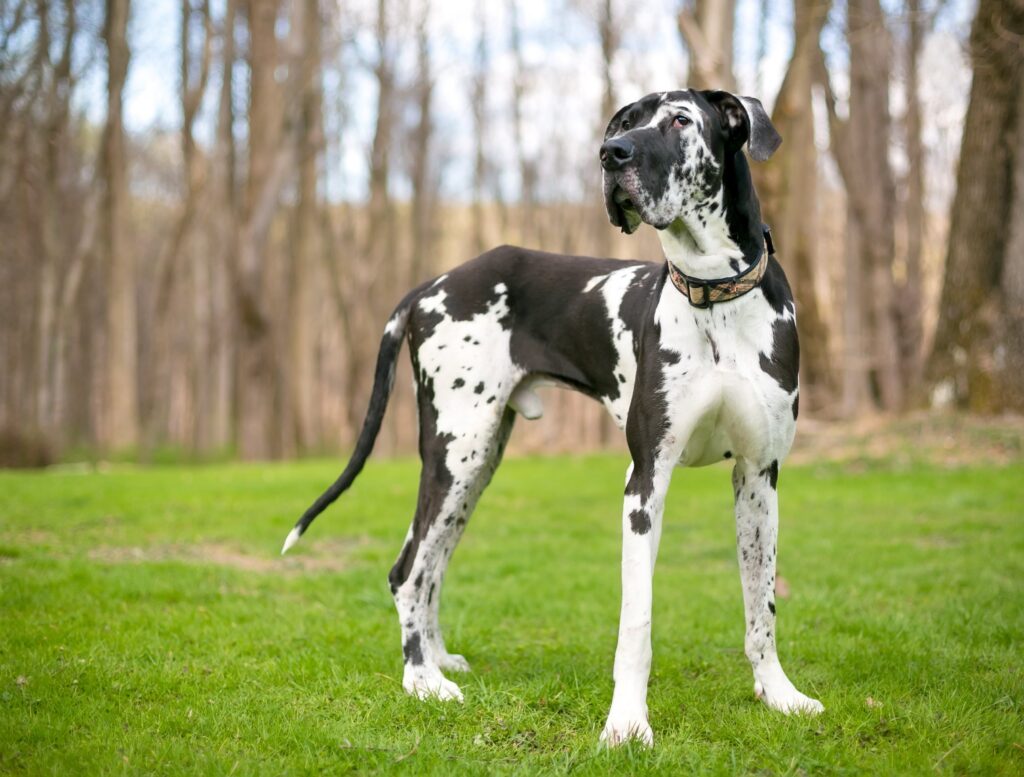
Photo by Adobe/Mary Smith
If you’ve ever dreamed of sharing your home with a truly giant dog, the Irish Wolfhound and the Great Dane are likely at the top of your list. These towering companions turn heads everywhere they go—but life with a giant breed is about much more than size.
While both breeds are affectionate, loyal, and famously gentle with their families, they bring different energy levels, care needs, and day-to-day experiences. Getting to know those differences can help you decide which dog will feel like the perfect fit for your home.
Key Takeaways
- Irish Wolfhounds are typically taller and leaner, while Great Danes are heavier with a more solid build.
- Both breeds are loving companions who thrive on close relationships with their pet parents.
- Irish Wolfhounds need more daily exercise than many people expect, while Great Danes need moderate activity.
- Grooming is more involved for Irish Wolfhounds, while Great Danes are relatively low maintenance.
- Both breeds have shorter lifespans and benefit from proactive veterinary care.
History
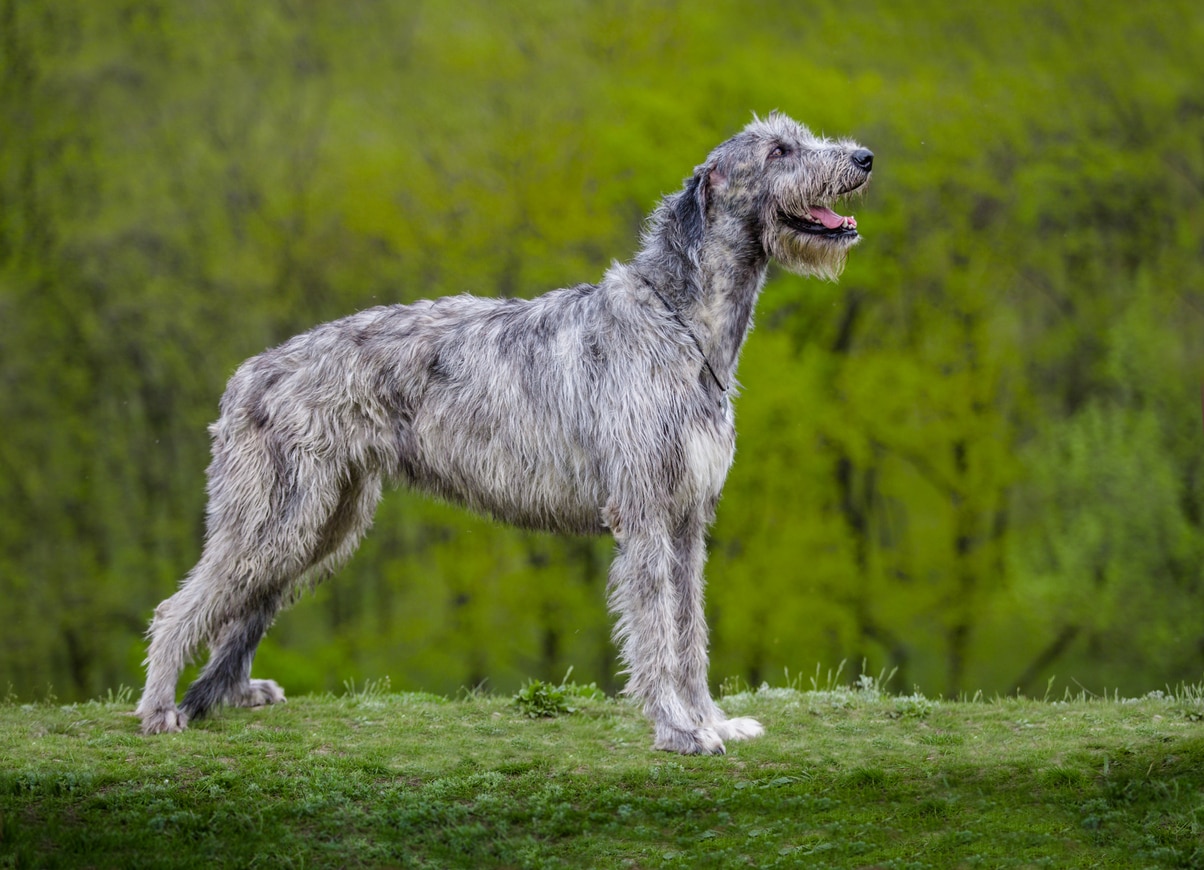
Photo by iStock/Ashva
The Irish Wolfhound has a history that stretches back centuries in Ireland. Originally bred to hunt wolves and other large game, these dogs needed both speed and size to do their job well. Over time, as wolves disappeared, Irish Wolfhounds transitioned into beloved companions—though they never lost their dignified presence.
Great Danes, despite their name, were developed in Germany. They were bred to hunt wild boar, a task that required strength, agility, and stamina. As their role shifted away from hunting, breeders focused on creating the friendly, easygoing dogs we know today.
Appearance
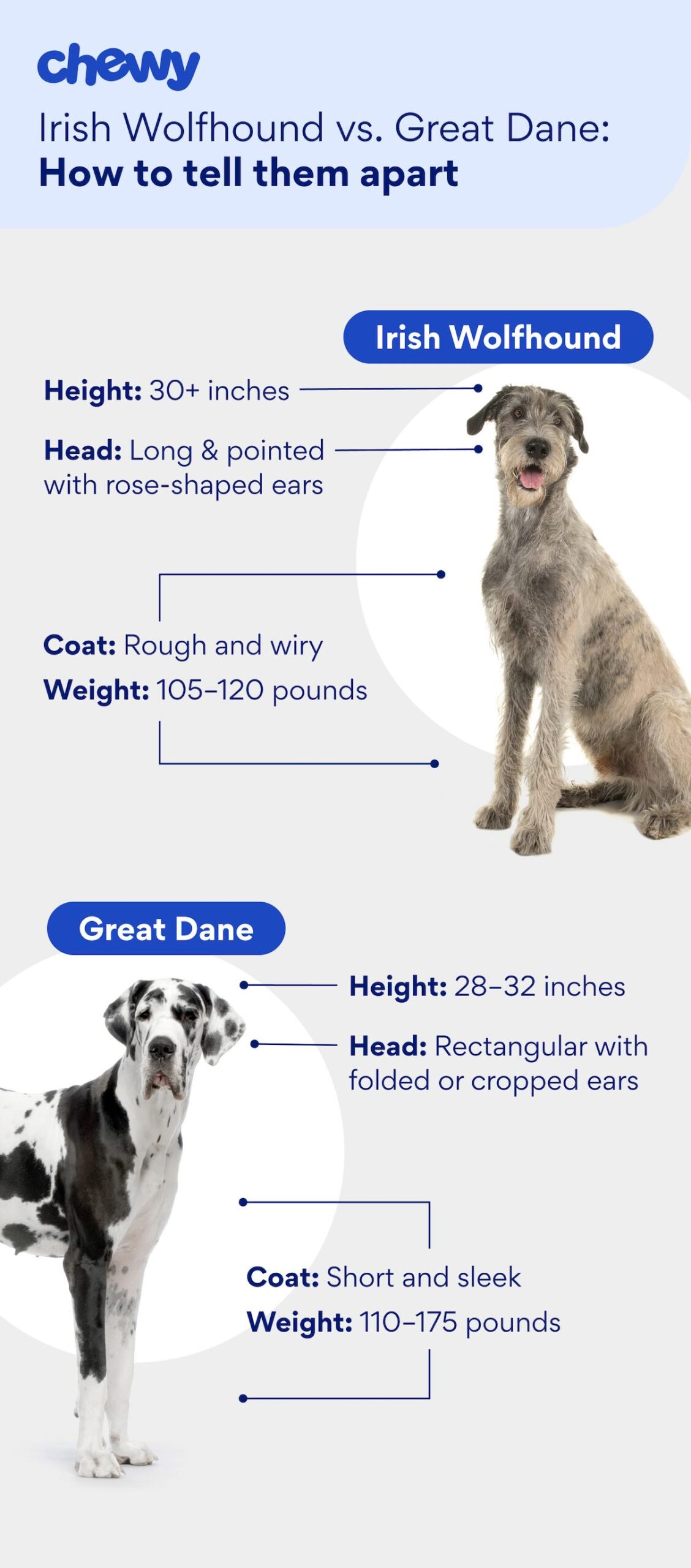
Photo by Chewy
At first glance, both breeds are unmistakably large—but once you look a little closer, their differences become clear.
Size and Build
- Irish Wolfhound: Exceptionally tall with a lean, long-legged frame built for speed and endurance rather than bulk. Typically stands 30+ inches at the shoulder and weighs 105–120 pounds (sometimes more), resulting in a towering yet relatively slender appearance.
- Great Dane: Slightly shorter on average but noticeably heavier, with a strong, muscular build designed for power. Usually stands 28–32 inches tall and weighs 110–175 pounds, meaning this breed has an overall more solid and robust physique.
Coat and Colors
Both breeds come in a wide range of colors, but their coat types differ:
- Irish Wolfhounds have a rough, wiry coat seen most often in gray, brindle, red, black, and white.
- Great Danes have a short, sleek coat in colors including fawn, brindle, blue, black, harlequin, and mantle.
Head and Ears
- Irish Wolfhound: A long skull with a pointed muzzle and small, rose-shaped ears
- Great Dane: A long, rectangular head with high-set ears folded close to the cheek. It’s also common to see Great Dane ears cropped, though this is a controversial procedure many veterinary organizations oppose.
Personality
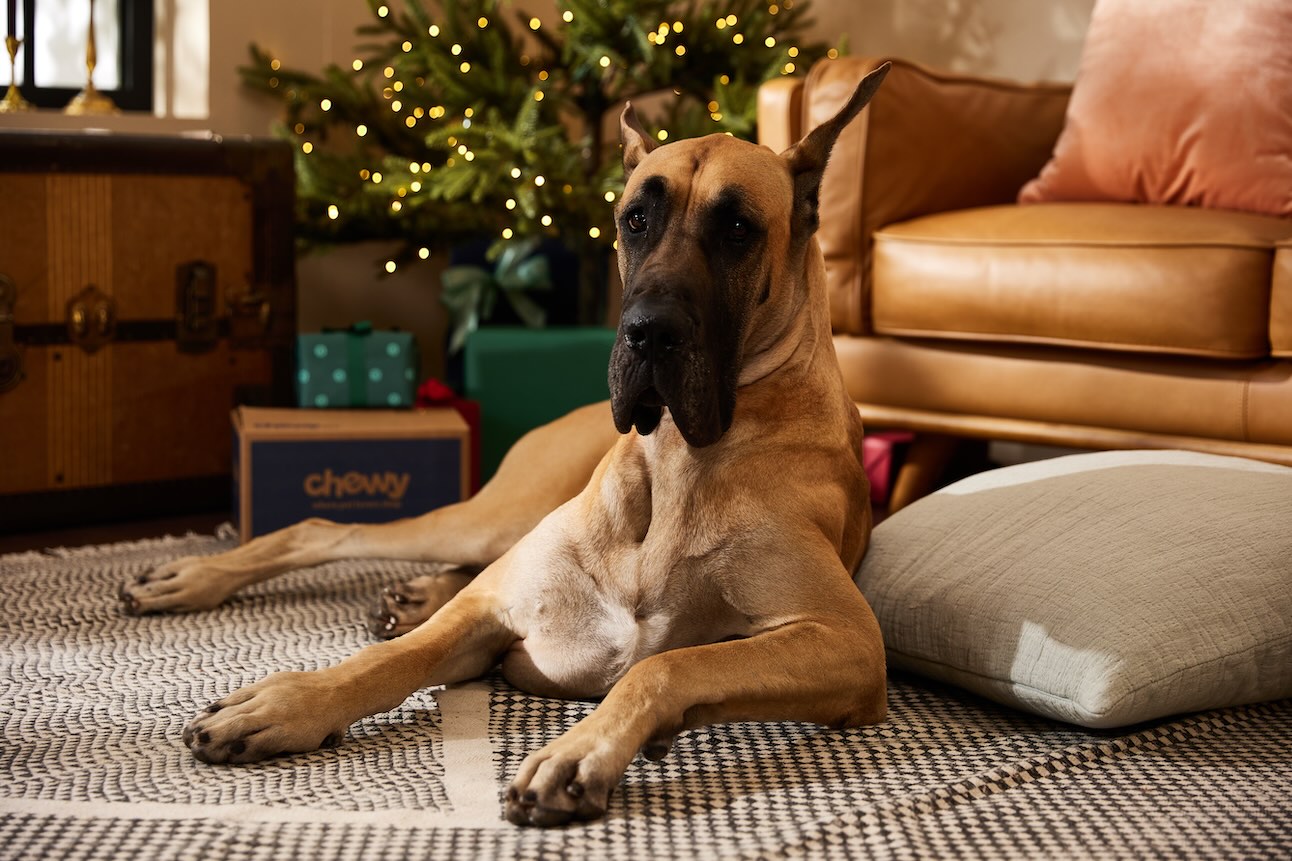
Photo by Chewy
If you’re looking for a calm presence in your home, the Irish Wolfhound often fits the bill. These dogs are gentle, quiet, and deeply devoted to their families. They’re happiest when they’re near their people, but they don’t usually demand constant activity.
Great Danes tend to bring a bit more playful energy into the home. They’re affectionate, people-oriented, and often unaware of their size—many will happily lean on you or attempt to sit in your lap.
Both breeds do best with positive reinforcement training and early socialization. Consistency and patience go a long way with these sensitive, people-focused dogs.
Exercise Needs

Photo by Adobe/BardoEsgaroth
Irish Wolfhounds need 60–120 minutes of daily exercise, typically through one to two longer walks (1–2 miles total) plus time to move freely in a secure (ideally fenced) space. While they enjoy stretching their legs, they’re not built for endurance running: Short bursts of activity followed by rest suit them best. Avoid jogging until they’re at least 16 months old, when their joints are more developed.
Great Danes need about 30–60 minutes of daily exercise, often a mix of neighborhood walks and light play. Younger Great Danes may have bursts of energy, but they’re still not built for long-distance running.
Daily activity for both breeds can also include mental enrichment activities. Additionally, these dogs should both avoid high-impact activities while they’re growing. Their large frames put extra stress on developing joints—especially during large-breed puppy growth stages.
Grooming
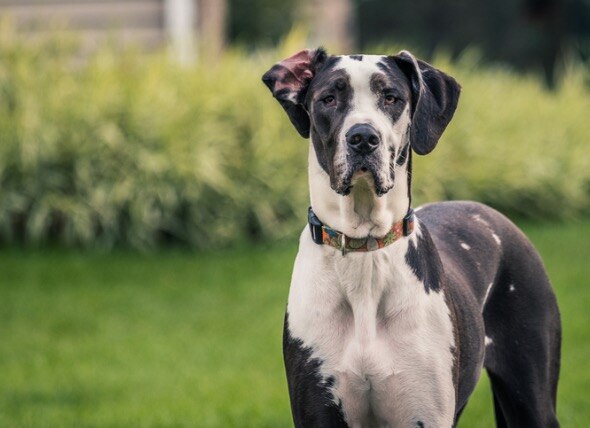
Photo by Earl-Wilkerson/iStock / Getty Images Plus via Getty Images
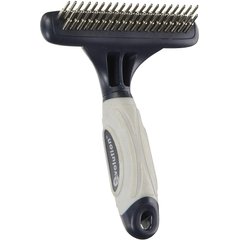
Irish Wolfhounds have a rough, wiry coat that needs regular upkeep. Plan to brush them at least once a week using a rake brush like the Evolution Dog Undercoat Grooming Rake, followed by a pin brush to remove debris and prevent tangles.
Recommended Products

Their coat may also need occasional trimming or hand-stripping to maintain its texture. Baths are typically needed every four to six weeks.
By contrast, Great Danes are much lower maintenance. Their short coat only needs weekly brushing, usually with a grooming mitt or curry brush. They typically need a bath every couple of months, unless they get especially dirty.
Recommended Products


Both breeds shed, but the amount and maintenance look a little different. Irish Wolfhounds shed moderately year-round, and their wiry coat can trap loose hair; regular brushing helps keep it under control. You may notice a slight increase in the Irish Wolfhound’s shedding during seasonal changes, but it’s usually manageable with consistent grooming, ideally weekly.
Great Danes also shed consistently, and because of their short coat, you’ll likely notice those fine hairs on furniture and clothing. While they don’t have heavy seasonal shedding like some other double-coated breeds, you might see more hair during spring and fall. During those seasons, brushing more frequently—every few days or even daily—can help keep shedding in check.
Both breeds also need nail trims every four to six weeks, along with regular ear checks. Dental care is also important: Brushing their teeth several times a week helps prevent buildup.
Recommended Products


Health
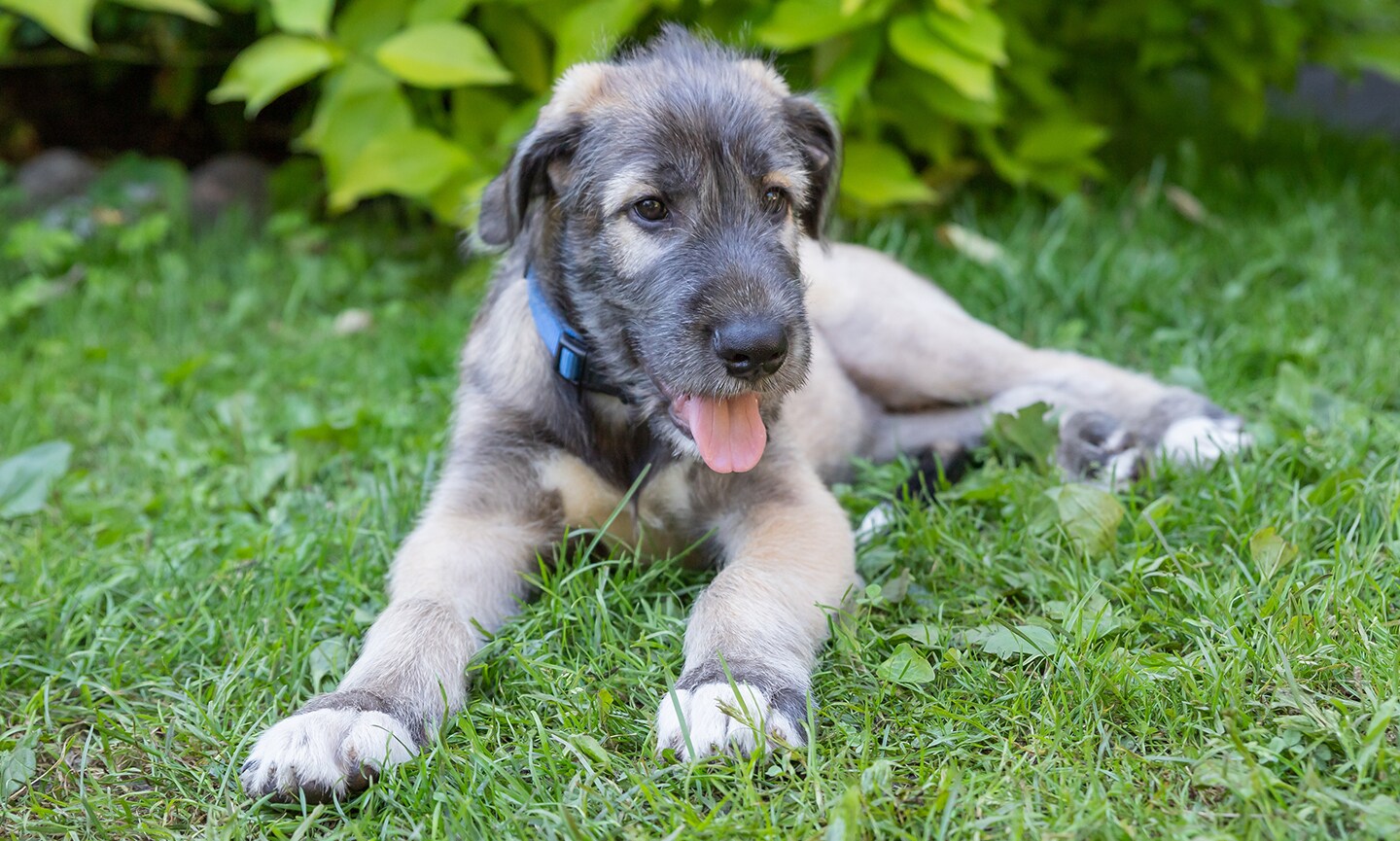
Photo by iStock/undefined undefined
Giant breeds come with unique health considerations, and both Irish Wolfhounds and Great Danes have shorter lifespans than smaller dogs.
- Irish Wolfhounds are more commonly affected by dilated cardiomyopathy (DCM), osteosarcoma (bone cancer), bloat, and gastric dilatation-volvulus (GDV). Talk with your veterinarian about preventive strategies, including feeding routines that may help reduce the risk of bloat.
- Great Danes also have a high risk of bloat and GDV, and may be prone to hip dysplasia, wobbler syndrome (a spinal condition), and degenerative lumbosacral stenosis, which affects the lower spine.
Allergies may show up in both breeds as itchy skin, ear infections, or digestive issues. Staying consistent with veterinary care, maintaining a healthy weight, and watching for early signs of illness can make a meaningful difference.
Which Is the Breed for You?
| Breed | Size | Lifespan | Exercise Needs | Grooming Needs | Health Considerations |
|---|---|---|---|---|---|
| Irish Wolfhound | 30+ inches; 105+ pounds | 6–8 years | High (60–120 minutes daily) | Moderate | DCM, bloat, osteosarcoma |
| Great Dane | 28–32 inches; 110–175 pounds | 7–10 years | Moderate (30–60 minutes daily | Low | Bloat, hip dysplasia, spinal conditions |
Choosing between an Irish Wolfhound and a Great Dane often comes down to your lifestyle.
Irish Wolfhounds are a great fit if you’re looking for a calmer, more laid-back companion who enjoys daily walks and is also happy to relax at home.
Great Danes may be a better match if you want a more playful, attention-loving dog to be involved in everything you do.
No matter which you choose, life with a giant dog is full of big personalities and even bigger cuddles. Making sure you’re prepared for their size, care needs, and shorter lifespan will help you give them the best possible life.
Attributions
This article was created with assistance from AI tools. The content has been reviewed for accuracy and edited by a veterinarian.