Staffordshire Bull Terrier vs. American Staffordshire Terrier


Photo by CBCK-Christine/iStock / Getty Images Plus via Getty Images
If you’ve ever confused the Staffordshire Bull Terrier with the American Staffordshire Terrier, you’re not alone. These two breeds share similar names and a common ancestry, but they are separate breeds with distinct differences.
Understanding what sets them apart can help you choose the dog who best fits your lifestyle. Here’s a closer look at Staffordshire Bull Terriers vs. American Staffordshire Terriers.
Key Takeaways
- Staffordshire Bull Terriers and American Staffordshire Terriers share common ancestry.
- The breeds differ most noticeably in size, with AmStaffs being significantly larger.
- Both breeds are energetic and need daily exercise, at least for an hour every day.
- Grooming is low-maintenance for both breeds thanks to their short coats.
History
Photo by Emre Ceylan/iStock / Getty Images Plus via Getty Images
Both the Staffordshire Bull Terrier (aka the “Staffy”) and the American Staffordshire Terrier (the “AmStaff”) trace their roots back to 19th-century England. They were developed from crosses between bulldog-type dogs and now-extinct terriers, creating strong, enthusiastic, and athletic dogs who were first used for the cruel “sport” of bull-baiting.
When bull-baiting was outlawed in 1835, according to the American Kennel Club, people continued to crossbreed these dogs. Most of the resulting breeds went extinct, but one—the Stafford Terrier—became the shared ancestor of both the Staffordshire Bull Terrier and the American Staffordshire Terrier.
Some Staffords crossed the pond to the U.S., where breeders developed a larger version of the English dog. This became the American Staffordshire Terrier. Staffordshire Bull Terriers are descended from the dogs who remained in England.
Appearance
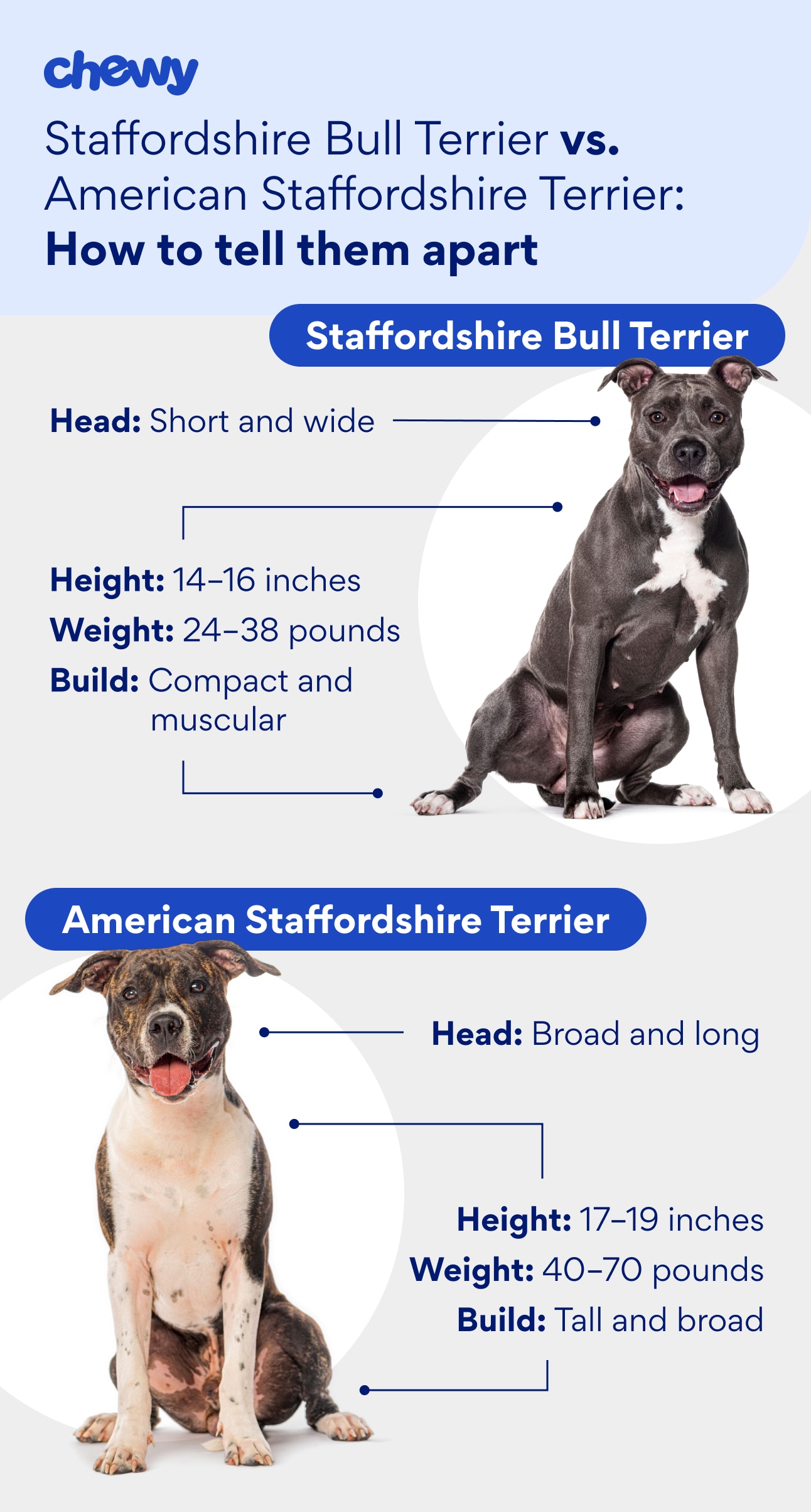
Photo by Chewy
Because of their common ancestry, these breeds can look quite similar. But there are key differences between them.
Size and Build
- Staffordshire Bull Terriers typically stand 14–16 inches tall and weigh 24–38 pounds. They have a compact, muscular build.
- American Staffordshire Terriers stand 17–19 inches tall and weigh 40–70 pounds. They are taller and have a more athletic build than Staffies.
Head and Face
Staffordshire Bull Terriers have a short, wide head with pronounced cheek muscles. Their eyes are round and often dark brown, and their ears are either rose (where they rise slightly and fold backward) or half-prick (upright with the tips folded over).
AmStaff heads are also broad but longer than a Staffie’s. They have dark. round eyes, a black nose, and rose or half-prick ears.
Personality
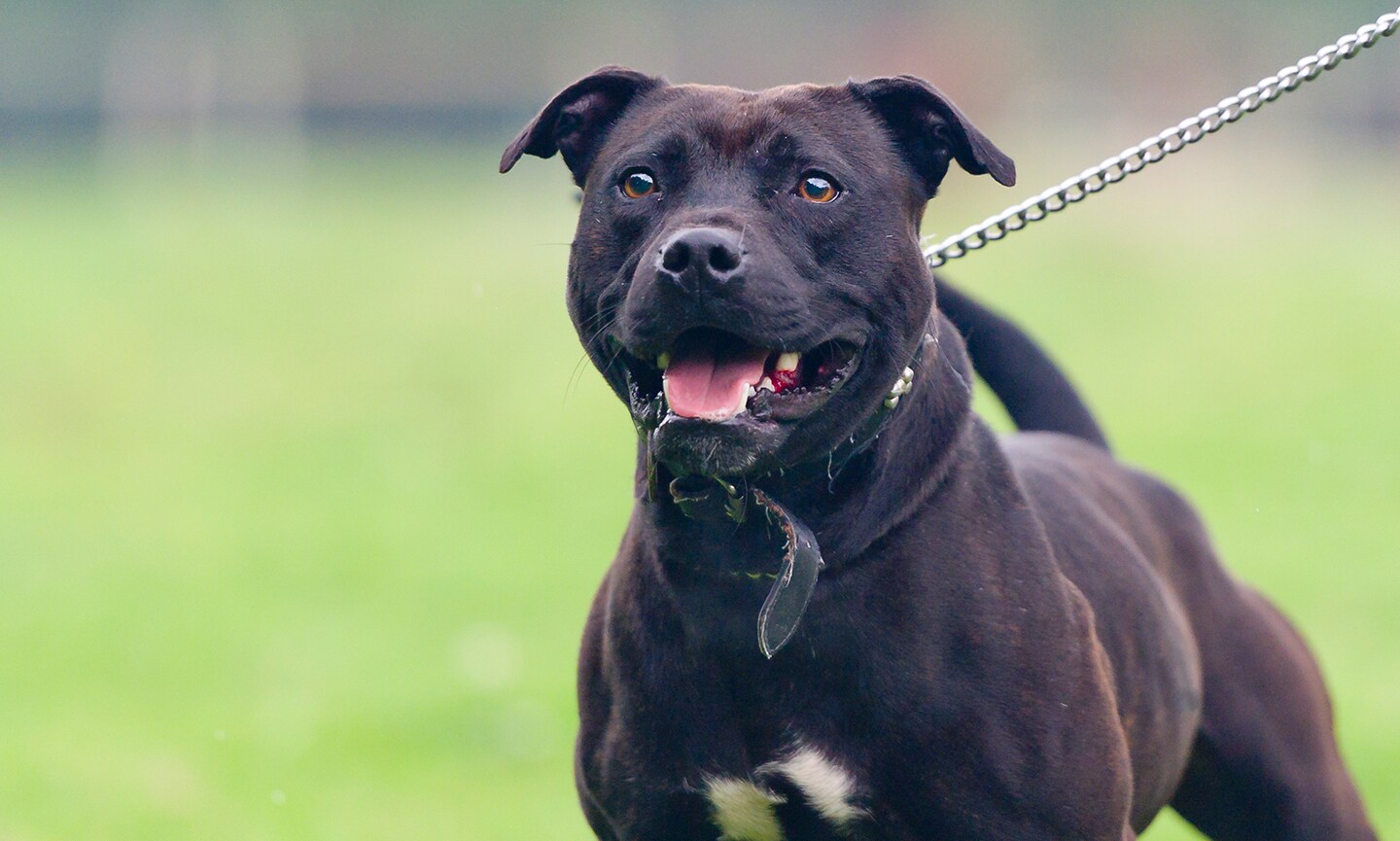
Photo by Chely/iStock / Getty Images Plus via Getty Images
Smart. Playful. Loving. Energetic. Staffies and AmStaffs are all these things, and their loyal personalities make them a great fit for many pet parents.
Both breeds are happiest when they’re with their family. In fact, Staffordshire Bull Terriers are often called “the Nanny Dog” because of their reputation for being gentle around children.
Staffies, AmStaffs, and other “bully” breeds often get a bad reputation because of their history as fighters. But it’s important to remember that these dogs were originally used in fighting, in large part, because their desire to please their humans made them more malleable.
As with all dog breeds, proper training and consistent socialization are essential for a pup to grow into a confident, well-mannered adult. With the right care, either breed can be a loving and devoted companion.
Exercise Needs
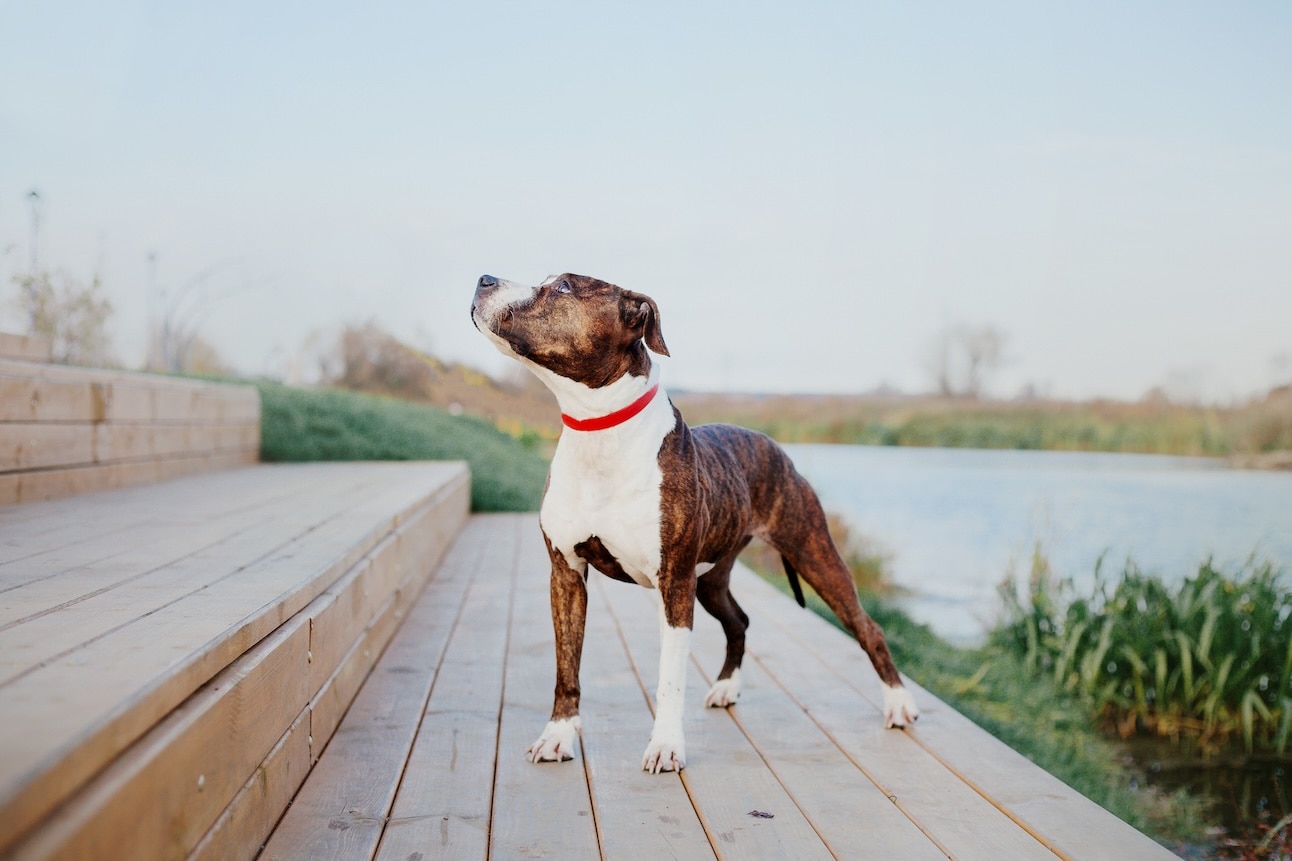
Photo by Olga Ovcharenko/iStock / Getty Images Plus via Getty Images
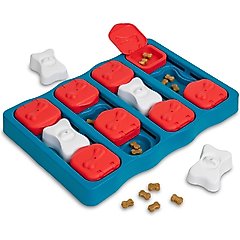
These are active, energetic dogs who need daily exercise and mental stimulation.
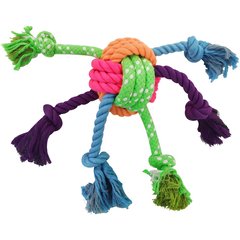
Both breeds need at least one hour of exercise per day, which can be broken down into multiple, shorter sessions. Some of their favorite activities include:
Recommended Product
- Games of fetch and tug
Recommended Products
Recommended Product
Recommended Products

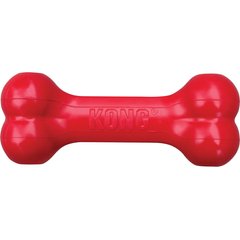
Without enough exercise, your dog may become bored and develop unwanted behaviors, such as chewing or digging.
Grooming
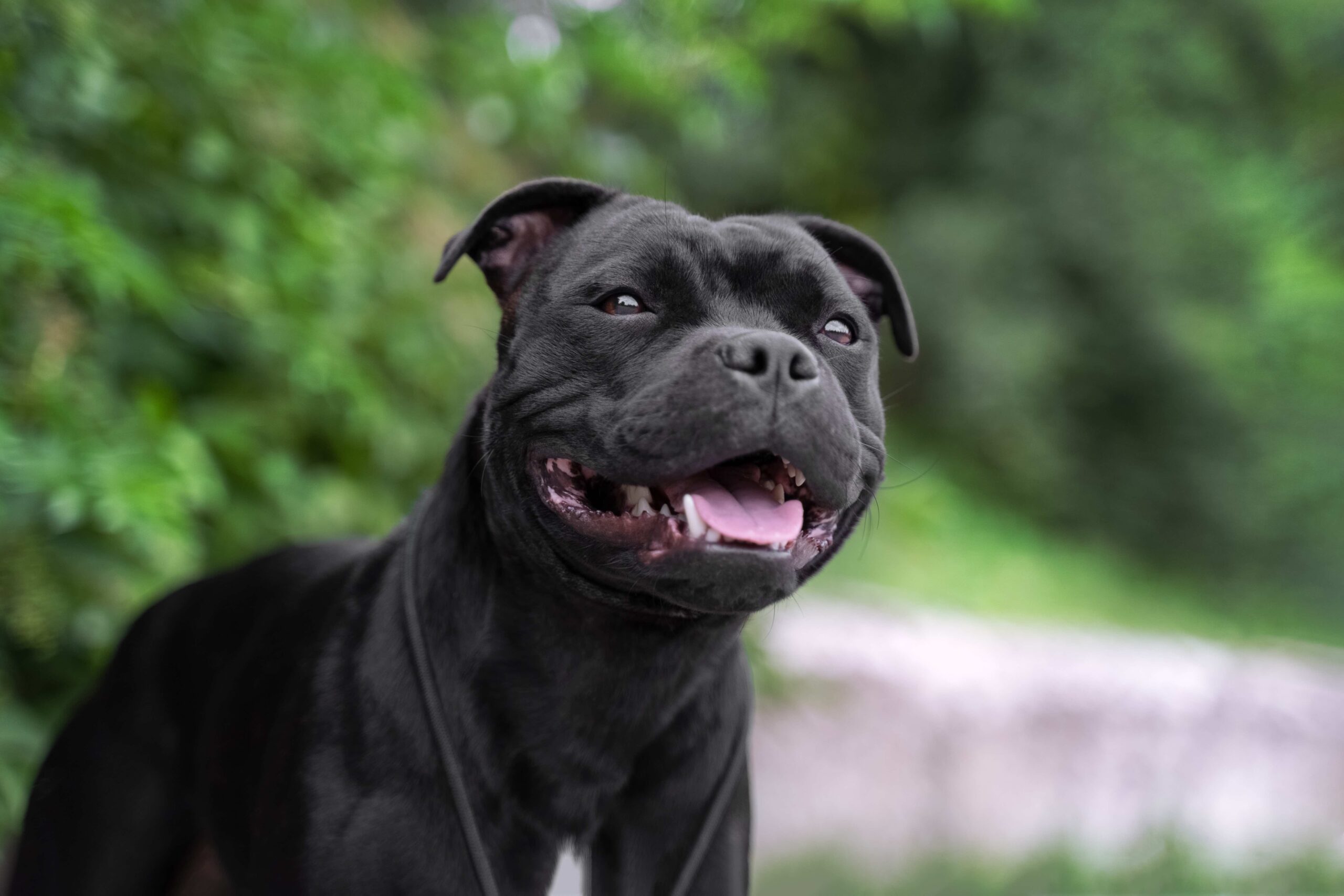
Photo by Adobe/Masarik
American Staffordshire Terriers and Staffordshire Bull Terriers both have short coats that don’t call for a ton of upkeep.
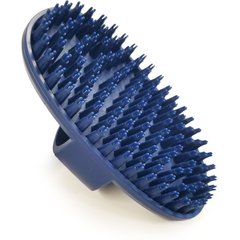
- Weekly brushing helps remove loose hair and keeps their coat shiny. Use a rubber curry brush like the Four Paws Magic Brush.
Recommended Product
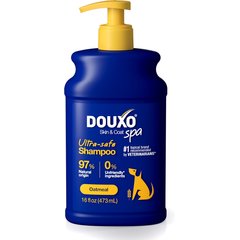
- Occasional baths may be needed, using a dog-safe shampoo such as Douxo Oatmeal Dog Shampoo.
Recommended Product
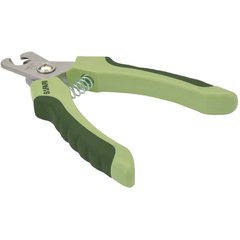
- Trim your dog’s nails monthly, or whenever you hear them clicking on the floor.
Recommended Product
- Brush your dog’s teeth daily with a dog-safe toothpaste and toothbrush to help prevent dental disease.
Recommended Products


Health
Both breeds are generally healthy, but they can be prone to certain genetic conditions.
American Staffordshire Terriers typically live 12–16 years and may be susceptible to:
- Allergies and secondary skin infections
- Elbow and hip dysplasia
- Mitral valve disease and other heart problems
- Hypothyroidism
- Eye problems including progressive retinal atrophy, which leads to blindness
The typical Staffordshire Bull Terrier lifespan is 12–15 years, and they may develop:
- Cataracts and other eye problems
- Elbow and hip dysplasia
- Patellar luxation
- Degenerative myelopathy
This is not a complete list of all the health problems that can affect these two breeds. To support your dog’s well-being, schedule regular veterinary checkups to catch health concerns early.
Staffordshire Bull Terrier vs. American Staffordshire Terrier: Which Is the Breed for You?
| Breed | Size | Lifespan | Exercise Needs | Grooming Needs | Health Considerations |
|---|---|---|---|---|---|
| Staffordshire Bull Terrier | 24–38 pounds | 12–14 years | At least one hour daily | Weekly brushing | Average |
| American Staffordshire Terrier | 40–70 pounds | 12–16 years | At least one hour daily | Weekly brushing | Higher than average |
Choosing between a Staffordshire Bull Terrier and an American Staffordshire Terrier often comes down to personal preference, as these breeds have more similarities than differences.
Both breeds can make wonderful companions when their needs for exercise, training, and attention are met. By understanding their differences, you can find the dog who feels like the perfect addition to your family.
Attributions
This article was created with the assistance of AI tools. The content has been reviewed for accuracy and edited by a veterinarian.