English Bulldog vs. American Bulldog: Which Pup Is for You?


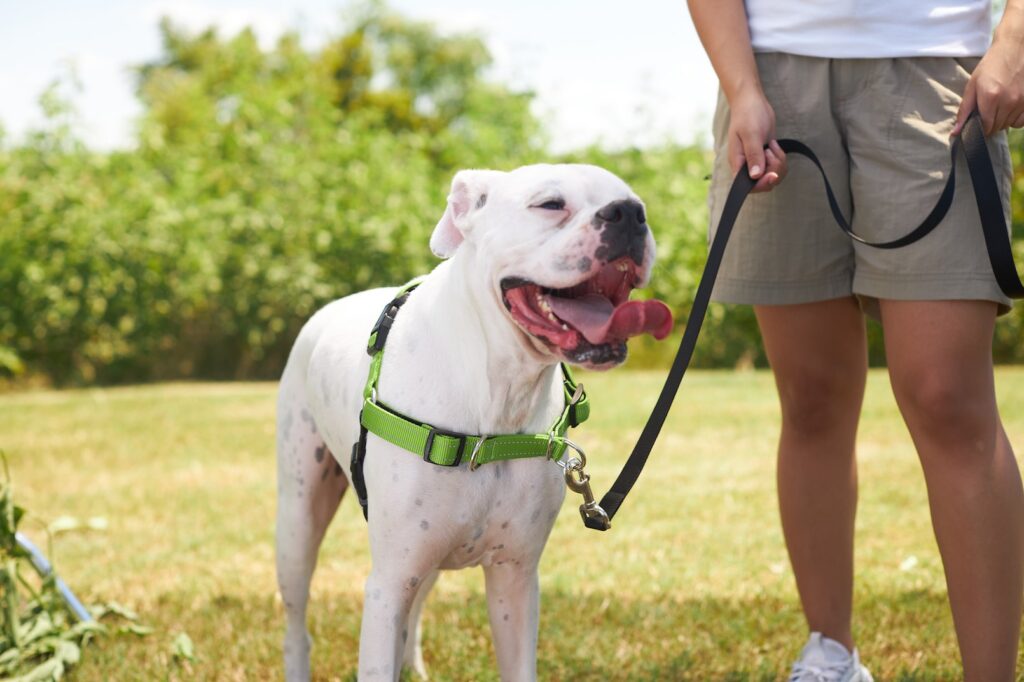
Photo by Chewy
While Bulldogs (commonly called English Bulldogs) and American Bulldogs have similar names, they are surprisingly different dogs. Understanding English Bulldogs vs. American Bulldogs can help you choose the best breed for your lifestyle.
Key Takeaways
- American Bulldogs are large, athletic dogs who require significantly more daily exercise than English Bulldogs.
- English Bulldogs are more laid-back companions who typically prefer shorter activity sessions and more downtime.
- Both breeds are affectionate and loyal with their families.
- Proactive veterinary care is especially important for managing breed-related health concerns.
History
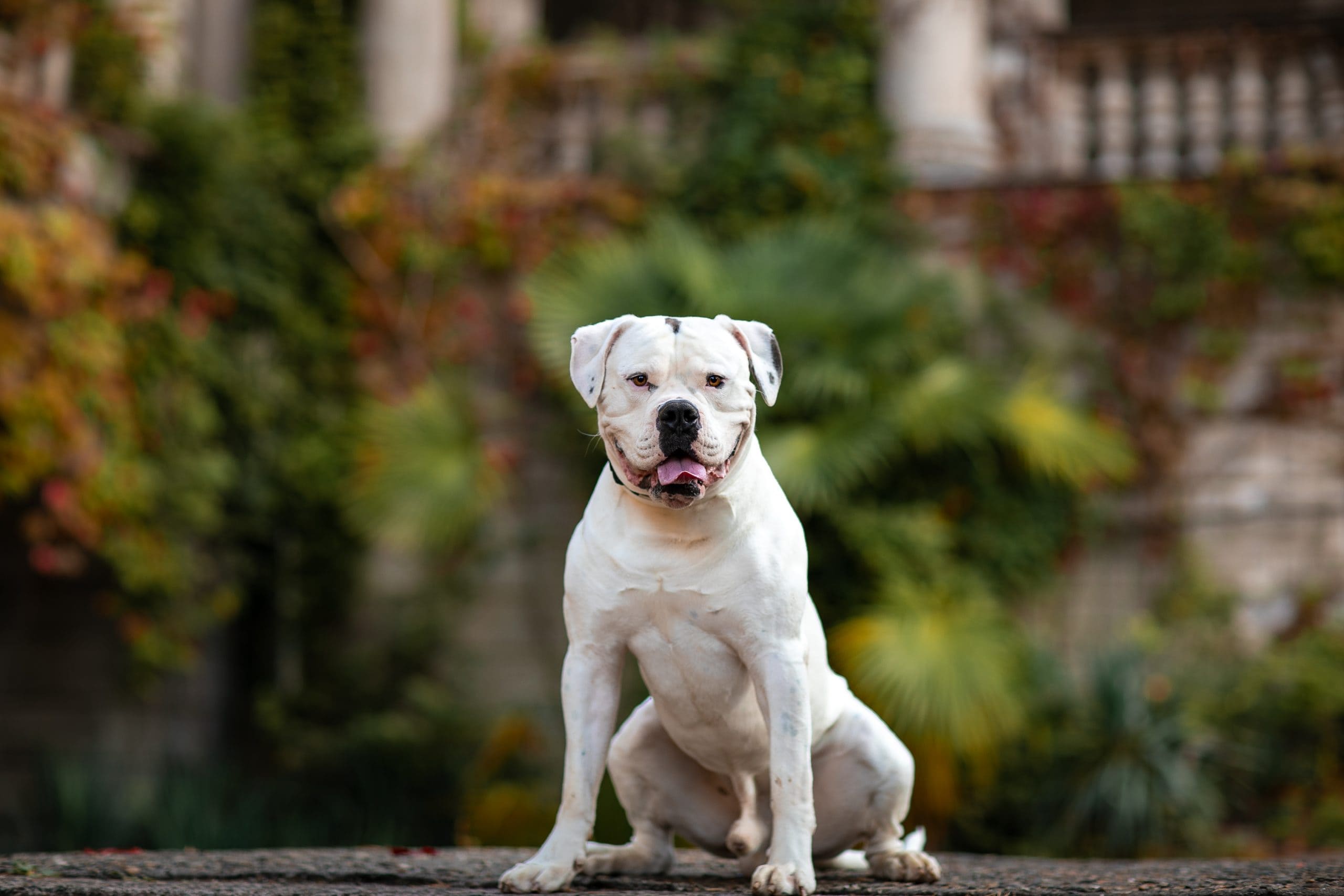
Photo by Yuliya Golland/iStock / Getty Images Plus via Getty Images
Although they share common ancestry, these two breeds developed to fulfill different purposes.
The first Bulldogs originated in England, where they were originally (and sadly!) used for bull baiting. After the practice was outlawed in the 1800s, breeders focused on turning the breed into a gentler companion dog. Over time, the breed became shorter, stockier, and more family-oriented.
The American Bulldog descended from Bulldogs brought to North America as early as the 1700s. Today’s American Bulldog traces back to lines preserved in the American South, particularly in Alabama and Georgia, where the dogs worked as farm guardians.
Because they remained working dogs for much longer than the English Bulldogs across the pond, American Bulldogs retained more of the athleticism and stamina of their ancestors.
Appearance
Several key features make Bulldogs and American Bulldogs easy to tell apart.
Size
The most noticeable difference is size:
- American Bulldogs are large, athletic dogs. Most stand about 20–25 inches tall and weigh 60–100 pounds or more.
- English Bulldogs are considerably shorter, typically standing just 14–15 inches tall, but their stocky body weighs 40–50 pounds.
Build
American Bulldogs have a leaner, more athletic physique. Their body is built for strength, agility, and endurance, and their legs are much longer than an English Bulldog’s.
English Bulldogs are compact and low to the ground. They have short legs, a broad chest, thick shoulders, and a distinctive lumbering gait.
Face
Both English Bulldogs and American Bulldogs are brachycephalic dogs, meaning they have a shorter-than-average muzzle. However, the English Bulldog has a much flatter face that is accentuated by wrinkles and folds. American Bulldogs, by contrast, have a longer muzzle and fewer facial wrinkles.
Coat and Color
Both breeds have a short, smooth coat that is relatively easy to maintain. American Bulldogs are typically white or mostly white with patches of brindle, brown, red, tan, or black, while English Bulldogs come in a wider variety of coat colors and patterns.
Tail
English Bulldogs have a short, stubby tail that is either straight or tightly screwed. American Bulldogs have a longer tail that tapers to the tip and is usually carried low.
Personality
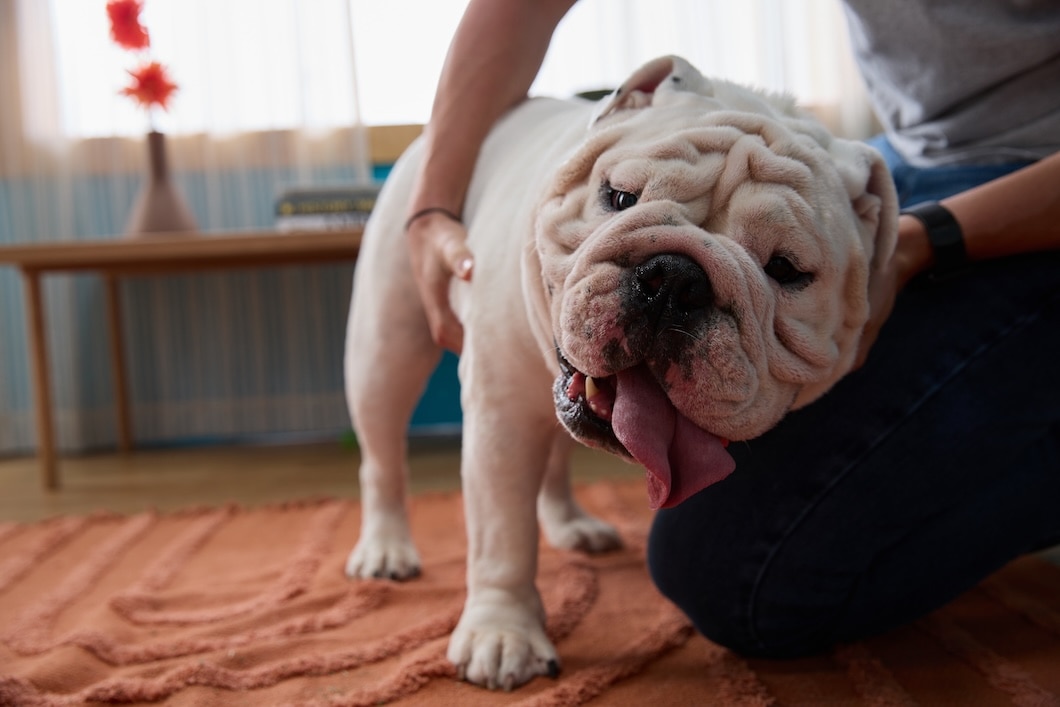
Photo by Chewy
American Bulldogs are confident, affectionate dogs who enjoy being involved in all your daily activities. Because they were bred as working dogs, American Bulldogs tend to be active, eager to learn, and happiest when they have a job to focus on.
English Bulldogs are known for their calm, easygoing nature. They are often happy to spend time relaxing near their favorite people and generally adapt well to a slower-paced household. Despite their laid-back reputation, they can also be playful and enjoy interactive games with family members.
Both breeds are devoted companions who form strong bonds with their family. They also benefit from consistent training that uses positive reinforcement and early socialization to new experiences.
Exercise Needs
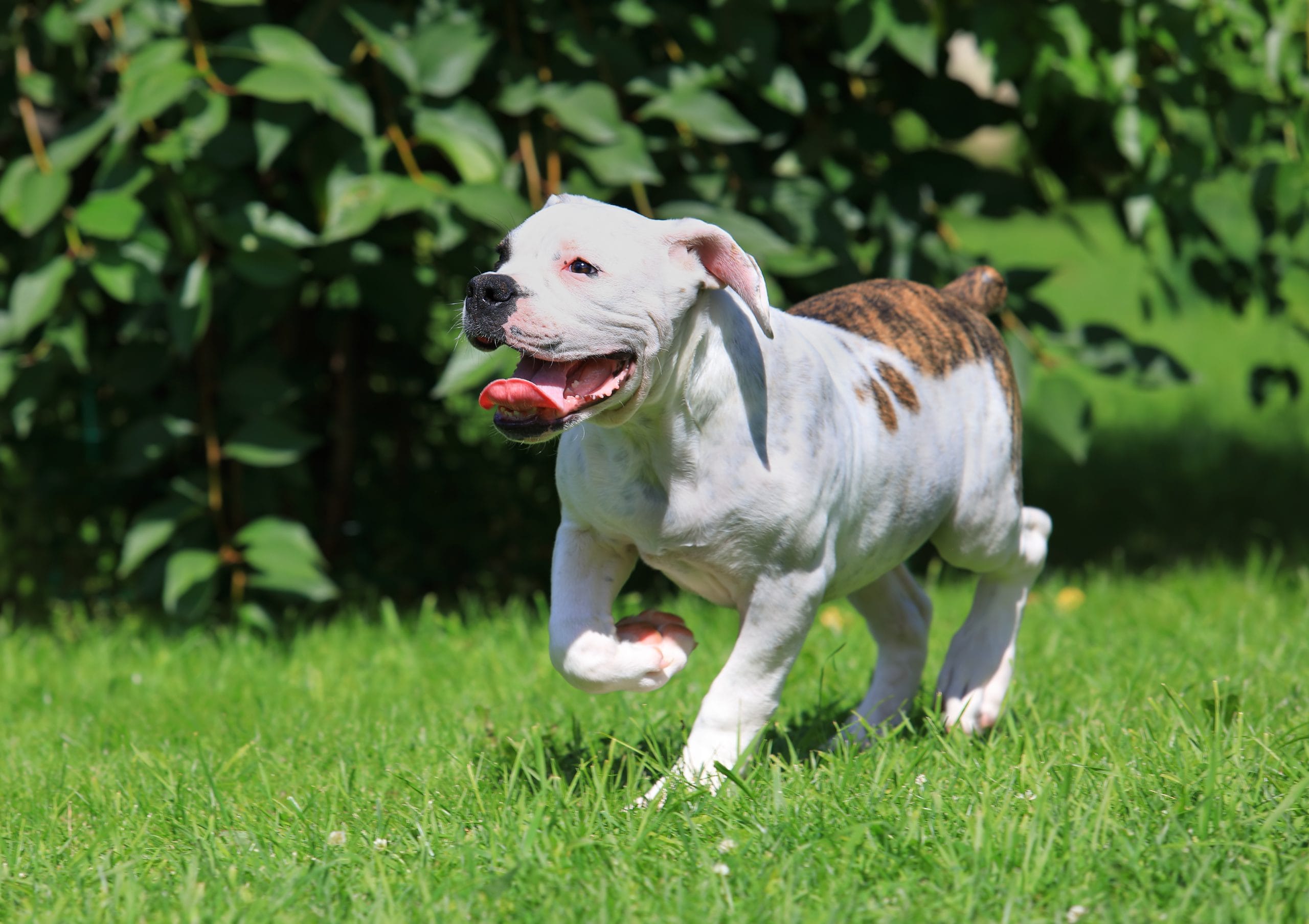
Photo by alkir/iStock / Getty Images Plus via Getty Images
American Bulldogs are four-legged athletes who need about 60–90 minutes of physical activity daily. Leisurely walks around the block won’t cut it—these pups love to get their heart pumping and paws moving with hikes, games of fetch, and dog sports like agility.
Recommended Products

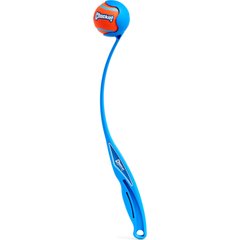
If an American Bulldog becomes bored, they may turn to undesirable behaviors, such as chewing furniture, to entertain themselves.
English Bulldogs, on the other hand, are not exactly known for their athleticism. Most do well with about 20–40 minutes of activity each day, split into shorter walks and play sessions. Because Bulldogs tend to be relatively low-energy, pet parents need to make sure their dog is getting enough exercise to stay healthy and help prevent obesity.
The Bulldog’s extremely flat face also means extra caution should be taken during exercise. Their anatomy makes them especially sensitive to hot weather and prone to overheating. To help keep them comfortable:
- Avoid walks during the hottest parts of the day. Instead, exercise them during cooler morning or evening hours.
- Clip their leash to a harness instead of a collar to help protect their airway.
Recommended Product
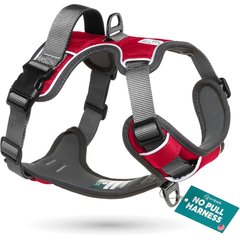
- Stay alert for signs of overheating and heatstroke.
- Always make sure they have access to water, shade, and air conditioning.
Recommended Product

Grooming
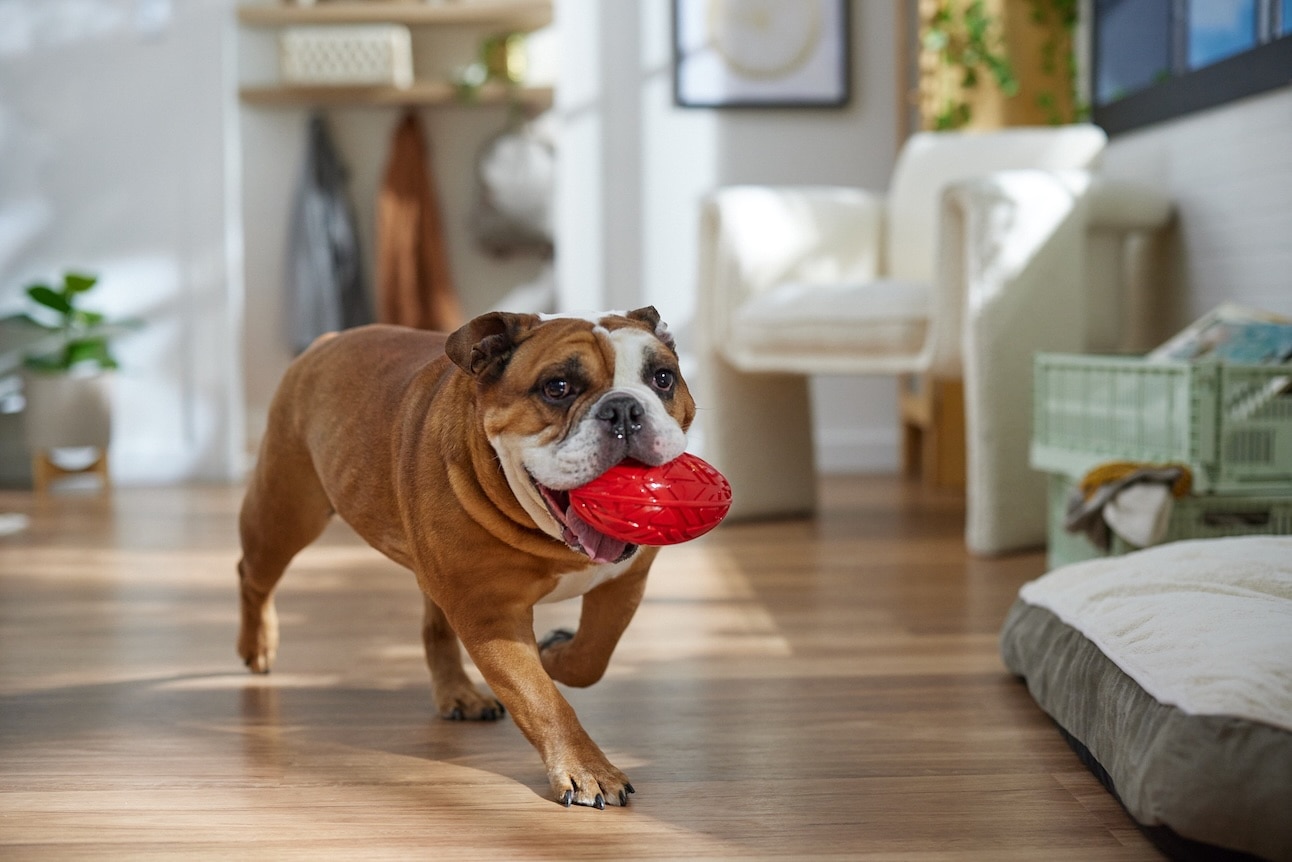
Photo by Chewy
American Bulldogs and English Bulldogs have a short, smooth coat that’s pretty easy to maintain. Both typically just need a weekly brushing with a slicker brush or bristle brush to manage moderate shedding.
Recommended Products


Both breeds, but especially the more wrinkly English Bulldog, may also need extra attention paid to their skin. Make sure skin folds are kept clean and dry by using a medicated wipe such as MalAcetic Wet Wipes. This can help prevent skin infections.
Recommended Product

Otherwise, both Bulldog breeds need:
- Occasional baths (about once a month or whenever they get especially dirty)
- Daily dental care to help prevent dental disease
- Nail trims every three to four weeks
Health
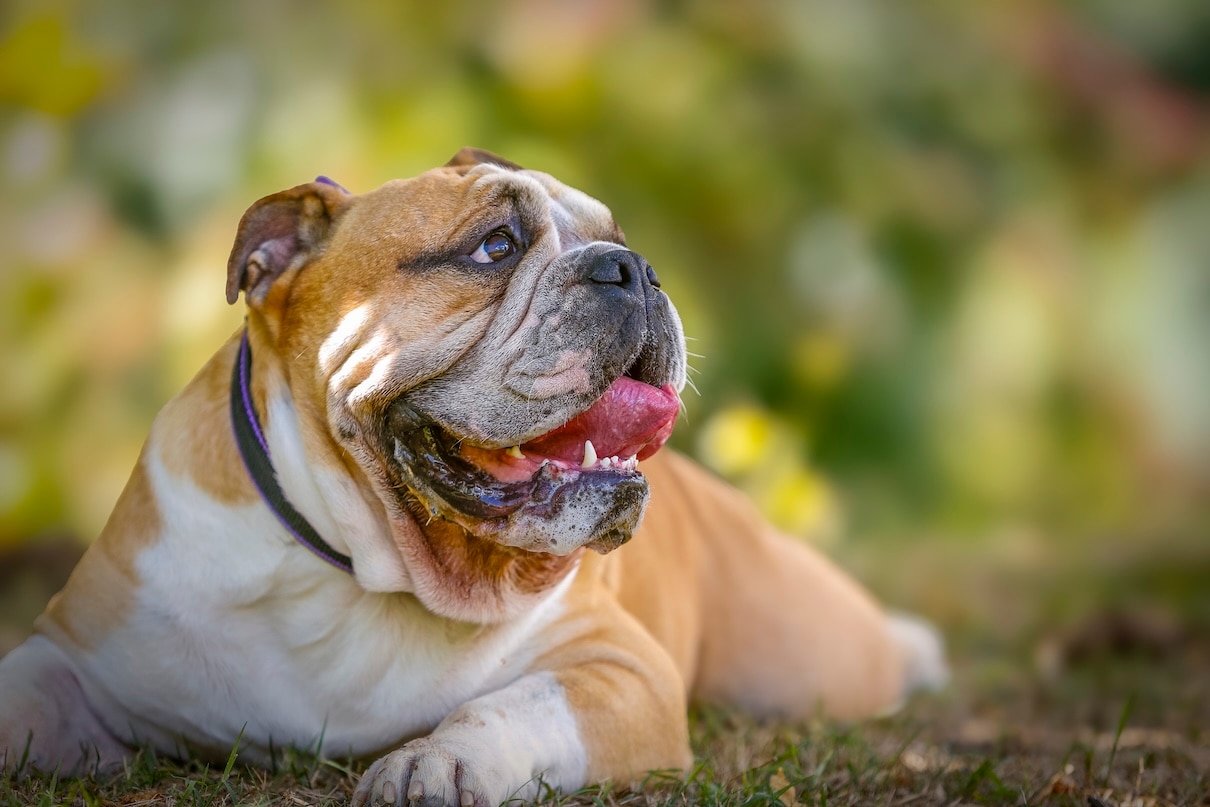
Photo by apomares/E+ via Getty Images
The average American Bulldog lifespan is 10–12 years. Some common health concerns include:
- Allergies
- Deafness
- Hip dysplasia
- Elbow dysplasia
- Cranial cruciate ligament tears
- Degenerative myelopathy
- Cherry eye
- Ichthyosis
- Canine neuronal ceroid lipofuscinosis
- Brachycephalic obstructive airway syndrome (BOAS)
English Bulldogs typically live 8–10 years and can experience:
- Brachycephalic obstructive airway syndrome (BOAS)
- Patellar luxation
- Eye problems like cherry eye and entropion
- Hip dysplasia
- Skin infections
- Pulmonic stenosis
- Hemivertebrae
Maintaining a healthy weight, providing appropriate exercise, keeping up with routine vet visits, and working with a reputable breeder who prioritizes health testing can help reduce certain health risks.
English Bulldog vs. American Bulldog: Which Is the Breed for You?
| Breed | Size | Lifespan | Exercise Needs | Grooming Needs | Health Considerations |
|---|---|---|---|---|---|
| American Bulldog | 60–100 pounds | 10–12 years | 60–90 minutes daily | Weekly brushing | Higher than average |
| English Bulldog | 40–50 pounds | 8–10 years | 20–40 minutes daily | Weekly brushing and wrinkle care | Much higher than average |
Choosing between an American Bulldog and an English Bulldog often comes down to your lifestyle.
The American Bulldog may be a better fit if you’re looking for an active companion to join you on outdoor adventures and keep up with an energetic household. They generally need more exercise, training, and enrichment to stay happy and fulfilled.
The English Bulldog may be a better choice if you prefer a laid-back companion who enjoys shorter walks and plenty of time relaxing with the family. Their easygoing nature makes them appealing to many pet parents, though it’s important to be prepared for the breed’s increased health-care needs.
No matter which breed you choose, both dogs can become loving, devoted family companions when given proper training, socialization, veterinary care, and plenty of affection.
Attributions
This article was created with assistance from AI tools. The content has been reviewed for accuracy and edited by a veterinarian.