6 Chinese Dog Breeds With Ancient Roots


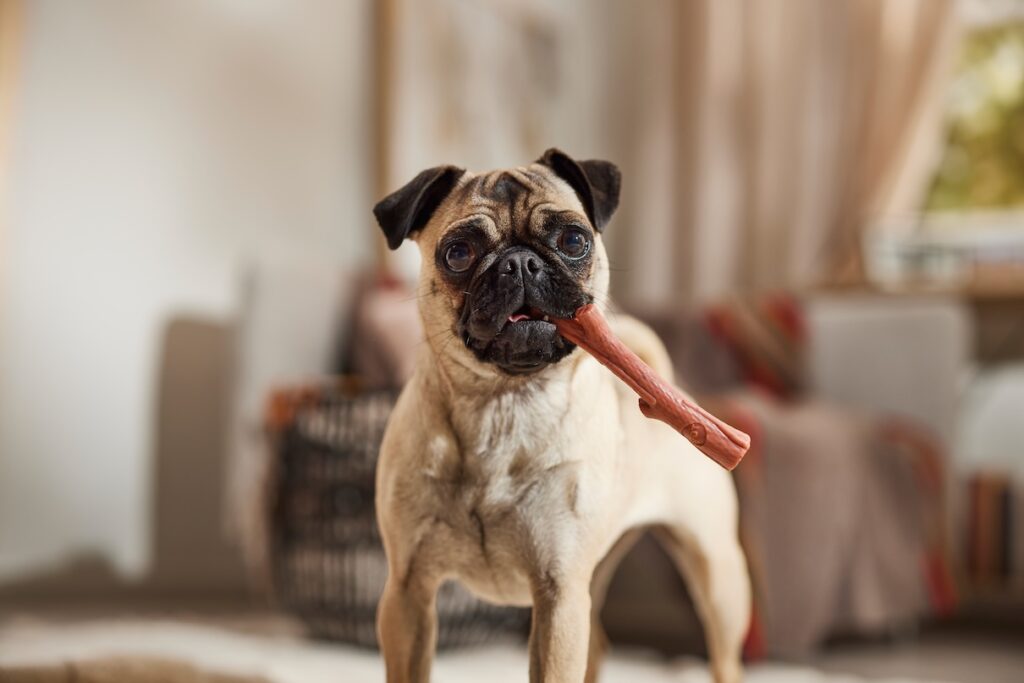
Photo by Chewy
From the wrinkly face and soulful eyes of the Shar-Pei to the silky elegance of the Shih Tzu, it’s easy to see why Chinese dog breeds have captivated people for centuries. The pups on this list have a rich, remarkably diverse heritage with histories that span centuries as royal companions, temple guardians, and loyal household pets.
With some of the most unique looks in the canine world, these charming Chinese dog breeds are destined to turn heads and steal hearts. Keep reading for a closer look at what makes each Chinese canine so special.
Key Takeaways
- Chinese dog breeds have ancient and diverse origins, serving roles from royal companions to temple guardians.
- Many Chinese dogs are prized for their distinctive appearance, like the Pug and Shar-Pei.
- Some breeds are social and family-friendly, while others are more reserved and independent
1. Pug
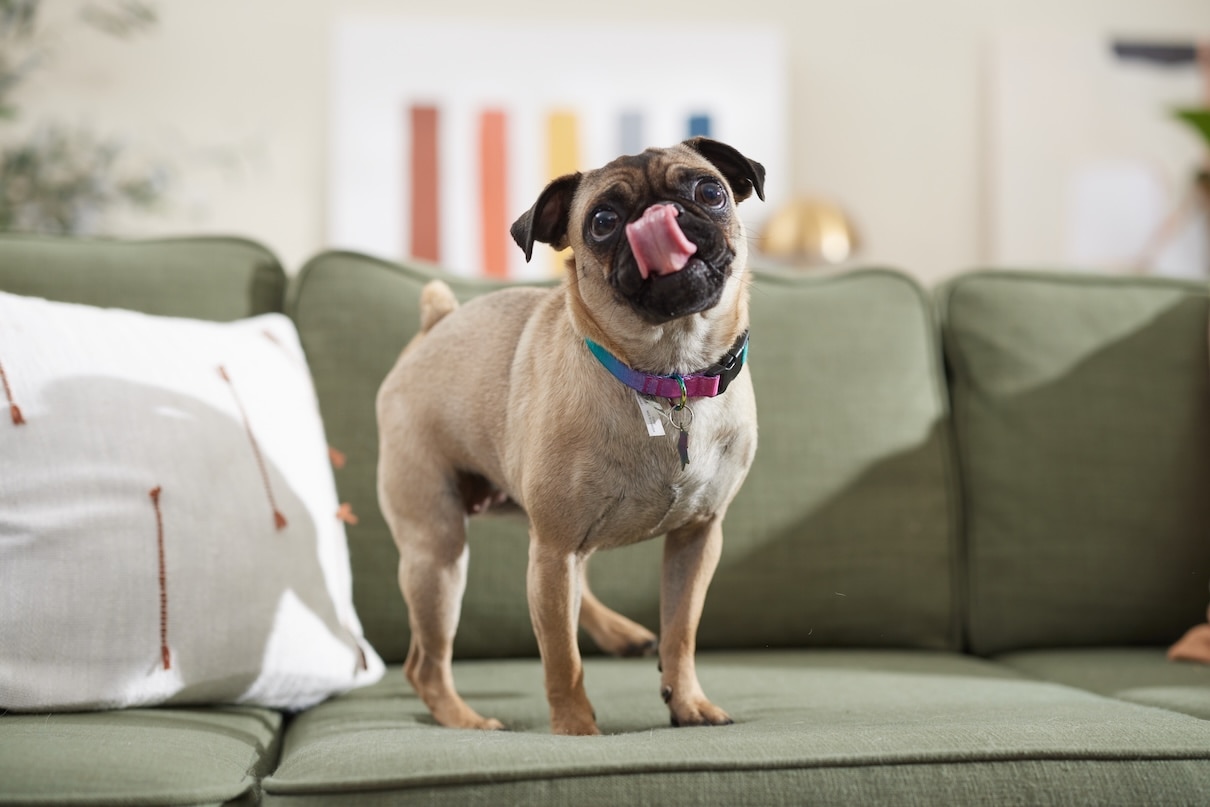
Photo by Chewy
- Size: Small
- Lifespan: 13–15 years
- Temperament: Playful, charming, mischievous, even-tempered
Though small in stature, Pugs have personalities that fill the room. Originally bred as companions for Chinese emperors, these short-snouted little friends were treated as prized possessions—and sometimes even guarded by soldiers.
Today’s Pug may be ruler of a different domain (the couch!), but those perpetually expressive round eyes and compact curly tail make them one of the most recognizable dogs on the planet.
Pugs are adaptable, affectionate, and genuinely funny—almost like they know they’re meant to entertain their pet parents. These pint-size playful friends don’t need a ton of space, and can do well in apartments and with families of all sizes.
As a brachycephalic breed (the technical term for flat-faced dogs), potential Pug parents should be aware of serious breathing issues that can be made worse during warm weather, strenuous exercise, and stressful conditions. Using a dog harness instead of clipping their leash to a collar can help them breathe easier on walks.
Recommended Product

2. Chinese Crested
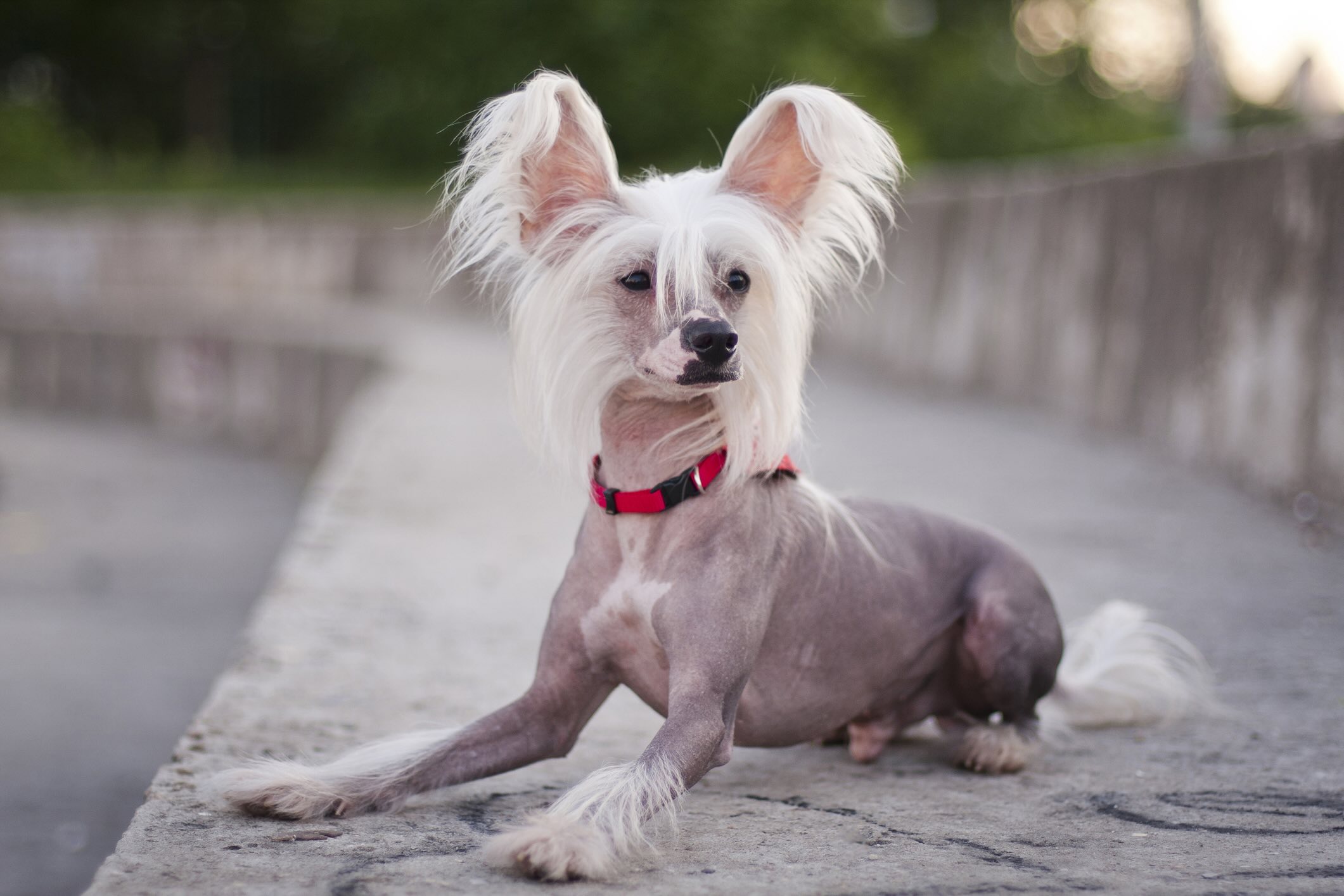
Photo by Ekaterina Gorokhova/iStock / Getty Images Plus via Getty Images
- Size: Extra small
- Lifespan: 13–18 years
- Temperament: Affectionate, alert, lively, loyal
Hard to miss and impossible to forget, the Chinese Crested is small in stature and big in spirit. These sensitive sidekicks come in two varieties: the hairless (with silky tufts of hair on the head, paws, and tail) and the powderpuff (covered head to toe in a flowing double coat).
It’s not 100% clear whether the breed originated in China or in Mexico, according to the breed club, but they were commonly found on Chinese merchant ships in the 18th century.
These are deeply devoted dogs who bond closely with their people and can be prone to separation anxiety if left alone for long periods. Although they’re not hypoallergenic (no dog breed is!), hairless Cresteds are a popular choice for allergy-prone households, and they require doggy sunscreen in warmer months.
Recommended Product
Lively and alert, these “Dr. Seuss dogs” crave attention. Because of their tiny size, they do best in homes with adults or older kids who understand how to play gently with this sensitive soul.
3. Shih Tzu
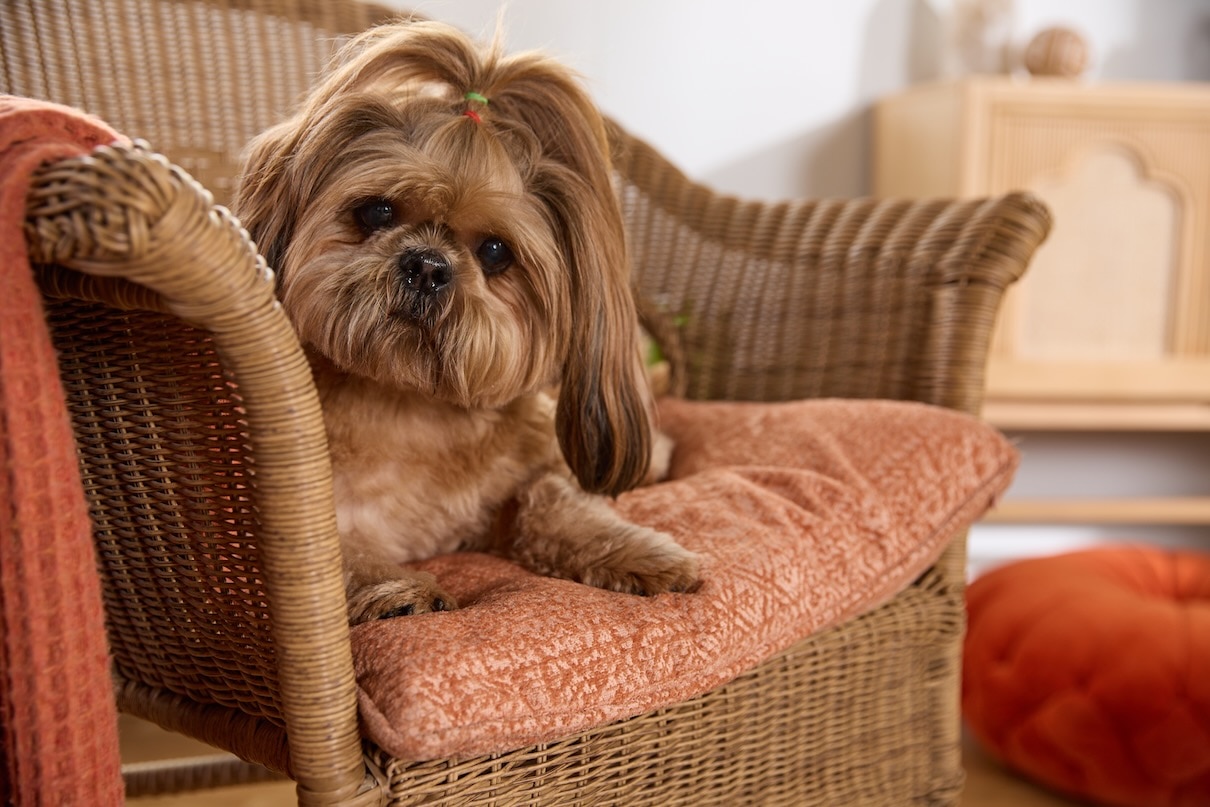
Photo by Chewy
- Size: Small
- Lifespan: 10–18 years
- Temperament: Outgoing, affectionate, playful, friendly to everyone
“Shih Tzu” translates to “lion dog” in Mandarin—and while these dogs are anything but ferocious, they do carry themselves with a certain regal confidence.
Bred for centuries as companions to Chinese royalty, the Shih Tzu is built for one purpose: being adored. Between their long, flowing coats and friendly nature, it’s no wonder the Shih Tzu is one of the most popular companion breeds in the United States, and make wonderful pets for families.
You’ll need a sturdy dog brush to keep tangles out of their long hair, or opt for a puppy cut at the groomer to make coat maintenance easier. But Shih Tzus will reward the extra grooming effort with near-unconditional affection.
Recommended Product

4. Chinese Shar-Pei
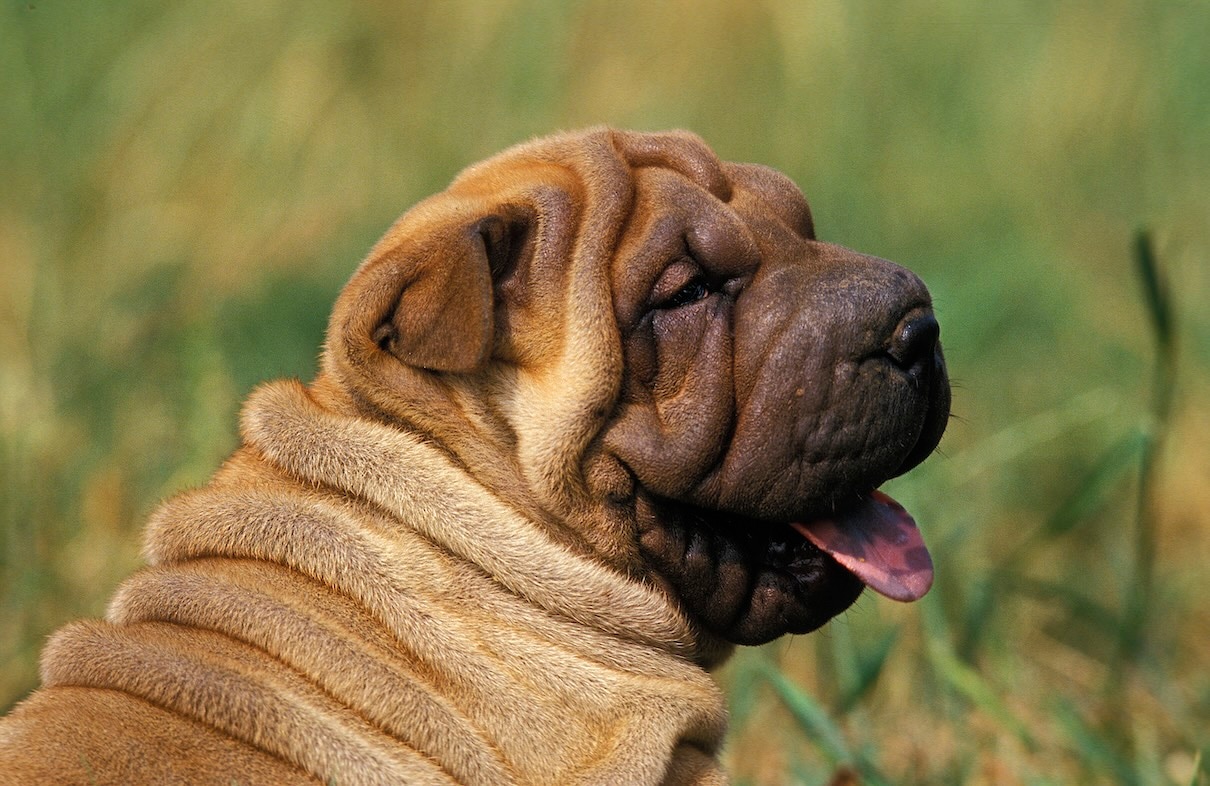
Photo by slowmotiongli/iStock / Getty Images Plus via Getty Images
- Size: Medium
- Lifespan: 8–12 years
- Temperament: Devoted, reserved, loyal to family
Few pups are as recognizable as the Chinese Shar-Pei: Those deep wrinkles and hippo-shaped muzzle are one of a kind. Long ago, the Shar-Pei was used in China for hunting, herding, and guarding—so it’s no wonder they’re known for their independent, loyal spirit.
Devoted to their families, the dignified Shar-Pei can be reserved with strangers. They will appreciate a calm home to call their own; a low-stress environment is key to keeping your Shar-Pei happy.
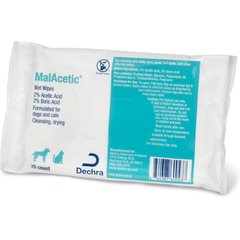
Their beloved wrinkles do require a little extra upkeep: The skin folds should be kept clean and dry to prevent irritation. Use a dog-safe medicated wipe, like MalAcetic Wet Wipes, to help their skin stay healthy.
Recommended Product
They are predisposed to a number of health issues, so regular vet appointments are a must. But for the right family, the Shar-Pei will be a devoted companion.
5. Pekingese
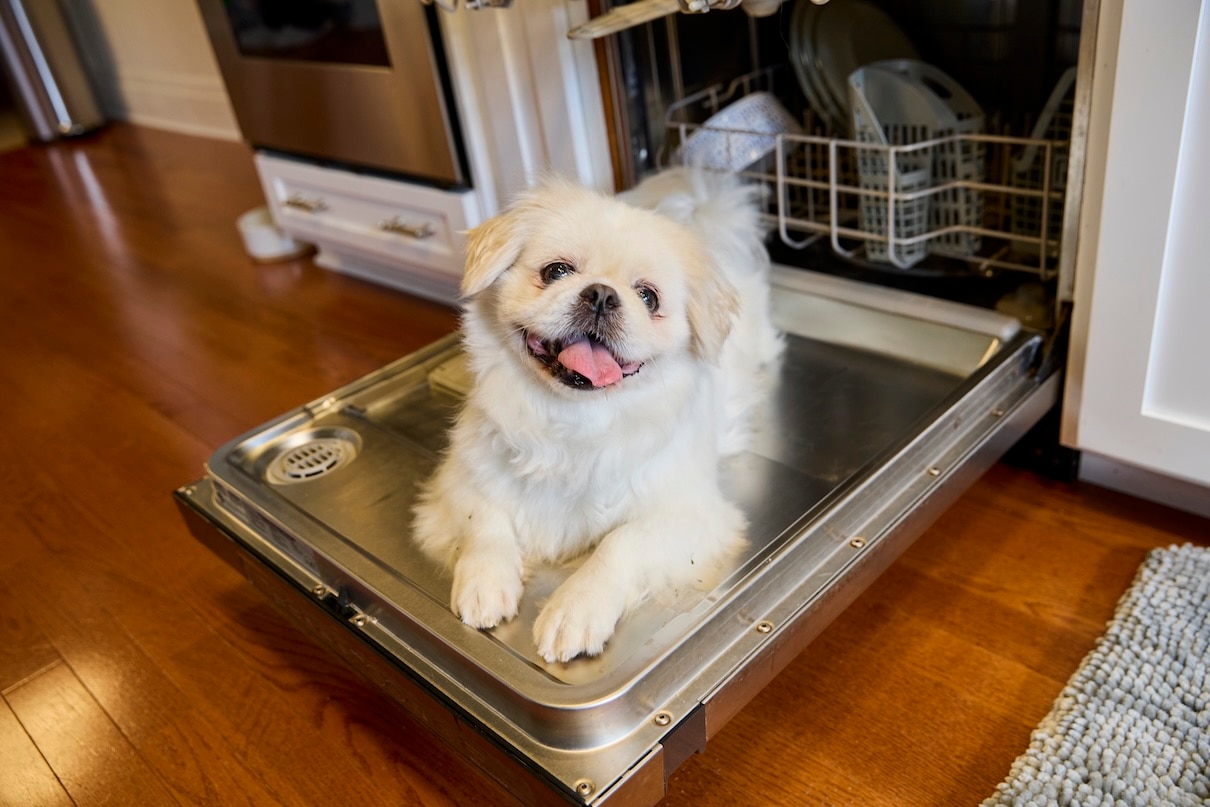
Photo by Chewy
- Size: Small
- Lifespan: 12–14 years
- Temperament: Affectionate, confident, loyal, opinionated
The Pekingese is another pooch on this list with a royal history stretching back over 2,000 years. That legendary floof has been stealing the show since their time in the imperial courts of ancient China. Legend has it they were created by the Buddha himself and are therefore considered sacred.
Despite their small size, their sense of self-importance hasn’t entirely faded: Pekingese are known to carry themselves with a distinctive swagger.
Deeply loyal to their people, Pekingese can be selective about who earns their affection. Early and ongoing socialization can help your Pekingese get used to being around other people and pets.
Just don’t skimp on grooming: That gorgeous, thick coat demands regular brushing. Like other flat-faced breeds, they’re sensitive to heat and are at higher than average risk for health problems—but are more than happy spending much of their day on the couch. One or two short walks a day during the cooler hours should meet their exercise needs.
6. Chow Chow
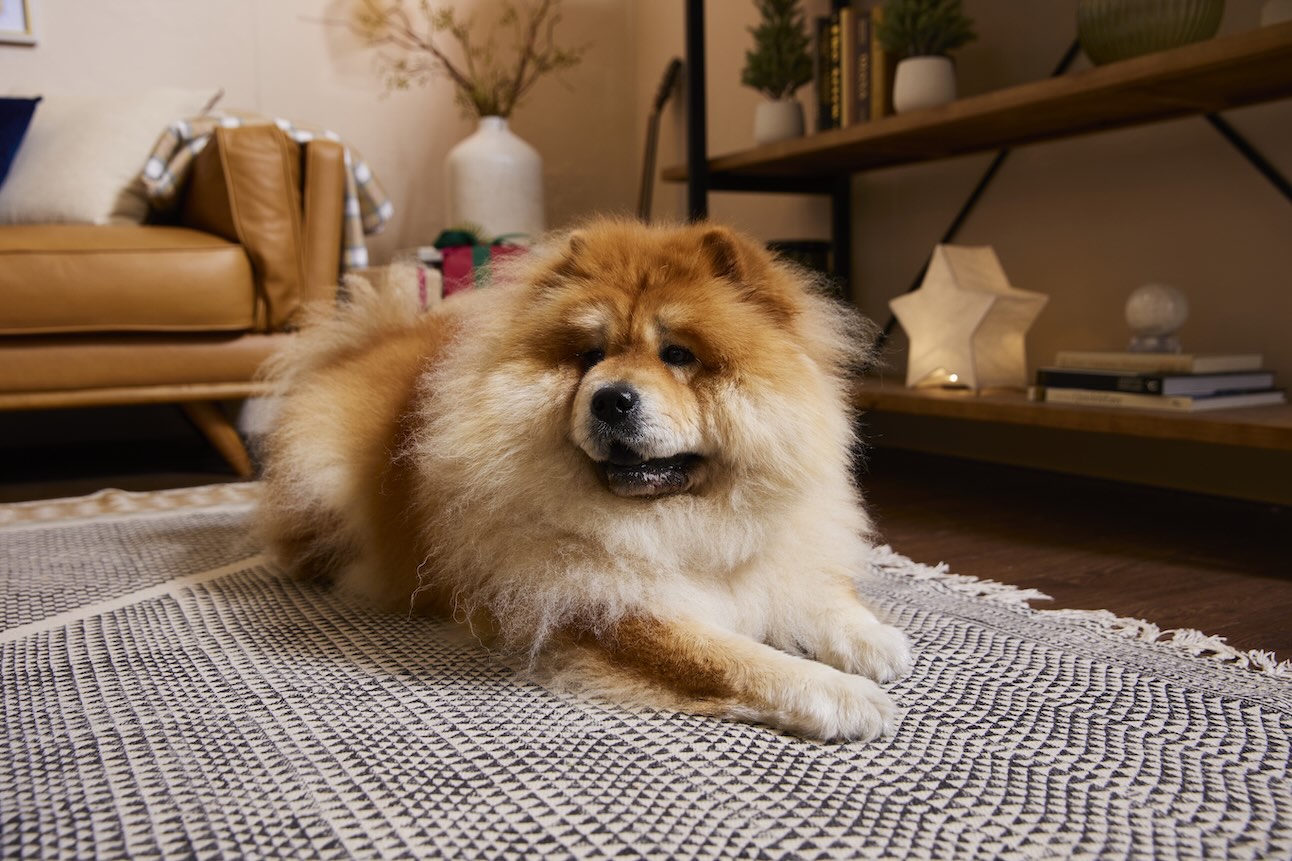
Photo by Chewy
- Size: Medium
- Lifespan: 8–12 years
- Temperament: Aloof, dignified, loyal, serious
With their lionlike mane, teddy bear face, and distinctive blue-black tongue, the Chow Chow is one of the most striking dogs in the world.
They’re also one of the oldest, with DNA analysis placing them among the most ancient dog breeds. Originally bred in China for hunting, pulling sleds, and guarding, Chow Chows are strong and independent, with a personality that can feel closer to a cat than most dogs.
Chow Chows tend to be loyal to one or two people and more aloof with everyone else. Though they’re not an eager-to-please, tail-wagging pooch, Chow Chows are deeply devoted in their own reserved way. Your Chow Chow will do best with early and ongoing socialization to help them get used to being around other people and pets.
Their dense coat means regular brushing with an array of brushes is necessary to prevent matting—especially during shedding season.
Recommended Products


FAQs About Chinese Dog Breeds
Which Chinese dog breed is the most popular?
The Shih Tzu consistently ranks among the most popular dog breeds in the U.S. They are affectionate and adaptable, and they can thrive in a range of living situations—even smaller city apartments or homes with kids.
Are Chinese dog breeds good for families?
Many of the dogs on this list—most notably the Pug and Shih Tzu—are known for being excellent family dogs. Others, like the Chow Chow, Chinese Crested, Shar-Pei, and Pekingese, tend to do best with adults or older children—and are happiest when they can benefit from early socialization with other dogs and people.
But every dog is an individual, and the temperament of each animal matters more than their breed.
Do Chinese dog breeds have health concerns to watch for?
Several Chinese dog breeds are brachycephalic (flat-faced), which means they’re prone to breathing issues, heat sensitivity, and other health problems. The Shar-Pei has unique skin fold care requirements and can be predisposed to certain inflammatory conditions like Shar-Pei fever.
Regular vet checkups are important for dogs of all breeds, and knowing about any breed-related health risks can help you stay ahead of potential issues.
Attributions