Doberman Pinscher vs. German Shepherd: Which Is Right for You?


Photo by JamesBrey/E+ via Getty Images
Choosing between a Doberman Pinscher and a German Shepherd? Both breeds are intelligent, loyal, and highly trainable dogs who love being part of the action.
But while they share some similarities, they have many differences, too. Below, we’ll compare Doberman Pinschers and German Shepherds side by side to help you decide which breed may be the best fit for your lifestyle.
Key Takeaways
- Doberman Pinschers have shorter coats and typically require less grooming than German Shepherds.
- German Shepherds shed more heavily, especially during twice-yearly shedding seasons.
- Both breeds are highly intelligent, and thrive with positive reinforcement training and daily mental enrichment.
- Both breeds do best with active pet parents who can provide consistent exercise, training, and companionship.
History
Photo by Chewy
Doberman Pinschers originated in Germany in the late 1800s. The breed was developed by Karl Friedrich Louis Dobermann, who sought a loyal, intelligent dog to accompany (and protect) him while making his rounds as a tax collector.
Over time, Doberman Pinschers earned a reputation as versatile working dogs who thrive when they have a job to do—whether that’s competing in agility, participating in scent work, or tackling advanced training challenges.
German Shepherds also originated in Germany and were initially bred as herding dogs. Their intelligence, adaptability, and work ethic later made them popular in many roles, including service work, search-and-rescue, and law enforcement.
Appearance
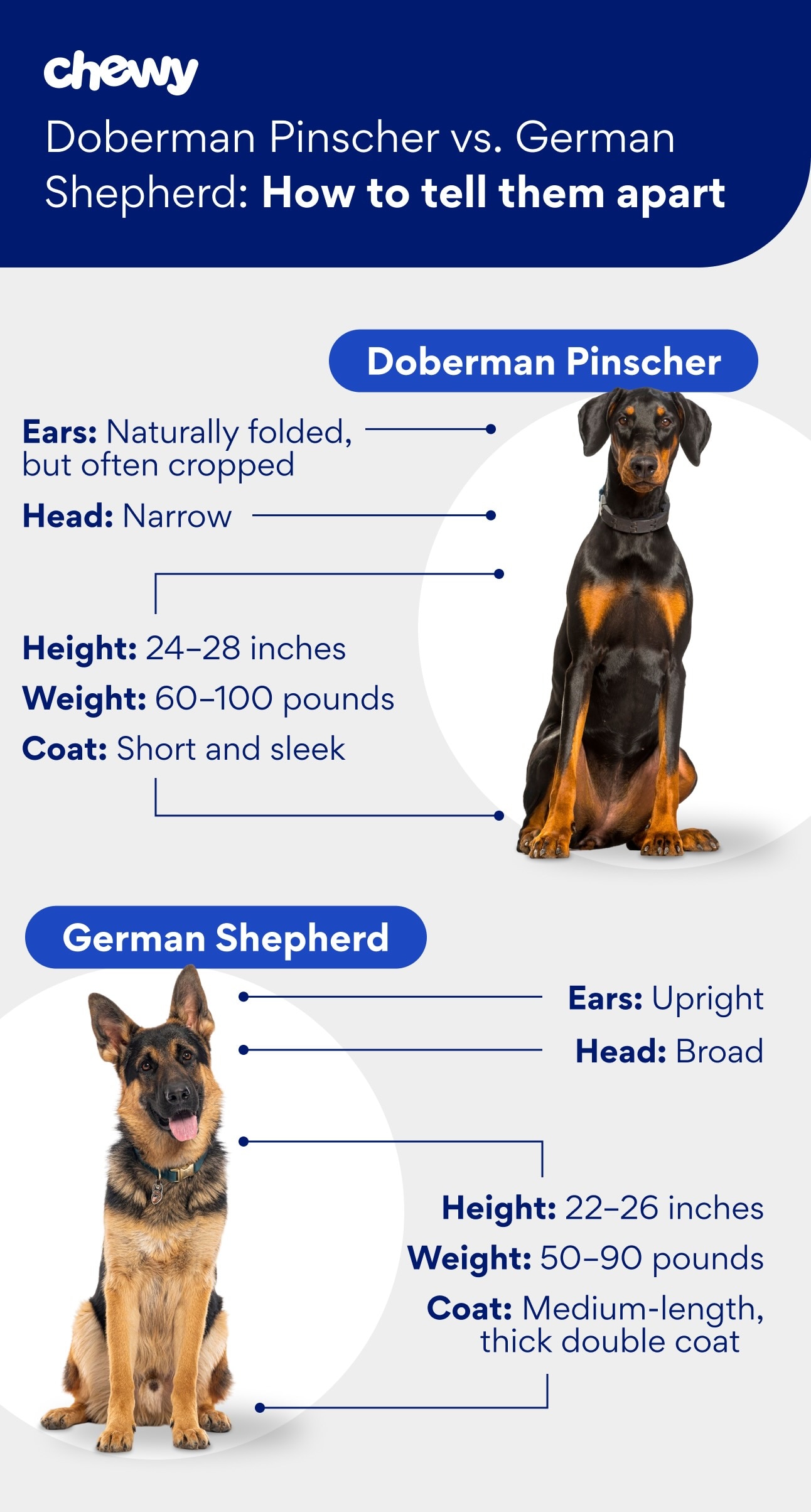
Photo by Chewy
At first glance, both breeds look athletic and ready for action. But when side by side, their differences are easy to spot.
Size and Build
Doberman Pinschers typically stand 24–28 inches tall and weigh 60–100 pounds. German Shepherds generally stand 22–26 inches tall and weigh 50–90 pounds.
Doberman Pinschers have a square, streamlined build, while German Shepherds have a longer body with a sloping back and heavier bone structure.
Coat
Doberman Pinschers have short, sleek coats that come in colors such as black, red, blue, and fawn with rust markings. German Shepherds have a thick double coat that is usually medium in length, and appears in black-and-tan, sable, black, white, and other colors and combinations.
Head and Ears
Doberman Pinschers have a long, narrow head, and refined facial features. Their ears are naturally folded over but are often (and controversially) cropped to stand upright. German Shepherds have a broader head, large upright ears, and a ruff around the neck.
Personality
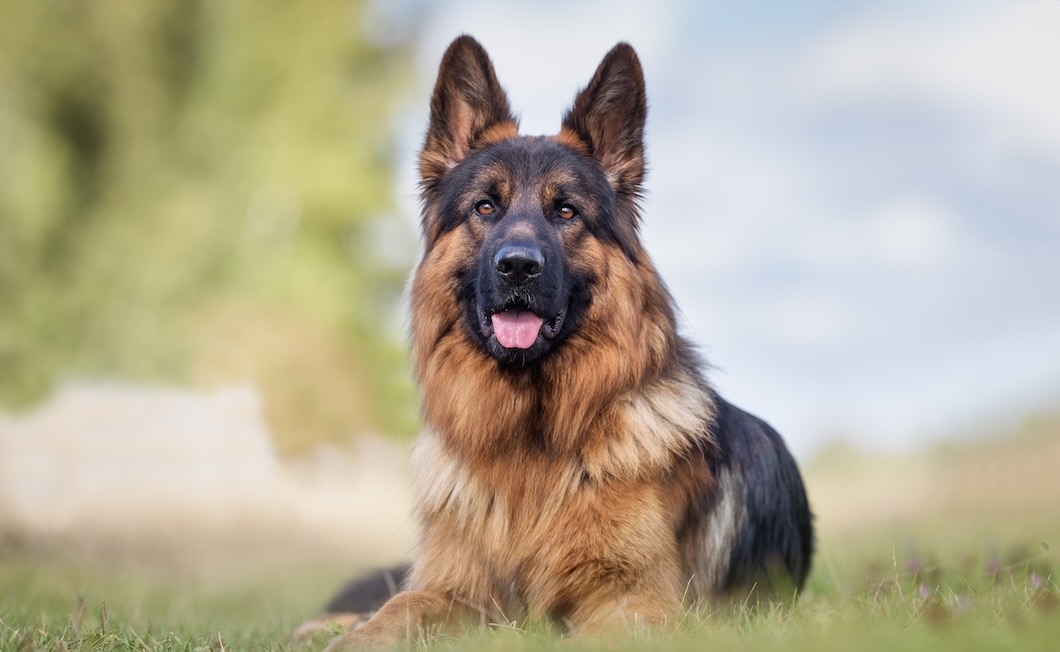
Photo by Bigandt_Photography/iStock via Getty Images Plus
Doberman Pinschers are often happiest when they’re involved in whatever their people are doing. They tend to form close bonds with their families and enjoy training activities that keep both their minds and bodies busy.
German Shepherds are highly intelligent and eager to learn. They often seem to light up when given a task, whether that’s advanced training, dog sports, scent work, or active play with their families.
Both breeds benefit from early socialization, positive reinforcement training, and regular interaction with people. But remember: Personality can vary from dog to dog depending on genetics, training, socialization, and environment.
Exercise Needs
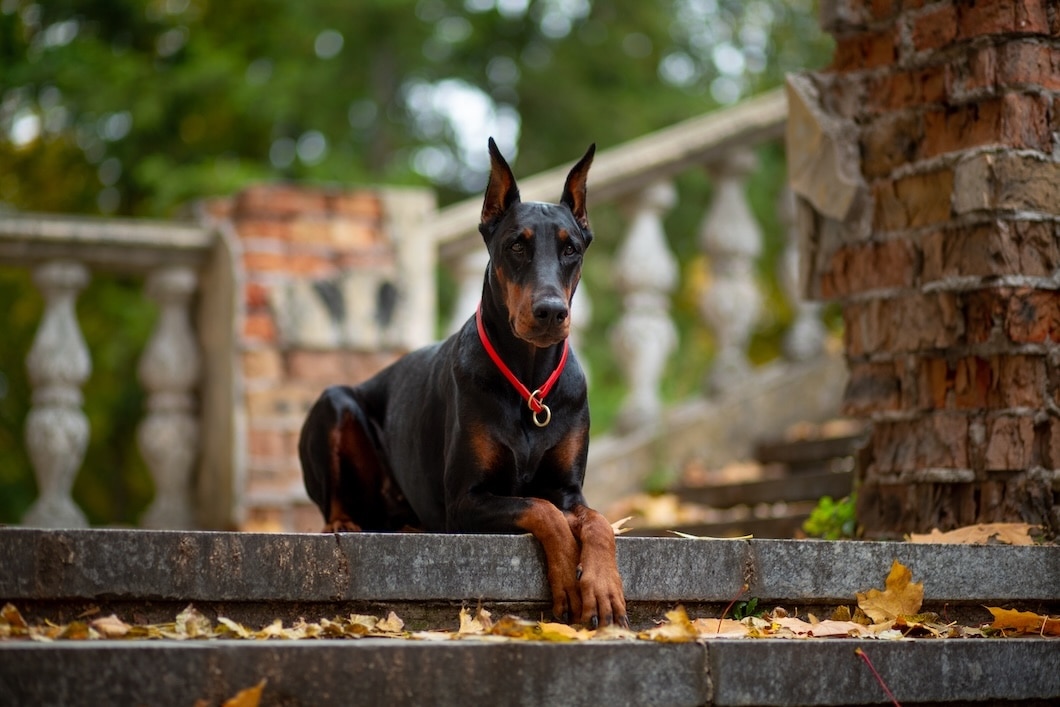
Photo by Svetlana Belkina/iStock via Getty Images Plus
If you’re looking for a couch potato, look elsewhere. Both Dobermans and German Shepherds are best suited to active pet parents who can provide daily opportunities for physical activity, training, and enrichment.
Both Doberman Pinschers and German Shepherds are high-energy breeds that typically need one to two hours of exercise and mental stimulation each day. They tend to thrive with a mix of physical activity and brain work, including:
- Brisk walks
- Running
- Hiking
- Obedience training
- Scent work
- Agility
For both breeds, exercise is about more than just burning off energy—a daily routine that includes mental enrichment can help prevent boredom and keep these intelligent dogs engaged and fulfilled.
Grooming
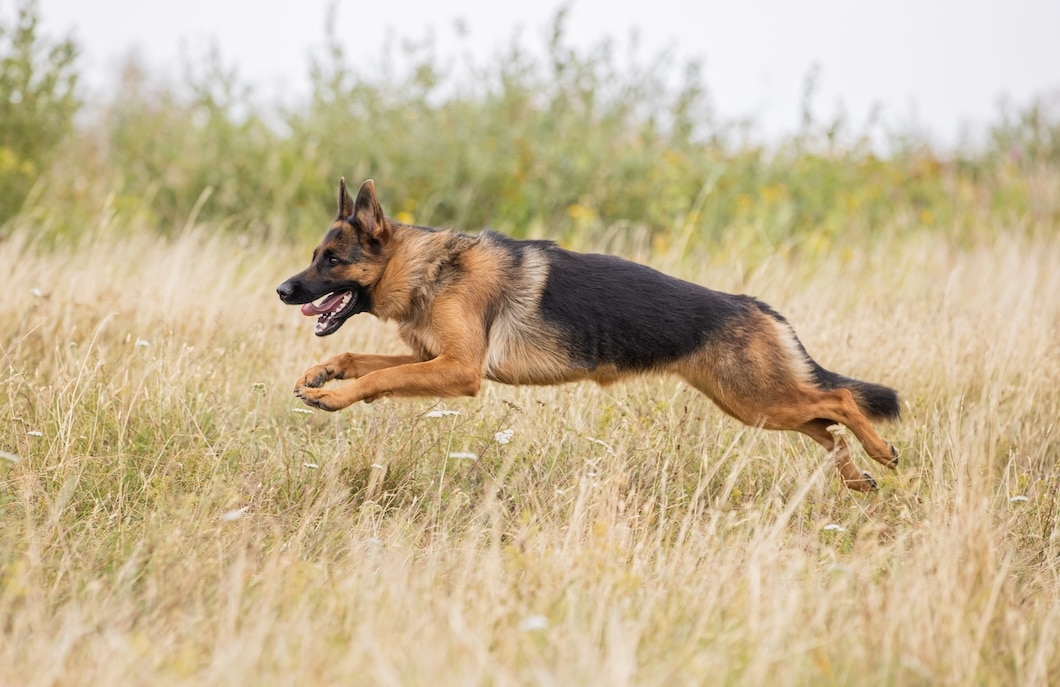
Photo by Bigandt_Photography/iStock via Getty Images Plus
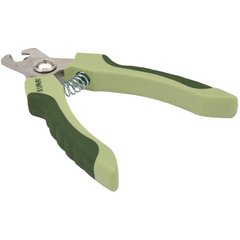
If you’re looking for a breed with a fairly simple grooming routine, the Doberman Pinscher has an advantage here: Weekly brushing and occasional baths are usually enough to keep their coat healthy and loose hair to a minimum. Regular nail trims, dental care, and ear cleaning are also important.
Recommended Products


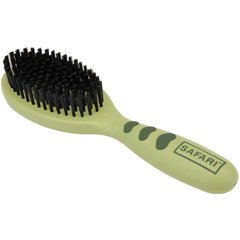
German Shepherds are known for shedding, so don’t be surprised if dog hair becomes a regular part of life with this breed. For most of the year, they need to be brushed once or twice a week and a pin brush works well.
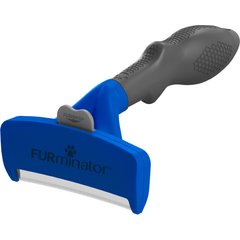
However, during their twice-yearly shedding seasons, a daily going over with a de–shedding tool is called for.
Their grooming routine should also include nail trims, ear care, and dental hygiene. Ask your vet if your dog could benefit from an annual professional teeth cleaning as well.
Recommended Products

No matter which breed you choose, regular grooming sessions can help you monitor your dog’s skin, coat, ears, and overall health.
Health
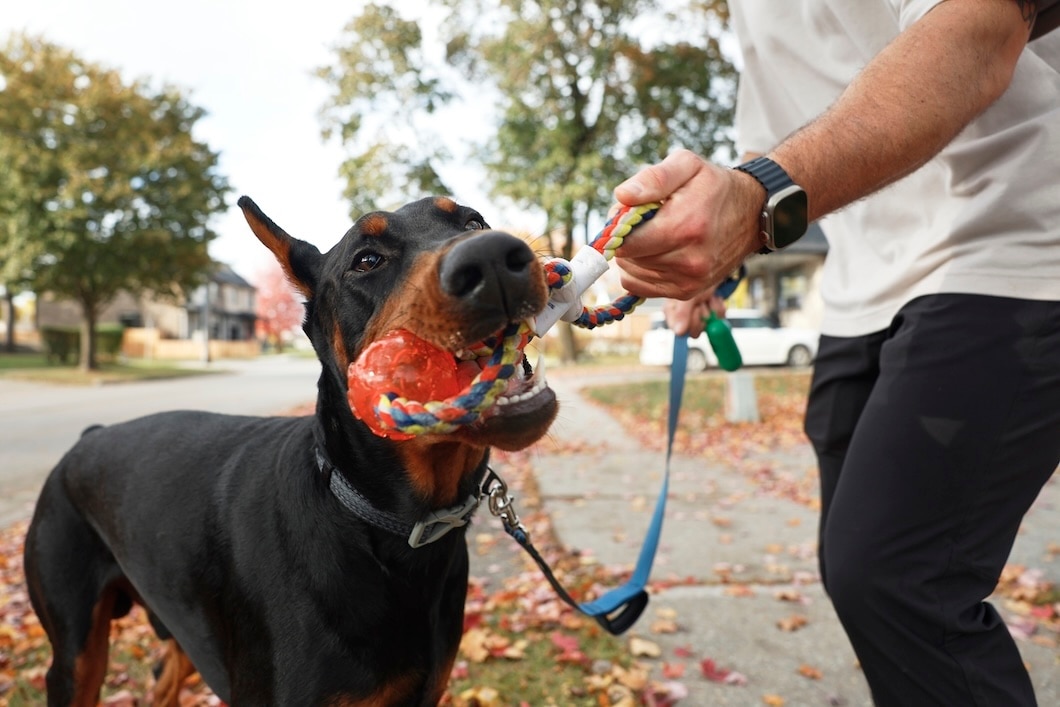
Photo by Chewy
Doberman Pinschers and German Shepherds are both large, active breeds that can be prone to certain inherited health conditions. Common concerns shared by both breeds include:
Because both breeds have deep chests, bloat and GDV are especially important for pet parents to understand. GDV is a life-threatening medical emergency that requires immediate veterinary care. Allergies may also occur in both breeds and can lead to itchy skin, recurrent ear infections, or skin irritation.
Doberman Pinschers may also be susceptible to:
- Dilated cardiomyopathy (DCM)
- von Willebrand disease
- Wobbler syndrome (cervical spondylomyelopathy)
- Hypothyroidism
- Chronic hepatitis
German Shepherds may also be prone to:
Regular veterinary checkups, responsible breeding practices, maintaining a healthy weight, and appropriate exercise can help support long-term health in both breeds. If you’re working with a breeder, ask about their breed-specific health testing and screenings.
Doberman Pinscher vs. German Shepherd: Which Is the Breed for You?
| Breed | Size | Lifespan | Exercise Needs | Grooming Needs | Health Considerations |
|---|---|---|---|---|---|
| Doberman Pinscher | 24–28 inches; 60–100 pounds | 10–12 years | High; 1–2 hours of daily physical and mental activity | Low | Above average |
| German Shepherd | 22–26 inches; 50–90 pounds | 7–10 years | High; 1–2 hours of daily physical and mental activity | Moderate to high | Above average |
Doberman Pinschers and German Shepherds have a lot in common when it comes to exercise needs and personality: Both tend to thrive with active pet parents who can provide daily physical activity, training, and plenty of mental enrichment.
But if low-maintenance grooming is a priority, a Doberman Pinscher is typically the better pick, thanks to their short coat. A German Shepherd may be a better fit for pet parents who don’t mind more frequent brushing and enjoy ongoing training and outdoor adventures
Both breeds can make devoted companions when their exercise, enrichment, training, and social needs are consistently met.
Attributions