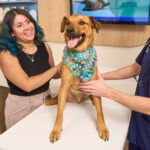
Hip Dysplasia in Dogs: Signs, Treatment, and Prevention



Photo by Khaligo/Adobe Stock
Hip dysplasia in dogs is a joint condition where the hip doesn’t form correctly, leading to pain, looseness in the joint, and eventually arthritis. It’s especially common in large breeds, but dogs of any size or age can be affected. Early signs like stiffness or slowing down can be easy to miss.
With the right care, many dogs with hip dysplasia can stay active and comfortable. Here’s what pet parents need to know about the symptoms, causes, and treatment options for hip dysplasia in dogs.
Key Takeaways
- Hip dysplasia is a common joint condition that develops due to a combination of genetics, growth, and environmental factors.
- Signs may include limping, stiffness, or decreased activity as the condition progresses.
- Hip dysplasia in dogs can be effectively managed with medications, physical therapy, and, in some cases, surgery.
- Supplements, weight management, and proper nutrition can help support joint health.
What Is Hip Dysplasia in Dogs?
Canine hip dysplasia is a condition in which the hip joint grows and develops abnormally. These abnormalities lead to looseness in the joint (medically known as hip joint laxity).
This is usually due to an improper fit between the femoral head (the ball-like top of the thigh bone) and hip socket (acetabulum), according to Stacie Atria, DVM, holistic veterinarian and founder of Lotus Veterinary Alternatives in Alachua, Florida.
Over time, this improper fit can stretch the ligaments, muscles, and joint capsule around the hip joint, leading to degeneration and cartilage damage.
Hip dysplasia can be extremely uncomfortable for your dog. And, if left untreated, it can progress to osteoarthritis (degenerative joint disease), which comes with its own set of symptoms and related issues.
Hip Dysplasia Signs and Symptoms in Dogs
Because it’s so uncomfortable, there are many clinical signs of hip dysplasia. Dogs often try to hide their distress, so you may not see all of these signs, even if the disease has progressed.
Some of the most common symptoms of hip dysplasia are:
- Decreased activity
- Bunny-hopping
- Limping or abnormal gait
- Loss of muscle mass
- Decreased range of motion
- Stiffness
- Pain
- Hind leg lameness (may be chronic or occasional)
- Joint cracking or popping
- Sitting in abnormal positions
- Having trouble jumping onto furniture or into cars
- Difficulty going up stairs
Signs of Hip Dysplasia in Puppies
While dogs of any age can show a number of these signs, the symptoms of hip dysplasia in puppies often differ a little from what you might see with older dogs.
Puppies with hip dysplasia may have a reluctance to play, a bunny-hopping gait, or difficulty rising, says Dr. Atria. Adult dogs might show decreased range of motion, limping, or a “swaying” walk.
When Will I See Signs of Hip Dysplasia in My Dog?
Many dogs start showing signs of hip dysplasia around 6 to 12 months of age, but don’t show pain until they’re older, according to Texas A&M Veterinary Medical Teaching Hospital.
Sometimes, the signs of hip dysplasia will start to improve after the puppy’s body creates scar tissue in an effort to compensate and support the loose hip joint. However, it’s still an abnormal joint, and the symptoms will return as the dog grows older and develops arthritis.
Stages of Canine Hip Dysplasia
Hip dysplasia in dogs progresses over time as the hip joint becomes looser and joint damage develops. Vets often describe the condition in four grades, ranging from mild joint looseness to severe arthritis and loss of mobility.
Grade I (Mild)
In this early stage, the hip joint is slightly loose but still functions relatively well. Most dogs show few or no obvious symptoms, though some may have mild stiffness after exercise or rest. You might notice subtle hesitation with jumping or running.
Grade II (Mild to Moderate)
Joint looseness becomes more noticeable and may start to cause mild inflammation. Dogs may show intermittent limping, stiffness, or decreased activity levels. You might notice your dog tiring more easily or being less eager to exercise.
Grade III (Moderate to Severe)
At this stage, the joint instability leads to more significant wear and early arthritis. Dogs often show consistent lameness, difficulty rising, and changes in gait, such as “bunny hopping.” Muscle loss in the hind legs may become more visible.
Grade IV (Severe)
This is the most advanced stage, with significant joint damage and arthritis. Dogs typically experience chronic pain, marked stiffness, and reduced mobility. Pet parents may notice reluctance to walk, difficulty climbing stairs, and a major decline in overall activity and quality of life.
What Causes Hip Dysplasia in Dogs?
Hip dysplasia doesn’t have one known cause. Instead, it usually develops due to a combination of factors, like genetic predisposition and diet—both overfeeding (rapid weight gain) and poor nutrition.
These are the most common risk factors for hip dysplasia in both dogs and puppies:
- Genetic predisposition: Hip dysplasia is often inherited, which means it’s passed down from dogs to their puppies. While it’s most common in large breed dogs, it can develop in dogs of any breed and size. See our list below of the dog breeds most likely to inherit hip dysplasia.
- Poor nutrition: Your dog’s diet offers important nutrients needed for growth and development. Poor nutrition, especially during the puppy stages, can contribute to improper skeletal development, which is linked to hip dysplasia.
- Overfeeding: Feeding your dog too much can lead to rapid growth and weight gain, which contributes to the development of hip dysplasia in dogs.
- Hormones: Hormonal changes during growth periods can affect the proper development of the hip joint, according to Sam Varon, DVM, owner and veterinarian of Broadway Veterinary Hospital in Sacramento, California. Studies show that large-breed dogs have an increased risk of developing joint disorders if they’re spayed or neutered too early. Veterinarians typically recommend waiting until large breed puppies are over 1 year old before spaying or neutering.
- Trauma: Injury to the hip joint can also contribute to the development of hip dysplasia.
Common Dog Breeds With Hip Dysplasia
Some larger dog breeds are more likely to inherit hip dysplasia, according to Dr. Varon. These include:
How Do Vets Diagnose Canine Hip Dysplasia?
Vets diagnose hip dysplasia using a physical exam and X-rays to evaluate how your dog’s hip joint fits and moves.
If your dog is showing signs of hip discomfort, your veterinarian will start with a hands-on exam and imaging to get a clear picture of what’s going on.
What to expect at the vet:
- Physical exam: Your vet will gently move your dog’s hips to check for pain, stiffness, or looseness in the joint.
- X-rays (radiographs): These images help evaluate the shape of the hip joint and how the femur fits into the socket.
- Specialized screening (PennHIP): This advanced test measures joint laxity (looseness) and can help assess hip health more precisely.
- Orthopedic tests: Your vet may perform specific maneuvers, like the Ortolani sign or Barlow test, to check hip stability.
If your dog is diagnosed with hip dysplasia, your vet will talk you through treatment options to help manage pain and improve mobility.
Keep in mind: Dogs are very good at hiding pain. Even if your pup seems “OK,” underlying discomfort can still affect their quality of life, so early diagnosis and treatment matter.
Dog Hip Dysplasia Treatment
For hip dysplasia in puppies, treatment may look different than in older dogs. Fortunately, there are several treatment options, and the right approach depends on the severity of the condition, your dog’s age, and their overall health.
In many cases, veterinarians begin with conservative (nonsurgical) management to help control pain and improve mobility. This often includes a combination of medications, supplements, and lifestyle adjustments. However, in some puppies, surgery may be recommended early to help support more normal hip development and reduce long-term discomfort.
Medications for Hip Dysplasia in Dogs
Medications are commonly used to reduce pain and inflammation associated with hip dysplasia.
Nonsteroidal anti-inflammatory drugs (NSAIDs) are the most frequently prescribed option. These medications help decrease inflammation in the joint, making movement more comfortable for your dog.
Your veterinarian will determine the safest and most effective medication based on your dog’s specific needs.
Joint Supplements and Supporting Therapies
In addition to medications, joint supplements and supportive therapies can play an important role in managing hip dysplasia in dogs. These approaches are typically used alongside veterinary care to help support joint function, improve mobility, and maintain your dog’s overall comfort over time.
Supplements for Joint Health Support
Joint supplements may help support cartilage health and overall joint function, especially when used alongside other treatments.
According to Dr. Varon, commonly recommended supplements include:
- Omega-3 fatty acids (fish oil supplements)
- Glucosamine
- Chondroitin
A good example of a popular, vet-recommended supplement that supports joint health is Cosequin. It contains glucosamine hydrochloride (FCHG49) and sodium chondroitin sulfate (TRH122). Cosequin Senior soft chews also contain omega-3 fatty acids to support your dog’s skin and coat health, and beta-glucan for immune support.
Recommended Products
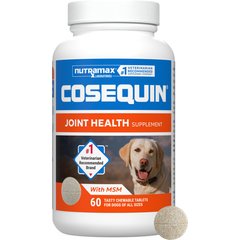
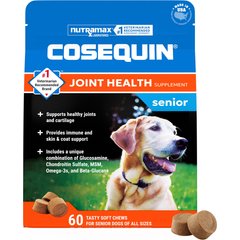
While supplements are not a cure for hip dysplasia, they may help support joint health and improve comfort over time.
Physical and Alternative Therapies
Physiotherapy, such as hydrotherapy and gentle swimming, can also be beneficial, says Dr. Atria. These therapies help strengthen muscles, improve joint mobility, and reduce stress on the hips.
Other physical therapy approaches—such as controlled exercise programs, range-of-motion exercises, and laser therapy—may also be recommended by your vet. These therapies can help maintain muscle mass, support joint function, and improve overall mobility as part of a long-term management plan.
Dog Hip Dysplasia Surgery
If other treatment options don’t work, your dog is of the appropriate age and weight, or your dog has a severe case—involving osteoarthritis or a dog hip displacement (a dislocated joint)—there are some surgical options. The right one depends on your dog’s age and/or the severity of the condition, according to Dr. Varon.
- Juvenile pubic symphysiodesis (JPS): This is a minimally invasive surgery performed in very young puppies (those less than 18 weeks old) to alter the growth of the pelvis. It involves disrupting the pelvis’ growth plate, which rotates the hip socket and forces a better fit with the ball of the femur.
- Double or triple pelvic osteotomy (DPO/TPO): This surgery is best for young dogs without arthritis to improve hip joint mobility. It involves making two or three cuts in certain areas of the pelvic bone to improve the hip joint structure, stability, and function.
- Total hip replacement: Total hip replacements are the most extensive treatment option, but they’re also the most successful, according to Dr. Atria. They also come with the most risk. In a total hip replacement, a surgical vet will completely remove and replace the ball and socket of the joint with artificial replicas.
- Femoral head ostectomy (FHO): This can be done at any age and involves removing the head and neck of the femur to eliminate bone-on-bone contact. No artificial replacements are added; instead, scar tissue is allowed to develop to form a false joint that cushions the area. While this procedure reduces pain and discomfort, it can leave your dog with an abnormal gait.
Talk to your veterinarian about all surgical options and make sure you’re comfortable with the pros and cons. Dogs who receive surgery for their hip dysplasia should not exercise for six to eight weeks to allow proper healing.
Recovery and At-Home Care
Once your dog has gotten the proper treatment, continue to follow your vet’s instructions to prevent complications and keep your dog as comfortable as possible. This may mean:
- Following a specific diet for weight loss or joint support
- Getting controlled, low impact exercise
- Physical therapy or mobility exercises
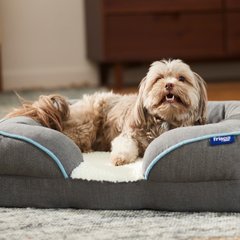
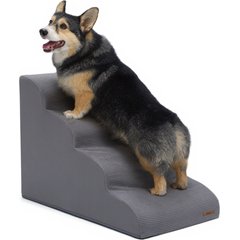
- A comfortable, orthopedic bed
Recommended Product
- Warm (but not hot!) heating pads to help with pain relief
Recommended Product

Recommended Products

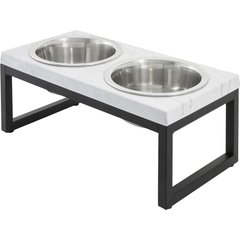
- Elevated food and water bowls to make them a more comfortable height
Recommended Product
How Do I Prevent My Dog From Getting Hip Dysplasia?
Because of its genetic component, you may not be able to completely prevent hip dysplasia, but there are things you can do to help lower the risk.
Nutrition and Weight Management
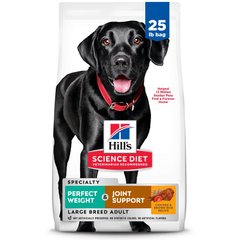
Proper nutrition is one of the most important preventive measures. Because poor nutrition and overfeeding can both contribute to hip dysplasia, you want to make sure you’re giving your dog food that’s appropriate for their age, size, breed, and needs. Maintaining a healthy weight throughout their life is a critical factor in preventing hip dysplasia.
Recommended Product
Joint Health Supplements
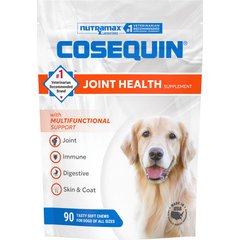
Joint health supplements can support healthy mobility while your dog is being treated for hip dysplasia, but they can also be given earlier in life before pain sets in. Cosequin with Multifunctional Support, for example, can be introduced as a puppy and sustained through a dog’s senior years.
Recommended Product
Always speak with your veterinarian before giving your puppy any supplements; they can help you pick the right ones for your dog’s needs and avoid any that might cause harm. For example, excess dietary calcium and vitamin D can contribute to hip dysplasia in genetically predisposed dogs and should be avoided.
Spaying and Neutering
Speak to your veterinarian about the best age to spay or neuter your puppy based on their breed, lifestyle, and family history.
The timing of this procedure can influence how your dog’s bones and joints develop, particularly in large and giant breeds. Delaying spaying or neutering in some dogs may allow for more complete skeletal growth, which could help support healthier joint development.
Avoid Unethical Breeders
If you plan to get your dog from a breeder, choose an ethical, reputable one who does genetic testing, especially for large and giant breeds.
Responsible breeders screen for hip dysplasia and other inherited conditions to reduce the likelihood of passing these issues to puppies. They should be able to provide health clearances from organizations like the Orthopedic Foundation for Animals (OFA) or PennHIP.
FAQs About Dogs and Hip Dysplasia
How long can a dog survive with hip dysplasia?
Dogs with hip dysplasia can live normal lifespans for their size and breed if they receive proper treatment that reduces symptoms and prevents progression of disease. If your dog’s quality of life declines despite these efforts, your veterinarian can help you assess their comfort and guide you through compassionate end-of-life decisions.
Is it OK to walk a dog with hip dysplasia?
Yes, it’s OK to walk a dog with hip dysplasia, and you should. Walking can help your dog maintain muscle mass and tone. Stick to softer surfaces, like grass instead of pavement, and keep each walk to about 10 minutes max.
What are the best exercises for a dog with hip dysplasia?
Low-impact activities, like swimming, that put less stress on the joints are ideal, according to Dr. Atria. She also recommends short, controlled walks on soft surfaces. Avoid jumping and high-intensity workouts.
Can dog hip dysplasia be fixed?
Dog hip dysplasia can’t always be fully fixed, but it can often be managed or improved with treatment. In some cases, surgery can significantly reduce pain and restore mobility.
Attributions
Expert insight provided by Stacie Atria, DVM, holistic veterinarian and founder of Lotus Veterinary Alternatives in Alachua, Florida; and Sam Varon, DVM, owner and veterinarian of Broadway Veterinary Hospital in Sacramento, California.