French Bulldog vs. English Bulldog: What’s the Difference?


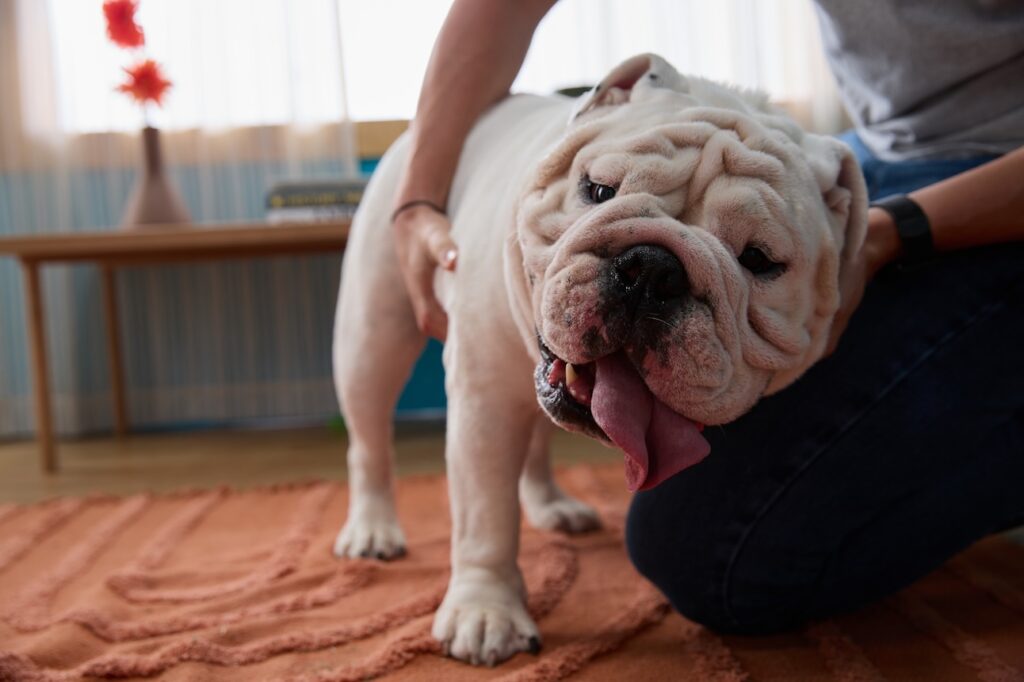
Photo by Chewy
French Bulldogs and Bulldogs (often called English Bulldogs) are two of the most popular—and most recognizable—dog breeds. While they share a common ancestry and have similar care needs, these two Bulldog breeds can be surprisingly different when compared side by side.
If you’re deciding between a French Bulldog vs. an English Bulldog, understanding what sets them apart—and what they have in common—can help you choose the dog who best fits your home and lifestyle.
Key Takeaways
- French and English Bulldogs share similar ancestors but were developed into different breeds.
- Frenchies are smaller, a bit more playful, and have larger ears that stand straight up.
- English Bulldogs are bigger, calmer, and have smaller, folded ears.
- Both breeds have similar exercise requirements, grooming needs, and health considerations.
History
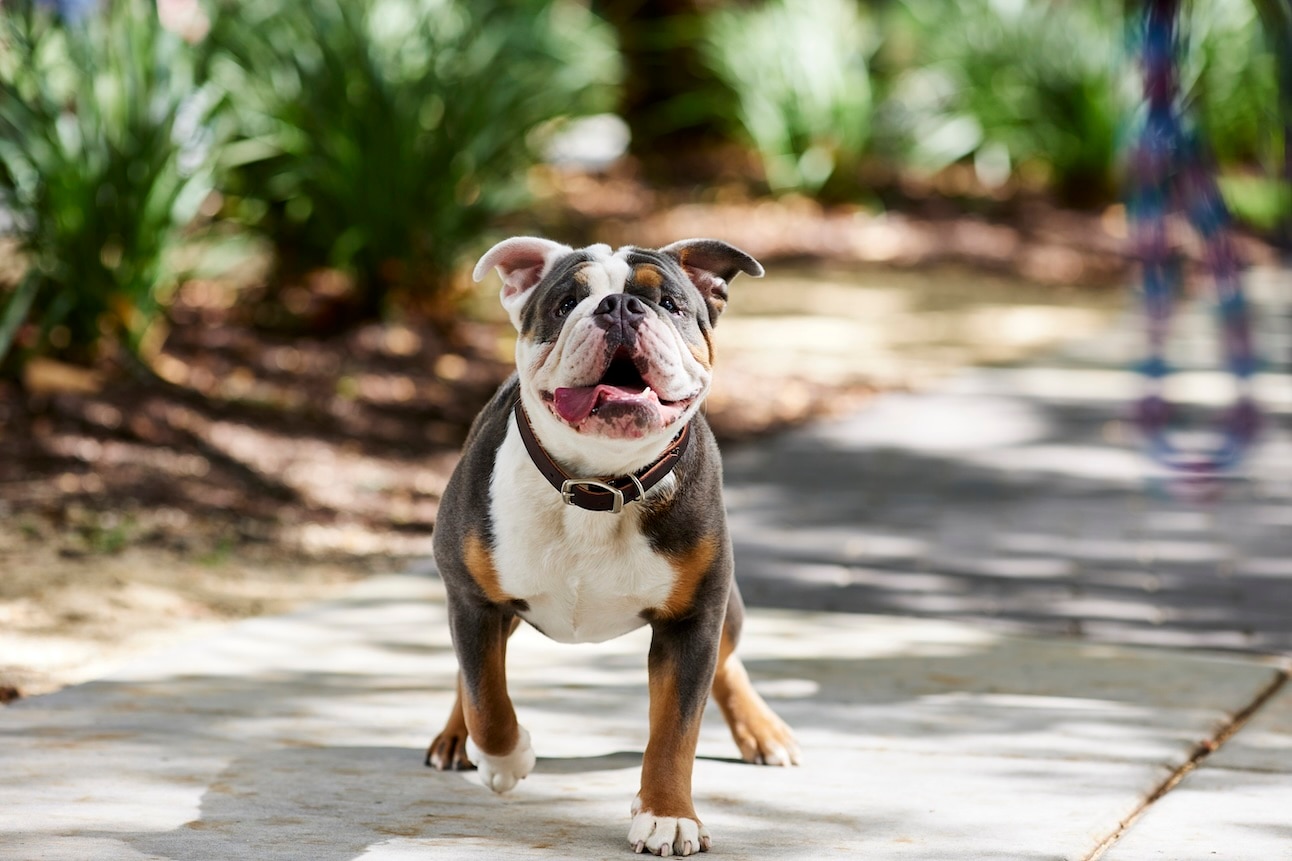
Photo by Chewy
Both French Bulldogs and English Bulldogs trace their roots back to England, but they were developed for different purposes and ultimately found popularity in different places.
English Bulldogs were originally bred in England for bull-baiting, a cruel “sport” that was outlawed in 1835.
After bull-baiting was banned, Bulldogs were intentionally bred to create the laid-back, friendly dog they’re known to be today, according to The Bulldog Club of America.
French Bulldogs developed in the late 1800s, when smaller Bulldogs were brought to France by English lace workers during the Industrial Revolution, according to the French Bulldog Club of America. In France, the breed was further refined, eventually becoming the French Bulldog we know today.
Appearance
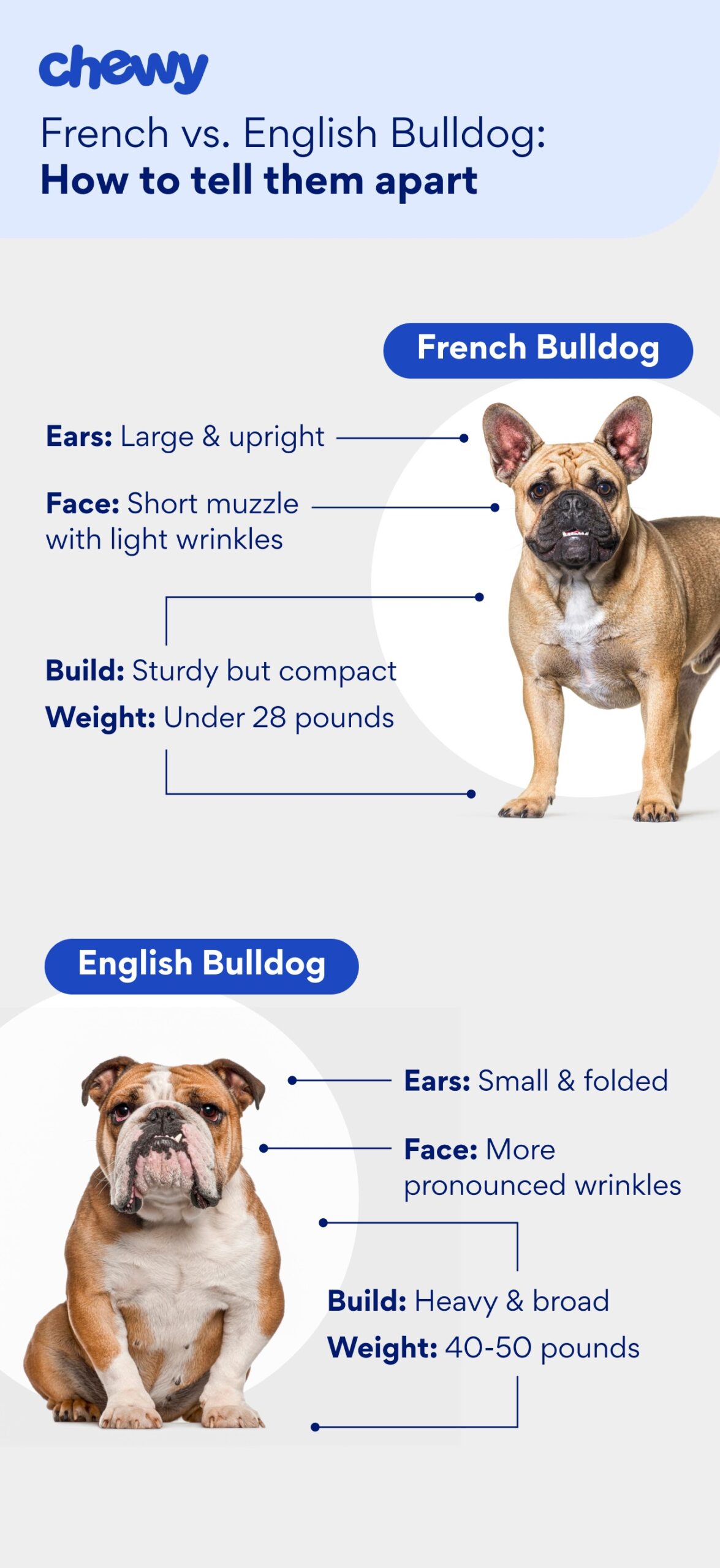
Photo by Chewy
At a glance, it’s obvious that French Bulldogs and English Bulldogs are related—but they also have clear physical differences that help distinguish each breed.
- Size: English Bulldogs are medium-sized dogs, standing 14–15 inches tall and weighing 40–50 pounds. French Bulldogs are smaller, standing 11–13 inches tall and typically weighing under 28 pounds.
- Build: Both dogs are short and stocky, but English Bulldogs are heavier and broader, with a much thicker build than the Frenchie’s more compact frame.
- Ears: French Bulldogs have upright, rounded “bat ears,” while English Bulldogs have smaller, folded ears.
- Face: Both breeds have short muzzles and wrinkles, but English Bulldogs tend to have more pronounced facial folds and a looser, heavier-looking expression.
Personality
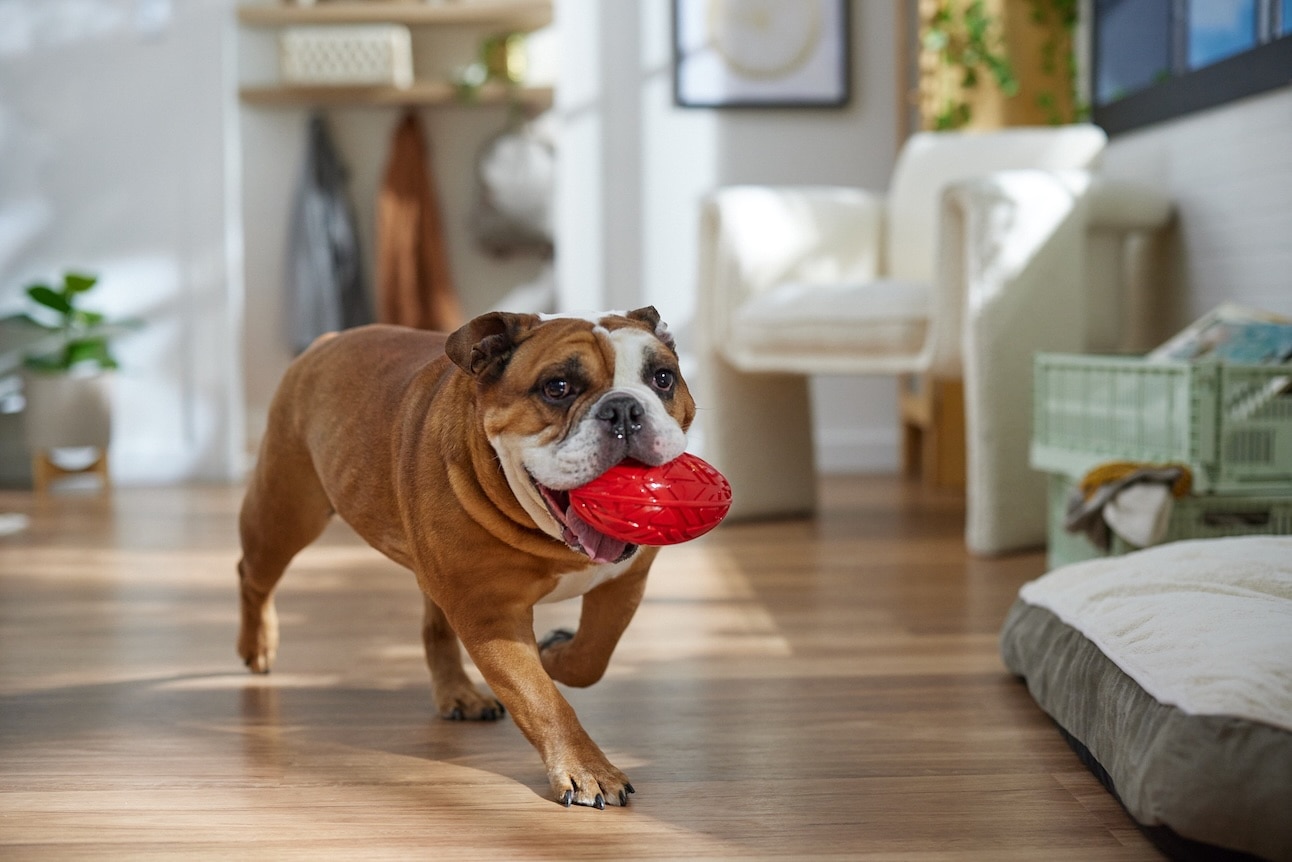
Photo by Chewy
French Bulldogs and English Bulldogs are known for being affectionate, people-oriented companions.
French Bulldogs are generally more playful and alert, while English Bulldogs tend to be calmer, more laid-back, and sometimes downright lazy. Both are happy to lounge for much of the day and often prefer quiet companionship over high-energy activity.
Both breeds are typically loyal and gentle, which makes them good family dogs. Frenchies and English Bulldogs are also chill roommates who can happily live with other dogs, feline siblings, and children—provided everyone is introduced properly.
As with all dogs, both breeds need consistent socialization to be their best selves. Thanks to their easygoing personalities, both types of Bulldogs can be a good choice for first-time pet parents.
Exercise Needs
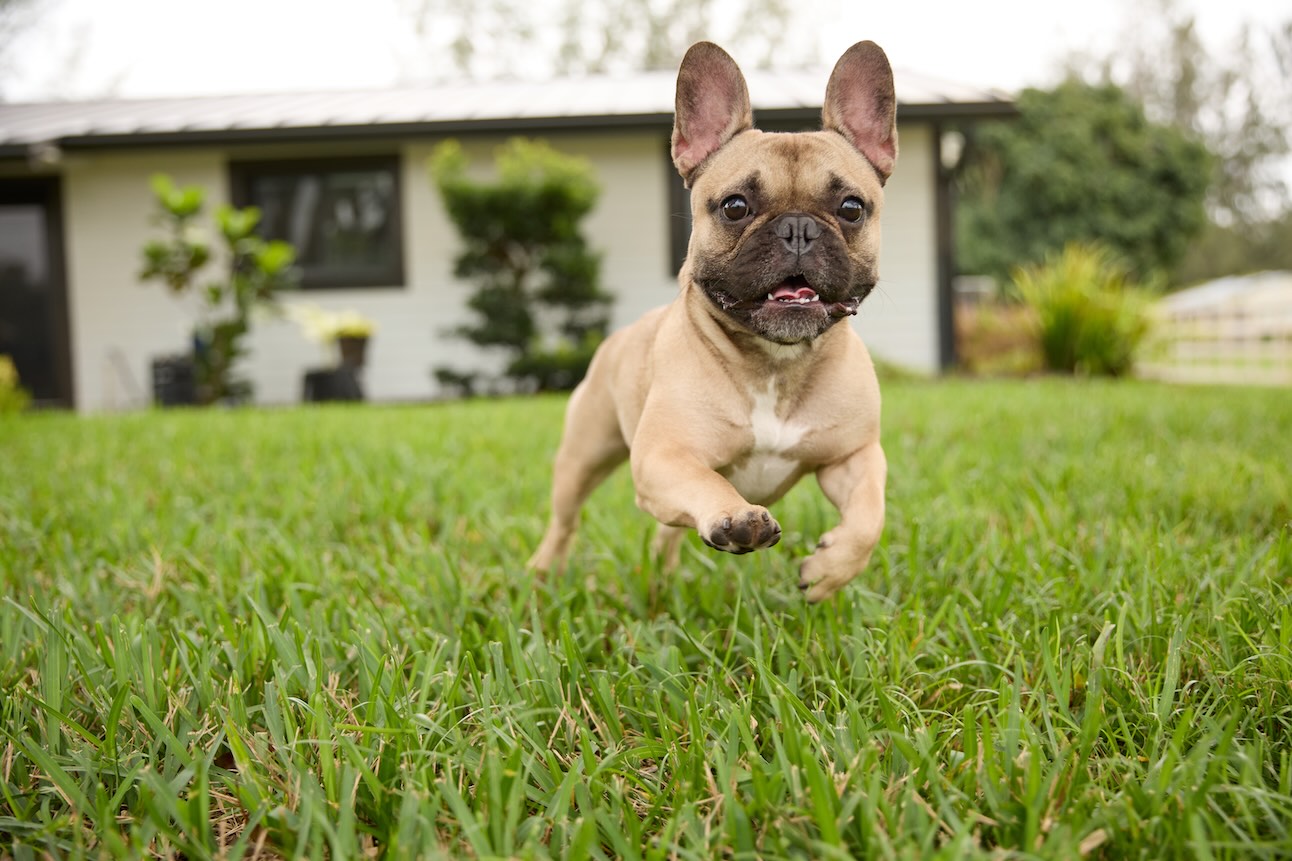
Photo by Chewy
Neither the French nor the English Bulldog is a canine athlete. But that doesn’t mean you should let them snooze all day long! Regular exercise is still important—especially because obesity can be particularly problematic for these breeds.
Both dogs benefit from daily walks and short backyard play sessions. Aim for about 30 minutes of exercise per day.
Because both breeds are brachycephalic (meaning they have flat faces), it’s important to take special precautions during exercise:
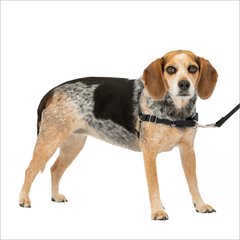
- Always use a dog harness instead of attaching a leash to a collar, which can put pressure on their airway and make breathing more difficult.
Recommended Products

- Limit exercise during very hot, very humid, or very cold weather, as temperature extremes can worsen breathing issues.
- Watch closely for signs of overheating, which can happen easily in both French and English Bulldogs.
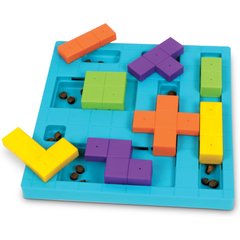
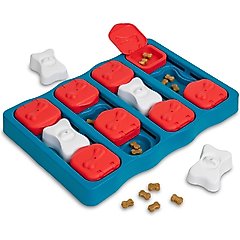
Mental stimulation is important, too. Puzzle toys, Kongs, and scent-based walks can help prevent boredom and support your pup’s mental well-being.
Recommended Products

While they may enjoy short bursts of play, both breeds are usually happiest relaxing nearby.
Grooming
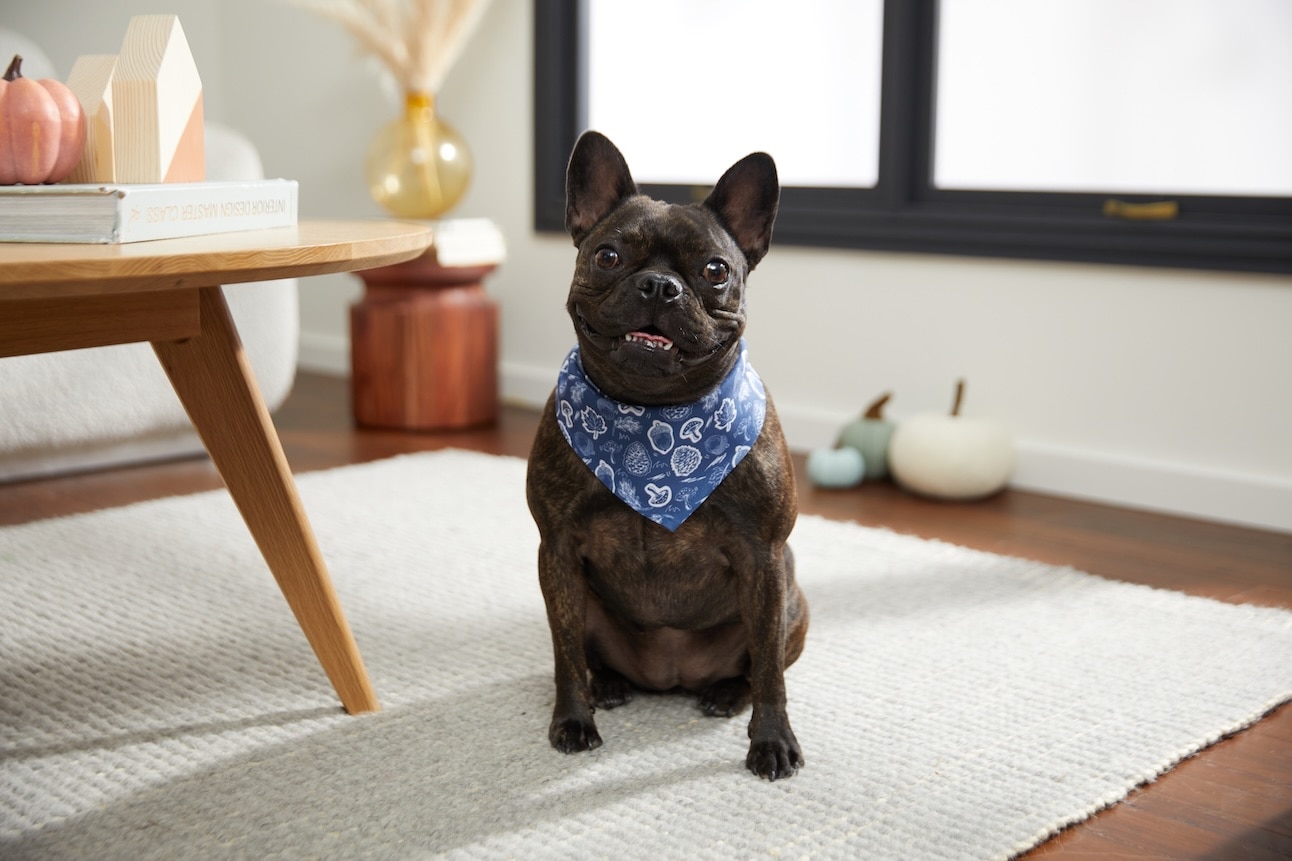
Photo by Chewy
Both breeds have short, smooth coats that are relatively easy to maintain. Weekly brushing with a slicker brush helps remove loose fur—both French Bulldogs and English Bulldogs shed moderately—and bathing as needed with a gentle dog shampoo is OK.
Recommended Products


Their wrinkles, however, require a little extra TLC. Clean their facial folds regularly—sometimes even daily—with a dog-safe medicated wipe, such as MalAcetic Wet Wipes, which also helps prevent irritation and skin infections that can affect both breeds.
Recommended Product

Nail trims, ear checks, and routine dental care are also essential parts of both dogs’ grooming routine.
Health

Photo by Chewy
French Bulldogs and English Bulldogs are brachycephalic breeds, meaning they have shortened airways that can affect breathing. Because of this, brachycephalic airway syndrome is a major health concern for both breeds.
Symptoms include noisy breathing, snoring, coughing, overheating, exercise intolerance, and difficulty breathing. Talk to your vet about how you can manage the condition—if the case is severe, your pup might need surgery to help them breathe a little easier.
Other health conditions that commonly affect French Bulldogs and English Bulldogs alike include:
- Hip dysplasia
- Luxating patella
- Skin and ear infections
- Back injuries
- Eye problems, like cataracts, ulcers, corneal dystrophy, and entropion
- Dental disease
Investing in pet insurance is likely a good idea for both breeds. It’s also important to keep up with regular wellness exams and to work with your vet to keep your dog at a healthy weight, as obesity can lead to (or worsen!) other health issues.
French Bulldogs vs. English Bulldogs: Which Is the Breed for You?
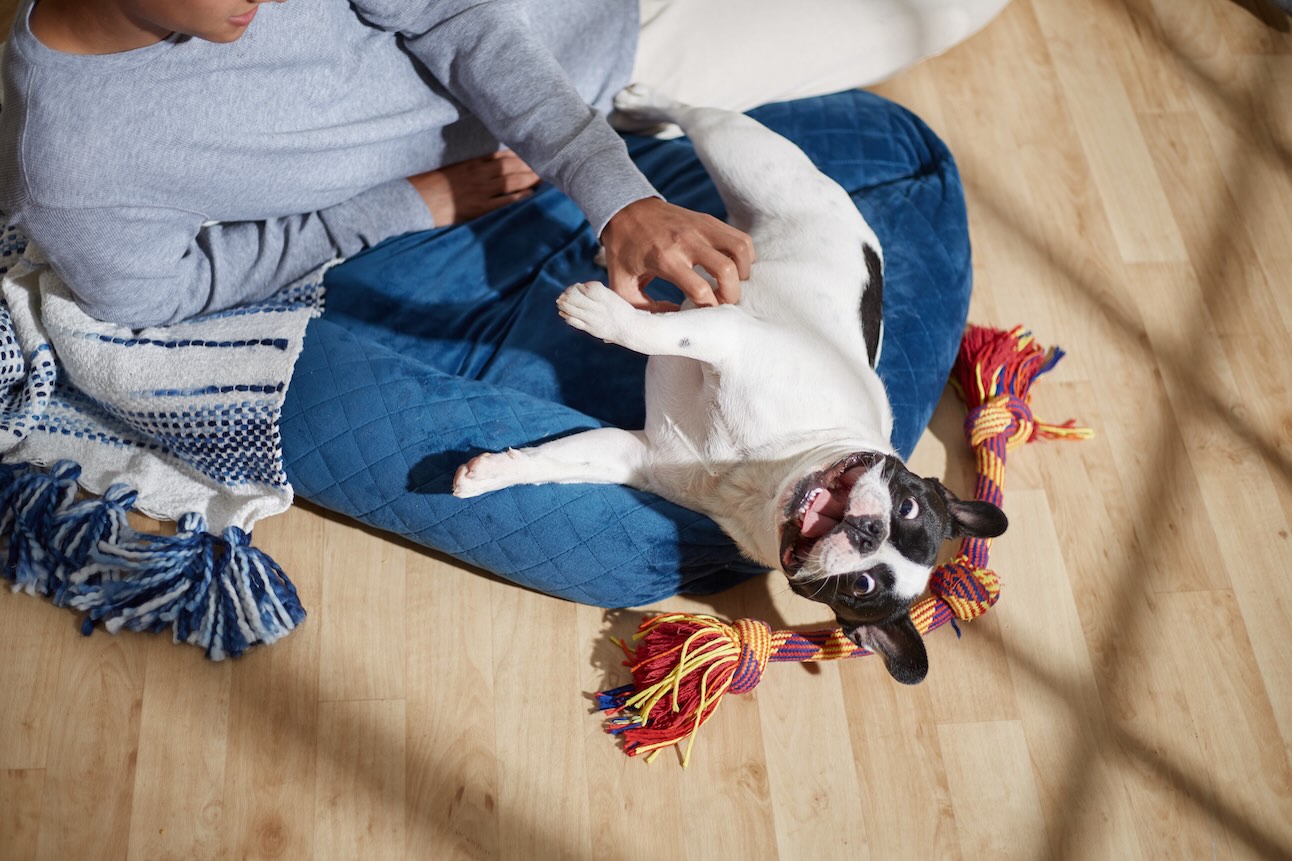
Photo by Chewy
Choosing between a French Bulldog and an English Bulldog often comes down to your space and personal preference.
A French Bulldog may be a good fit if you’re looking for a smaller dog who enjoys playful interaction. They might do better in a busier household because they’re a little more energetic than the super-chill English Bulldog.
An English Bulldog, on the other hand, may be better suited for someone who prefers a calm, easygoing companion and has the space—and patience—for a larger, heavier dog.
Both breeds thrive on companionship and do best in homes where they’re treated as true family members. With the right care and environment, either can be a loving and devoted addition to your life.
Attributions
This article was created with assistance from AI tools. The content has been reviewed for accuracy and edited by a veterinarian.