18 of the Longest-Living Dog Breeds


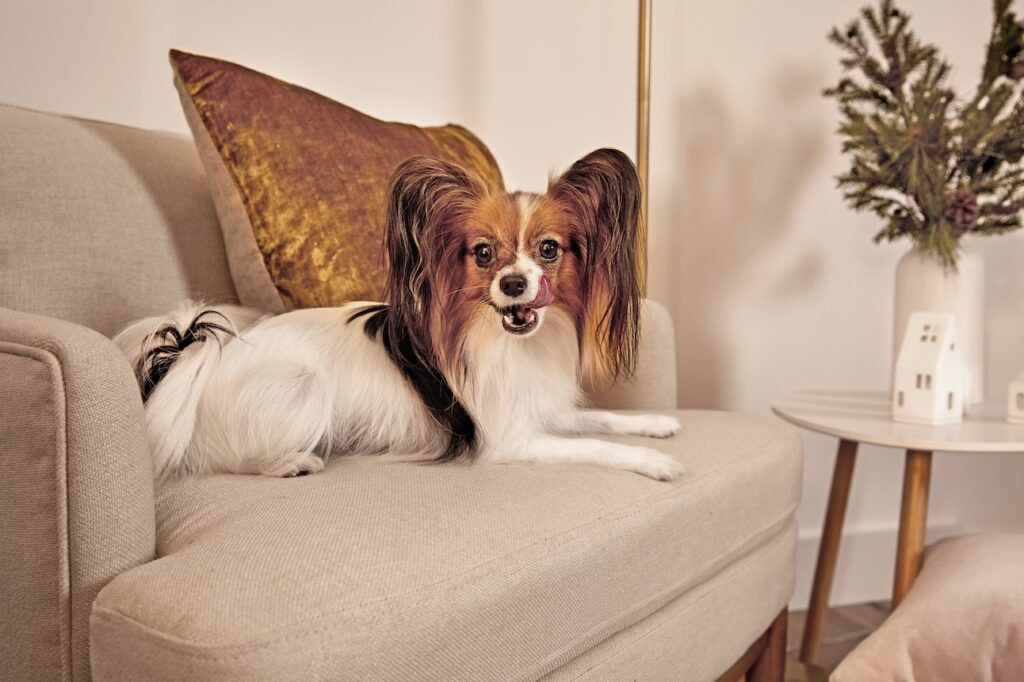
Photo by Chewy
When you think about welcoming a dog into your life, lifespan is often top of mind. Many pet parents wonder which breeds are most likely to stick around the longest. While no breed comes with guarantees, some are widely recognized for their impressive longevity and overall resilience.
Here are some of the longest-living dog breeds.
Key Takeaways
- A dog’s lifespan is impacted by breed, size, genetics, and the care they receive.
- In general, small dog breeds live longer than bigger dogs.
- Some of the longest-living dog breeds include Cotons de Tulear, Chihuahuas, Toy Poodles, and Chinese Cresteds.
What Impacts a Dog’s Lifespan?
On average, a dog’s lifespan is 10–13 years, though this varies widely depending on:
- Breed and size: In general, smaller dogs live longer than larger dogs.
- Genetics: Responsible breeding practices screen dogs for genetic health problems to avoid passing conditions on to puppies.
- Overall care: A balanced diet, regular veterinary care, dental hygiene, mental enrichment, and appropriate exercise all contribute to longevity.
What Dog Breeds Live the Longest?
1. Coton de Tulear
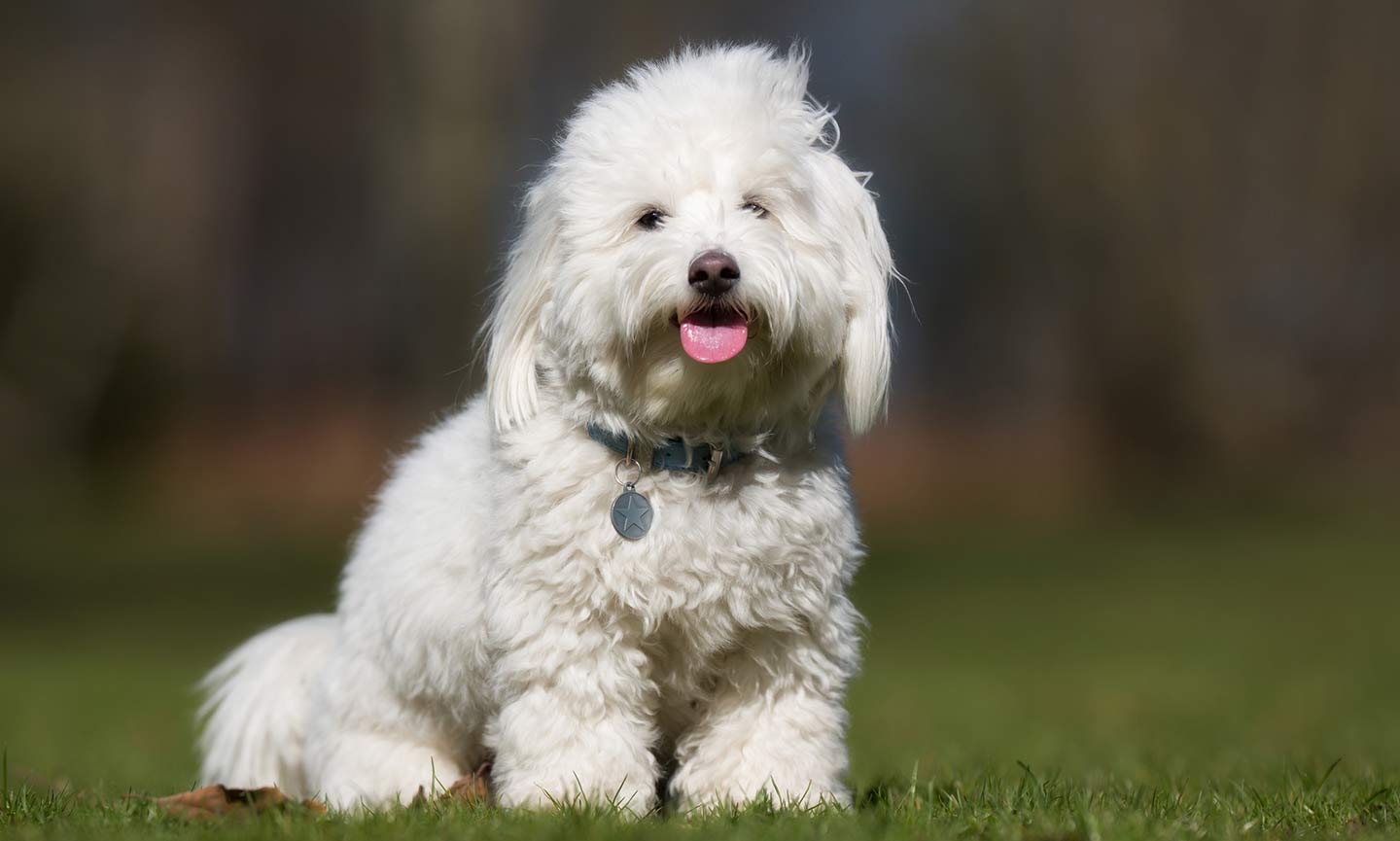
Photo by iStock/Bigandt_Photography
- Size: Small
- Life expectancy: 15–19 years
- Temperament: Easygoing, affectionate, adaptable
The adaptable Coton de Tulear fits well into many lifestyles, from busy families to retirees. Though the breed’s exercise needs are modest, their white coat needs to be brushed every day to prevent matting and tangles. If you don’t mind sticking with this routine for nearly two decades, Cotons make great companions.
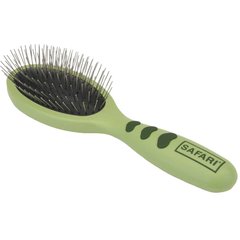
Recommended Products

2. Toy Poodle
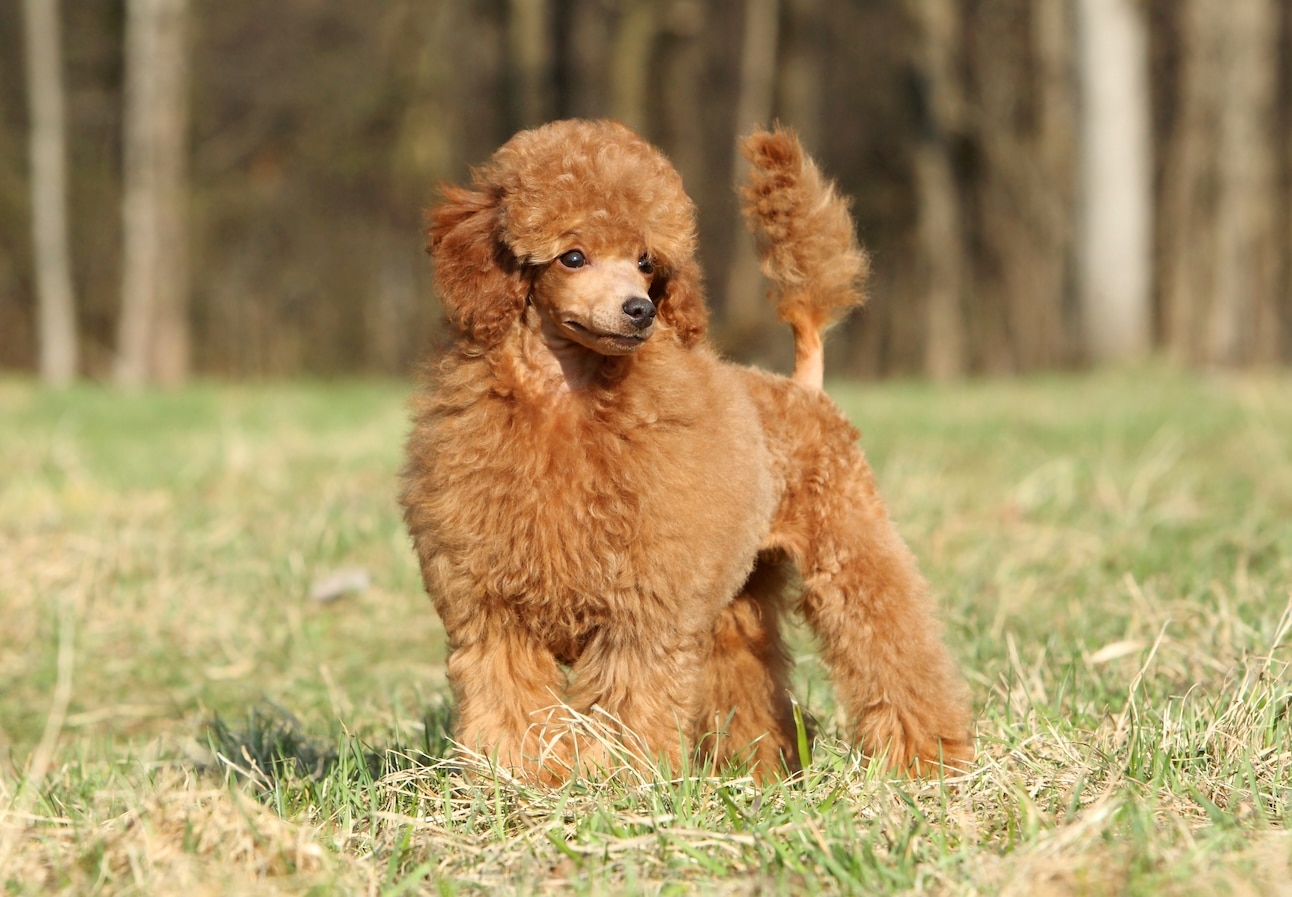
Photo by Adobe/jagodka
- Size: Extra small
- Life expectancy: 14–18 years
- Temperament: Smart, energetic, eager to please
Toy Poodles are an excellent match for first-time pet parents who want a highly trainable, long-living companion. Their curly coat requires a lot of at-home brushing and trips to a professional groomer.
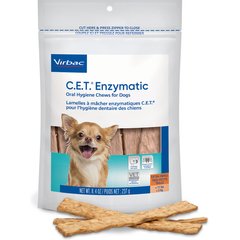
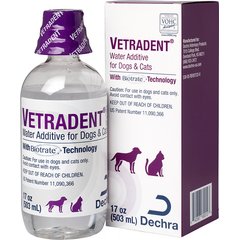
One of the most important parts of taking care of a Toy Poodle is dental care. These long-living dogs can develop dental disease, especially in their senior years. So brush their teeth every day and talk to your vet about a dental-focused diet, professional teeth cleanings, dental treats, and water additives.
Recommended Products

3. Chinese Crested
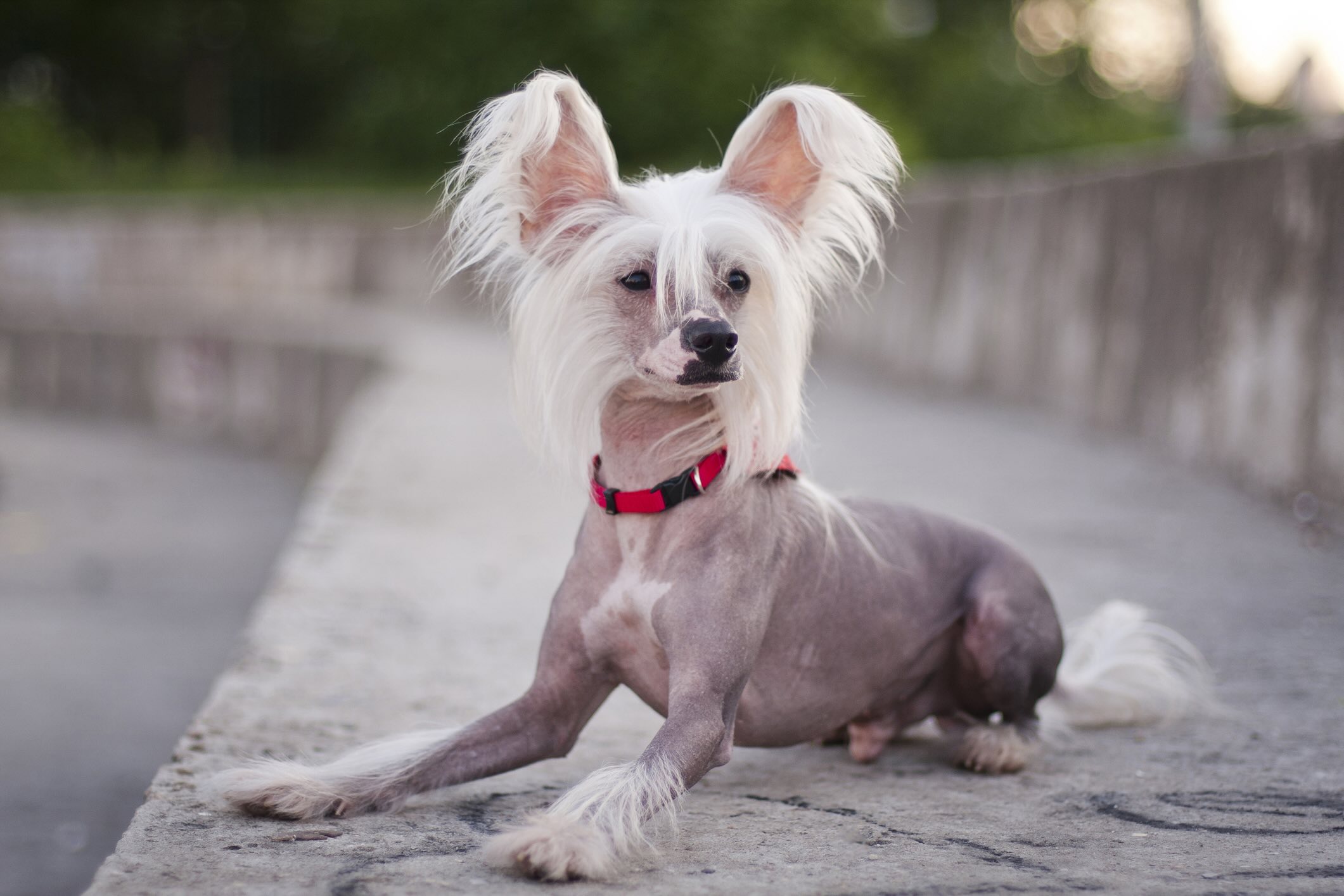
Photo by Ekaterina Gorokhova/iStock / Getty Images Plus via Getty Images
- Size: Extra small
- Life expectancy: 13–18 years
- Temperament: Affectionate, alert, playful
It’s easy to recognize a Chinese Crested. Most are nearly hairless dogs, though some Cresteds (called powderpuffs) have a full coat of fine white hair.
Both varieties can live well into their teenage years with regular vet exams, a healthy diet, and regular exercise: Short walks and indoor playtime are enough to make a Chinese Crested happy.
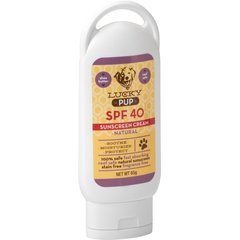
And if you have a hairless Chinese Crested, make sure you protect them from sunburns, either with clothing or dog-safe sunscreen.
Recommended Product
4. Chihuahua
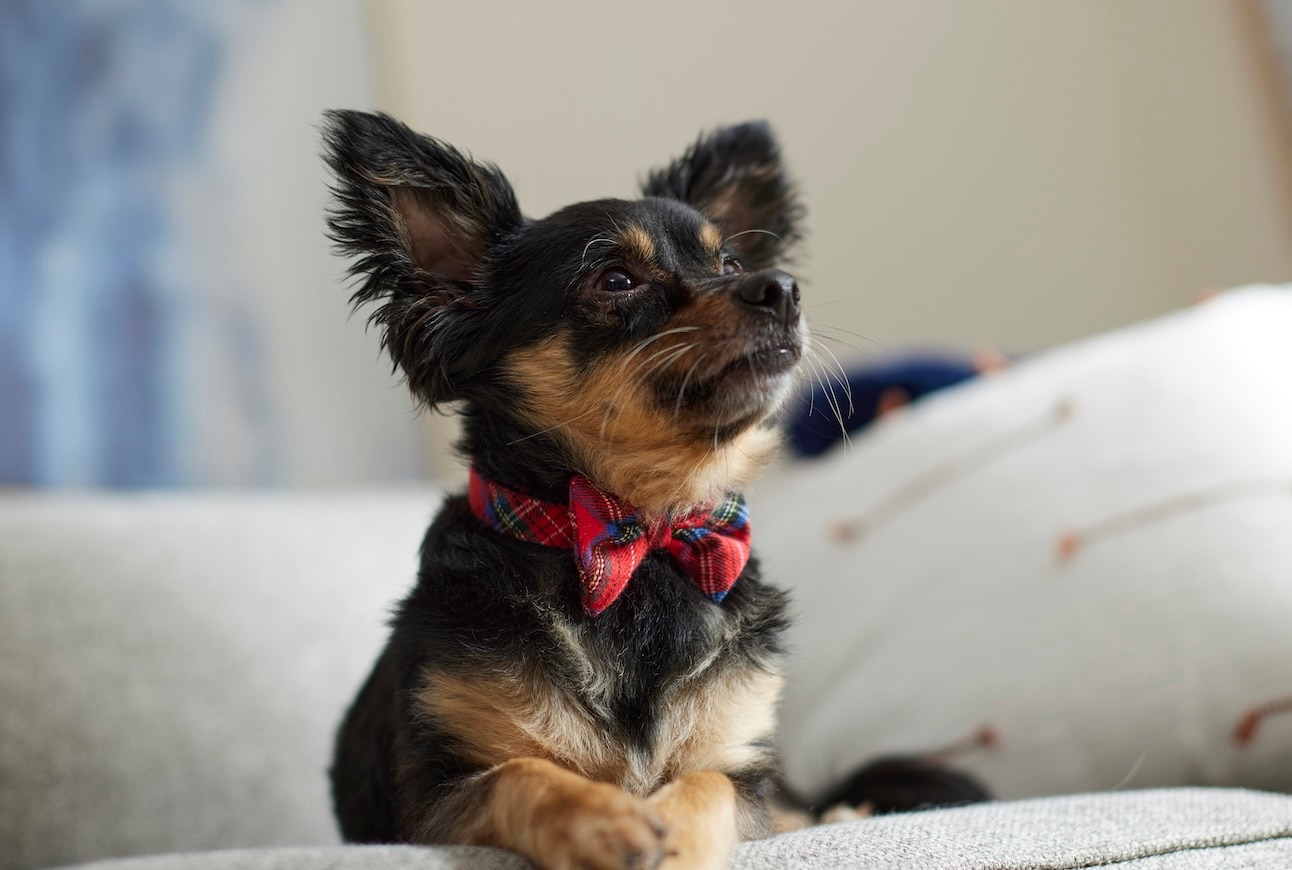
Photo by Chewy
- Size: Extra small
- Life expectancy: 14–16 years
- Temperament: Lively, spunky, cheeky
Chihuahuas may be one of the smallest dog breeds, but their personality is overflowing. Their over-the-top temperament makes this pup a strong match for pet parents seeking a funny and devoted companion in a tiny body.
5. Papillon
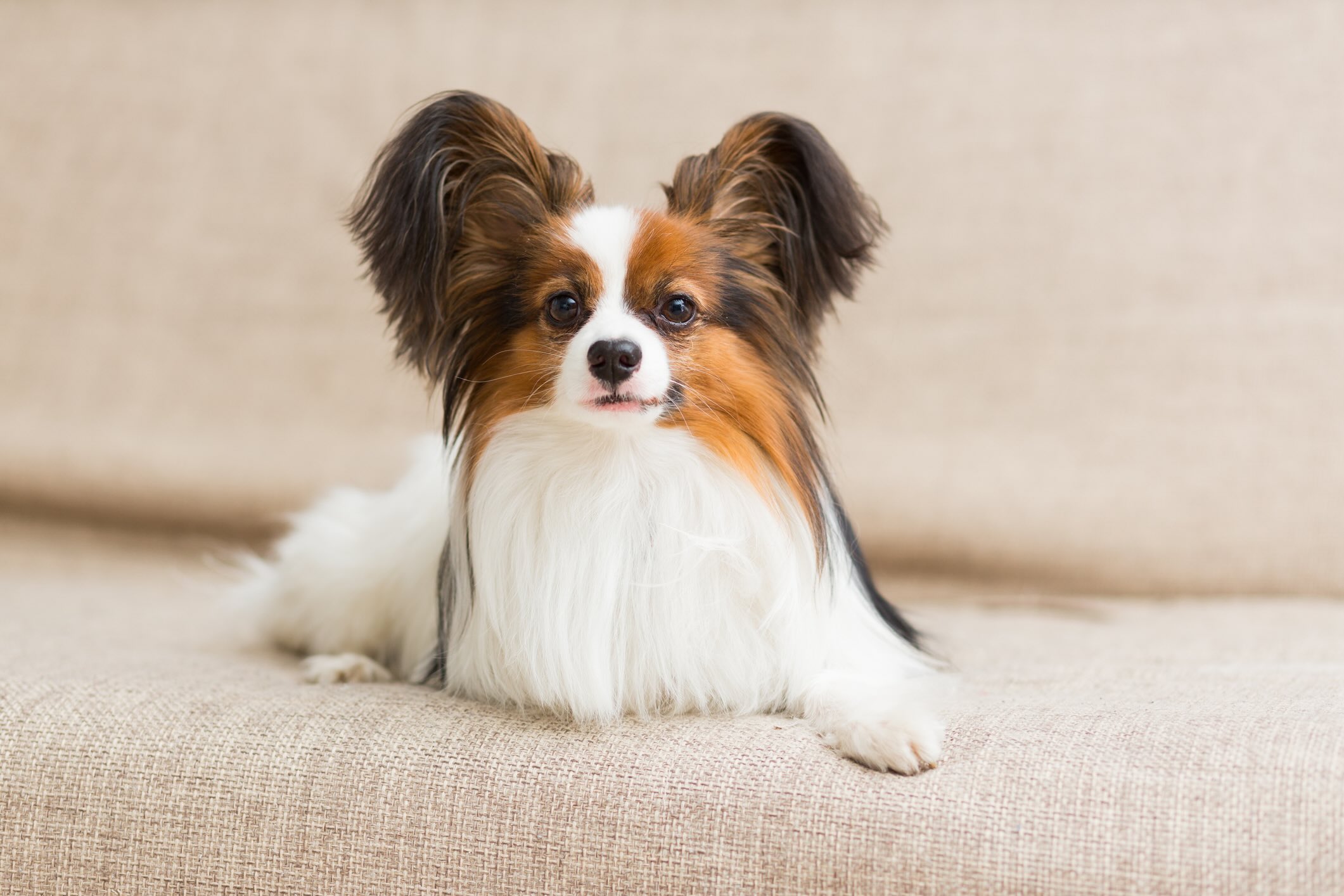
Photo by FaST_9/iStock / Getty Images Plus via Getty Images
- Size: Extra small
- Life expectancy: 14–16 years
- Temperament: Cheery, smart, social
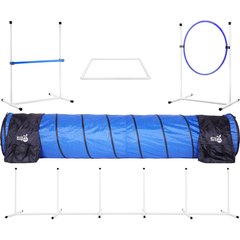
Papillons are small dogs with a long lifespan and big ears with gorgeous feathering. Despite their delicate appearance, they’re athletic and excel in dog sports like agility. These friendly dogs love being around people, and they need lots of mental stimulation to stay happy and healthy.
Recommended Product
6. Shiba Inu
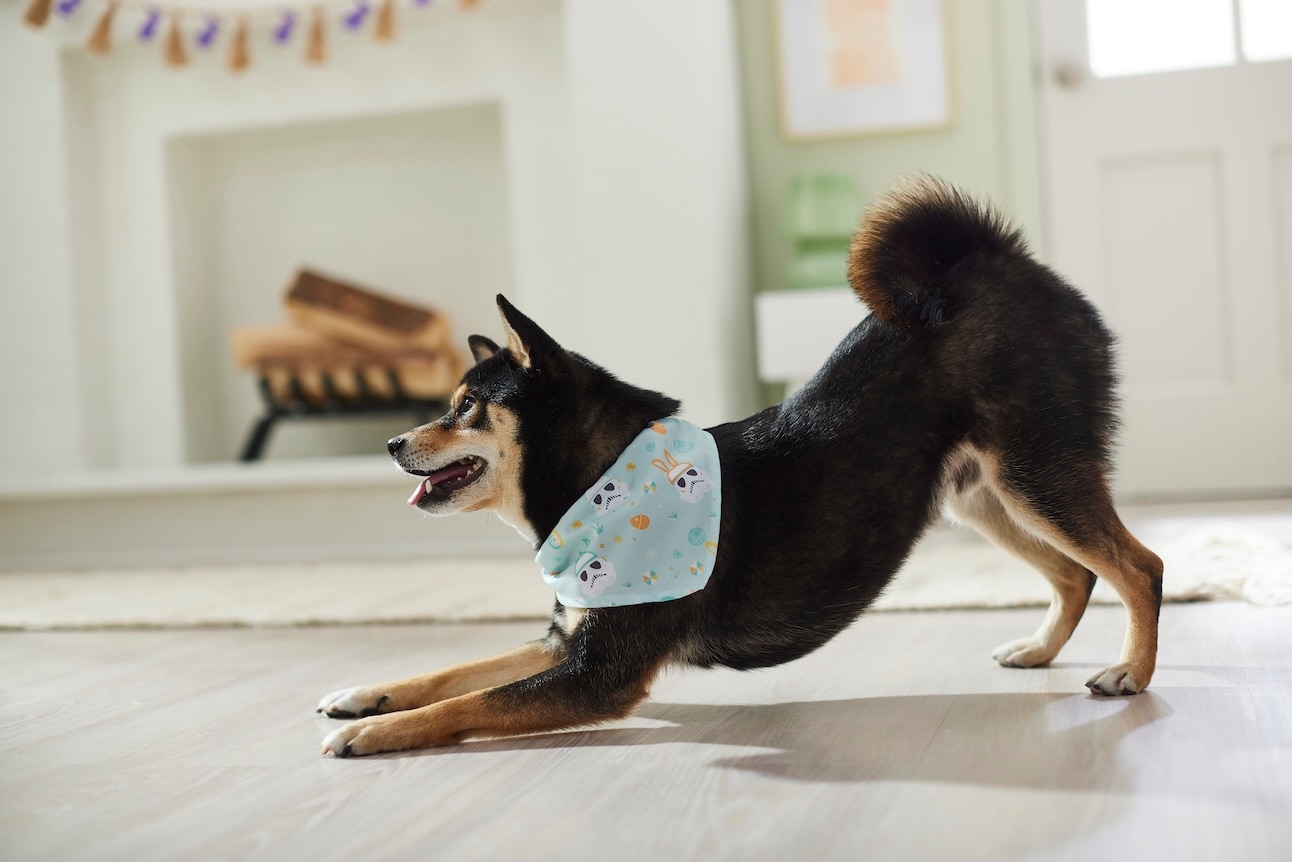
Photo by Chewy
- Size: Small
- Life expectancy: 13–16 years
- Temperament: Affectionate, aloof, quirky
The Shiba Inu has an independent, almost catlike personality and a face like a fox. Sticking to a consistent routine; lots of mental enrichment with dog toys; and regular grooming for their dense, plush coat keeps them happy over their long lifespan.
Recommended Products
7. Pomeranian
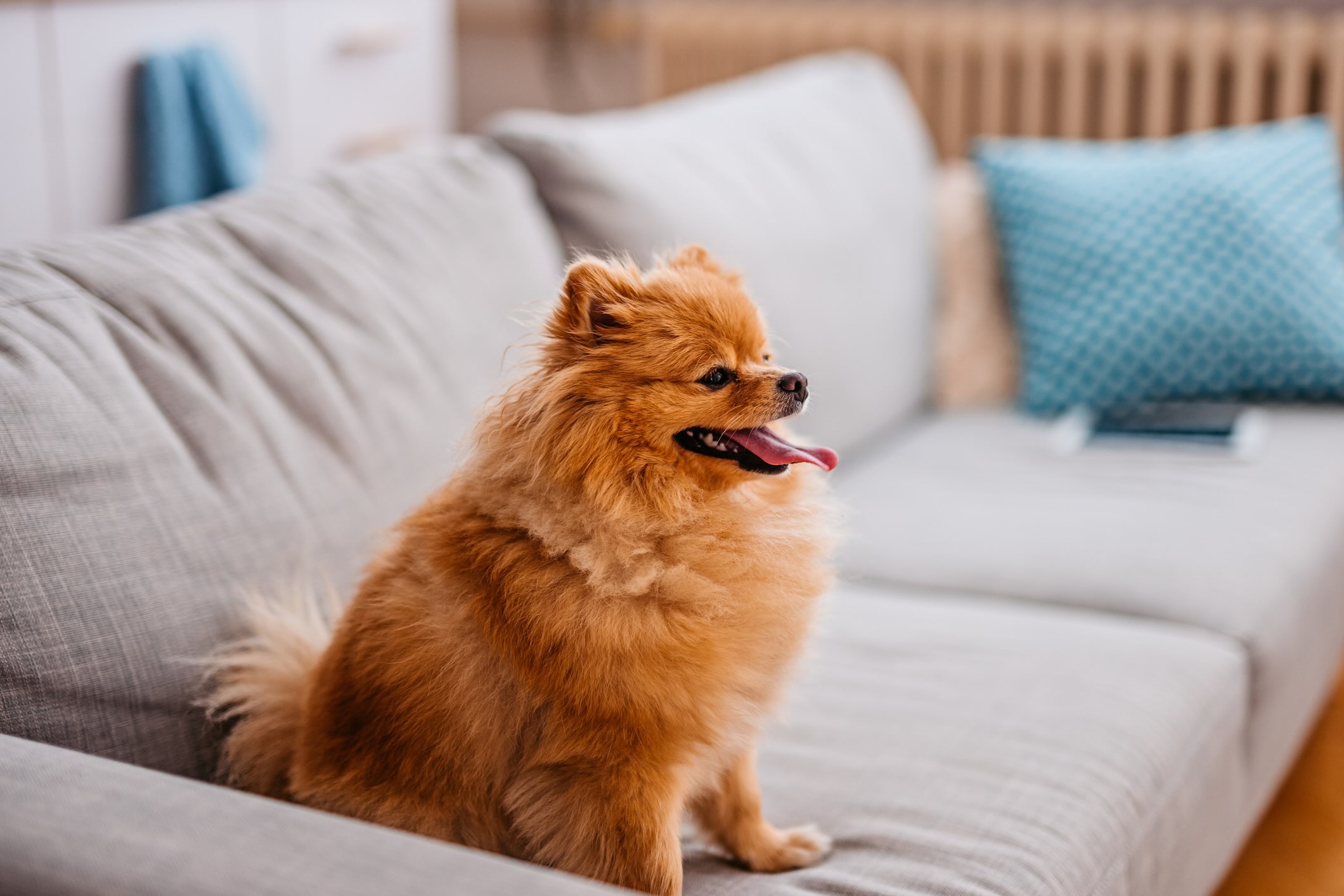
Photo by urbazon/E+ via Getty Images
- Size: Extra small
- Life expectancy: 12–16 years
- Temperament: Bright, cheeky, affectionate
Pomeranians are a good fit for pet parents who want a small dog with a confident, outgoing personality. They enjoy short walks and playtime but don’t require intense exercise. Their grooming routine can be pretty extensive, thanks to all that fluff.
8. Dachshund

Photo by Chewy
- Size: Small
- Life expectancy: 12–16 years
- Temperament: Clever, funny, mischievous
Often called weiner dogs because of their short legs and long back, Dachshunds are spunky little dogs with big personalities.
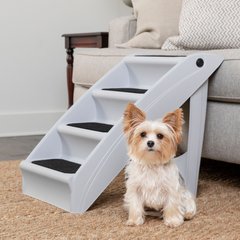
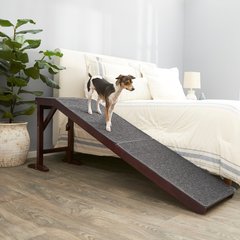
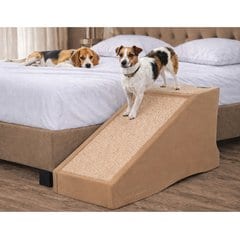
As they age, protecting their neck and back becomes extremely important. Keep your dog at a healthy weight, use a harness instead of a neck collar, and offer ramps and pet stairs so they can avoid jumping; this can help support their long-term mobility.
Recommended Products

9. Australian Cattle Dog
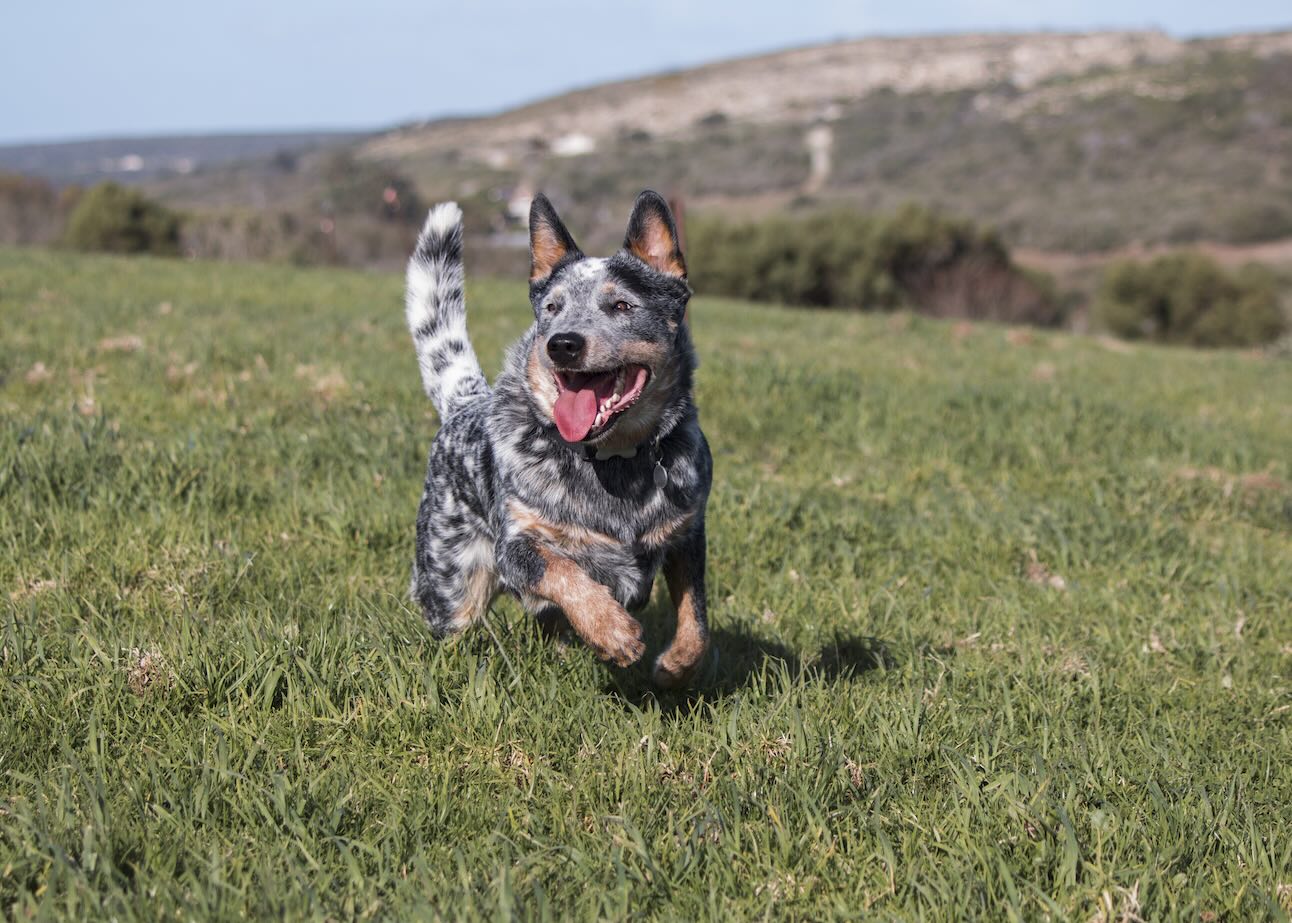
Photo by Madelein_Wolf/iStock / Getty Images Plus via Getty Images
- Size: Medium
- Life expectancy: 12–16 years
- Temperament: Adventurous, intelligent, loyal
While small dogs tend to live the longest, the Australian Cattle Dog is a medium-sized breed who can live well into their teenage years. They’re also one of the healthiest dog breeds.
Originally bred to herd cattle, they need up to two hours of physical exercise and mental challenges every day to thrive. Without enough stimulation, Australian Cattle Dogs can become frustrated and develop unwanted behaviors, so don’t bring one home if you’re a couch potato.
10. Miniature Pinscher
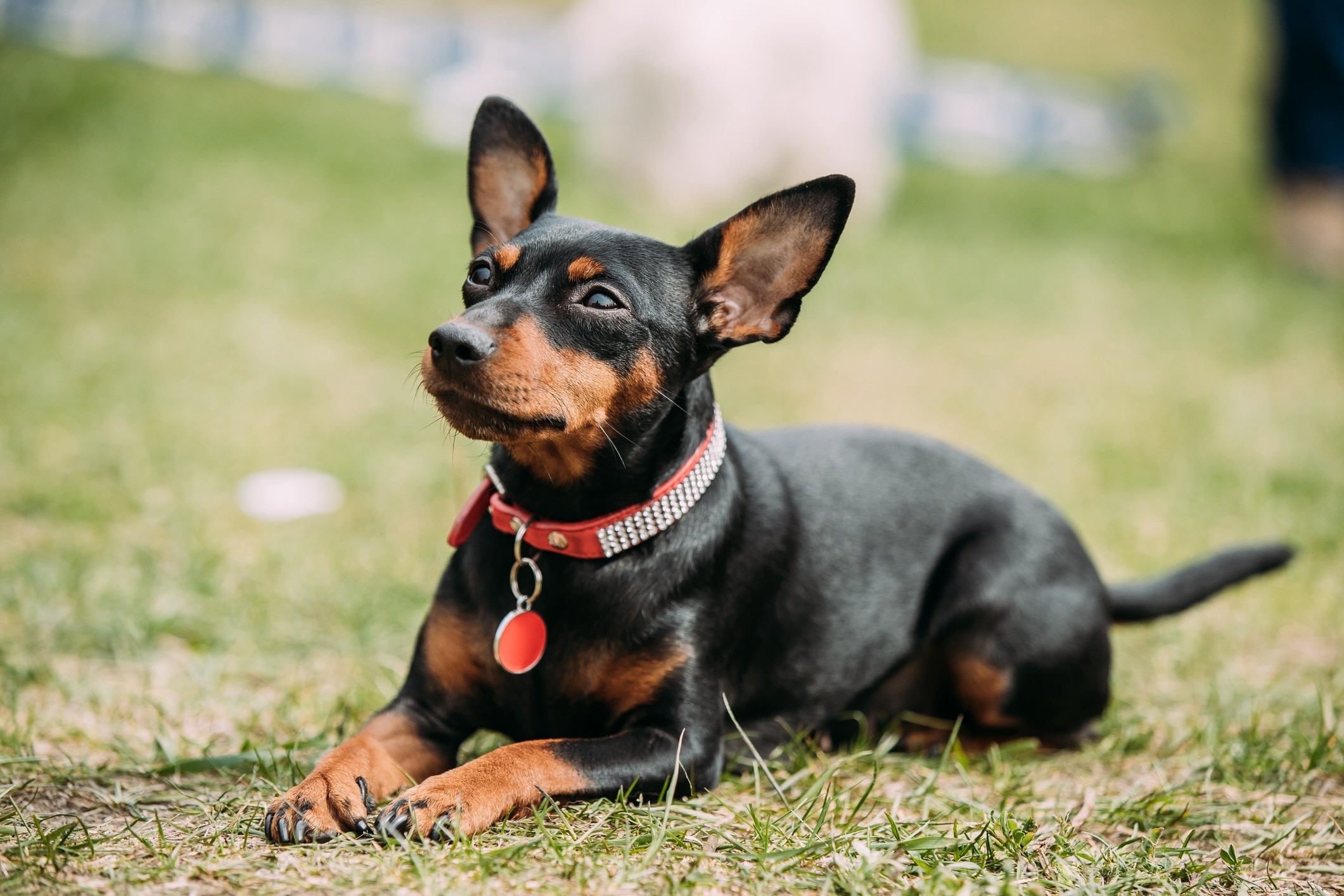
Photo by bruev/iStock / Getty Images Plus via Getty Images
- Size: Extra small
- Life expectancy: 12–16 years
- Temperament: Clever, cheery, silly
Though they look like a mini Doberman, the Miniature Pinscher is a separate breed with its own unique quirks. Min Pins, as they’re often called, love joining their pet parents on walks and playing in the backyard. They tend to bark, but patient training can help stop excessive noise.
11. Bichon Frise
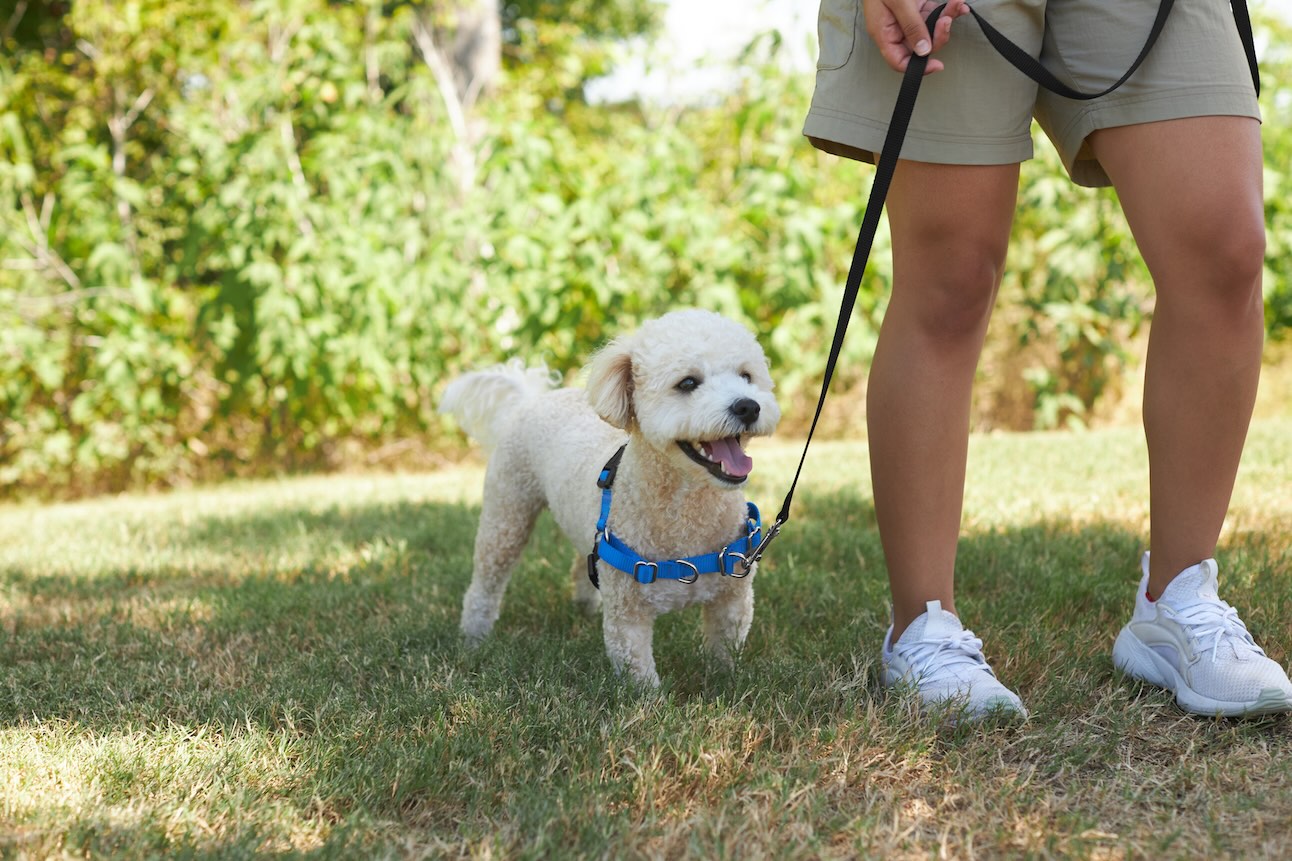
Photo by Chewy
- Size: Small
- Life expectancy: 14–15 years
- Temperament: Cheerful, affectionate, gentle
Bichons Frise are happy little dogs who can fit happily into almost any family. Their curly white fur needs extensive grooming, both at home and from a professional. Along with daily brushing and frequent baths and haircuts, you’ll need to keep this bright, friendly dog lavished with attention.
Recommended Products
12. Parson Russell Terrier
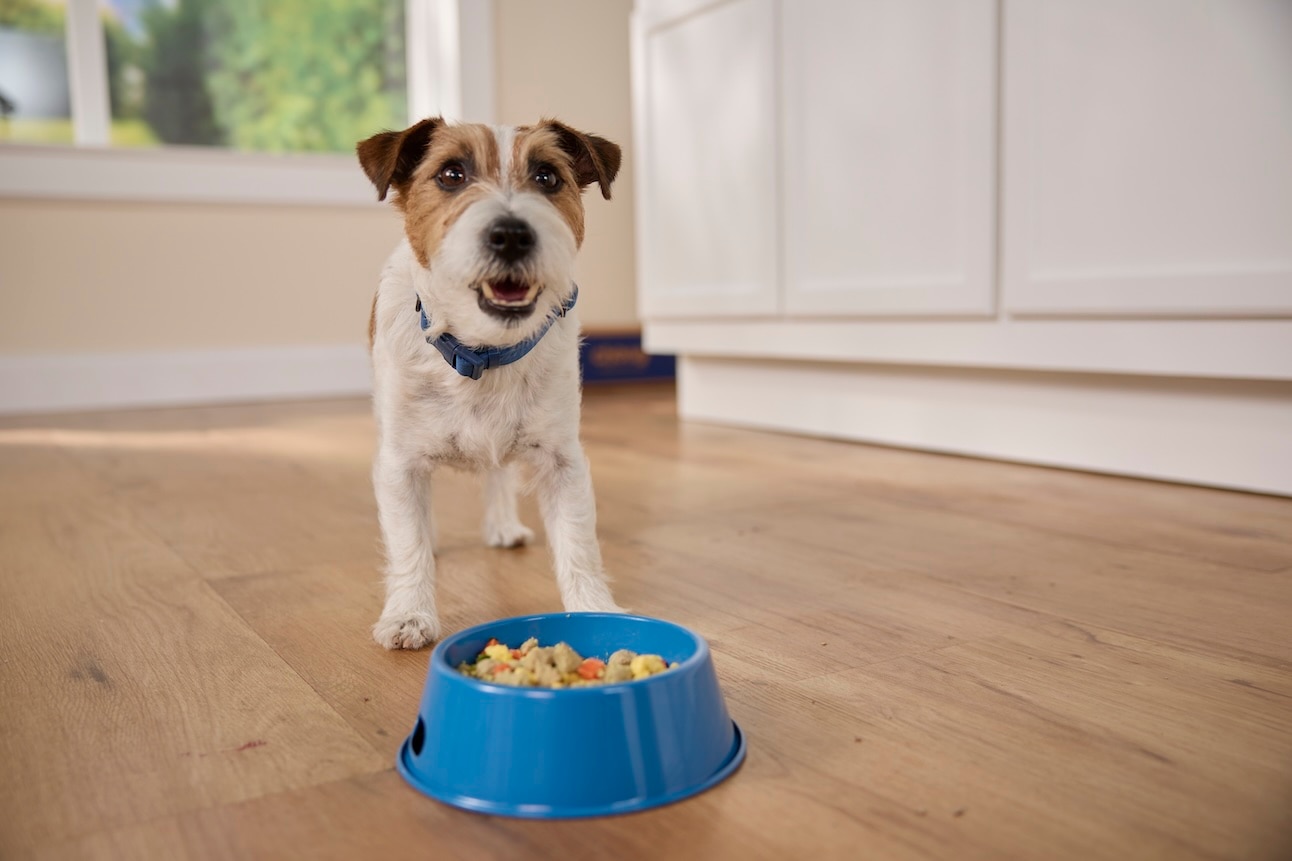
Photo by Chewy
- Size: Small
- Life expectancy: 13–15 years
- Temperament: Energetic, bold, zestful
Commonly called Jack Russells, Parson Russell Terriers are best suited for experienced—and very active—pet parents. They are little balls of energy who almost always want to be on the go and engaged in whatever you’re doing.
Because of their background as vermin hunters, Parson Russell Terriers have a strong prey drive, so make sure all their exercise is done on a leash or in a securely fenced area.
Recommended Product
13. Cavalier King Charles Spaniel
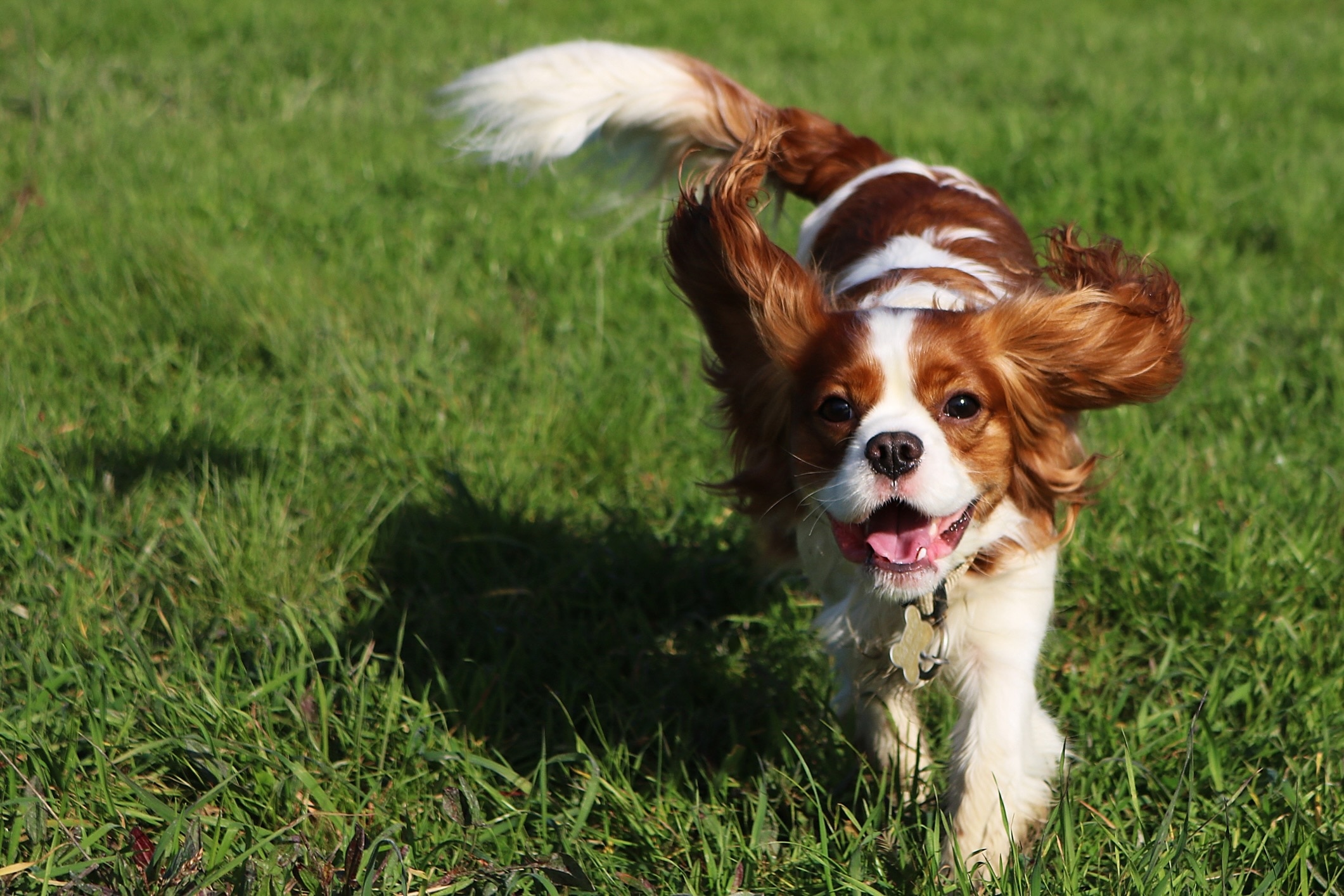
Photo by Holly AA/iStock / Getty Images Plus via Getty Images
- Size: Small
- Life expectancy: 12–15 years
- Temperament: Bubbly, happy-go-lucky, sporty
The Cavalier King Charles Spaniel just might be the ideal family dog. Not only are they one of the longest-living dogs, but they’re incredibly social, smart, and snuggly. Neighborhood walks, play sessions, and routine veterinary care—especially for monitoring heart health—are important for supporting their long-term well-being.
14. Miniature Schnauzer
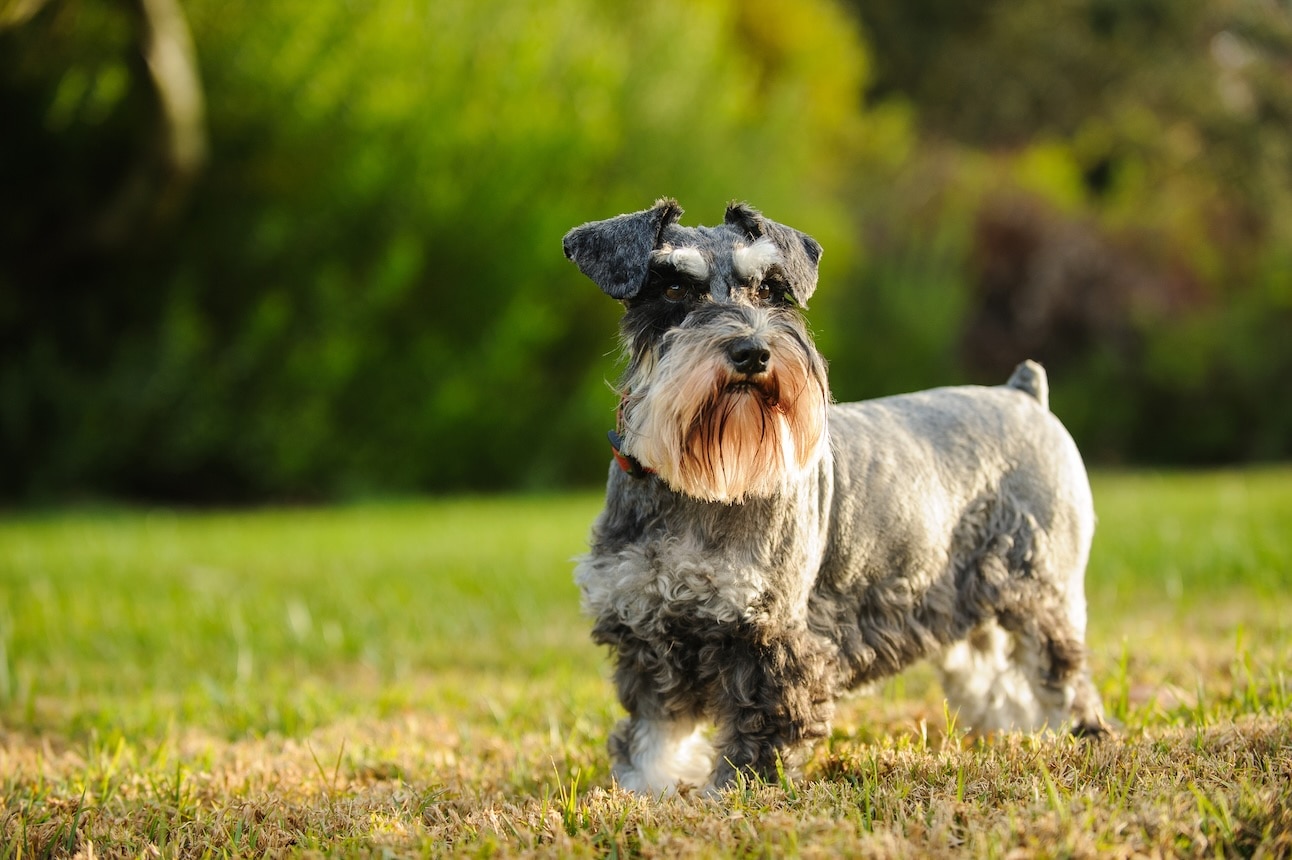
Photo by EyeEm Mobile GmbH/iStock / Getty Images Plus via Getty Images
- Size: Small
- Life expectancy: 12–15 years
- Temperament: Friendly, adaptable, spirited
Miniature Schnauzers are a good match for families who want a social, eager-to-please dog who enjoys being involved in household activities. Like many other dogs on this list, they need regular grooming, and benefit from consistent exercise and mental stimulation.
15. Maltese
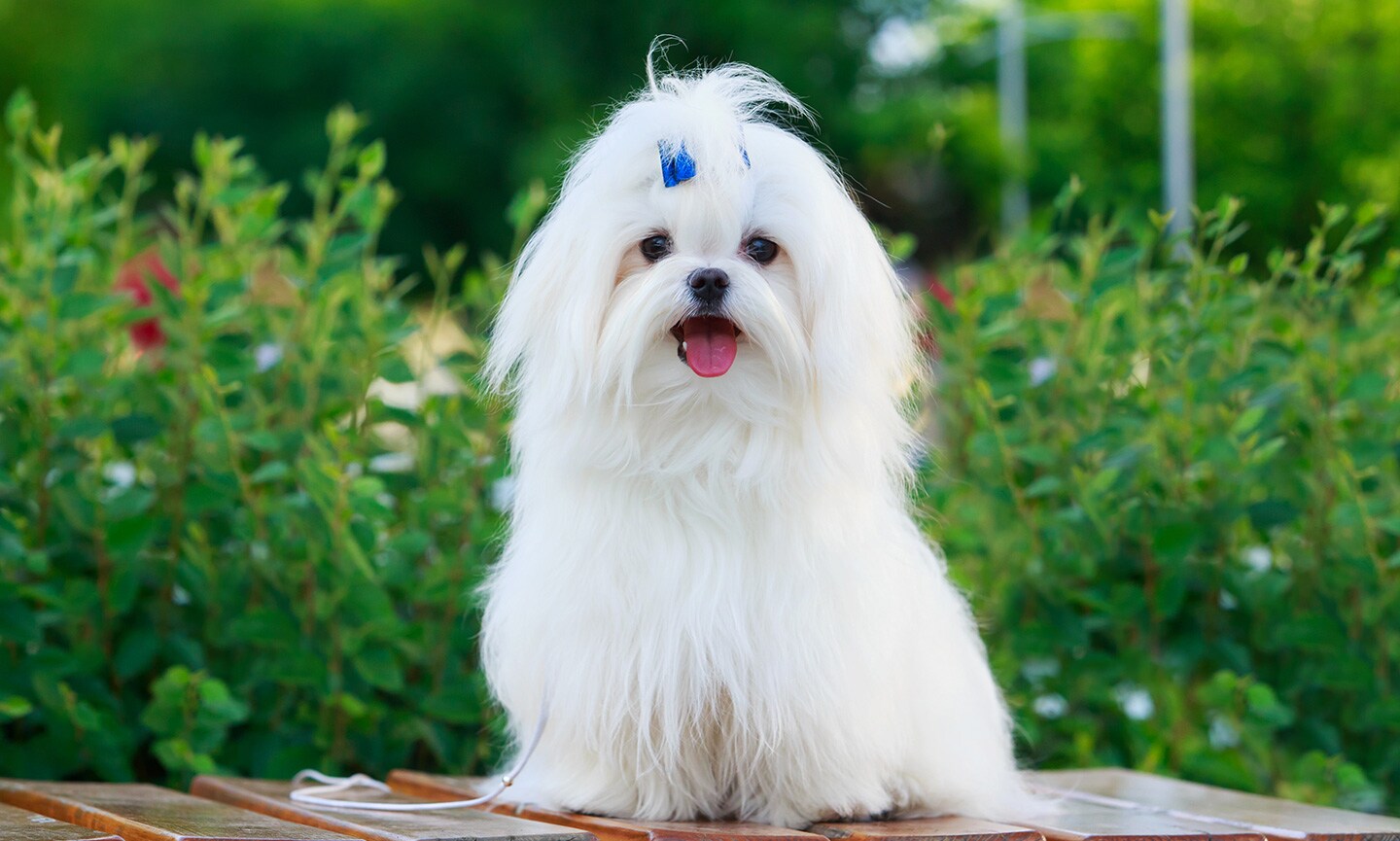
Photo by DevidDO/iStock / Getty images Plus via Getty Images
- Size: Extra small
- Life expectancy: 12–15 years
- Temperament: Charismatic, friendly, gentle
Maltese are small white dogs who are well-suited for pet parents looking for a loving lapdog. They do well in small living spaces like apartments and love being close to their people. Their long coat requires consistent grooming, and regular dental care plays a big role in supporting their overall health.
16. Affenpinscher
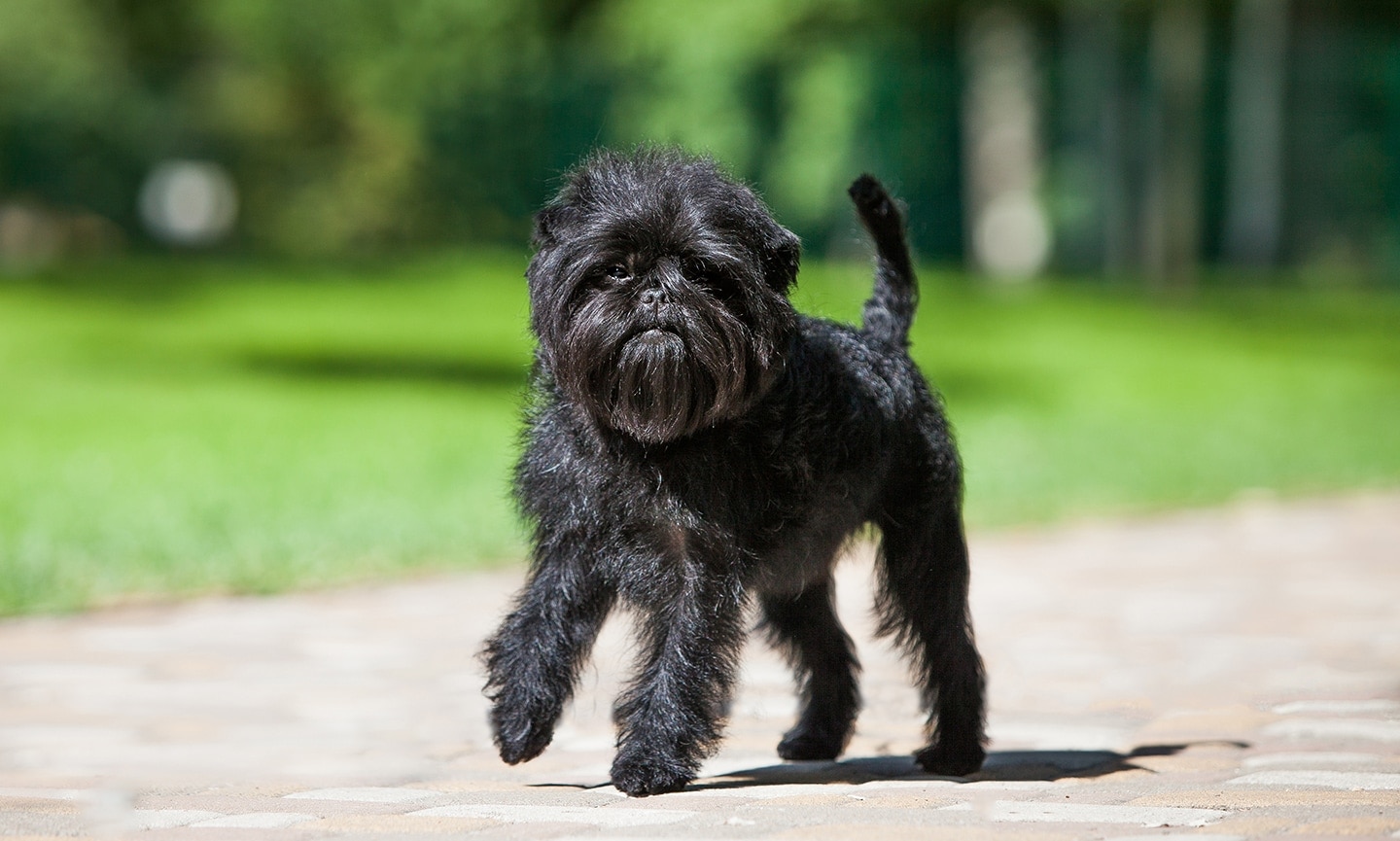
Photo by Adobe/Ilona Didkovska
- Size: Extra small
- Life expectancy: 12–15 years
- Temperament: Curious, confident, playful
The Affenpinscher is best suited for pet parents who want a small dog with a big personality. They’re alert and inquisitive, enjoying interactive play and puzzle toys that keep their minds busy. While they don’t need intense exercise, daily walks and one-on-one time help prevent boredom.
17. Yorkshire Terrier
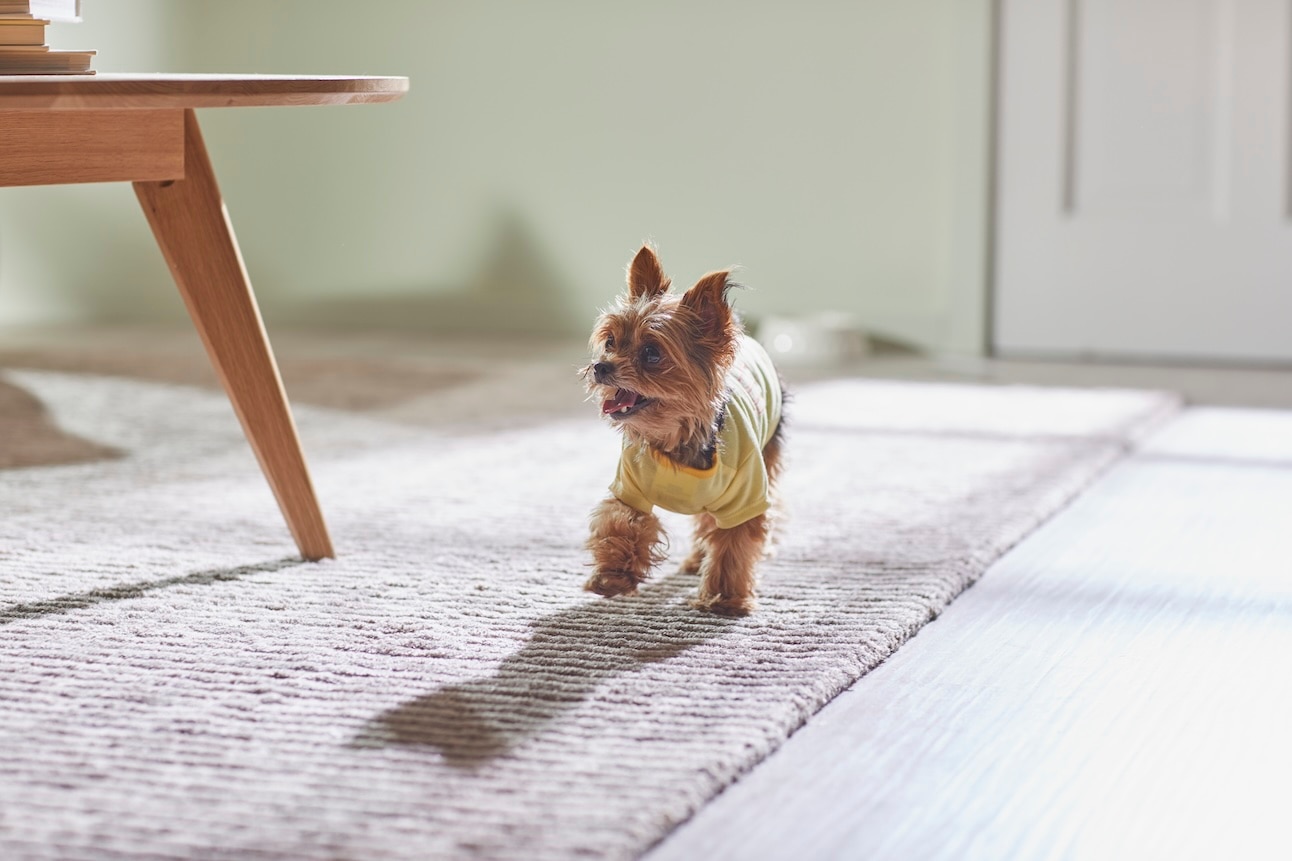
Photo by Chewy
- Size: Extra small
- Life expectancy: 11–15 years
- Temperament: Clever, cuddly, spirited
The Yorkshire Terrier is a dog with a long lifespan and a long coat to match. Their hair needs daily care to stay free of matting and tangles, or you can keep it trimmed short to make brushing easier.
18. Shih Tzu
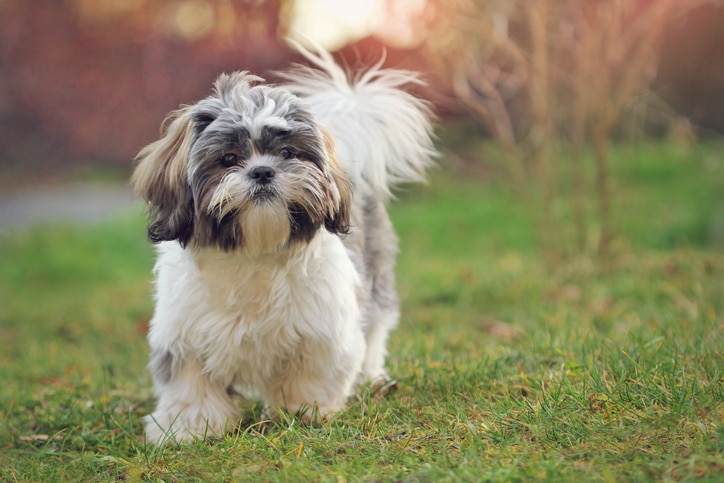
Photo by elenasendler/iStock / Getty Images Plus via Getty Images
- Size: Small
- Life expectancy: 10–16 years
- Temperament: Affectionate, outgoing, friendly
Shih Tzu were bred to be companions, so they make excellent lapdogs and are happy to live a pampered lifestyle. However, they still need to keep their paws moving so they stay at a healthy weight and don’t become bored.
FAQs About the Longest-Living Dogs
Who was the oldest dog to ever live?
The oldest dog on record is an Australian Cattle Dog named Bluey, who lived 29 years and 5 months.
What dog has the longest lifespan?
Small dog breeds tend to have the longest average lifespans. When provided with proper care, breeds like the Chihuahua, Toy Poodle, Chinese Crested, and Papillon are often cited among the longest-living dog breeds.
Attributions
This article was created with assistance from AI tools. The content has been reviewed for accuracy and edited by a veterinarian.