What Is Turmeric for Dogs? Benefits, Dosage, and How To Add It to Your Dog’s Diet



Photo by Memitina/E+
Known for its anti-inflammatory and antioxidant effects, turmeric has a long history of medicinal use in humans. But what about turmeric for dogs? Early research suggests this golden spice may be a boon for your pup. But before you sprinkle it on your dog’s food, it’s important to understand the potential benefits and the risks.
Key Takeaways
- Turmeric may help with joint pain, allergies, dental health, and overall inflammation in some dogs.
- Curcumin, turmeric’s main active compound, is an antioxidant that may help protect cells and support liver and nerve health.
- Always consult your vet before adding turmeric or any supplement to your dog’s diet to determine if it’s appropriate and to set a safe dose.
- Too much turmeric can cause problems, such as stomach upset, blood clotting issues, high blood pressure, seizures, and issues with your dog’s liver and kidneys. If you suspect your dog has ingested too much, call the Pet Poison Helpline at 855-764-7661.
What Is Turmeric?
Turmeric is a bright-yellow spice from the root of the Curcuma longa plant, a member of the ginger family. It has been used for centuries in cooking and traditional medicine, especially in India and Southeast Asia.
The compound that gives turmeric much of its health-boosting reputation is curcumin. Curcumin has anti-inflammatory and antioxidant properties, and research in people suggests it may help ease joint pain, support digestive health, and protect against cell damage.
In humans, turmeric is used in foods and drinks and as a dietary supplement.
Is Turmeric Good for Dogs?
Turmeric might help some dogs, though the research is still evolving. Here are some ways it might help dogs, always under veterinary guidance.
Joint and Arthritis Relief
Turmeric’s anti-inflammatory effects may help dogs with arthritis, joint pain, or stiffness, making movement more comfortable. (Millions of dogs in the U.S. have osteoarthritis.)
However, studies in dogs have been mixed, says Kimberly Schmidt, DVM, medical director and integrative veterinarian at Napa Valley Holistic Veterinary Services in Napa, California. She notes that some findings suggest turmeric may be more effective when combined with other supplements, such as Boswellic acid.
Never add any supplement to your dog’s diet without your vet’s advice and support.
Allergy Support
Turmeric’s anti-inflammatory and antihistamine activity may help ease mild allergy-related symptoms like itching and redness. It is not a substitute for veterinary treatment or appropriate for severe reactions, but it may be one piece of an allergy care plan your vet designs.
Dental Health
Dr. Schmidt notes that turmeric/curcumin could play an important role in improving canine oral health. She points to a recent study of a curcumin product tested in dogs with periodontitis (commonly known as gum disease) that suggested the supplement could reduce gum inflammation and bone loss.
Ask your veterinarian whether a curcumin oral product is appropriate for your dog.
Wound Healing
“Turmeric can be very helpful for wound healing in both people and animals, including dogs,” Dr. Schmidt says. In some cases, a whole-herb paste can be used, but only as directed by your veterinarian to avoid irritation or licking.
Antioxidant Protection
Curcumin is a powerful antioxidant, meaning it helps combat free radicals, which can damage cells and contribute to aging and disease. By neutralizing these free radicals, turmeric may help reduce the risk of chronic conditions linked to oxidative stress, such as cancer.
Nerve and Mobility Support
“Degenerative myelopathy is a neurological condition causing progressive loss of function and paralysis of the hind limbs,” Dr. Schmidt says, noting its similarity to amyotrophic lateral sclerosis (ALS) in people.
In one study involving canines with degenerative myelopathy, she notes, dietary turmeric supplementation was associated with improved survival times and helped dogs maintain the ability to bear weight on their hind legs longer.
Liver Health
Dr. Schmidt says that, traditionally, turmeric has been used to support liver function, and that early veterinary research suggests it may help certain dogs with liver disease. As always, this should be done only under veterinary supervision.
Can Dogs Have Turmeric?
If you’re wondering, “Can dogs eat turmeric?” the answer is generally yes, when given appropriately.
There are two main ways to add turmeric to your dog’s routine, but it should always be done under your veterinarian’s guidance (turmeric can interact with medications, and not all dogs are good candidates).
Add Turmeric to Your Dog’s Food or Broth
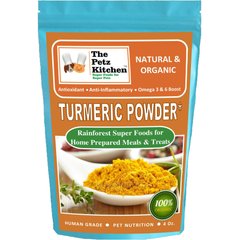
You can add turmeric powder, such as The Petz Kitchen Turmeric Powder, into your dog’s food or into a dog-safe broth, such as Solid Gold Bone Broth. You can also add it to homemade dog treats.
Recommended Products

Give Your Dog Turmeric Supplements
A wide range of dog supplements contain turmeric/curcumin, sometimes with black pepper extract or other ingredients to improve absorption and maximize effectiveness.
Here are some Chewy pet parent favorites.
For Joint Health and Mobility
Pet Honesty Hip & Joint Chews are formulated with turmeric and other joint-supporting ingredients like glucosamine, MSM, and chondroitin.
Recommended Product

For Allergy and Immune Support
Pet Honesty Allergy Support Chews combine turmeric with other ingredients to help balance the immune system and ease allergy-related symptoms.
Recommended Product

For Overall Wellness
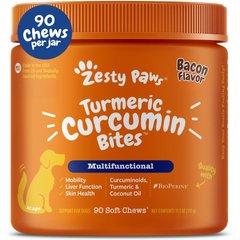
Zesty Paws Turmeric Curcumin Bites are made with turmeric, black pepper extract, and coconut oil.
Recommended Product
How Much Turmeric Should You Give Your Dog?
There isn’t a one-size-fits-all dosage, says Renee Schmid, DVM, a senior veterinary toxicologist and the director of veterinary medicine at the Pet Poison Helpline, a 24/7 poison control center. She says the right amount depends on your dog’s size, overall health, and the specific product.
Turmeric supplements for dogs usually include dosing instructions on the label, but it’s best to ask your veterinarian what is right for your individual dog.
Can Turmeric Be Bad for Dogs?
Dr. Schmid says that excessive intake can be harmful. High consumption could lead to blood clotting problems and, in rare cases, elevated blood pressure or seizures, as well as kidney or liver problems, she notes.
If you suspect your dog has ingested too much turmeric, call the Pet Poison Helpline at 855-764-7661.
In most cases, a dog would need to consume very large doses over a long period before serious issues develop, she says. However, you should still play it safe and keep dosages to what your vet recommends.
With normal, responsible use, the most common side effects are gastrointestinal upset, including vomiting or diarrhea, or decreased appetite. “This may be more severe in dogs that have a sensitive stomach or that are more sensitive to turmeric in general,” Dr. Schmid says.
FAQs About Turmeric for Dogs
Is the turmeric that humans eat safe for dogs?
Generally yes, in small amounts. However, culinary turmeric contains lower levels of curcumin than supplements, so health effects may be limited compared with veterinary-formulated products.
When should I not give my dog turmeric?
Avoid giving turmeric if your dog has a bleeding disorder, liver disease, or is taking medications that impact blood clotting or liver function. Always ask your vet before introducing any new supplement or food.
Is turmeric or ginger better for my dog?
Both turmeric and ginger have anti-inflammatory properties and can support digestive health. Turmeric is often used for joint issues and antioxidant benefits, while ginger is better known for easing nausea and motion sickness. The “better” choice depends on your dog’s specific needs, and your vet can help you decide.
Are most spices safe for dogs?
No. Many common spices and kitchen staples, such as garlic, onion, nutmeg, and cocoa powder, are toxic to dogs. Only use dog-safe ingredients, and check with your veterinarian when in doubt.
Attributions