How To Get a Dog to Stop Barking


Barking is a normal and natural behavior for dogs. It’s how they communicate everything from excitement to fear. But when barking becomes constant or disruptive, it can quickly become a problem for pet parents and their neighbors. So how do you get a dog to stop barking?
The first step in stopping excessive barking is understanding why your dog is barking in the first place. From there, you can apply the right training techniques and management tools to help your pup learn when it’s OK to bark—and when it’s time to stay quiet.
Key Takeaways
- Understanding the cause of your dog’s barking is key to stopping it.
- Training tools like the “quiet” cue help reduce barking behavior.
- Management strategies like blocking views and white noise reduce barking triggers.
- Mental and physical enrichment can help minimize barking due to boredom or stress.
Why Do Dogs Bark
Barking, like whining, growling, and howling, is a dog’s natural form of communication. Dogs might bark when they feel threatened, when they want to play, when they need attention, or to signal danger.
Genetics can also play a part in your dog’s likelihood to bark. Some breeds are more prone to barking, like Beagles and Terriers.
What Causes Excessive Barking
There’s no single cause for problem barking. The reasons for it can range from dogs trying to keep scary things away to self-soothing in times of stress.
Keep in mind that some barks have crossover, meaning that an alarm bark can turn into a territorial bark, or an excitement bark can also have elements of frustration barking. The following table will help you identify most of the common reasons for barking.
| Type of Barking | Reason for Barking |
|---|---|
| Attention seeking/demand | Barking to get resources like your attention, food, toys, or access to the outdoors. |
| Territorial | A response to someone or something entering a dog’s perceived turf. |
| Play barking | The excitement of having fun with your canine friends can tip over into barking. |
| Alarm | A response to a startle, like a sudden unexpected noise. |
| Boredom | Dogs who are unexercised or under-stimulated will bark to self-soothe or stay “busy.” |
| Fear | Fear barks sound scary but are an attempt to maintain or increase distance from something frightening. |
| Excitement | Triggered by enthusiasm for activities, like mealtimes, play, or going for a ride in the car. |
| Separation intolerance | Short-term frustration barking to signal discomfort at being left alone. (This reaction is not separation anxiety, which typically also includes more extreme behaviors like pacing, panting, drooling, destruction, and potty accidents, and might begin before the parent even leaves the house.) |
How To Get a Dog To Stop Barking
Because there’s no single reason for barking, there’s no “one size fits all” approach to treating it. Adult dogs may have different reasons for barking than puppies, for example.
The following suggestions are a mix of simple management solutions, which can be implemented on the fly, as well as training recommendations, which require ongoing practice to train a dog not to bark.
Train Your Dog To Stop Barking With the “Quiet” Cue

- Best for: territorial barkers and alarm barkers, as well as some excitement and play barkers.
Teaching “hush” can short-circuit a dedicated barker.
Follow these simple steps to help train your dog to stop barking:
- Walk up to your dog while they’re barking with a high-value treat in your fist.
- Place your hand in front of their nose so that they can smell the treat but can’t get to it.
- Your dog will likely stop barking to sniff the goody. Once they’re quiet, say “hush” (you’re “naming” the silence).
- Toss the treat a few steps away from your dog.
- Repeat the process until you can just say “hush” without needing the hand prompt in front of your dog’s nose, and then give them a treat.
- Gradually ask your dog to do more in order to get the treat, like coming to you and waiting quietly. (This is the technique that I’ve used with my dogs, and they often police themselves; if one dog barks, the other runs to me to get a treat for remaining quiet.)
Popular high-value dog treats that can be used to teach this include:
Recommended Products


Block Your Dog’s View

- Best for: alarm barkers and territorial barkers.
If your dog reacts to activity they see outside, simply change their vantage point:
- Close the blinds during high-traffic times or use temporary stick-on opaque privacy film.
- Place the window film a few inches above your dog’s line of sight, then gradually lower it down inch by inch over the course of several weeks, before removing it completely.
Provide Busy Toys
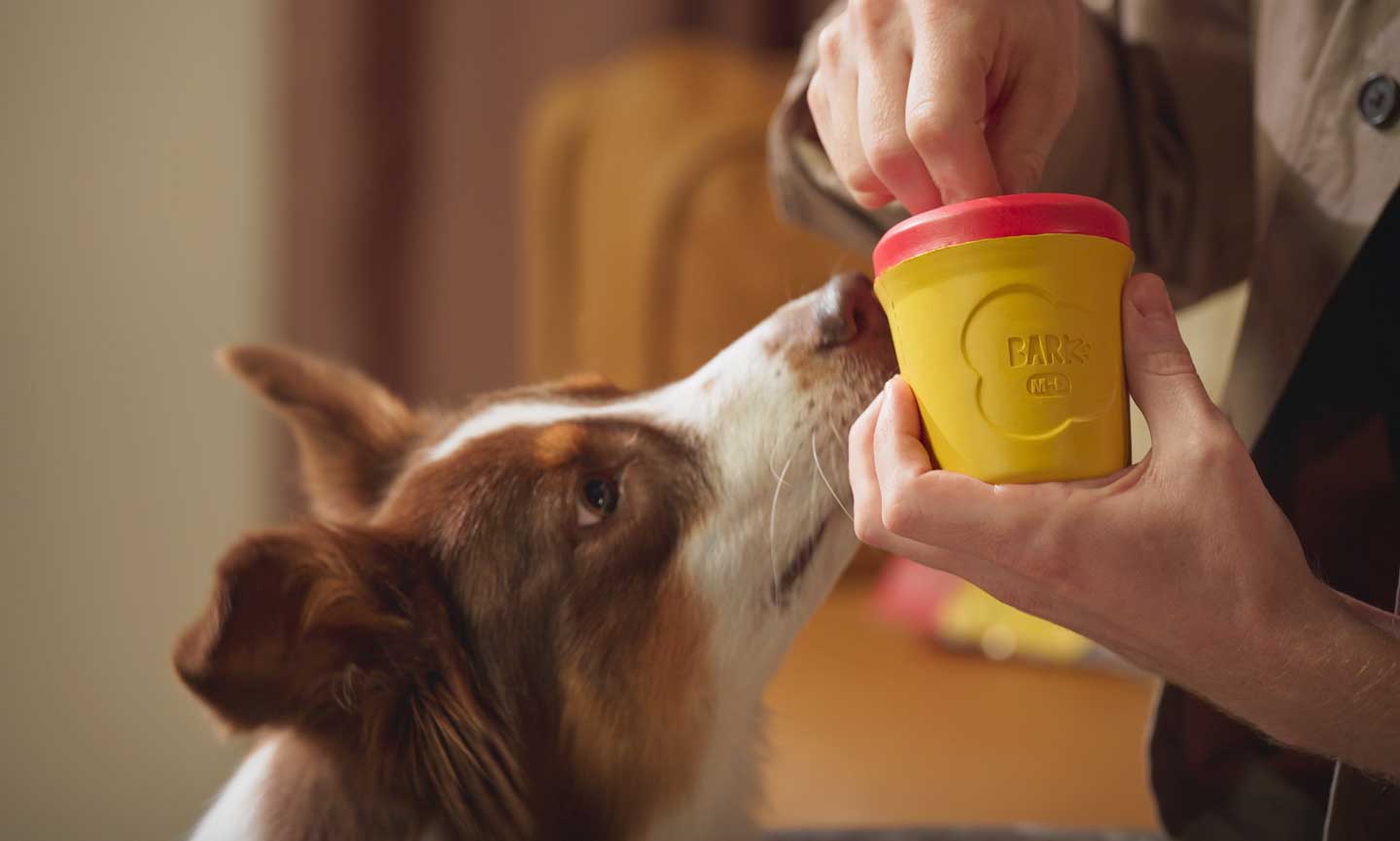
- Best for: attention seeking/demand barkers, boredom barkers, and separation distress barkers.
Boredom barkers and separation distress barkers can benefit from staying occupied with hard rubber toys that dispense treats. Treat-dispensing toys can also help with attention-seeking barkers who react when you’re on the phone or computer.
Recommended Products



Turn on a White Noise Machine
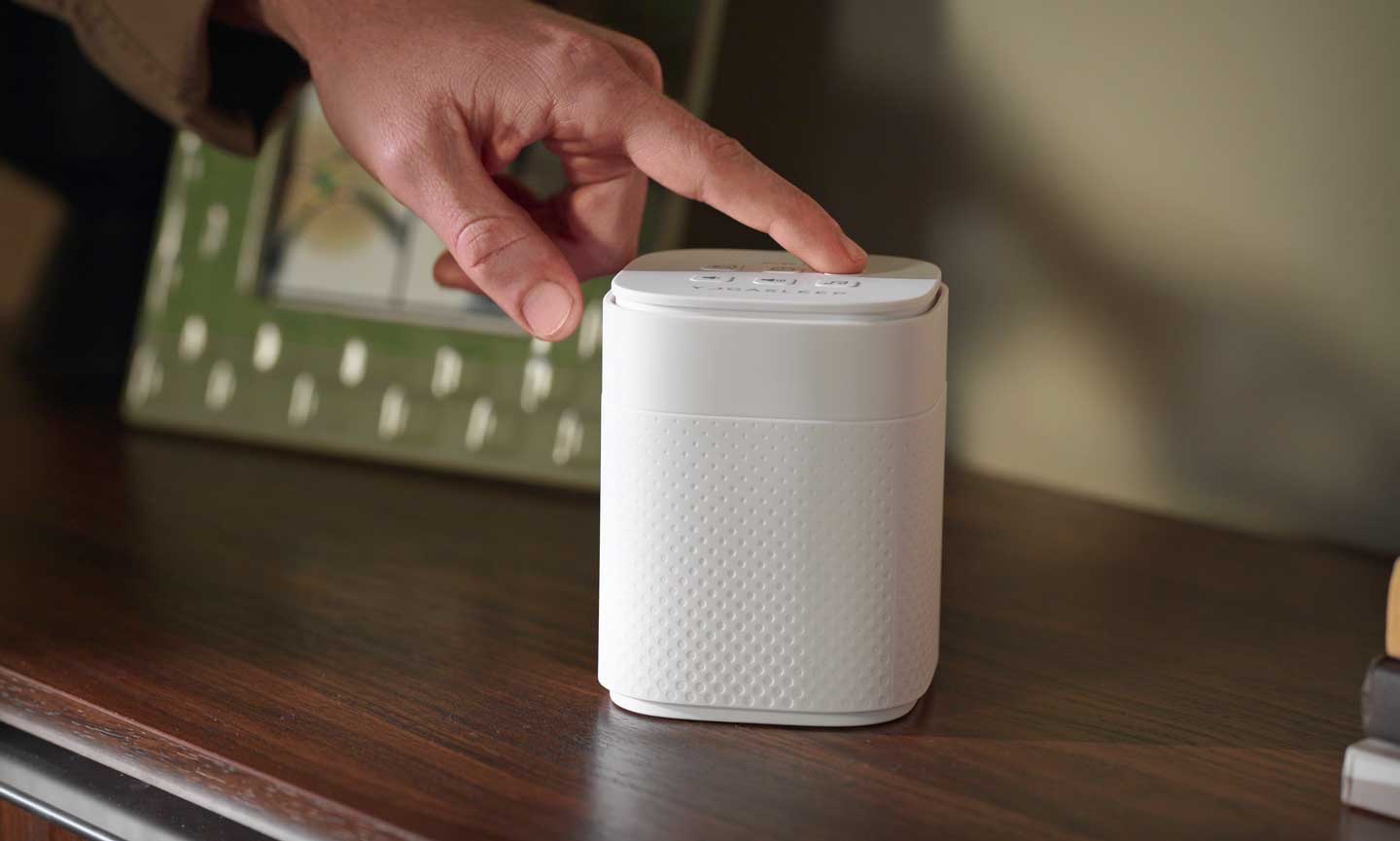
- Best for: alarm barkers and territorial barkers.
A white noise machine’s steady unchanging sound can help mask possible alarm barker triggers, like garbage trucks and other dogs barking.
Recommended Product
Try a Pheromone-based Treatment
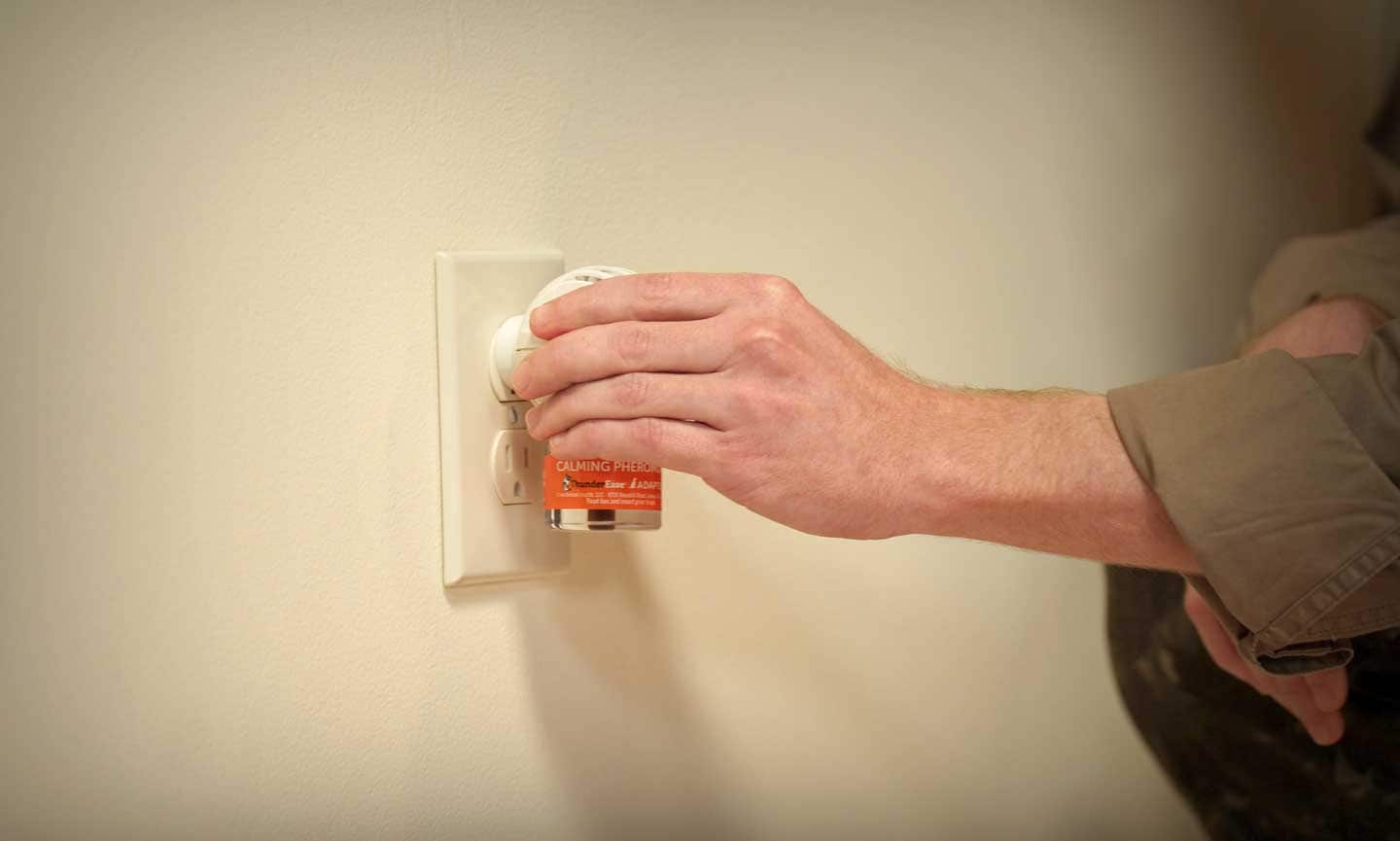
- Best for: fear barkers and separation distress barkers.
Plug-in dog calming diffusers that mimic the “calming chemicals” given off by female dogs can help to soothe dogs who bark due to stress. While you might not see a dramatic shift in behavior—keep in mind that plug-in treatments aren’t prescription strength—diffusers are an easy way to help make a scary scenario feel more secure.
Recommended Product

Ignore the Barking
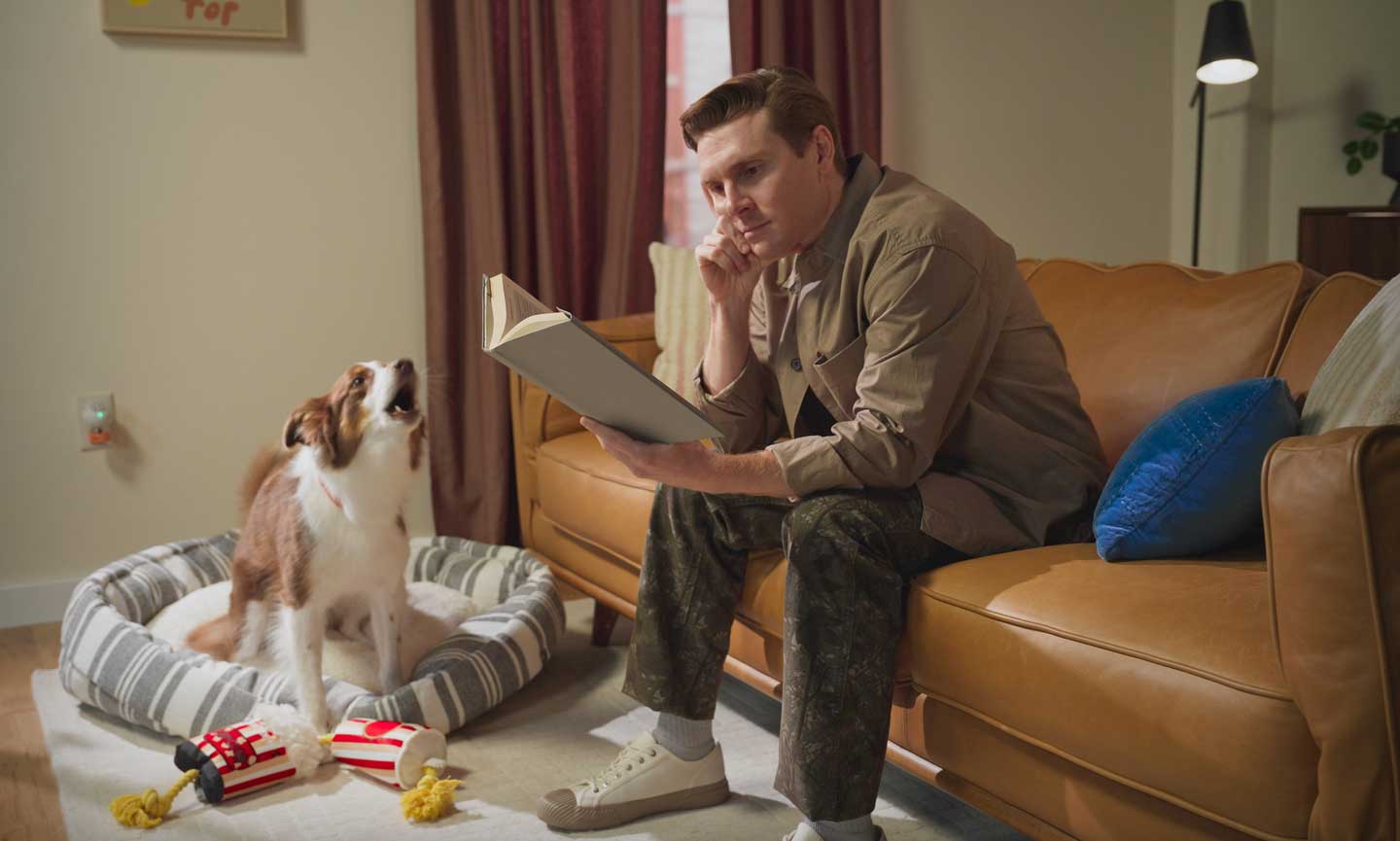
- Best for: attention-seeking barking, play barking, excitement barking, and frustration barking.
What’s the secret ingredient that many barkers want? Your attention! Barkers who are trying to get a reaction from you, whether it’s to get you to throw the ball or hurry up and serve dinner, are looking for some sort of acknowledgement from you when they bark.
You can help your dog understand that barking doesn’t work. By doing the opposite of what your dog wants when they bark, you can train your dog to stop barking for attention:
- Turn away, walk out of the room, drop the ball, or put the leash down.
- Wait for a moment of quiet or calm behavior from your dog.
- Once your dog has calmed, then pay attention to them.
- With consistency, your dog will bark less because they understand that quiet works and barking doesn’t.
Add More Exercise
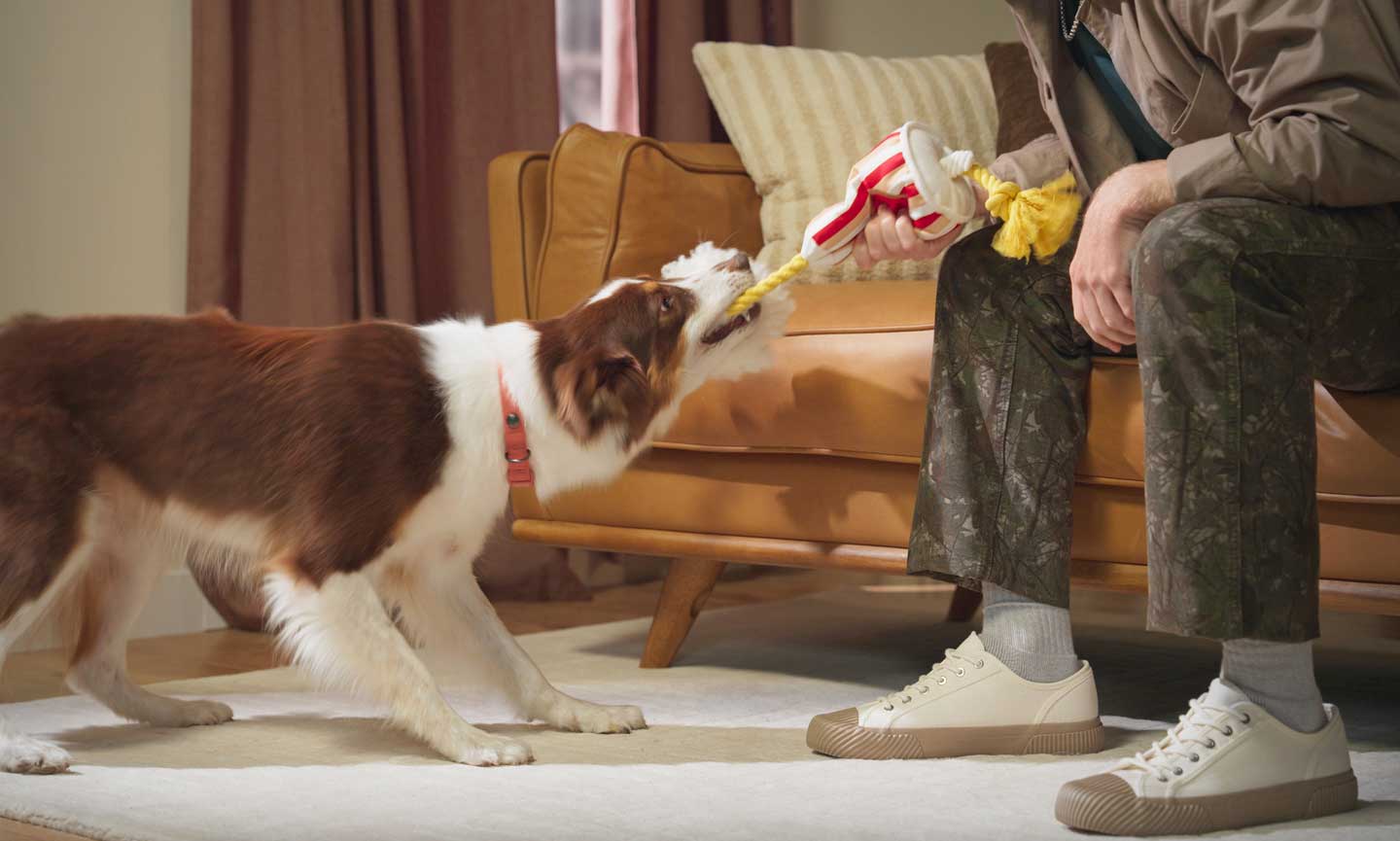
- Best for: all barkers.
Nearly every dog can benefit from more exercise, both mental and physical. A dog who has had a good workout will be less likely to be on alert for perceived interlopers or feel the need to pester you for attention.
Take the time to wear your dog out every day with a game of fetch or tug, and get their brain activated by introducing mind-teasers like “find the toy” and hide-and-seek. Remember, a tired dog is a quiet dog!
Recommended Products


FAQs About How To Get a Dog To Stop Barking
How can I get my dog to stop barking at people?
Train your dog to redirect their attention using cues like “quiet” or “look at me,” and reward them for staying calm around people. Managing their environment, such as blocking views or creating space from triggers, can also help reduce barking.
Why is my dog barking at me?
Your dog may be barking at you to get your attention, signal a need (like food or play), or express frustration. Avoid reinforcing the behavior by not reacting to the barking; instead, reward quiet behavior with attention or treats.
How do I stop my dog from barking at night?
Make sure your dog’s needs are met before bedtime—exercise, potty breaks, and mental stimulation. Then use tools like white noise, a calming pheromone diffuser, or crate training to help reduce nighttime barking.
Why does my dog bark at everything?
Dogs who bark at everything may be overstimulated, anxious, under-exercised, or lack clear boundaries. Identifying their barking triggers and combining management (like blocking views) with training helps reduce excessive barking.
Barking is a natural form of communication for dogs, but when it becomes excessive, it can be stressful for both pet parents and pups. By identifying the reasons behind your dog’s barking and using positive reinforcement, training cues, and smart management strategies, you can help your dog learn when it’s OK to sound off—and when it’s time to stay quiet.
Attributions