How Long Do Geese Live? A Goose Lifespan Guide


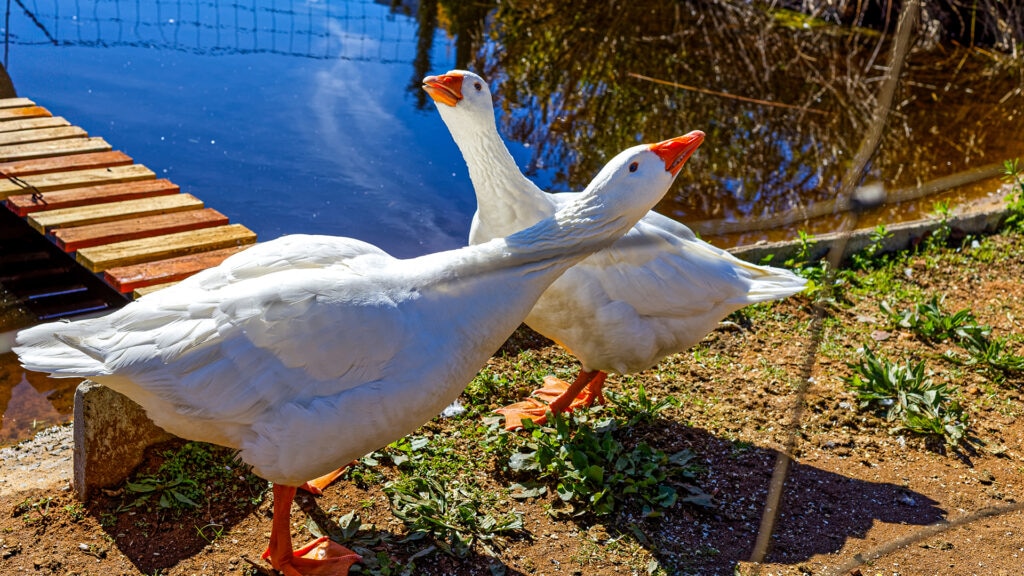
Photo by geoffsp/iStock/Getty Images Plus via Getty Images
Geese are more than just familiar faces at the pond—they’re social, intelligent birds who can become longtime members of your flock. With proper care, domestic geese can live into their late teens and 20s, and some even reach 30.
While breed and genetics play a role, balanced nutrition, clean water, safe housing, and companionship can help your geese enjoy long, healthy lives.
Key Takeaways
- Domestic geese can live into their late teens and 20s with good care, though some reach 30.
- A goose's lifespan depends on breed, genetics, nutrition, housing, predator protection, companionship, and veterinary care.
- Geese need balanced waterfowl nutrition, safe grazing, clean drinking and bathing water, and dry, secure shelter.
- Geese are social birds who need compatible companions, opportunities for activity, and regular health monitoring.
How Long Do Geese Live?
Domestic geese can live 20 years or longer, making them a long-term commitment. Lifespan varies with breed, health, and daily care.
Wild geese face different risks, so their lifespans aren’t directly comparable to those of domestic geese.
Before bringing geese home, plan for daily feeding, water changes, cleaning, secure overnight housing, and access to a veterinarian who treats waterfowl. Arrange backup care when you’re away.
What Impacts a Goose’s Lifespan?
Nutrition, housing, companionship, water quality, and preventive veterinary care all influence how long a goose lives.
Nutrition and Life Stage
Geese enjoy grazing, but grass alone may not meet their nutritional needs. A balanced waterfowl diet should account for age, growth, egg production, body condition, and available pasture.
Work with your veterinarian on appropriate feed, portions, and supplements. Limit treats, which shouldn’t replace complete food.
Housing and Predator Protection
Geese need dry, well-ventilated shelter with clean bedding, shade, and enough room to rest comfortably. Ground-level entrances or gentle ramps help heavier or older birds.
Secure geese in predator-resistant housing overnight, and check fencing, doors, and latches regularly.
Water, Activity, and Companionship
Provide clean drinking water deep enough for geese to submerge their heads and rinse their eyes and nostrils, plus bathing water they can safely enter and exit. Keep water areas clean and well-drained.
These social birds need compatible companions and opportunities to graze, explore, and bathe. Introduce newcomers gradually and watch for bullying that prevents access to food, water, or rest.
Preventive Care and Aging
Regular health checks help you recognize changes in appetite, droppings, breathing, feathers, feet, or movement.
Ask your veterinarian about quarantine before introducing new birds, and keep their equipment separate as advised.
As geese age, arthritis and mobility problems may require changes to bedding, ramps, feeding areas, or veterinary care.
How To Help Your Goose Live a Longer Life
Consistent daily care can help keep your geese healthy for years to come.
Feed for Their Life Stage
Choose appropriate duck and goose feed with your veterinarian. For mature, fully feathered, nonbreeding geese, ask whether Mazuri Waterfowl Maintenance Floating Duck & Geese Feed is suitable. Goslings and breeding birds need different feeding plans.
Recommended Product
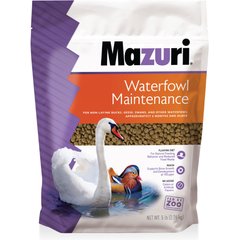
Make Feeding Easy
Choose accessible feeders and pans, such as the Little Giant Feed Livestock Feed Pan. Make sure the dish is appropriately sized for your birds and wash it regularly.
Recommended Product

Keep Water Clean and Accessible
Refresh drinking water and clean bathing areas regularly. If you’re planning a pond, consider waterfowl pond design and maintenance, including filtration and safe access. Ponds designed for ducks may need adjustments for larger geese.
Protect Them Overnight
Secure geese in their shelter before dusk. Check for damaged fencing, loose latches, wet bedding, sharp surfaces, and other hazards.
Encourage Companionship and Activity
Keep compatible geese together and provide opportunities for safe grazing and exploration. Make sure every bird can access food, water, and shelter without being pushed away.
Watch for Signs of Illness
Contact your veterinarian if you notice appetite loss, weight loss, limping, swollen feet, unusual droppings, labored breathing, or a goose separating from the flock.
Attributions
This article was created with assistance from AI tools. The content has been reviewed for accuracy and edited by a human.