How Long Do Goats Live? A Goat Lifespan Guide


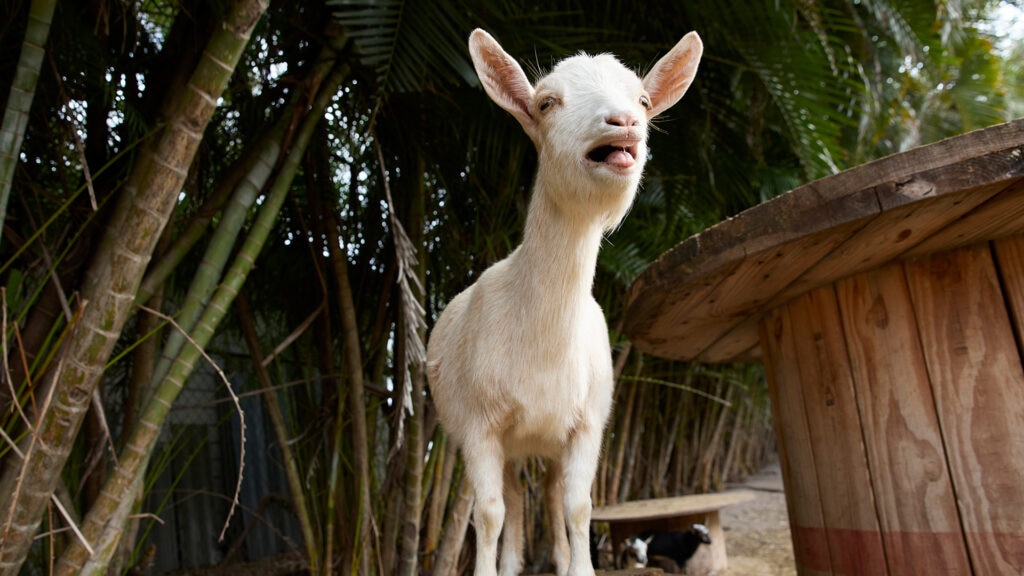
Photo by Chewy
From their playful personalities to their love of exploring, goats can bring plenty of entertainment to a backyard or hobby farm. And they’re a long-term commitment: Domestic goats typically live 10–15 years with good care, and some live into their early 20s.
While breed and genetics play a role, good nutrition, safe housing, companionship, and regular veterinary care can help your goats live long, healthy lives.
Key Takeaways
- Domestic goats typically live 10–15 years with good care, though some live into their early 20s.
- A goat's lifespan depends on breed, genetics, nutrition, parasite control, hoof health, housing, and veterinary care.
- Goats are social herd animals who need companionship, secure shelter, clean water, and a forage-based diet.
- Regular veterinary care helps manage parasites, maintain hoof health, and address nutritional and other health concerns.
How Long Do Goats Live?
Domestic goats can live 10–15 years or longer, making them a long-term commitment for pet parents and hobby farmers.
A goat’s care needs depend on their breed, age, activity level, reproductive status, and whether they’re kept for companionship, milk, meat, fiber, showing, or vegetation management.
Before bringing goats home, plan for secure fencing, dry shelter, appropriate nutrition, hoof care, and access to a veterinarian who treats goats.
What Impacts a Goat’s Lifespan?
Breed, genetics, nutrition, housing, and preventive veterinary care all influence how long a goat lives.
Breed, Purpose, and Genetics
Goat breeds have different health and nutritional needs, which can also vary with age, growth, pregnancy, and milk production. Share your goat’s health, diet, and vaccination history with your veterinarian to develop a preventive care plan.
Nutrition and Minerals
Goats need a forage-based diet with appropriate minerals. Some need additional feed during growth, pregnancy, or milk production, but too much grain or too many treats can cause health problems.
Parasite Control and Preventive Care
Internal parasites are a major health concern for goats. Work with your veterinarian on pasture management, fecal testing, and targeted deworming, along with vaccinations, hoof care, and reproductive health.
Housing, Safety, and Herd Life
Goats need companionship, secure fencing, dry shelter, shade, and good ventilation. Wet bedding, mud, overcrowding, and unsafe surroundings can contribute to injuries, hoof problems, and stress.
How To Help Your Goat Live a Longer Life
A few consistent habits can help keep your goats healthy and happy for years to come.
Provide Companionship and Safe Housing
Goats need at least one compatible goat companion, secure fencing, dry shelter, and safe feed storage. Have a plan for transporting your goats for veterinary care.
Make Forage the Foundation of Their Diet
Provide clean hay, pasture, or browse (such as leaves, shrubs, or other woody plants), and offer supplemental goat feed as recommended for your goat’s age, body condition, and nutritional needs.
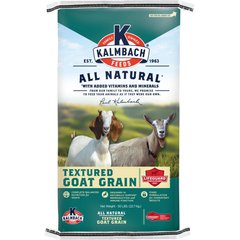
Recommended Products
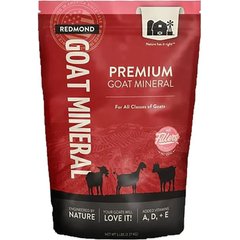
Choose the Right Minerals
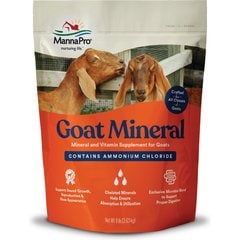
Ask your veterinarian which supplements suit your herd’s diet and regional needs before offering products like Manna Pro Goat Mineral Powder Supplement.
Recommended Product
Stay on Top of Parasite Prevention
Work with your veterinarian on fecal testing, pasture management, and targeted deworming. Ask whether FAMACHA training would be appropriate for your herd.
Keep Their Hooves Healthy
Check your goats’ feet regularly and watch for changes in how they walk. Follow a hoof-trimming schedule recommended by your veterinarian or an experienced goat professional and provide clean, dry footing.
Provide Fresh, Clean Water
Check water daily, paying extra attention during hot or freezing weather, pregnancy, milk production, and illness.
Watch for Signs of Illness
Contact your veterinarian if a goat stops eating, separates from the herd, appears bloated, grinds their teeth, drools, strains to urinate, limps, or seems unusually quiet.
Attributions
This article was created with assistance from AI tools. The content has been reviewed for accuracy and edited by a human.