How Long Do Pigs Live?

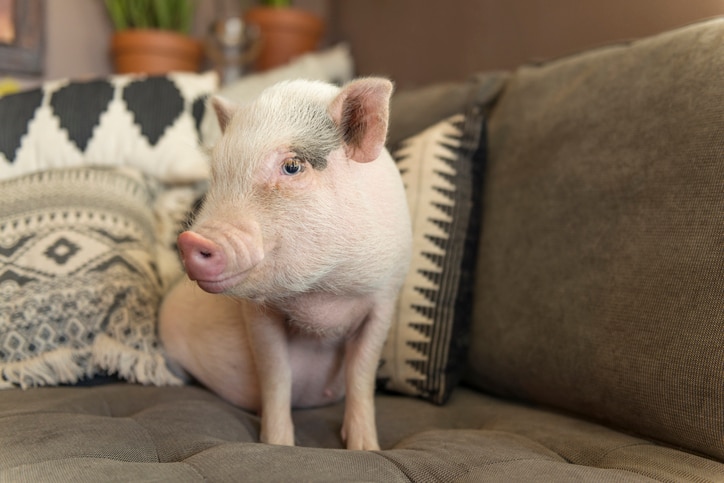
Photo by HadelProductions/iStock/Getty Images Plus via Getty Images
Considering a pig as a pet? They’re affectionate, curious, trainable, and among the smartest in the animal kingdom.
But they also require a serious, long-term commitment. So, how long do pigs live as pets? Here’s what you need to know.
Key Takeaways
- Pigs can live up to 20 years with optimal food, shelter, and care.
- They need a balanced diet specially formulated for pigs, clean housing, and lots of mental enrichment to live their best life.
- Pigs thrive with at least one pig friend and strong bonds with their human caretaker.
- Common health issues include obesity, respiratory illness, cancer, and kidney disease.
How Long Do Pigs Live?
The life expectancy for pigs varies.
Well-cared-for Vietnamese potbellied pigs and similar breeds—such as such as Juliana pigs, Royal Dandies, and Kunekunes—typically live 12 to 20 years, with some living even longer, according to Josh Costner, the refuge director at Cotton Branch Farm Sanctuary in Leesville, South Carolina.
“Larger pigs, such as the Poland China, have an average lifespan of 8 to 12 years, but we have had several larger breeds live to 14,” Costner adds.
(Sadly, in contrast, most non-pet pigs, like the ones raised for meat on farms, live only six months.)
How To Give Your Pig a Long Life
Here’s how to help your pig have the best chance at a long life:
A Balanced, Pig-Appropriate Diet
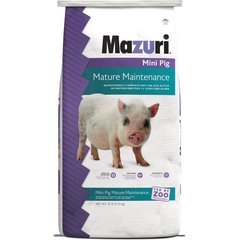
Choose a pig-specific feed for your pig’s size and breed. Feeds designed for potbellied or other smaller breeds, such as Mazuri Mini Pig Mature Maintenance Food, contain a different balance of fiber, fat, and protein than those made for larger breeds.
Recommended Product
Supplement with fruits and veggies. Produce makes a healthy, tasty addition to their diet.
And provide access to pasture. Pigs love to graze, root, and forage on pasture; it’s good for them too.
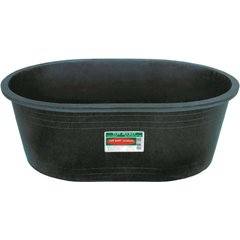
Always have fresh water available for healthy hydration. A large, heavy bowl or small trough, such as Tuff Stuff Products Oval Tank Farm Animal Feeder, works best.
Recommended Product
Jyl Rubin, DVM, a veterinarian and the owner of Dr. Jyl’s Vet Connection Hospital in Orangevale, California, suggests adding water to dry food for extra hydration.
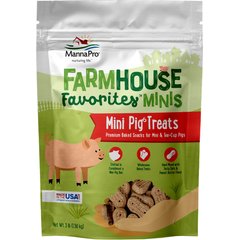
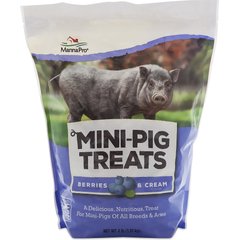
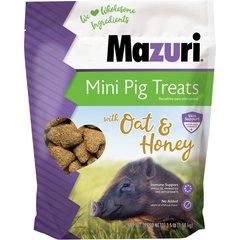
You can also give your pig commercial treats in moderation to keep them happy and motivated. Try Farmhouse Favorites Minis, Manna Pro Berries & Cream Mini-Pig Treats, or Mazuri Oat & Honey Mini Pig Treats.
Recommended Products
Indoor Housing
While pigs shouldn’t live indoors full-time, some pig parents allow their pig to sleep inside. However, they can wreak havoc in a house due to their curiosity.
That’s why it’s usually best for them to have their own designated shelter.
Here are some important guidelines:
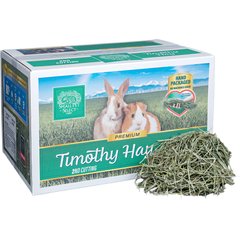
Keep housing warm, dry, and draft-free. Pigs are sensitive to cold and need straw bedding (ideally Timothy hay, which doubles as a tasty snack) for insulation and comfort so they don’t get sick.
Recommended Product
Ensure proper ventilation year-round, especially in winter. Good airflow prevents moisture buildup and high ammonia levels, which can lead to pneumonia or skin issues. Install a properly sized exhaust fan to maintain airflow without causing drafts.
Provide enough space for natural behaviors. Their shelter should be big enough for separate areas to sleep, explore, and go to the bathroom. The RSPCA recommends at least 36 square meters (about 390 square feet) per pig.
Be sure to clean regularly to prevent parasites. Remove waste daily, change bedding frequently, refresh the wallow, and scrub food and water containers often.
Outdoor Space to Roam
Pigs need daily outdoor time, ideally in a pasture where they can graze, root, and explore. Provide at least half an acre for two pigs, and ensure there’s plenty of shade to protect them from sunburn and heatstroke.
Use sturdy, well-secured fencing around their outdoor area so they don’t get out. This also helps keep predators away.
If you have pasture, rotate grazing areas periodically to allow the ground to recover from rooting and trampling.
Space to Wallow
Provide your pigs with a dedicated area to wallow (rolling or lying in mud). Dr. Rubin says this behavior offers enrichment, helps pigs cool off, hydrates their skin, and protects their skin from sun, insects, and external parasites.
The wallow area can be a shallow mud pit or a sturdy kiddie pool.
Mental Enrichment
Pigs are incredibly intelligent and curious animals who need to keep their minds engaged. Without proper mental stimulation, pigs can become destructive or depressed, Costner says.
For indoor enrichment, try pig toys that make noise, such as a child’s piano or rattle balls. Snuffle mats and a kiddie pool filled with plastic balls are also big hits.
Recommended Products
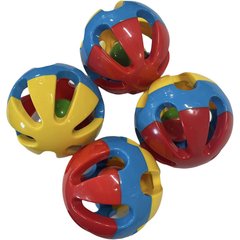
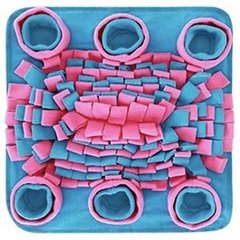
For outdoor activities, give them daily time to explore on pasture. Try scattering vegetables or pellets in the grass for a fun scavenger hunt to stimulate their minds.
Regular Veterinary Care
“Pet pigs require regular veterinary care, just like cats and dogs,” Dr. Rubin says. Get a general wellness exam once a year, with more frequent visits for older pigs or those with chronic health issues.
Your vet will assess your pig’s overall health and provide guidance on vaccinations, spaying or neutering, hoof and tusk maintenance, ear and eye cleaning, and dental care.
Not all veterinarians treat pigs, so it’s important to locate a vet with pig experience nearby before bringing your new pet home.
At Least One Pig Friend (or More)
“Pigs are herd animals and always do best with at least one pig friend,” Costner says. A solitary pig may become depressed or try to find their place within the human household, which can lead to behavioral issues, such as chewing on furniture or demanding constant attention.
Having another pig helps meet their social and emotional needs in a way humans simply can’t, resulting in a more content and well-adjusted pet.
Socialization and Bonding With You
Pigs are highly intelligent and emotionally aware animals who can form deep, lasting bonds with their human caregivers. Many enjoy cuddles, belly rubs, and following their favorite humans around, much like dogs.
Spaying or Neutering
Spaying or neutering your pig prevents unwanted litters and supports their long-term health and behavior. According to Dr. Rubin, unspayed females are more likely to develop reproductive cancers.
For males, neutering can help prevent hormone-driven weight gain.
Consult a veterinarian experienced with pigs to determine the best timing for the procedure.
Common Health Issues in Pigs
Here are some health issues that might affect your pig’s lifespan.
- Obesity: Maintain a healthy weight through carefully portioned meals tailored to your pig’s breed, age, size, activity level, and weight goals.
- Hoof overgrowth: Regular trimming prevents pain, arthritis, and difficulty walking. Overgrowth can lead to infections that could turn deadly.
- Skin issues: Mange, sunburn, and dry, flaky skin can be minimized with proper shelter and skincare. Mange can lead to death if untreated.
- Respiratory infections: Various bacteria, viruses, parasites, and environmental stressors, such as sudden weather changes, can cause these sometimes life-threatening infections.
- Gastrointestinal problems: Issues like constipation, bloat, and stomach ulcers can result from dry diets, infections, or stress. Bloat is especially deadly.
- Cancer: This is commonly seen in older pigs.
- Kidney disease: Kidney disease occurs in older pigs or those fed primarily dry diets.
- Salt poisoning: Dehydration or excessive salt intake can cause seizures, blindness, and death if your pig is not promptly treated.
While this all seems like a lot, it’s worth it for the honor of taking care of some rescue pigs. You’re not only gaining a companion (or three), but you’re also doing the good deed of giving pigs in need a forever home.
FAQs About Pig Lifespan
How long do miniature pigs or teacup pigs live?
First things first: There’s no such thing as a “mini” or “teacup” pig. These labels are marketing tactics used to sell piglets with the false promise that they’ll remain tiny. In reality, most are potbellied pigs, Juliana pigs, or mixes of smaller breeds. While smaller than standard farm pigs, they still grow to 100 to 200 pounds as adults. With proper care, smaller pig breeds can live 12 to 20 years.
How old is the oldest pig?
The oldest pig on record was a potbellied pig named Baby Jane, who lived to be 23 years old.
Attributions